A garden full of treasure

imageWhile waiting to find out our fate, I decided that life must go on, as pleasantly as possible. And what better way to soothe the soul than with art. So we descended upon my friend Alexandra, a sculptor whose studio spills out into her garden.

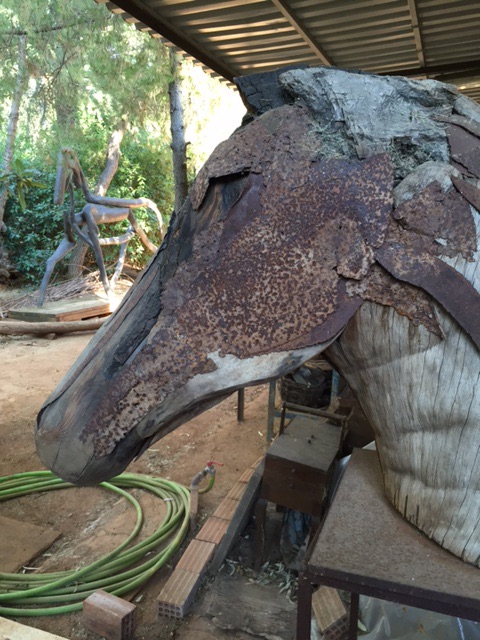
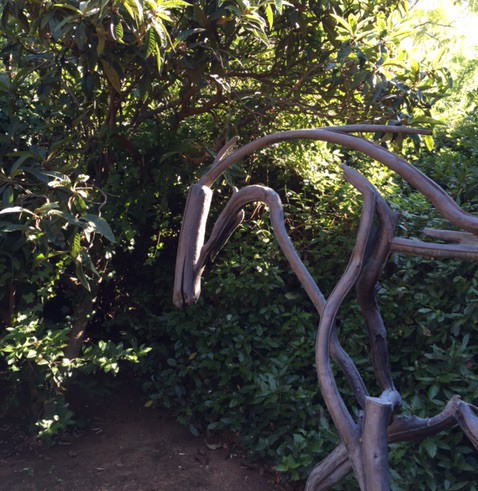
Alexandra is a versatile artist who works in many mediums: wood and rusted metal, resin, cardboard and paper. But she mostly starts her pieces with found materials – driftwood discovered on beaches, fallen branches or logs collected in woods, rusted bike frames and other bits of iron. These she assembles into her chosen shape, often horses’ heads or entire, life-size horses. Then she casts them in bronze.image

This means her garden, enchantingly wild and overgrown, is a treasure trove of found pieces, as well as finished sculptures. Bits of metal left out to rust, piles of what she calls ‘rubbish’ but which no doubt will come in useful at some point. Works-in-progress, blocks of wood in weird shapes waiting for the next burst of inspiration. In the midst of all this is her studio. Welding equipment is stacked in a corner, and works on paper litter the tables – her latest passion is making books. Materials and tools spill out into the garden, where in the winter she can be seen hard at work, wearing multiple layers of clothes!

I love the way Alexandra scribbles and paints on every available surface.image She flattens old cardboard boxes to draw on, uses tea and coffee to create subtle stains, tears things up and reconstructs them in layers.  One of my favourites is this drawing on a broken flowerpot- she calls this work ‘Fragmented Self.’


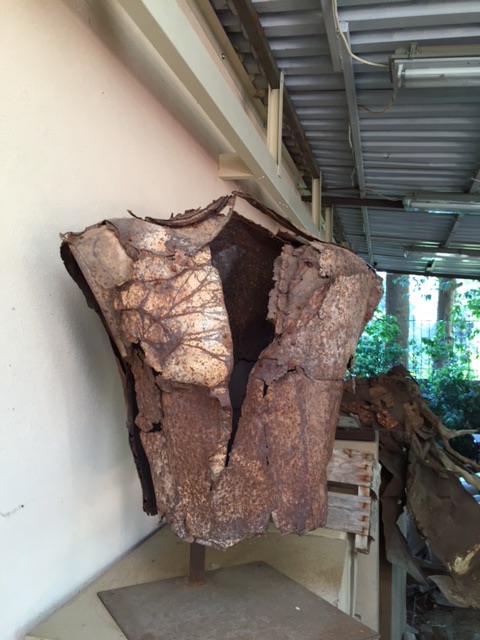
Another recurring theme are the torsos made out of hammered sheets of imagemetal. They are very evocative – they remind me of the Ancient Greek Kouros statues, but at the same time they suggest suits of armour.


A lovely afternoon was spent discussing how things were put together, what inspired each piece – and it was great being able to touch everything, which you cannot do in a museum or exhibition. The children had a field-day pottering about and feeding Alexandra’s tortoises. We were given ice cream on the terrace, surrounded by her collections of stones and small sculptures. Then the kids were put to work making fish out of actual rubbish gathered on a beach. The result was declared super-cool.

image

If you want to find out more about Alexandra Athanassiades, this is  her site: http://www.alexandraathanassiades.com

Frozen

image

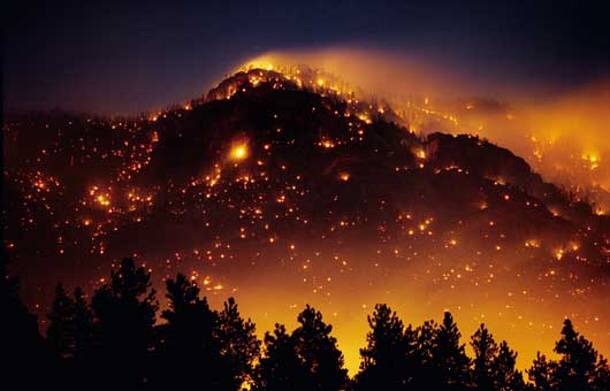
There’s a heat wave on, but everyone’s frozen: paralyzed, unable to plan or think of anything else than the situation we find ourselves in. Heads are buzzing and eyes are red from hours of watching television and computer screens, trying to make sense of the news pouring out.

There was an atmosphere of celebration after the referendum results on Sunday; but everyone I’ve talked to since Monday, from all social levels – and whether they voted YES or NO – is dazed and confused. Nobody’s spending any money, apart from filling the fridge and the car. That’s fine,  most people still have plenty to eat and enough clothes and other accessories to last them for years if need be – but what about those in retail? Business has fallen to zero overnight. Nobody’s shopping, nobody’s going to the hairdresser or even to the doctor if they can possibly avoid it. There is a peculiar exception to this: some are buying jewelry, expensive smartphones or tablets and even cars. This is because they fear a haircut will be applied to their savings, and they prefer to have goods they think will keep their value.

Immigrants from Albania and Bulgaria who have lived here for years and are well integrated, with families and children who go to Greek school, are returning to their countries. They don’t want their kids to go through the same things they experienced in their childhood. And this just a a law is being passed making it easier to get Greek nationality. Meanwhile, more than a thousand new immigrants landed on our shores in the last week. On Samos, there was a huge problem providing them with food, since the catering company had not been paid.

*

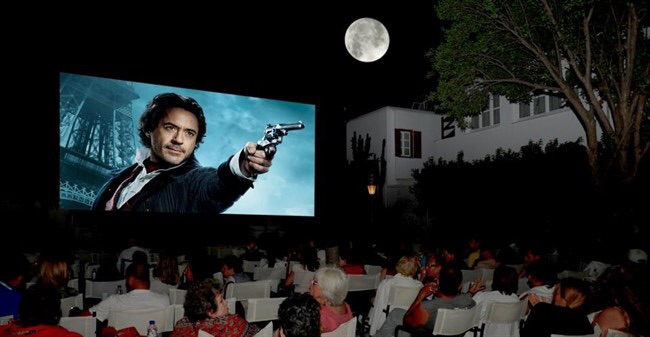
To kill time while waiting for the results of the European summit, we took ourselves off to our local open-air cinema. One of summer’s pleasures – watching a movie under the stars. Jasmine and bougainvillea climbing the walls, a bar selling popcorn, hotdogs and  nachos. Tickets €6.  Still an affordable evening out. The cinema was not full, but not empty either, with couples and families trying to forget their troubles for a couple of hours.

image

*

Back home to another episode of science fiction, or shall I say, the theater of the absurd?

Journalists on all TV channels were commenting on the fact that the Greek negotiating team had arrived at the meeting without a proposal. Our new Finance Minister, Mr. Tsakalotos, was inadvertently carrying handwritten notes in such a way they could be – and were – read by all. Then participants of the summit started emerging, all with long faces. They made statements saying how committed they were to finding a solution, but that it was going to be extremely difficult, that time was running out, and that the ball was in Greece’s court. Some openly said it was time Greece left the Euro, and maybe the Eurozone as well.

Next, our PM came out, all smiles, and declared proposals had been made for an equitable solution for us and our partners, promising social equality and economic growth. He implied all would be well by Sunday.

What to believe? Commentators were describing rescue talks as having collapsed yet again. Most were pessimistic about a positive outcome.

Is there some plan behind all this? I wish our politicians would come straight out and tell the Greek people what it is they’re expecting to achieve, what their proposals are, if they have a Plan B and how that would work out. My greatest fear is that, by the time they’ve sorted something out, it will be too little, too late. Every passing day, another bit of the Greek economy dies.

The day after

image

A quick roundup of today’s events:

Maverick finance minister Yanis Varoufakis resigns (to the relief of many in Europe). His place is taken by Euclid Tsakalotos, an Oxford-educated economist.

All party chiefs meet to prepare a ‘new’ proposal, which they will co-sign before submitting it for negotiation in Brussels.

The package under discussion is similar to the one proposed by Mr. Junker.[Statement from Washington: The referendum happened, and the situation remains the same.]
The question is: If we’re to go back to the same point we were at before the referendum, why was all this necessary, only with Greece now in a weaker position, with the previous program having expired, and a full-blown bank crisis going on?
Was it just a complicated piece of political maneuvering?

The government is trying to distil an air of optimism and presents an agreement as a foregone conclusion, to the contrary of the messages coming in from Europe, where the consensus seems to be dissatisfaction with the referendum result.
Tomorrow, the Eurogroup meets. Will the Greek team bring back an agreement? It appears difficult, and the terms will most probably be worse than before. And if they don’t succeed, what then?

“NO”

The country has voted: it’s a landslide for NO. No to more austerity, no to the disastrous economic policies of the Troika. It was also made clear that people are sick of the old political system, which bears a lot of responsibility for the situation in which we find ourselves. It is time for a real change. As I was writing this, the chief of the opposition, New Democracy leader Mr. Samaras, announced his resignation.

The European institutions have warned that this would be a step towards a Grexit.

The Greek PM however, has insisted that the NO vote would just be a show of support that would give him greater powers of negotiation and help him achieve a better deal. He has promised to deliver within 48 hours. Godspeed – I don’t think a single Greek, whatever they voted for, does not wish him well.

He is facing a mammoth task. The hard facts are the following:

The banks are shut, and likely to remain so for a while. Panic rumors are going around that there will be a haircut of deposits and that the contents of safe deposit boxes will be confiscated.

Most ATM machines are empty and the rest only give each person €50 instead of the €60 allowed since they have run out of €20 and €10 notes.

The tourist season is in ruins. Most Greeks cannot afford a holiday and there are multiple cancelations from abroad. Hotels will run out of supplies in ten days. Hospitals already lack basic necessities and medicines. Many small businesses will close because they need cash to function on a day to day basis. Their business will be taken over by multinationals who can afford to remain unpaid for a while. A lot of people will be laid off.

50% of children in the Athens region go to school without breakfast. More than 60% of young people are unemployed. Many thousands have committed suicide. A few hundred thousand have been obliged to emigrate.

And the elephant in the room: what will happen to the hundreds of destitute immigrants arriving on our shores every day? Who will feed them? Where will they go?

We hear the Italians are expressing solidarity. The Germans are intransigent: they think it’s time we went. These are the messages we’ve got so far.

It is my sincerest wish both sides will see their way forward to an agreement that will allow Greece to survive, recover and, in the future, thrive. The next few days and weeks are vital. It will be hard, but let’s hope the difficulties can be overcome. The alternative is a leap into the unknown.

cropped-image16.jpg

For the moment, I feel we are like jellyfish pushed around by the currents.

What next?

image

Well, tomorrow is D-Day. Or R for Referendum day. Today we are in limbo. I quickly note down a few observations.

The rift in the population between YES and NO has widened, although it is very unclear what each outcome will bring. This is extremely sad as well as very dangerous. The two sides are neck and neck at the moment, with a prevalence of NO.

Talk, which is what Greeks love best, is rife. Every politician, celebrity or otherwise ‘prominent’ Greek seems to be on television, declaring his convictions.

A theory is circulating that there is a strong drachma lobby, and that many people in high places (I heard some names but will not repeat since unverified), stand to make huge amounts of money if it goes through.

There is also fear of result tampering, since there is only one ballot, and people are being warned that they need to put a cross against their choice, not an X or a check, for the ballot to be valid.

Reports, also unverified, are going around that the banks will stay shut for a long time, that there will be food and petrol rationing, that people will get paid in government-issued coupons instead of money. Far-fetched though this scenario might seem, it’s not so improbable given that a change in currency cannot be instantaneous, especially when the coffers are empty.

Some of the things said on national television, by politicians, are so preposterous one has trouble believing one’s ears. No explanations are given by them about what awaits the public. No specific plan for the day after.

Friends from abroad call and email, worried about us.

Tourism has already taken a big hit.

Hospitals report a lack of basic necessities. But even as long as a month ago, an acquaintance went in for a routine operation and was asked to bring her own sheets and food.

And so on.

I firmly believe everyone’s entitled to their opinion, but personally I fail to see how a NO vote will strengthen the government’s bargaining power, how it is possible for them to promise, in so many words, that they will have a deal in 48 hours, and how people are not scared by the potential chaos if this fails.

Between Scylla and Charibdis

Sooner or later, everything refers back to ancient myth.

The Greek people today feel like Odysseus, forced to navigate between Scylla and Charibdis, two monsters guarding the straits of Messina. They were only an arrow’s throw from each other, so sailors found it almost impossible to escape them. image We have to vote in a referendum on Sunday.

Vote YES, and we face having to crawl back to our creditors, begging for a deal probably much worse than the one we had before. Greece will struggle along for years, unable to climb out of recession.

Vote NO, and we sail into unknown waters. Will we be forced out of the euro, maybe out of the EU? How will this exit be organized, and by whom? The way ahead is dark, and full of eddies and reefs.

What’s more, almost everything is still unclear.

This is what they’re saying:

The YES vote say they are voting for Europe.

The NO vote say they do not accept anymore to be threatened and blackmailed (by Europe).

The PM, Mr. Tsipras, says that a NO win does not mean Greece will leave Europe or even the euro, just that it will increase his bargaining power.

The President of the European Commission Mr. Junker disagrees, and, only this morning, warned Greece against a NO vote (which must have angered NO voters even more). He said: “If the Greeks vote NO, the Greek position is dramatically weakened.”

Mr. Varoufakis, the Greek Finance minister, said today a new deal was in the offing.

Mr. Junker denies this.

This morning SYRIZA Minister and chief negotiator Mr. Tsakalotos declared on a televised interview that the PM called the referendum because the deal offered “would never have been ratified by Parliament and would have brought down the government.”

As we speak, there are two demonstrations starting in Athens, one for YES and one for NO. People in their thousands are standing around, waving flags. Whatever happens, Mr. Tsipras cannot be proud that he’s managed to divide the Greek people. He cannot be proud of the scenes playing over and over on the television, of elderly people standing in line for hours, jostling and pushing, and in some cases in tears. image Odysseus managed in the end to escape both Scylla and Charibdis and survive. Let’s hope we can do the same.

A night at the opera

imageTo distract ourselves from evenings glued in front of the TV – practically every channel yesterday was showing either long lines of the elderly lining up (some since 4 a.m.) to collect their meager pensions, or politicians and journalists endlessly arguing – we opted for a night at the opera.

Salome, at the Karolos Koun Art Theatre, is a weird but skillfully choreographed and beautifully lit production, based on the oratorio San Giovanni Battista by Alessandro Stradella. The music was played by the baroque ensemble Latinitas Nostra.

The theater is not very big, but there was not a single empty seat. Others had had the same idea as us: life must go on, after all. We arrived to find groups of people clustered on the pavement, enjoying being out and about on a lovely summer evening. The talk around us was, of course, exclusively about the situation in Greece, but, once the opera started, we were transported into a different world.

The setting was a hammam in the orgiastic court of King Herod, and the large cast included a hideous and confused Herod in a fat suit, a stunning topless black dancer, a middle-aged angel in black wooden wings, and even an unsettling female dwarf. All the singers were excellent, but the luminous presence of soprano Myrsini Margariti gave the perfomance an added lift. The energy and grace she puts in her acting, as well as the soaring purity of her voice and the sheer joy she brings to her singing, made her the center point of almost every scene. Her versatility as an artist helped her inhabit a role which, as she confesses, is not exactly suited to her character.

The opera starts with some disquieting scenes, but the beauty of the music and the pace of the action carry the audience to the forceful finale. The cast was rewarded with sustained and enthusiastic applause.

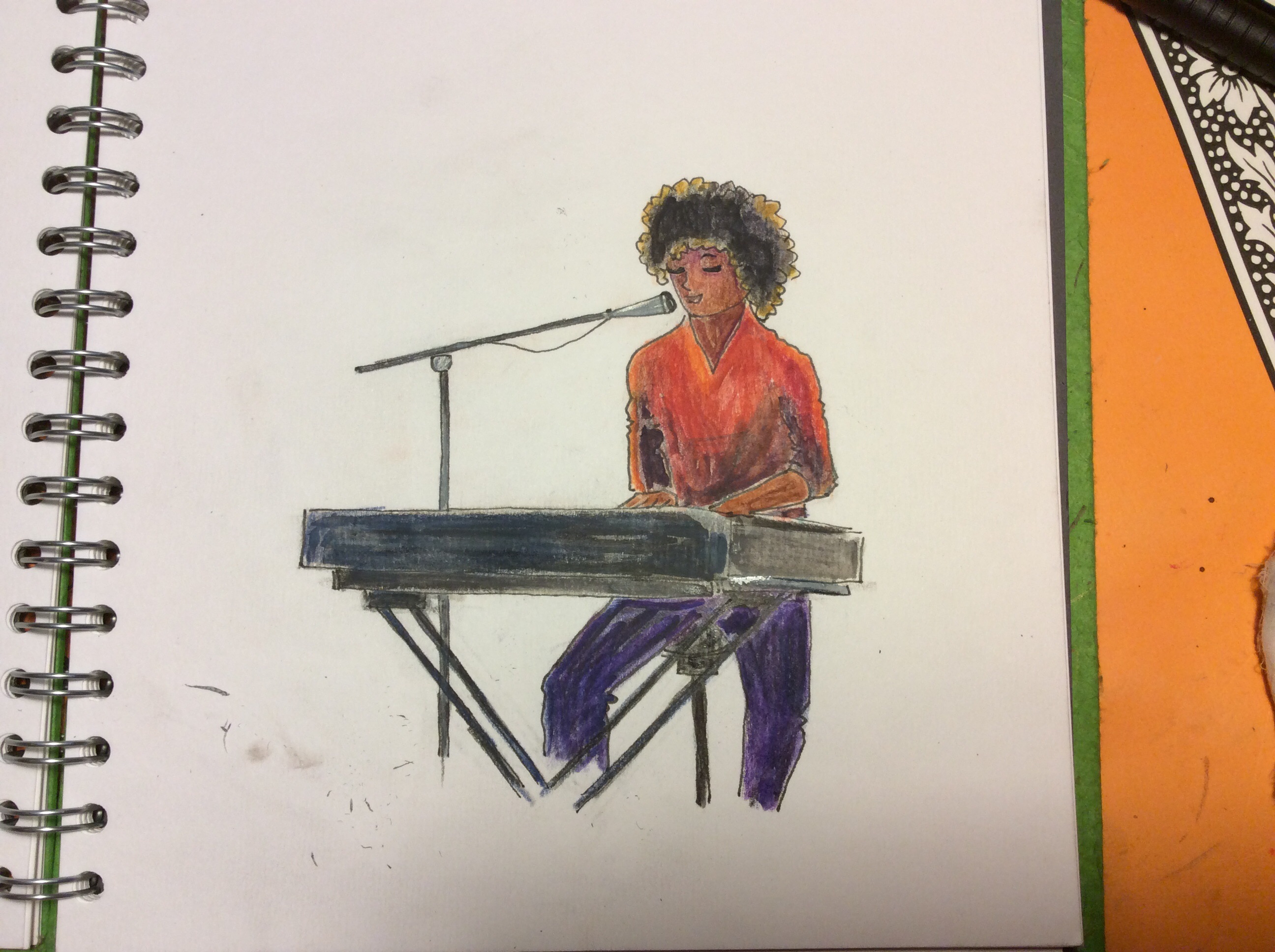
image


You can find out more about Myrsini Margariti on her site:  http://www.myrsinimargariti.com

Life on Mars

While waiting for more news, here’s a post from the blog of my friend Fergus, who is a Scottish musician and writer living and working in Athens. See what you think.


imageLIFE ON MARS

Published by: FergC on 27th Jun 2015
On the way home from this morning’s rehearsal, I noticed queues at every ATM. On the Tube I could overhear voices. Everyone was on mobile phones urging whoever they were calling to clear out their accounts. I got back at two and turned on the telly. Every channel had live coverage from the Greek Parliament. A referendum is being planned for 5th of July where the general public will be asked if they would accept the European Commission’s proposals for economic reforms. Now don’t get me wrong, I love Greece and I love the Greeks, but they have a tendancy to be unable to agree on almost anything – except maybe on whether the Elgin marbles were stolen or not. Yet another bitter quibbling match about who was to blame is still going on right now. Conflicting reports from leaks at the Commission about whether their proposal is still on the table or not makes the referendum seem impossible to impliment.
Yet another bizarre developement is the surfacing of a story that the E.C. was working on an unbelievably better deal for the Greeks at the exact moment the Greeks announced the referendum. I have never been ashamed to be european until now. Hastily typed documents with figures that no EU finance minister would have suggested and a date and time stamp (something that such documents are good at avoiding), started showing up after about six o’clock. That is after the next eurogroup.
At the moment announcements are being made faster than I can type, Scheuble, Disselblum, are now fumbling around trying to catch each others arse, along with Greece’s.
Every day here is an Oddysey into pure surrealism. Some say we live in interersting times. I say we live in terrifyingly unpredictable times.

Breaking News

Regarding the referendum he has declared for Sunday, late last night Greek PM Alexis Tsipras gave an interview on national television. He said the process of democracy should not be impeded and that Greeks had a right to vote on their future (Yes, we do.) Then he explained that a NO vote would give him greater bargaining powers and that our interlocutors had no choice but to find a solution because Greece, due to its history, geopolitical importance etc., could not possibly be kicked out of Europe.

He’s still expecting someone else to blink, then.

Not so sure….

Today, Mr. Tsipras left for Brussels with a new proposal, which seems already to have been rejected without discussion. The Germans have refused to discuss anything before the results of the referendum. However, by midnight, Greece will probably have been declared bankrupt. Everything’s on the boil.

One must realize that, historically, this is the first time since the war that a European country will be officially bankrupt. The elderly have been queuing all day outside closed banks trying to withdraw their pensions from ATM machines. Unbelievable scenes for our century.

It is by now obvious that the economic program foisted on Greece by the ‘troika’ (the European Commission, European Central Bank, and the IMF) has been abysmally disastrous. Of course, they have consistently refused to acknowledge this, or learn from their mistakes. Whatever the faults of the Greeks and their governments, surely they do not deserve this. Let him who casts the first stone, etc… Even the Germans were not left to rot after the war, and we haven’t exactly been going around killing people.

In spite of all this, people in their thousands have flooded into Syntagma Square in front of the House of Parliament, demonstrating for Europe. And the Euro. Whatever their political affiliation, these people are planning to vote YES on Sunday.

image

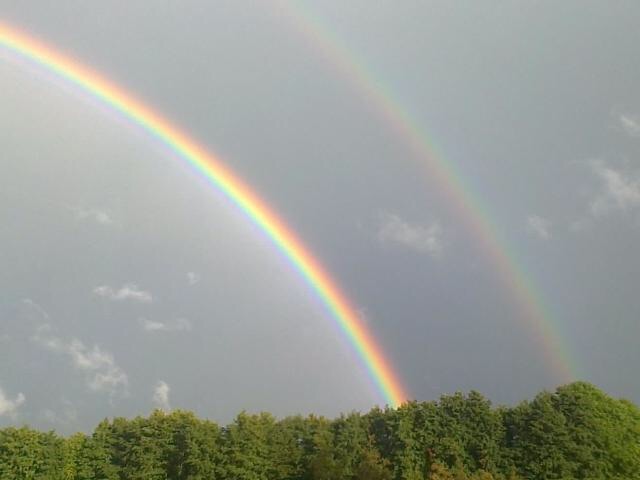
As you can see in the photograph, the sky is dark. As we speak, rain is pouring down. A sign from Zeus? But what does it all mean? Even the Oracle of Delphi, obscure at the best of times, could not make a prediction about what will happen now.


Time is running out…

image Time is running out for Greece.

Or perhaps it has run out already. Capital controls – measures to keep money in the financial system – have been imposed. As of today the banks are shut – and who knows for how long. We’ve been told we can only take out 60 euros per person per day. That is, if your local ATM still has any to distribute. People have been queuing up for hours, and tempers are running short. When interviewed by journalists, some are defiant, some are worried, some admit to being scared. Some blame the government, some blame ‘Europe’, most both. It’s clear that the whole affair has been grossly mismanaged on all sides. And everyone’s exhausted – by years of austerity, and uncertainty, and general misery.

As was to be expected, there are various conspiracy theories making the rounds. Some say Mr. Tsipras and his government are executing a scheme to lead Greece to a Chavez-style situation (possible??) others that ‘Europe has never wanted us and planned to get us out’ (hardly likely).

SO: what happens next? On a daily basis, we might need to preserve petrol – no driving to the beach – and, of course, no retail therapy possible. The supermarkets are full of people who have been stocking up on the basics.  Does this feel a bit like being in a war zone? Well, at least no bombs are raining on our heads yet – it still beats being in Syria, by a long shot. But… we are supposed to be in Europe, right? That’s what we’ve always voted for – safety, progress, civilization. But no, just as the rest of Europe is coming out of the crisis (we thought we also were – slowly – doing that, only a short while ago) we’re heading for years of poverty. One way or the other.

Having dismally failed in his negotiations, and being unable to fulfill the promises he made to voters, it seems to me the PM is now hedging his bets. He can’t deliver, so he’s declared a referendum: he’s asking the Greek people to choose – but it’s no choice really. The question put to us is a non-question: Do you accept the measures imposed on Greece by its creditors? – YES or NO.

Do we accept more austerity, or else – what? The alternative is not made clear by Mr. Tsipras or anyone else. No one knows what the repercussions will be. So, damned if you will, and damned if you won’t. If the people vote for the measures, the PM can sit back (figuratively speaking) and say, what are you complaining about, you asked me to sign the deal. If they vote against, he can say, well, you knew we have no money, you didn’t want me to sign, Europe’s not paying any more. Way to go, Mr. Tsipras!

Meanwhile, we have to decide – by Sunday – what to vote for. We have been told we are to vote ‘proudly’ for our children’s future. In fact we need to decide (proudly) whether we prefer to be waterboarded or flogged. Yes to the measures? Greece is on its knees already… Out of the Euro? Maybe it’s a solution, but do we trust the government to do the right thing? (Set up a new currency, stop corruption and tax evasion, boost productivity, etc.) Trust has been eroded already. This, and previous, governments, have gambled Greece’s future away.

However, the great idea of European unity and solidarity has also taken a big hit. A Grexit will be bad for everyone. We are not to be saved but we are not to be allowed to determine our fate as an independent country, either. What’s more, the proposal on the table is to be withdrawn before the results of the referendum. So we might be voting for nothing…

Everyone’s still playing chicken – but nobody’s blinking. Yet. Our finance minister, Mr. Varoufakis, still insists that we will stay in the euro. He does not quite explain how. Perhaps one needs to understand Game Theory, at which he is an expert (he does have his own blog, http://yanisvaroufakis.eu, which one can peruse in search of clues). Are we going towards a (very) bad deal – what can be described as  EXTEND AND PRETEND – or uncontrollable disaster? That seems to be the choice.

Meanwhile, instead of exclusively working towards a solution, our politicians are wasting time assigning blame to each other and quarreling, as is their habit, mostly over ridiculous issues that no one cares about. What to do? Go off to a café, for a bitter cup of consolation (καφές της παρηγοριάς / kafés tis parigorias)? Greeks are by nature optimistic. They always hope for the best and rely on the Virgin Mary to lend a hand when all else fails. They are survivors, as proven by the fact this ancient land still exists. Let’s see what happens. Watch this space.

On afterthought, I’m interested: what do you think will happen?