Wild thing is a life of the artist Paul Gaugin. Sue Prideaux does her subject proud—she is a sympathetic and judicious biographer who writes like a novelist and has researched her subject from different angles.
The biography contains information which was new to me. Gaugin had an extremely varied and interesting life, knowing both riches and poverty.
I will not reveal too much detail because it is a book well worth reading. But did you know that Gauguin:
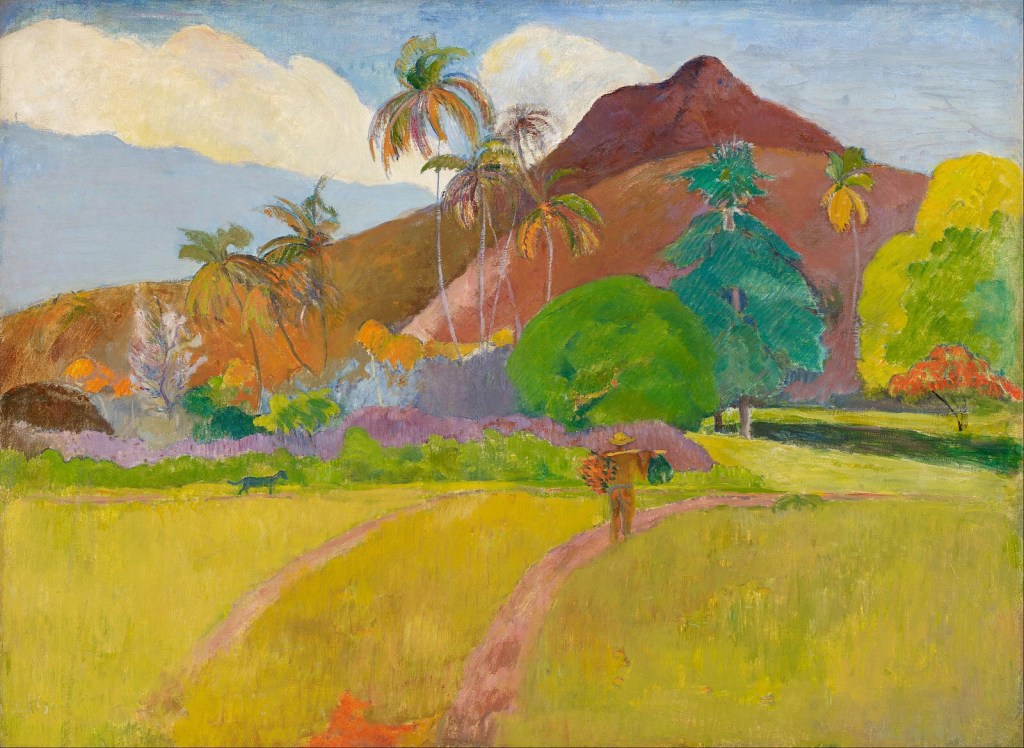
-Spent the first seven years of his life in Peru, which left indelible impressions of colour, heat and life in him? To my mind, this explains a lot about his palette and use of colour.
-That he then led a very bourgeois existence, working at the Bourse in Paris and becoming extremely wealthy? Even as he started painting and married, he lived luxuriously, spending without a thought for the future.
Then the Bourse failed in 1882 and for the rest of his life he was poor, living a hand to mouth existence, begging and borrowing from friends. He often did not have enough to eat.

-That he had a very complicated and close relationship with Vincent Van Gogh, which continued up to his death. Read the book to find out details of the famous ear-cutting episode.
-That Vincent’s brother, Theo Van Gogh, was Gauguin’s agent.
-That he was deeply affected by attending a public execution in Paris: the death by guillotine of a mysterious murderer.
-That he was greatly inspired by the colonial exhibits at the 1889 Exposition Universelle in Paris, where the Eiffel Tower, built for the celebration, soared heavenward, lit by electric light. Round its feet sprang recreations of the colonies and their treasures, from which he borrowed elements and incorporated them into his art. For this Camille Pissarro called him a bricoleur, a cobbler-together of second-hand ideas.
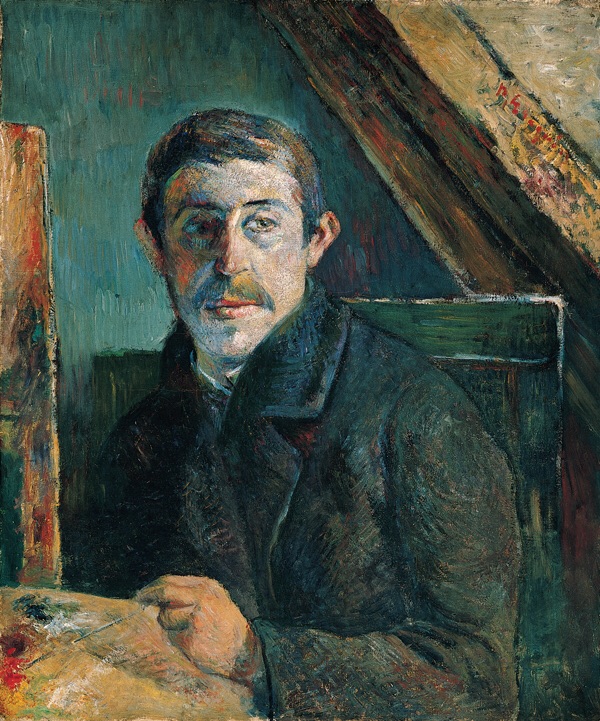
The book details his marriage and relationship to his children, and his friendships and dealings with prominent men of his world, such as André Gide, Pierre Loti, August Strindberg, Frederick Delius and others. One of his main supporters in hours of need was Edgar Degas. The biography is full of delicious anecdotes of this crowd of supremely talented men.
Finally we get an account of his latter years in Tahiti, where he ended up almost by chance. Gaugin’s life is one of the richest in the history of wester art, and Sue Prideaux does it full justice.

Highly recommended.





 Letters from Athens