Like every rabid bookworm in the land I too await the long list for the Booker Prize with anticipation each year. Not that I put much faith in prizes: in all creative things they are very subjective, and often the prize gets awarded to the book each person on the panel of judges dislikes least—just so they can all agree.

Also I cannot say that usually I read every book on the long list, or even on the short list—some do not appeal at all. Often some are books I have read before, such as Hilary Mantel’s Wolf Hall and Bring up the Bodies, which I adored. However, there are books I discovered because they were on the list, which I might not have picked otherwise—some I abandon half way through (I stopped long ago making myself read to the bitter end a book I dislike), some I love, such as Bernardine Evaristo’s Girl, Woman, Other.
This year the list looks tempting—it is varied and seems to contain meaty stories. I have read none of these books, and perhaps will not read them all, but I will certainly try some.
Here is the Booker’s dozen of thirteen novels, to tempt you:

-Colin Barrett, Wild Houses. A debut novel from a top Irish short story writer, it is a sort of crime tale set in small-town Ireland.
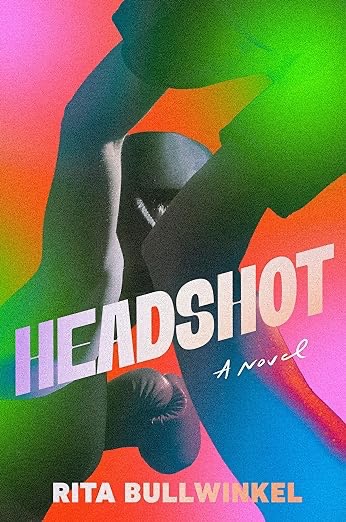
-Rita Bullwinkle’s Headshot follows the teenage girls taking part in a boxing tournament in Nevada. Spills and thrills, physical and mental combat.

-Percival Everett, James. One of the favourites to win, it retells the story of Jim, the runaway slave in Mark Twain’s Huckleberry Finn.

-Samantha Harvey’s Orbital is about six astronauts in an International Space Station.

-Rachel Kushner, Creation Lake. A freelance spy infiltrates a commune of eco-activists in France.
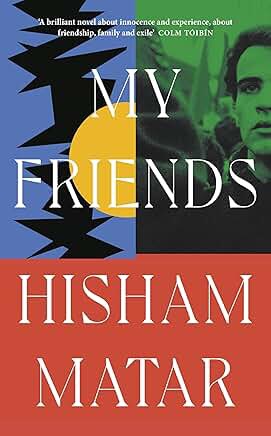
-Hisham Matar, My friends. The story of three Libyan dissidents exiled in Britain.

-Claire Messud, This Strange Eventful History. A Franco-Algerian family’s wandering through eight decades of war and peace.
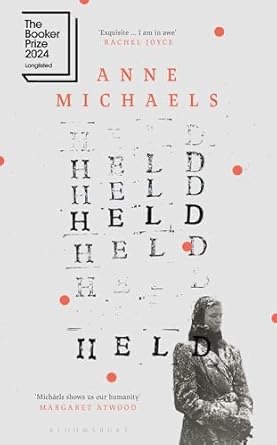
-Anne Michaels, Held. Short snapshots of various characters bedevilled by war and tyranny, it is the most experimental work on the list.

-Tommy Orange, Wandering Stars. It explores the consequences of a shooting at a Native American powwow.

-Sarah Perry, Enlightenment. A baroque story about group of Strict Baptists in 1990s Essex.
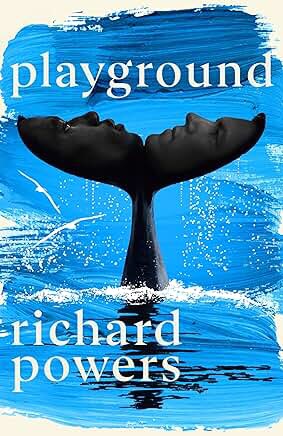
-Richard Powers, Playground. Floating cities threaten to overwhelm a Polynesian island already ravaged by mining.

-Yael van der Wouden, The Safekeep. A debut novel about a young woman falling in love with her brother’s girlfriend explores the callous treatment of the Jews returning to the Netherlands after the war.
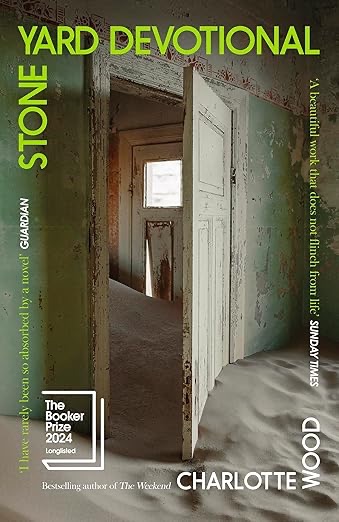
-Charlotte Wood, Stone Yard Devotional. A quiet Australian novel about a woman taking refuge among eccentric nuns at a Catholic retreat in the outback.
I consider it a list full of original, complex work, set in different cultures—there is something there for everybody. The authors are American, Irish, British, there is a Duch writer and a Native American—true diversity. And it is mostly free of household names. The chair of this year’s judges, artist and author Edmund de Waal, said : “These are not books ‘about issues’: they are works of fiction that inhabit ideas by making us care deeply about people and their predicaments.”
Enjoy.
Share this:


 Letters from Athens
Wolf Hall was also a great favourite of mine, and the TV series adaptation was very good too. There is certainly a variety on this list, and the main one I feel drawn to is ‘James’.
Best wishes, Pete.
LikeLike