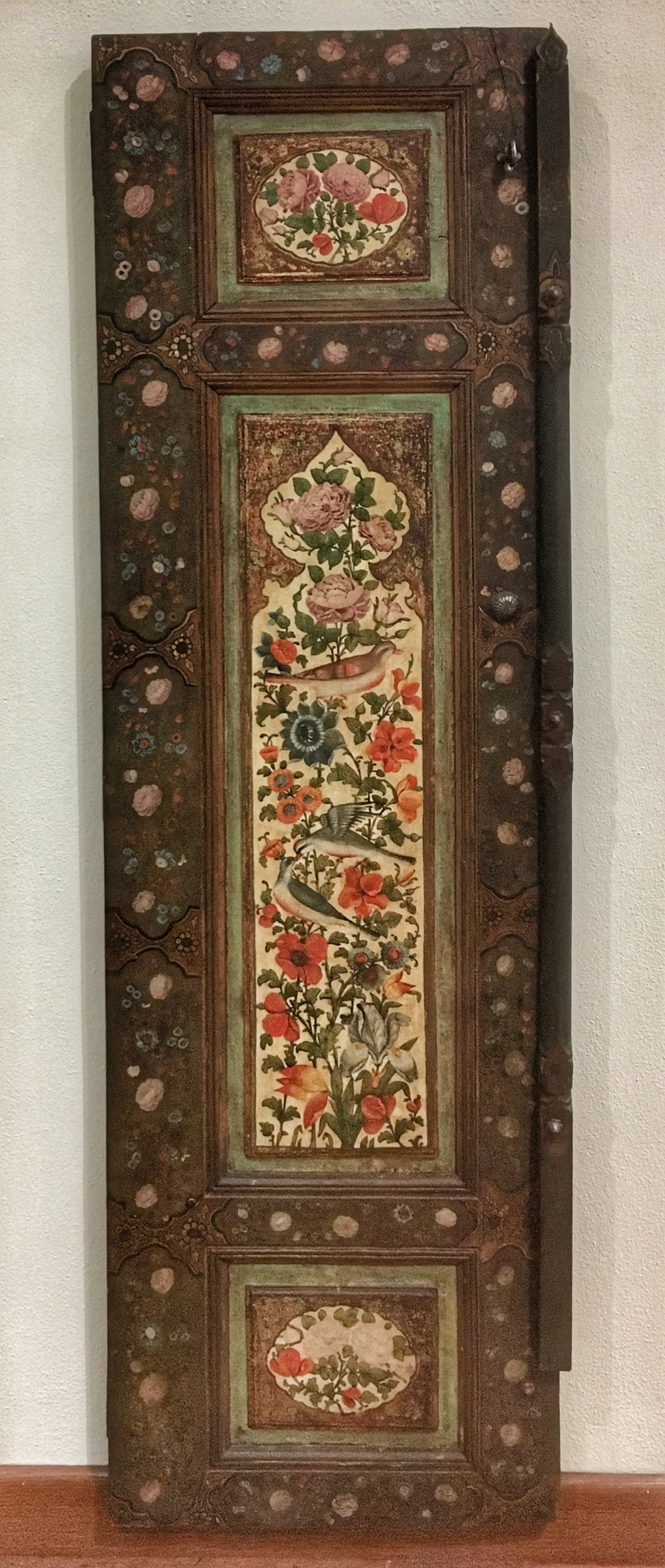
Over the recent holidays we were up North again, visiting Ioannina among other places in Epirus and Western Greece. In the Iç Kale – the inner fortress of the town – we were lucky to happen on a temporary where I spotted a lovely painted door panel.
The door panel – half of two panels that make up a double door – came from an old arkondiko (mansion) – probably dating to the late 18th or early 19th century.
I also spotted a later 19th-century door in the outer Kale, but don’t know if grafitti can be classed as “painted”. However – if you really stretch the point – it is a sort of unintentional decoration. The original white paint must have seemed like a pristine sheet of paper that just screamed out for doodles and scribbles.
Last September we came upon two modern painted doors in the Ioannina…
Yesterday we celebrated the Epiphany in Greece (new followers can read about it here), so it seemed like a good time to mention a wonderful discovery made at a church in the village of Tsivaras, 17 kilometers east of the town of Chania, in Crete.
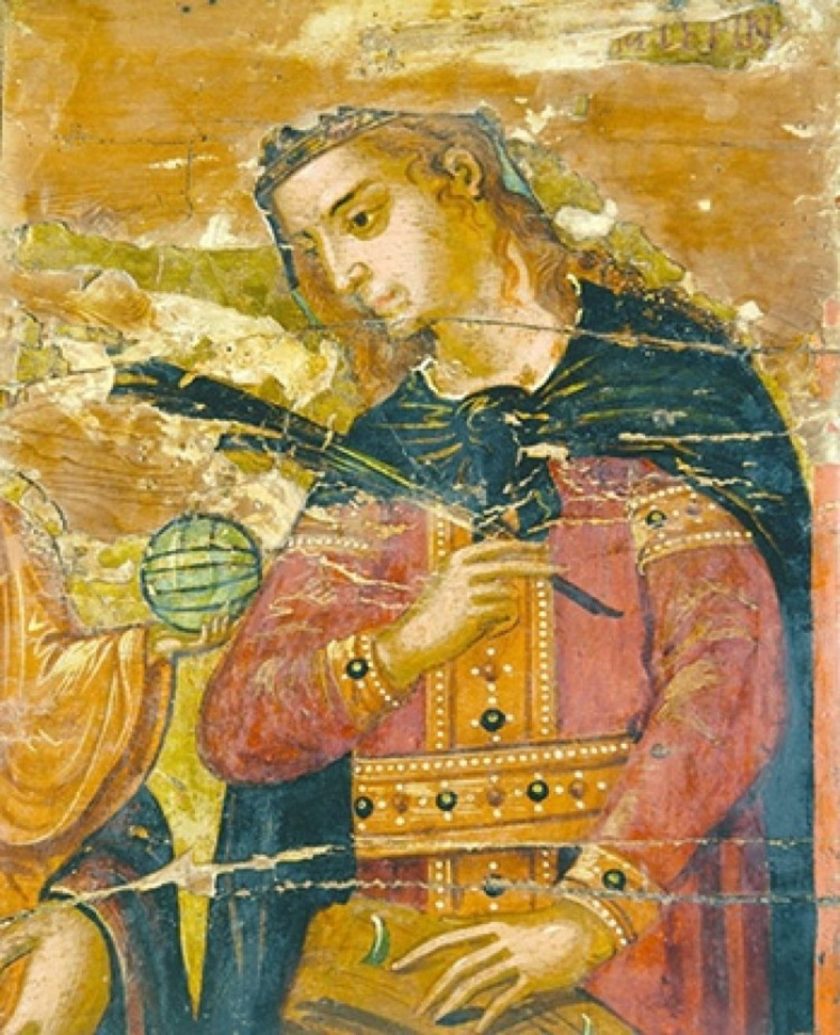
The finding concerns a religious icon, which is believed to be an early work of master painter El Greco.
El Greco, whose real name was Domenikos Theotokopoulos, was born on October 1, 1541 in Heraklion, Crete. However, the artist spent the bulk of his life in Italy and in Spain, where he created his best-known works.
Photo:Google
The finding was announced by Byzantine history expert MichalisAndrianakis at a recent archaeology conference. It concerns a double icon, of the Virgin and Saint Catherine, and Byzantine experts have been studying it for many years.
According to Andrianakis, “The icon was located at the apron of the temple of the church which was built in the 1880s. It was cut in half so it would fit on the temple and the bottom part where the signature of the artist would have been was discarded.”
He thinks that several elements in the icon are specific of the El Greco style, one of which are the pigments that were used.
Today marks the start not only of a new year, but of a new decade.
Traditional Greek Vasilopita, a cake cut every New Year in households and businesses around Greece
The last decade has been rocky, the new starts with a lot of huge challenges.
Fires are raging in Australia as we speak, and the decade has seen a lot of climatic disasters. Many have lost their homes and even their lives.
We are in the midst of the greatest movement of populations the world has ever witnessed. Wether we like it or not, we are, and will be, for many reasons, inundated with refugees and other migrants, and we must find humane ways of dealing with this issue.
There has been great economic upheaval, a lot of countries being hit with unprecedented crises.
One of the main reasons problems remain insoluble has been a lack of effective leadership worldwide. Petty squabbles, endless scandals, vote-grabbing concerns mean that the job does not get done. Too little, too late.
The biggest effect in our everyday lives has been the rapid advance in technology, enabling us to have access to all information (overwhelmingly so sometimes), to communicate easily and cheaply, to virtually be everywhere. This has its good and bad sides, like everything else, which I shall not bore you by enumerating.
Human nature, in my humble opinion, does not change. It is capable of the best, as of the worst. Violence, greed, atrocities, financial shenanigans, injustice. On the other hand, we have witnessed fantastic new inventions and discoveries, unimaginable progress in medicine and other sciences, great works of art and amazing cases of selflessness, humanity and downright heroism.
However big the challenges facing us, we must remember humankind has endured for a couple of hundred thousand years. It has faced up to challenges before. We must enter this new decade with optimism and a will to make changes for the better.
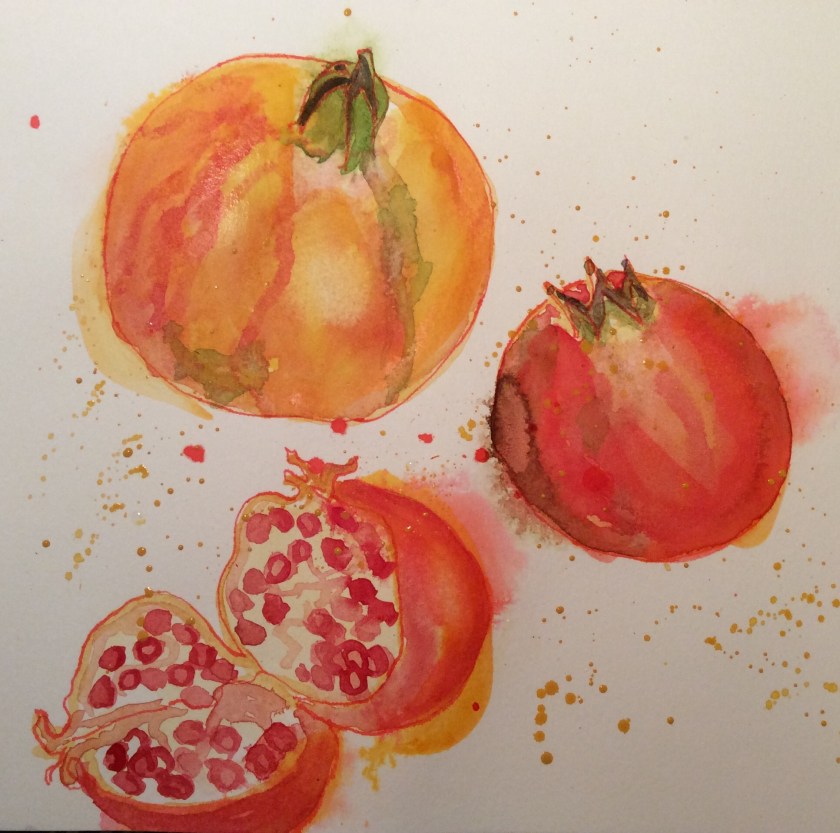
Smashing a pomegranate on your doorstep is another Greek custom that signifies good luck




 Letters from Athens