The Worst Journey in the World

In yet another ineffectual effort to put some order into my bookshelf I came upon one of my favourite books of all time, The Worst Journey in the World, by Apsley Cherry-Garrard (1886 -1959).

This is an account of Robert Falcon Scott’s ill-fated expedition to discover the South Pole in 1911, written by the youngest member of the team, who was just 24 at the time. A memoir, in a completely immersive style, by someone who had never written a book before, nor wrote another in his entire life.

I came upon the book by chance many years ago, browsing in the wonderful Heffers bookshop in Cambridge. Just the cover of the hardback, the shape and heft and compact size of the wonderful Picador Travel Classics edition and I was sold. I bought the thing as an object, but then I started reading it and became hooked on the subject and, most unlikely for me, Polar exploration in general.

The old-fashioned, unreal feel of the whole organisation, the details and lists of supplies and packing, the endless debates of dogs versus ponies versus men hauling the sleds. Why would anyone want to put themselves through such an ordeal, but in fact, many did. They vied to get on the expedition crew. They felt it was heroic and, being British, even more heroic to combine the race to the South Pole with scientific projects such as geologising, which meant carrying about bags of rock samples, as well as going on a winter trip in the middle of the endless dark of the Antarctic winter (the Worst Journey in the title) in order to collect Emperor penguin eggs from their impossible to reach breeding grounds. Cherry was one of three men who went on that little pleasure trip, and it is a miracle how they survived, especially since their tent was blown away in a storm one night.

Apsley Cherry-Garrard with frostbitten nose

In fact it was a miracle any of them survived, because they had miscalculated the supplies and equipment needed. Scott and his team of four all died, from scurvy and cold and hunger, having faced the most bitter of disappointments. They had lost the race—finally arriving at their destination to find the Norwegian flag already planted there. Because of course, Roald Amundsen had no interest in penguins or rocks. He and his team were highly skilled on skis and used dogs to pull the sleds and got there in a ruthlessly efficient manner, five weeks before Scott. They also had a better diet of fresh meat and so did not suffer from scurvy.

Both Amundsen and, more importantly, Scott’s wife, learned of his death more than a year later, which in our era of instant communications, seems weirdly shocking.

Photo from Wikipedia

There have been many books written on polar exploration, about the exploits of Amundsen and Shackleton and others. I have read quite a few and watched films, especially the 1985 seven-part series called The last place on Earth. I find it all quite fascinating, more so since it is something I would never dream of attempting myself. I think it amazing that still, especially now that there is nothing left to ‘discover’, there are people still doing it—such as Sir Rannulph Fiennes, who, amongst other expeditions, was the first person to visit both the North Pole and the South Pole by surface means and the first to completely cross Antartica on foot.

Be that as it may, the book is engrossing and will make you travel into a different world. What is particularly interesting is the minutiae of daily life and the relationships between the men facing such difficult conditions. Highly recommended.

Rediscovering Barbara Pym

Does anyone remember Barbara Pym?

I’d read her books years ago while still at school. I wonder why, since I was at Greek school and she could hardly have been on the curriculum. Probably browsing my mother’s bookshelves, where I was allowed a free run. At the time it was difficult to find foreign books in Athens and she was member of a book club – cloth-bound volumes arrived by post every month or so: Agatha Christie, Georgette Heyer, Ian Fleming, Neville Shute. I still have most of them. The thrill of it, the anticipation of receiving a new book, before the instant gratification of Amazon (I almost miss it—still prefer Amazon, though.)

But I digress. I recently came upon a BBC dramatisation of some of Pym’s books on Audible and downloaded it on impulse.

Very old-fashioned cover, isn’t it?

Barbara Pym wrote a series of social comedies in the 50s, but by the 70s her work was deemed too old-fashioned and was rejected by several publishers. Still, she kept writing, and forged a friendship with the poet Philip Larkin, who championed her work. When both he and the critic Lord David Cecil nominated her as the most underrated writer of the century, her career was revived. Her book Quartet in Autumn was nominated for the Booker Prize.

Pym was a shrewd observer of a certain type of English middle-class behaviour. Spinsters, bored housewives, academics and, in particular, vicars and curates, all came under her sharp and ironic scrutiny.

Of course I did not recall details of the books but I seemed to remember amusing and straightforward stories of village life and church goings-on. Via the dramatisation I am now discovering a narrative full of undertones, sexual innuendo and a delightful disregard for morality. Respectable wives go out to lunch with their friends’ husbands, spinsters plot to entrap men into marriage, older women meddle in everything. County housewives obsess over the new curate as they would today over the Kardashians. And all of it delivered in posh cut-glass accents you never hear any more because people are careful to disguise them even if they spent their childhood at Eton.

Probably this is not to everyone’s taste—I don’t think the young would appreciate it—and even for me there is no element of nostalgia, since it is set before my time. But it is an excellent production and I am deriving considerable amusement from listening in the car.

The Booker Prize Long List

Like every rabid bookworm in the land I too await the long list for the Booker Prize with anticipation each year. Not that I put much faith in prizes: in all creative things they are very subjective, and often the prize gets awarded to the book each person on the panel of judges dislikes least—just so they can all agree.

© Tom Pilston for Booker Prize Foundation

Also I cannot say that usually I read every book on the long list, or even on the short list—some do not appeal at all. Often some are books I have read before, such as Hilary Mantel’s Wolf Hall and Bring up the Bodies, which I adored. However, there are books I discovered because they were on the list, which I might not have picked otherwise—some I abandon half way through (I stopped long ago making myself read to the bitter end a book I dislike), some I love, such as Bernardine Evaristo’s Girl, Woman, Other.

This year the list looks tempting—it is varied and seems to contain meaty stories. I have read none of these books, and perhaps will not read them all, but I will certainly try some.

Here is the Booker’s dozen of thirteen novels, to tempt you:

-Colin Barrett, Wild Houses. A debut novel from a top Irish short story writer, it is a sort of crime tale set in small-town Ireland.

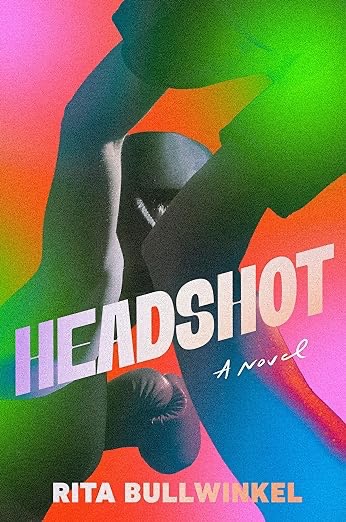
-Rita Bullwinkle’s Headshot follows the teenage girls taking part in a boxing tournament in Nevada. Spills and thrills, physical and mental combat.

-Percival Everett, James. One of the favourites to win, it retells the story of Jim, the runaway slave in Mark Twain’s Huckleberry Finn.

-Samantha Harvey’s Orbital is about six astronauts in an International Space Station.

-Rachel Kushner, Creation Lake. A freelance spy infiltrates a commune of eco-activists in France.

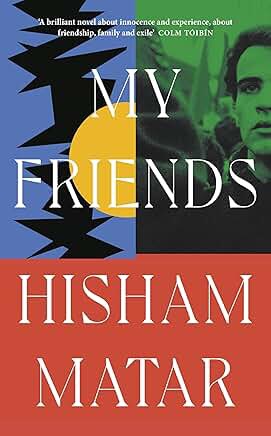
-Hisham Matar, My friends. The story of three Libyan dissidents exiled in Britain.

-Claire Messud, This Strange Eventful History. A Franco-Algerian family’s wandering through eight decades of war and peace.

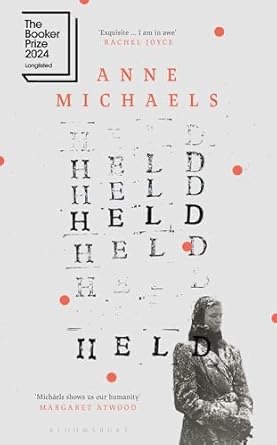
-Anne Michaels, Held. Short snapshots of various characters bedevilled by war and tyranny, it is the most experimental work on the list.

-Tommy Orange, Wandering Stars. It explores the consequences of a shooting at a Native American powwow.

-Sarah Perry, Enlightenment. A baroque story about group of Strict Baptists in 1990s Essex.

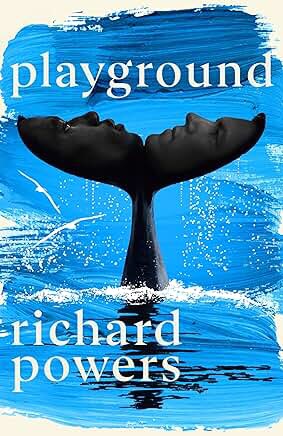
-Richard Powers, Playground. Floating cities threaten to overwhelm a Polynesian island already ravaged by mining.

-Yael van der Wouden, The Safekeep. A debut novel about a young woman falling in love with her brother’s girlfriend explores the callous treatment of the Jews returning to the Netherlands after the war.

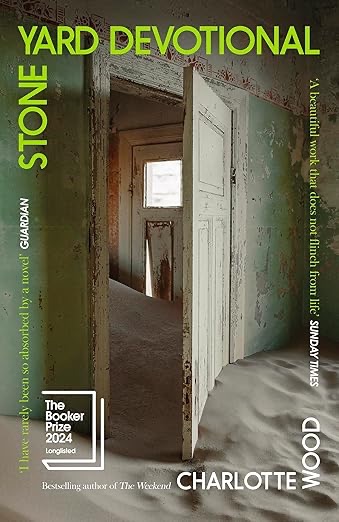
-Charlotte Wood, Stone Yard Devotional. A quiet Australian novel about a woman taking refuge among eccentric nuns at a Catholic retreat in the outback.

I consider it a list full of original, complex work, set in different cultures—there is something there for everybody. The authors are American, Irish, British, there is a Duch writer and a Native American—true diversity. And it is mostly free of household names. The chair of this year’s judges, artist and author Edmund de Waal, said : “These are not books ‘about issues’: they are works of fiction that inhabit ideas by making us care deeply about people and their predicaments.”

Enjoy.

A batch of novels set in Greece

Today we have a guest post written by a good friend of mine, Mark Stephenson. It is a review of his favorite novels with a Greek background. In fact, his love of the country has inspired him to set a large part of his own debut novel, a thriller called The Last Messenger, on the island of Crete. It is to be published later this year, so stay tuned. Meanwhile, you could visit his blog here.

Read on:

My favourite novels set in Greece

It’s over forty years since my first visit to Greece. The collapse of the military junta had only just occurred and tourism was nowhere near as sophisticated as it is now. Package tours were available to the larger islands of Corfu, Rhodes, Crete and Kos but if you wanted to find the real Greece your best bet was to fly into Athens and head down to Piraeus and hope for the best with a ferry. Island hopping in those days required plenty of time as ferry timetables, unlike now, were erratic. We didn’t have much time so took an old Russian-made hydrofoil to the Saronic islands of Poros, Hydra and Spetse which were just a short journey from the Athens port. I was desperate to go because I’d just read The Magus. My list is a personal one, in no particular order of preference. Please let us know if you recommend any other novels with a Greek setting which are not included here.

 

img_4452THE MAGUS by John Fowles

The Magus is set on the fictional island of Phraxos which the author admits is based on the island of Spetse. It is a book that is beguiling in many ways and is regarded as a classic (published in 1966). I read it in my twenties and it made a great impression on me. It is not for everyone, especially if you don’t like a story which often escapes from reality and can be misogynistic in tone. There are twists and turns and improbable story lines. It is a mystical journey on the human condition and the meaning of love. Perfect if you want to be submerged in the romance and spiritual presence of the Greek landscape.
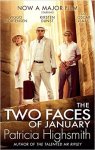
 

img_4450THE TWO FACES OF JANUARY by Patricia Highsmith

If you enjoyed the Ripley novels, you will enjoy this one which has a perfect command of its setting in Athens and Crete. This is a crime novel involving a war of wills between two American men in Greece who are both running away from something. Chester is a conman and Rydal, a young drifter, hanging around Athens seducing the tourists, is looking for adventure. Chester reminds Rydal of his father who he doesn’t get on with. Colette, Chester’s wife, is caught up in a menage a trois between the two men who become increasingly entwined when Chester’s life of deception catches up with him.
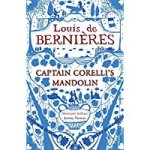
 

img_4451CAPTAIN CORELLI’S MANDOLIN by Louis De Bernieres

If you’ve seen the film starring Nicholas Gage and Penelope Cruz, you may have decided not to read the novel because you know the story. My advice is don’t be put off if you love reading because the emotions of the characters and the historical background of the story are so much better described in the novel. Set in Kefalonia, the early part of the novel is full of humour and the joys of life. The onset of the Second World War does not seem to affect this idyll even when the Italians occupy the island as Captain Corelli and his men prefer to play music and make love not war. The contrast at the end of the novel when the Germans arrive on the island is shocking and deeply moving.
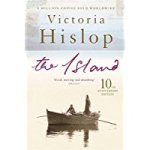
img_4447THE ISLAND by Victoria Hislop

Another fictional story built around historical fact. This time the story is set in Spinalonga, a leper colony off the coast of Crete. I’ve visited the island which is no longer occupied and I can understand why Victoria Hislop was inspired to write the story. You can still see the buildings where the lepers lived and gain a sense of their community even though they were afflicted by this terrible disease. This book is not a classic piece of writing but is an easy beach read which addresses a serious subject about how leprosy affected the lives of ordinary people.


img_4449ZORBA THE GREEK by Nikos Kazantzakis

This is a must read if you want to understand the spirit behind all that Greek dancing you’ve done on your holiday. Zorba’s personality encapsulates a love for the joys of life and to hell with the consequences. He is contrasted with the narrator who is Kazantzakis lacking the confidence to live dangerously. They have many adventures together and you are left with a feeling that living for the moment is not such a bad idea. If you like Kazantzakis then also read Report to Greco which is an autobiographical account of his travels through Greece.

img_4448OFFICERS AND GENTLEMEN by Evelyn Waugh

This book is the second in the so-called Sword of Honour trilogy. I’ve chosen this novel for its brilliant writing and humour. It finds its way into this list because it describes the evacuation of troops from Crete after the German invasion. Although about a third of the novel is set in Greece, the story’s main theme is about the chaos of war.

img_4446THE SONG OF ACHILLES by Madeline Miller

This retells the story of The Iliad in a sexy and exciting way. The love story between Achilles and Helen is one of the legends that we all know but few of us admit to reading Homer’s poem from beginning to end. This book makes the story much more accessible. When you visit Greece and see one of its many ancient monuments, it’s books like this that turn those pile of stones you are staring at into something much more evocative.

OTHER CRIME FICTION SET IN GREECE

There are several authors writing crime series set in Greece. Paul Johnston has Alexander Mavros who is a private investigator based in Athens. I’ve read The Silver Stain which tells the story of murder on the set of a movie being shot in Crete. Murder in Mykonos is the first book in the series by Jeffrey Siger. His protagonist is Andreas Kaldis, a former Athens detective. The story opens when a female tourist is discovered on a pile of bones under the floor of a remote mountain church. This starts a hunt for a ritualistic killer.
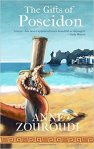
img_4445My favourite writer in this genre is Anne Zouroudi who writes stories involving her detective Hermes Dicktoros. What makes these books stand out for me is the way Anne writes about the landscape that is Greece. She has only just published the eighth in the series which I haven’t read so I’ll confine my comments to quoting some of the blurb on Amazon. “The Gifts of Poseidon is a hymn to Greece, to its beauty, its people and its food. Against this delectable back-drop, it is above all a compelling and dramatic story of the extraordinary sacrifices ordinary people will make to protect the ones they love. Anne Zouroudi writes beautifully – her books have all the sparkle and light of the island landscapes in which she sets them… Lovely, delicious prose and plot – as tasty as one of those irresistible honey-soaked Greek confections. Diaktoros is a delight.” (Alexander McCall Smith).


NOTE: I’ve read most of the books above, and will read the rest in the near future. Still, I’d like to add some more options to the list.


Eleni, by Nicholas Gage, is the gripping and often harrowing story of a mother determined to protect her children from the ravages of the Greek civil War at all costs and ultimately her own life. A true story (about Gage’s mother) and a must for any fan of Greek history.

The books of Mary Renault about Ancient Greece. Here is what Hilary Mantel has to say about them: “Mary Renault is a shining light to both historical novelists and their readers. She does not pretend the past is like the present, or that the people of ancient Greece were just like us. She shows us their strangeness; discerning, sure-footed, challenging our values, piquing our curiosity, she leads us through an alien landscape that moves and delights us.” I read them all as a teenager and this has made me want to re-read.

The Petros Markaris mysteries, which feature Inspector Costas Haritos and could be compared to the novels of Donna Leon, only set in Athens instead of Venice. They give a comprehensive image of modern Greece. 

I apologize for not putting in links to all the book but, frankly, I could not be bothered as it takes forever. They can all be found on Amazon.
Tsundoku

I recently came across the word Tsundoku which I find greatly amusing. According to Wikipedia:


“Tsundoku” (n.) is the condition of acquiring reading materials but letting them pile up in one’s home without reading them. “Tsundoku” originated as Japanese slang (積ん読) “tsun-doku”. 「積ん読」 came from 「積んでおく」 “tsunde-oku” (to pile things up ready for later and leave) and 「読書」 “dokusho” (reading books).


img_4382


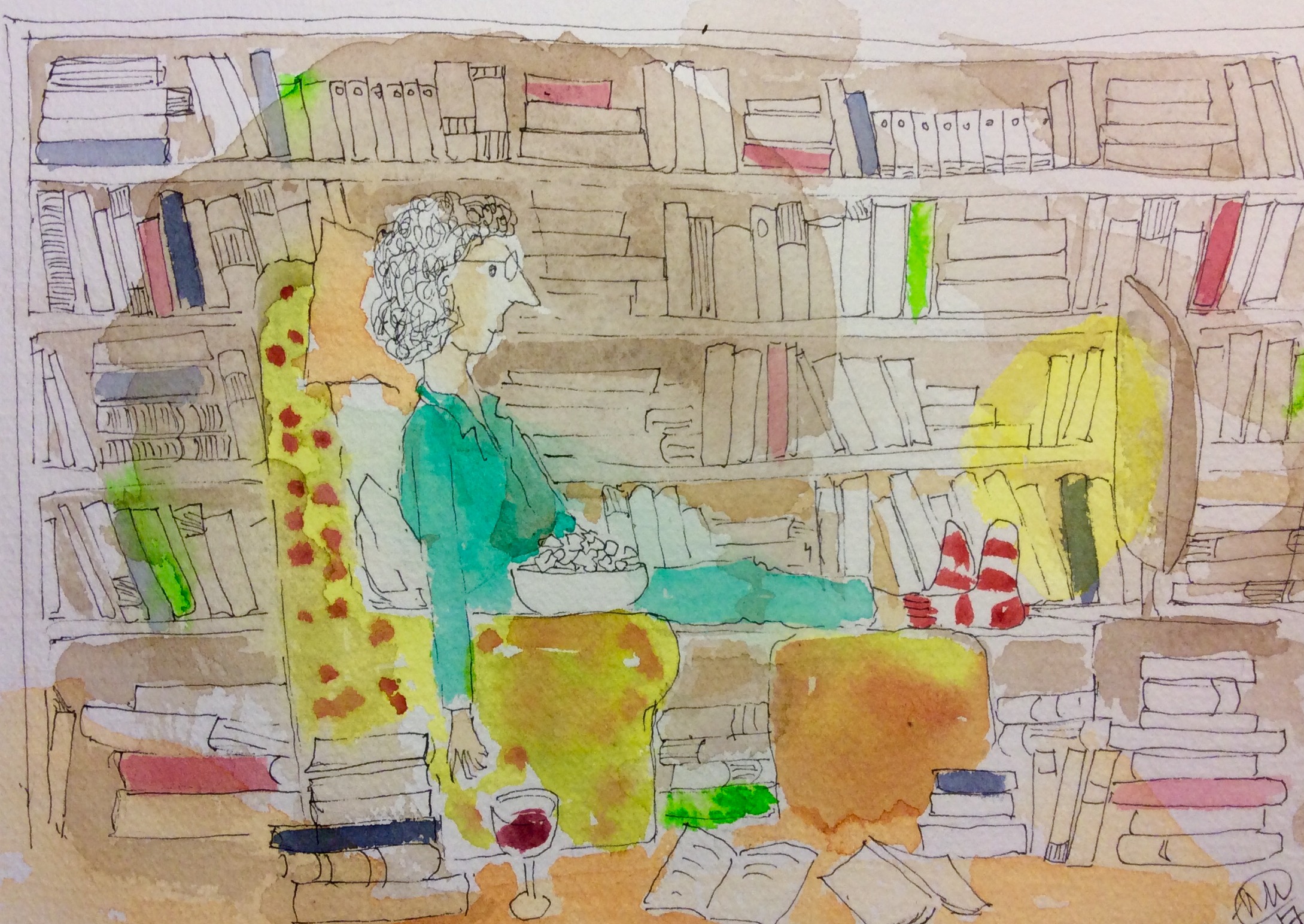
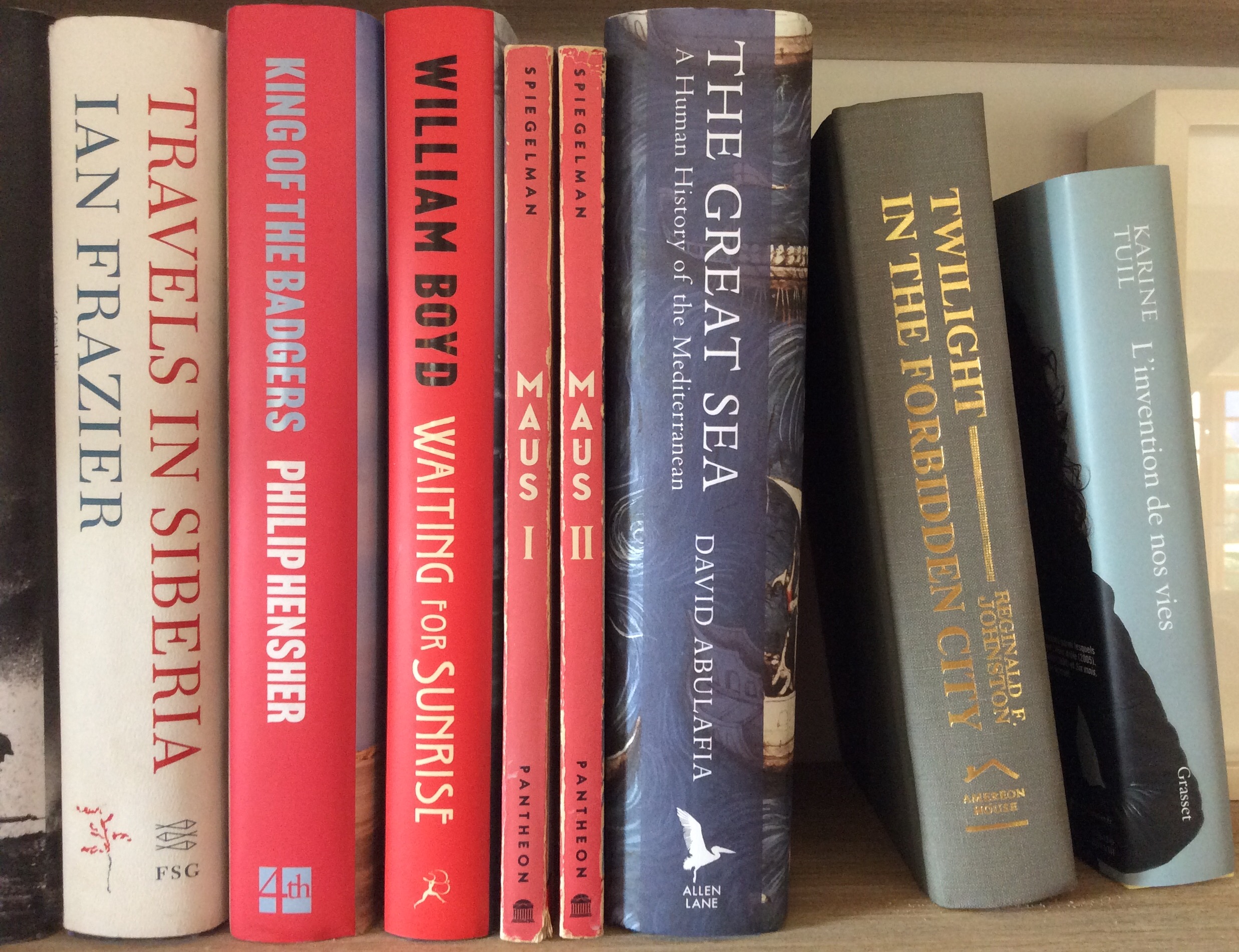
I’ve always been addicted to books, and like to be surrounded by piles of them, just in case I run out of – horrors – reading matter. And since the time when, on a trip, I finished my book and found myself with no access to a library or bookshop, I’ve also collected a number on Kindle. These are a safety measure, but lack the heft and presence of print.

In my defense, I do read them. I always have two or three on the go. But I will never get through my unread pile in my lifetime, especially since I occasionally like to re-read favorites. But have a clear out? Never!

As they say ‘So many books, so little time’ – or, ‘tsundoku‘!

A few of my favorite things

I felt so gloomy after writing my last post (to say nothing about reading the morning papers) that I decided to make a list of my favorite mood-enhancers. Here goes – not necessarily in order of preference.

A bowl of pomegranates. Smooth on the outside, crammed full of juicy bits.

image


Art supplies. Anything to get the hands dirty.

image


A stack of books. Some unread – and some old favorites.

image


A puppy. Need I say more?

image


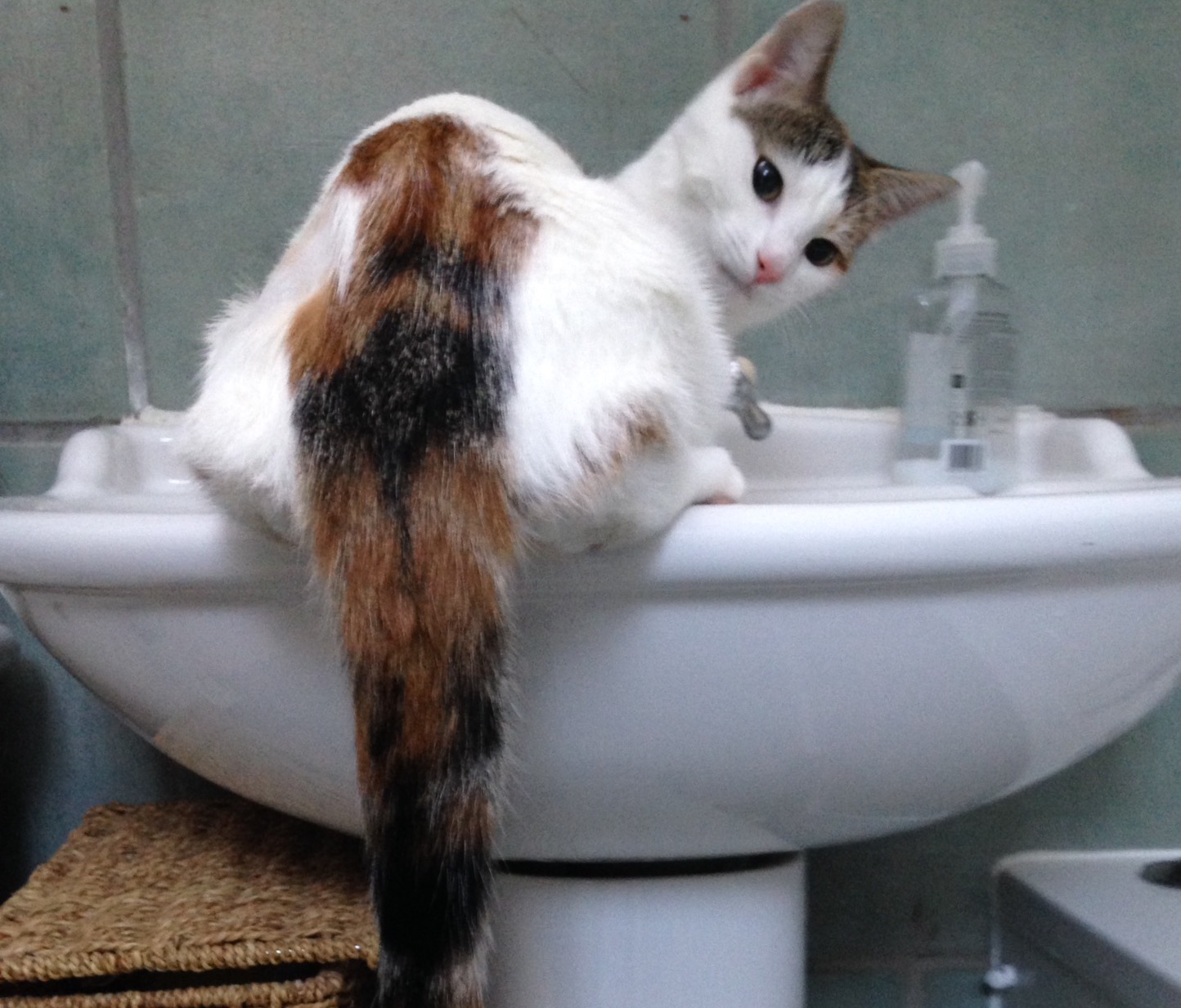
A cat, ignoring you.image


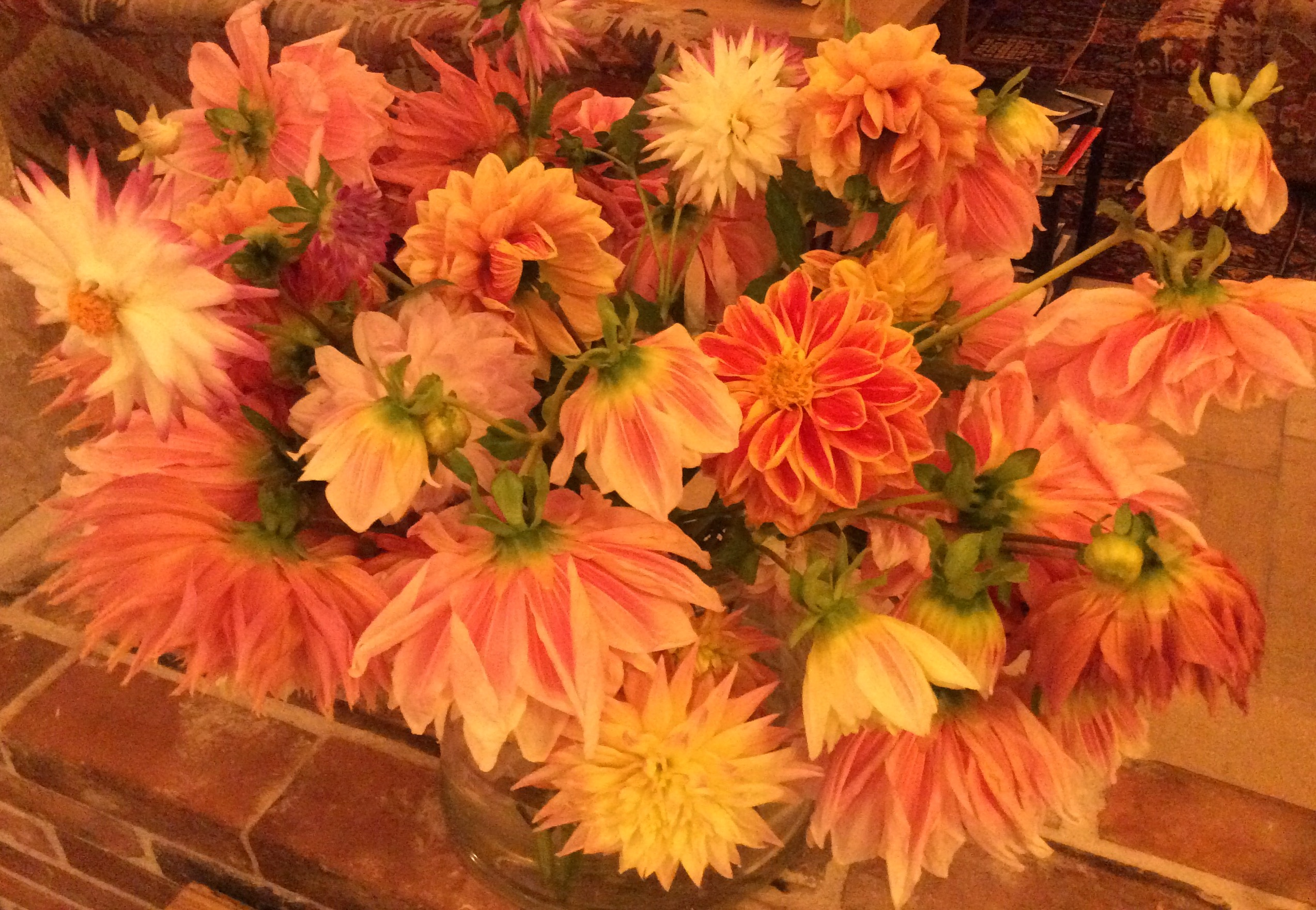
A bunch of flowers.

image


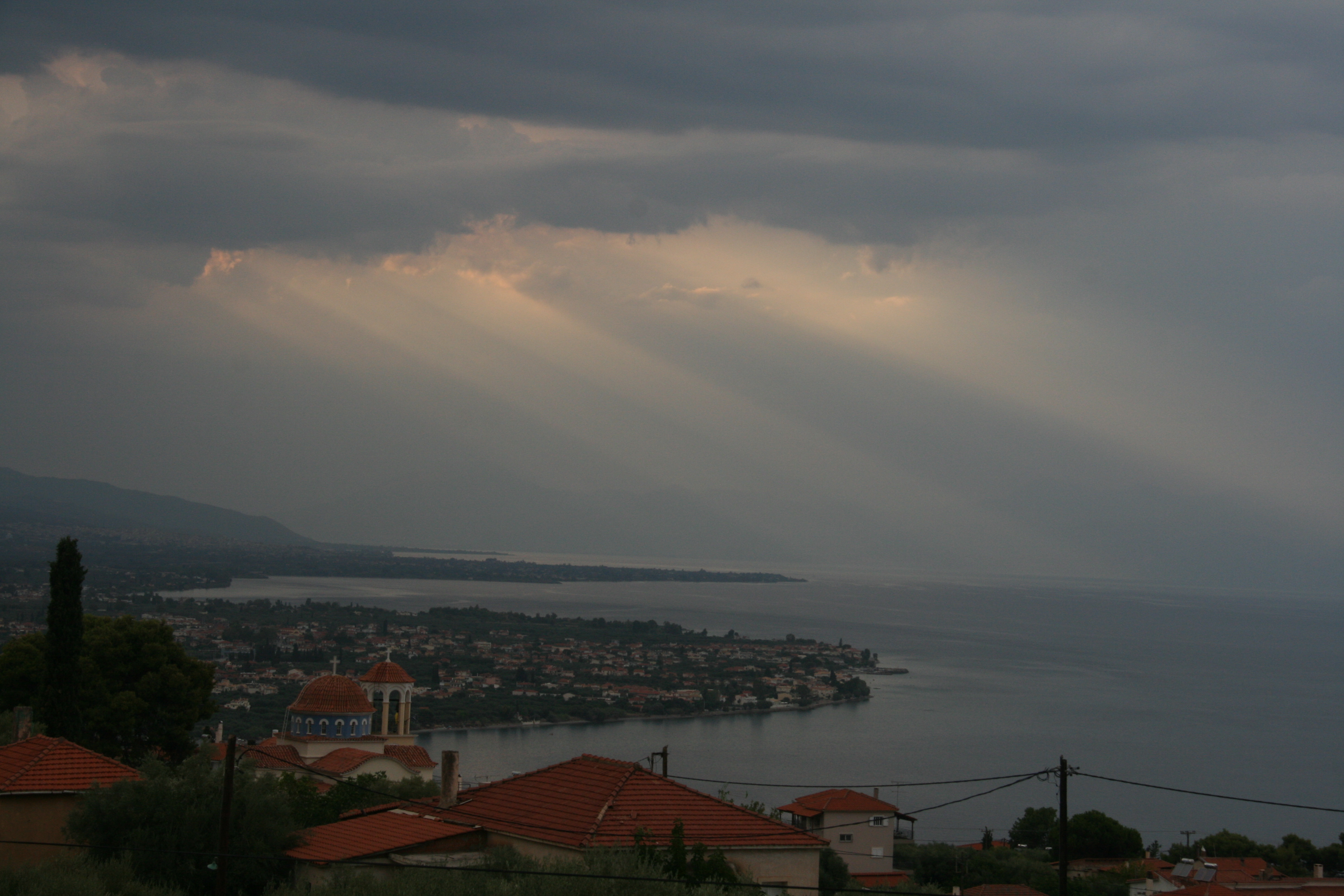
A ray of sunshine behind a cloud.

image


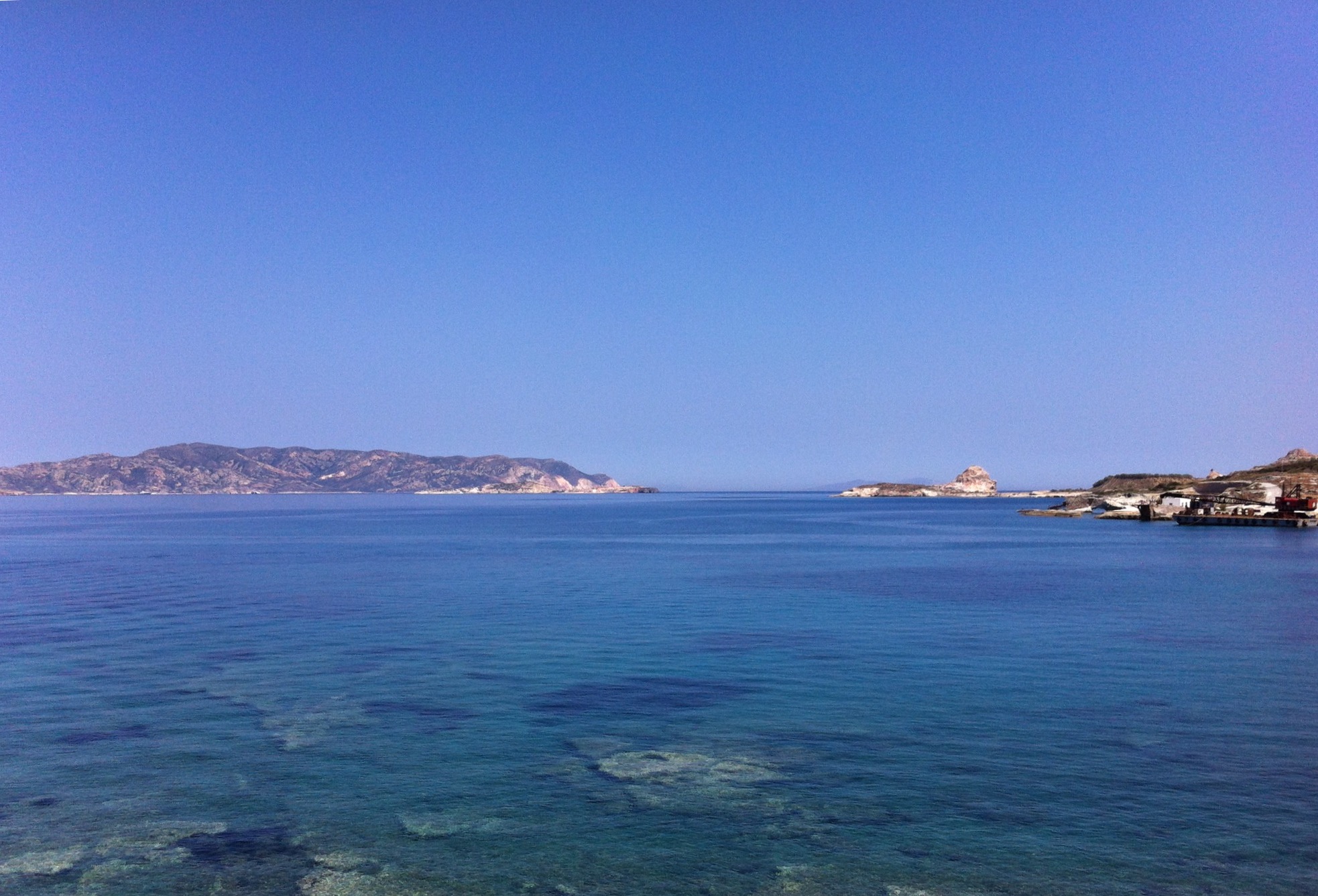
The sea.

image


Watching fish swim. Very soothing.

image


A sunset.image


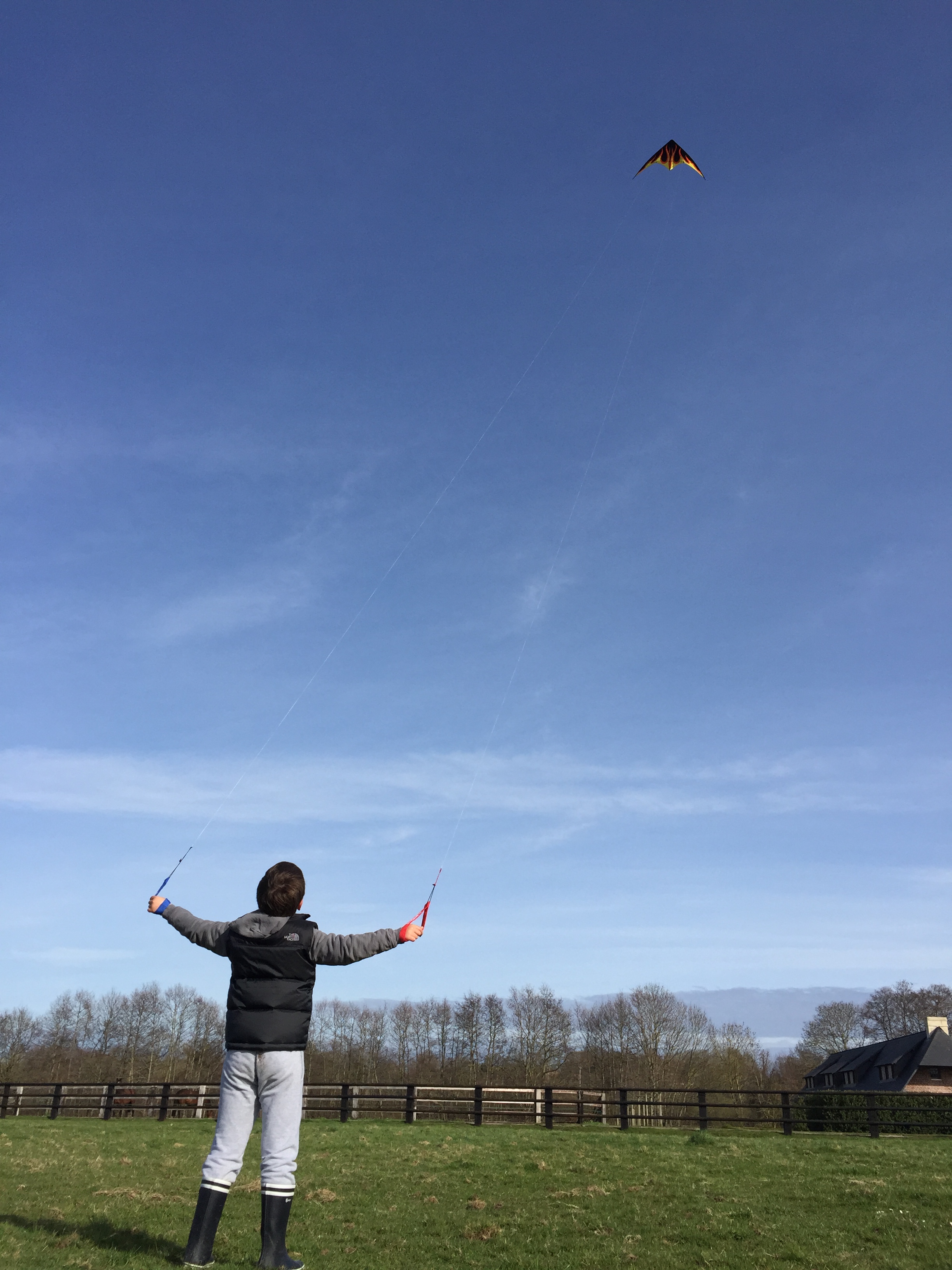
A soaring kite.

image


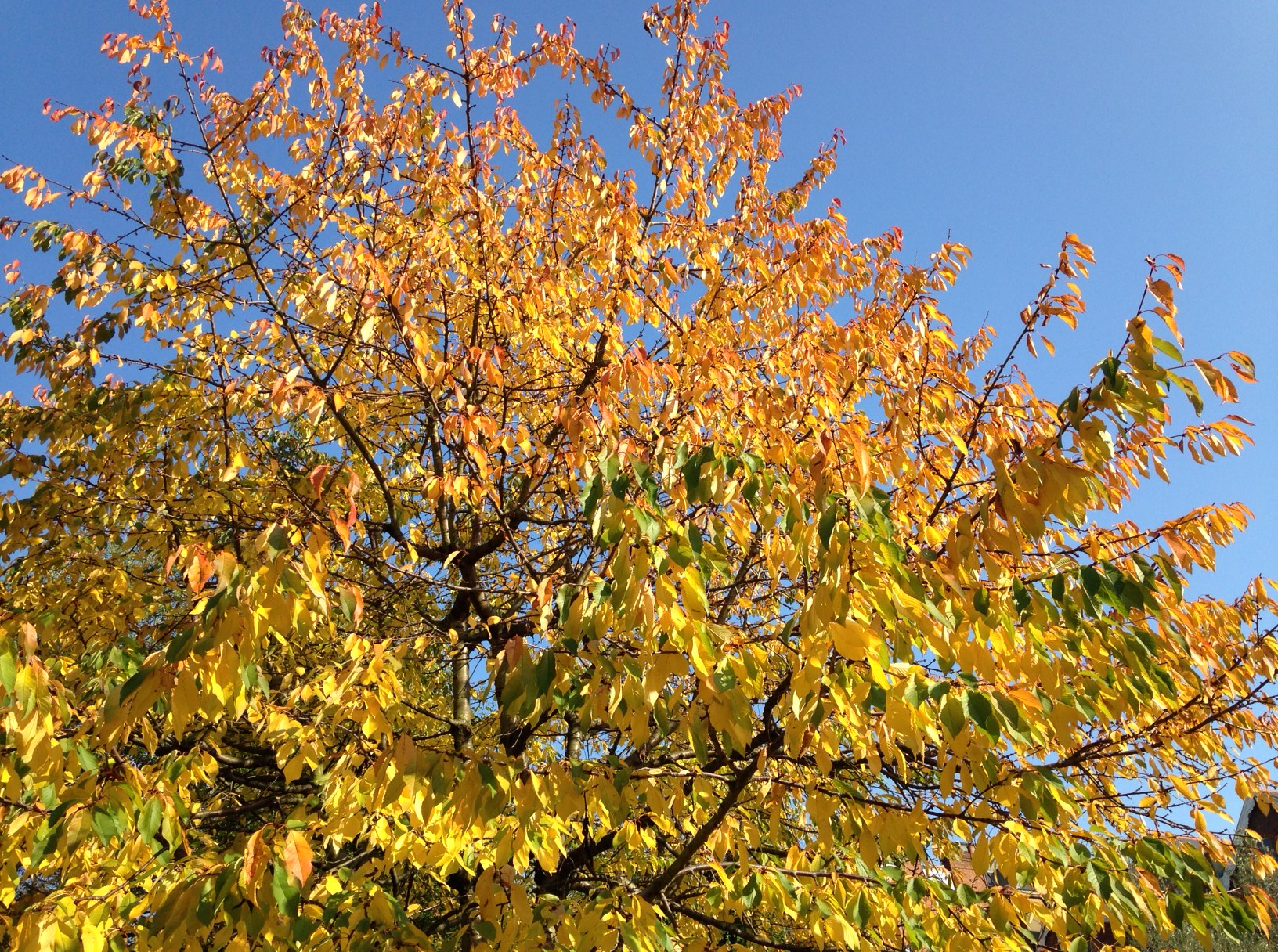
Autumn leaves.

image


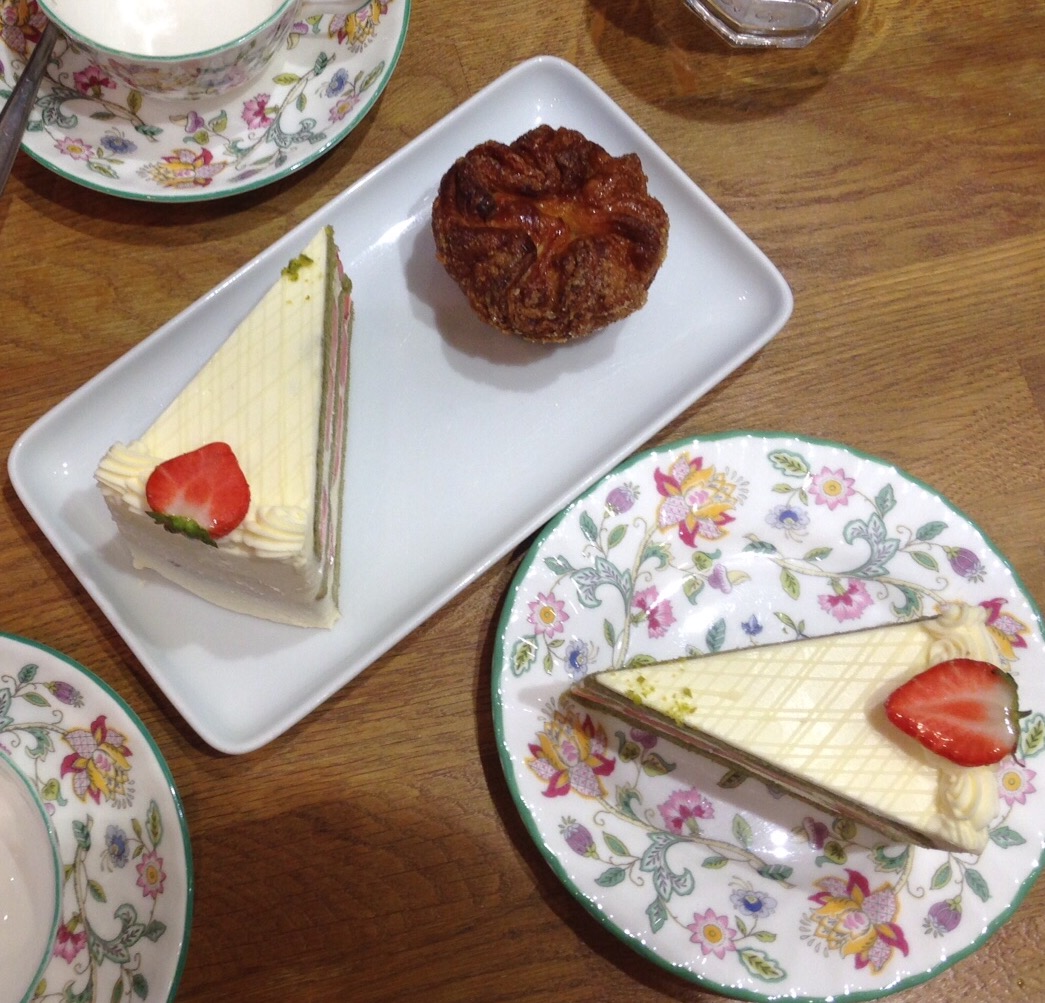
Cake!

image


Luckily, there are many more. Babies, rainbows, music, the smell of toast… Easy on the senses, easy on the brain. Feel any better?
 

Many thanks to Eleni Koryzi and Anna Koenig for providing some of the photos

Books and prizes

Amongst the usual spate of depressing news, some nuggets of positive information made the front pages of the daily papers:

Now that people have less disposable income to spend on small luxuries, a 9th Swapping Bookshelf has been inaugurated in Athens. The brainchild of two young architects, Lefteris Abatzis and Irini Emilia Ioannidou, these automatic lending and exchange libraries are freestanding structures made of steel and glass, where anyone can swap a book at all hours of day and night. There is no fee or subscription of any kind. At night they are lit up, and each can accommodate up to 350 books.
Usage is aided by a smartphone App – the swapping bookshelf – while updates and info can be found on http://www.vivliothiki.org.
The project was first presented at the international contemporary art platform Remap4 and at the 4th Athens Biennale. Its realization was made possible with the help of the Skrimitzeas construction company and artist Andonis Donef and has now been incorporated  into the central Public Library Organization of the City of Athens. Amazingly, the libraries, the first one of which was set up in 2012, have survived the usual vandalism of public property and are thriving. Who said the printed word is dead?

image

In another article, a team of four students from the University of
Thessaloniki traveled to Seattle to compete in the finals of the
Microsoft Imagine Cup, billed as ‘the world’s premier student technology competition.’ They faced more than 30 teams from all over the world, selected from tens of thousands of students.

The Greek team won the Ability Award, featuring innovative projects that are intended to help people living with disabilities. This award was inaugurated just this year by Imagine Cup to recognize the team that has best addressed this important topic.
They also got third place in the World Citizenship Competition where students show the world new ways to think and to change, by creating new technology projects in fields such as health, education, and the environment.
Their project:
PROGNOSIS, an intelligent ICT-based approach for the early detections of Parkinson’s Disease symptoms. The application will also allow prompt intervention in people’s everyday life, promoting active and healthy ageing. This is achieved through a set  of health self-managing tools, set within a collaborative care context with health professionals.

imageDimitris Iakovakis, Vassiliki Bika, Despina Efthimiadou and Konstandinos Mavrodis with their mentor Leondios Hadjileondiadis

And finally, in the realm of sport, the Greek team has won the EuroBasket 2015 Under-18 Championships

With Vassilis Charalambopoulos, Giorgos Papagiannis and Dionysis Skoulidas as its biggest stars, the team of coach Ilias Papatheodorou came from behind to beat Turkey in Sunday’s final at Volos, central Greece, where the tournament took place.

Making the most of home advantage after downing France in the quarterfinals and Lithuania in the semis, the team defeated Turkey 64-61.

This is another golden generation for Greek basketball, as the men’s team is eyeing a place on the podium in next month’s Eurobasket.

image

It is these, and many other, young people who are the future of Greece. We must make sure they do have a future here and are not obliged to seek it elsewhere.