On leaving home

I keep writing about the refugees and immigrants arriving in droves upon Greek shores, but there is also outgoing traffic. Many Greeks are leaving the country in the third major wave of emigration to be observed in the last 100 years.
In the 20th and 21st centuries alone, nearly two million (1.764.000) Greeks have moved away. Why? What makes someone leave behind everything they hold dear?

The two major causes are war and poverty. At the moment we are lucky not to be at war; but we are experiencing an unprecedented economic crisis, and more than 420.000 Greeks within the 15-64 age range have left since 2008. Here I would like to point out that we are talking about a population of only around 11 million, of whom one million are immigrants themselves.

In the last 100 years, there have been three instances of mass exodus, all connected with financial crisis expect for the late sixties, where the reasons were predominantly political (to do with the dictatorship of 1967-1974). In the first phase, circa 1903-1917, those who emigrated were largely uneducated men, peasants and workers, who found employment as servants and laborers, mostly in ‘transatlantic’ countries such as the USA, Australia, Canada, and Brazil. The second wave was chiefly made up of young people, unemployed or manual laborers, who found work as factory hands primarily in Germany and Belgium.


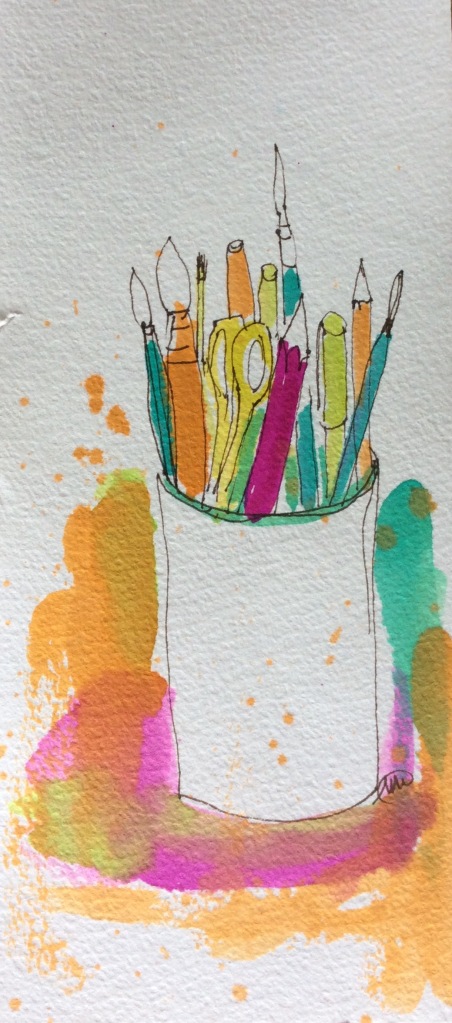
Cheerful sketch of the day by Leo
Cheerful drawing of the day, by Leo


The big difference is that today the people who are moving out are young, educated and experienced professionals. Specific countries appear to be absorbing specific types of professionals; for example, finance graduates have gone primarily to the U.K., medical graduates to Germany, computer science graduates to the United States, and engineers to the Middle East. So we are talking about a real brain drain, which is the last thing Greece needs at the moment.
This exodus is not surprising, considering nearly 1 million jobs have been lost in Greece over the last six years, according to an analysis by the Hellenic Statistical Authority.

A study made by Endeavor Greece, an international group that supports entrepreneurship, showed that a stunning 46% of Greeks living in the country are considering relocating.
This is a very disturbing statistic: at a time when the European Union wants Greece to try to pick itself up by its bootstraps and restructure its economy, the brainpower needed for this transformation is leaving.

What would make these people stay? A promise of a future, for one. Decent jobs, an environment where entrepreneurship is valued and promoted, a stable and reasonable tax system. As can be seen in my monthly Q&A, there are young people fighting to stay and make the best of things, but for how long?
What does the future hold? If nothing is done to reverse this trend, Greece could end up as a country where the indigenous population is a minority.


July Q&A – the Archaeologist

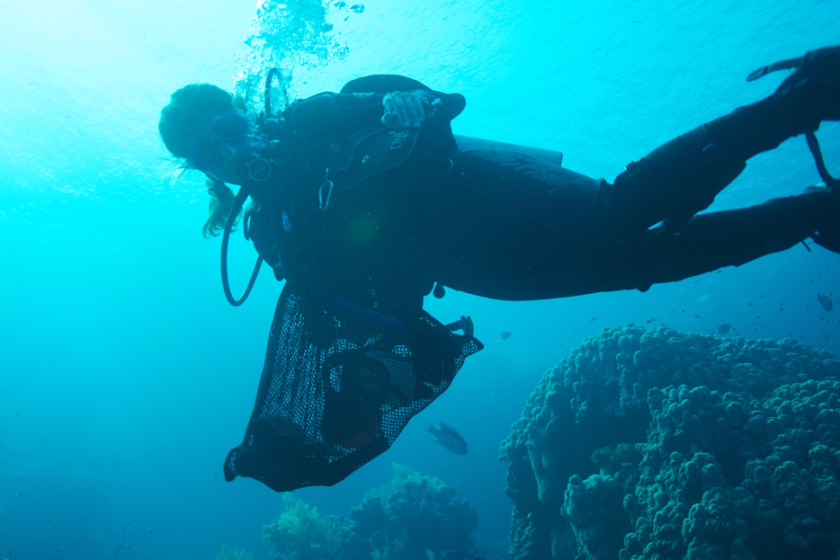
Chryssanthi Papadopoulou can conceivably be described as a sort of treasure hunter. Every summer, she dons scuba gear and explores archaeological sites at the bottom of the sea. Archaeology is a job uniquely suited to the Greek environment: wherever you excavate, you are likely to find something. During digging work for the Athens Metro, more than 50.000 findings came to light! Sounds like an ideal life?  As you will see, things are never that simple.


Tell us a little about yourself

My name is Chryssanthi and I am an archaeologist. I am from Athens, which is also where I currently live and work. I love my job; it is one of the things that keep me happy. I conduct fieldwork in the summer and research in the winter. Both aspects of the job are rewarding in different ways. For the last ten years I have been excavating underwater sites: primarily shipwrecks, but also sunken land structures. The break that the sea offers from reality is rewarding enough to get me through the winters – literally and metaphorically. Needless to say that Greece is an archaeological paradise.

What were the major difficulties you’ve faced in the last five years?

A little over five years ago, I returned to Greece after having spent 5 years living on and off in the UK. At the time it seemed like a good idea to “come home” – at least temporarily. It took me over 2 years to re-adjust to Greek reality. I still have not managed to fully come to terms with Greece. Nevertheless, I have gradually fitted in again. I often feel that I made a mistake returning “home”. This is a thought that I simply cannot shake off and in a sense, this doubt is an omnipresent difficulty for me these last 5 years.


image


Did anyone in particular inspire you or help you?

In Athens we have 17 foreign Schools of Archaeology. It was the foreign schools that have always been my haven; a buzzing international community of junior and senior scholars constantly on the move for the purposes of their field-projects and research. Being a member of this community reassures me that Greece too can be multicultural and that perhaps it is not such a bad place to live after all.

What are your hopes/plans for the future?

I have no long-term plans. I am still considering the possibility of going abroad. The UK continues to feel a lot like home and I miss it still.

What are your hopes for Greece? What changes do you hope to see happen?

I hope for the financial crisis to pass. I realize that this sounds naïve and oversimplified. Nevertheless, after everything that’s been said and done in the last six years, I no longer know how to make this sound factual and realistic. I am unclear as to what really needs to be done and even more unclear as to whose benefit this will be for. This is one of the worse predicaments that our governments have imposed on us: not knowing with any degree of certainty what to wish for any more… Saying that, what I hope to see are reason, factual explanations, tangible solutions, and (alas!) intelligent politicians.

Have you considered leaving? If so, where would you like to go, and why?

Yes, I admitted to considering this before. The UK continues to feel partly like home. In the case of a Brexit, though, I can no longer go there that easily.

If you have already decided to leave what would make you stay?

Intelligent ideas, solutions and individuals make me want to hang around. Provided that Greece chooses to invest in these, I am up for staying and helping out whichever way I can.

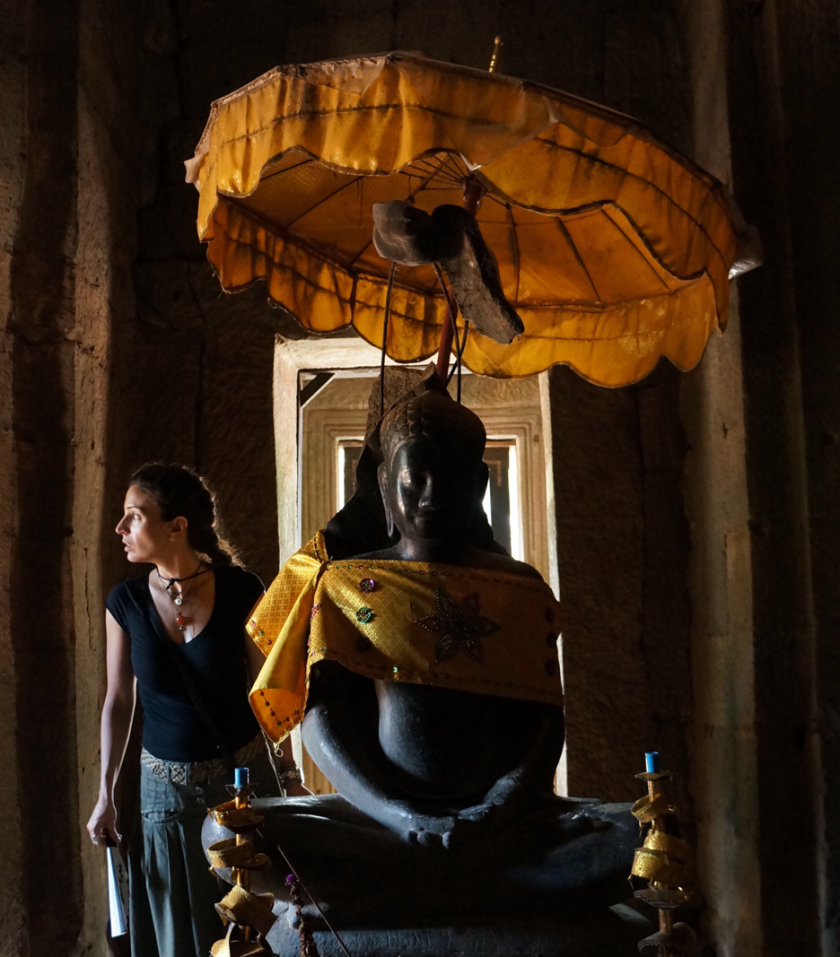
Angor Wat, Cambodia
Angkor Wat, Cambodia


Are you actively doing anything to help with the situation? Is there something you would like to do?

I have sunk into a state of passivity. I feel too numb to move. As a result, I am of very little help to anyone including myself. I suppose the one thing that I have never done is evade taxes. Consequently, in a way I am helping with the situation. What I need the most is to be able to see a way out of this. However long this way may be, as long as it is discernible, it is a viable destination. One can at least feel that one is heading towards something.

How do you see Greece in 5, 10 years?

This is way too difficult a question. Not even Pythia (the Oracle of Delphi) would have had an answer to this. In antiquity the manteis (seers) were commonly blind. Their sense of sight was the sacrifice they were forced to make in order to gain divine foresight. I find myself in the paradoxical situation where I have been stripped of my sense of sight without having been offered anything in exchange. I simply cannot see down the line.

How do you cope with obstacles and frustrations in your everyday life?

I do my best to keep frustrations and negativity away from the dinner table. We have our evening ritual at home when we cook something delicious and take a long time to dine (Italian-style). At the dinner table we share only the positive encounters and incidents of our day, and crack as many jokes as we can. Wine always helps.

What are the positive sides of living in Greece? Have you had any good experiences lately?

Summer is coming. This they have not managed to interfere with yet! Summer in Greece is one of the international stereotypes for fun. I make the most of it and it lifts my spirits.

A hailstorm of taxes

We had a deluge yesterday – unusual for this time of year, but extremely providential, as it helped control a huge forest fire. These are the bane of Greek summers, so the water, in spite of causing some damage, was appreciated.  At the same time – much less appreciated – we have a deluge of taxes pouring down on us: new taxes, as well as increases in old ones. More are expected (threatened?) in September.

There is a saying ‘Ουκ αν λάβοις παρά του μη έχοντος’ (you can’t take from him who does not have) – a little like ‘You cannot get blood from a stone’. It’s a mythological reference to Charon, who was the ferryman in Hades, carrying the souls of the deceased from one bank of the river Styx to the other. His fee was one obolus, and a coin was placed under the tongues of the dead, so that they would be able to pay him. But I digress. My point is that people are at the end of their tether – they have no more money.


image
Fact
: 20,000 businesses will close in the next six months – we are quite a small economy, and that is on top of the many thousands that have already closed since the crisis started. How come the eggheads in Brussels don’t understand that if they don’t restart the economy they’ll never get their money back? Our government doesn’t seem to get it, either.

Fact: A lot of taxpayers are getting advice from their accountants to close their books or else they’ll be forced to close up shop. This is especially true in the case of professionals and freelancers like physiotherapists, masseurs, dog trainers, hairdressers, small shop owners and the like. Many are being forced into the ‘black economy’.

Fact: the new laws that are meant to alleviate matters for the less well-off result in the following logistics:
Someone whose income is €30.000 but declares €10.000, receives child support and the right to send one child to daycare for free. His disposable income after tax is €26.657,9.
Someone whose income is €30.000 and declares €30.000, receives no child support and has to pay for daycare. His disposable income after tax is €13.543,4 i.e. half of the evader’s.

Fact: in spite of the increase in taxation, the total of taxes collected keeps decreasing. Does this have anything at all to do with the above?(duh…)

Those who, for reasons of honesty or because they can’t do otherwise, pay their taxes, end up also paying for the rest. At the same time, the state is happily robbing a good part of the population, by not paying what it owes them while refusing to offset what they owe with what they are owed.

Fact: A lot of Greeks cannot afford to go on holiday once again this year, as seen by hotel bookings. So it is left to foreign tourists to enjoy the island life…

PS. I made a cheerful drawing, since my subject matter is so depressing…

June Q&A – the Chemical Engineer

Nikos Tsourougiannis is the general manager of family-owned company CHROMICHIMIKI SA which operates in the field of dyeing and finishing of woven fabrics.

Tell us a little about yourself

After my studies in England (at the University of Surrey and the Imperial College of Science) and my military service, I started working in our family business, Chromochimiki SA. Our business is processing woven textiles – dyeing and finishing. My father worked in various dyeing and finishing mills as a chemist and general manager. In 1997, while I was still studying Chemical Engineering in England, we had the chance to open a small fabric dyeing plant; we started from literally nothing, with three production machines. Gradually, taking advantage of every opportunity afforded by the state (subsidies etc.), and by getting bank loans, of course with personal guarantees, we started adding machinery piece by piece.
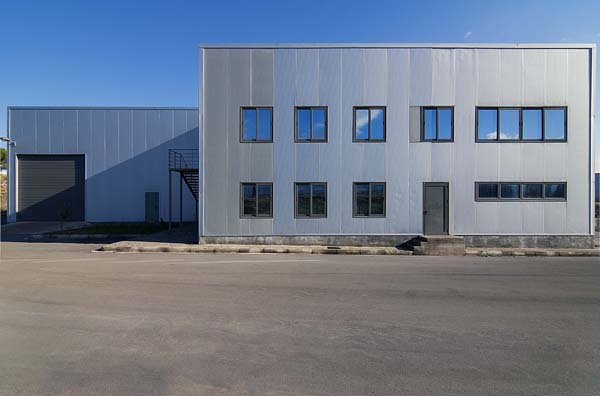
imageIn 2003, when the crisis had started and the financial environment was not at its best, we bought a piece of land and built our new plant, against reason as well as against everyone’s advice. On May 2nd 2005, production started in our new factory, with brand new machinery. We believed in ourselves, and in our work, and we have not regretted it, despite everything. Even in 2012, at the peak of the crisis, we continued to invest; we now have 30 employees, having started with 9. Of course, the psychological and financial cost was great, and the workload was massive; but even today we plan on taking advantage of opportunities offered and to continue investing. Apart from my father and myself, there is a strong team, and I would not like to take all the credit – the strength of our company does not lie in the machinery, but in the people running it. I really believe in the human factor; we are all cogs of one machine, and if we don’t take pride in our work, no success is possible.

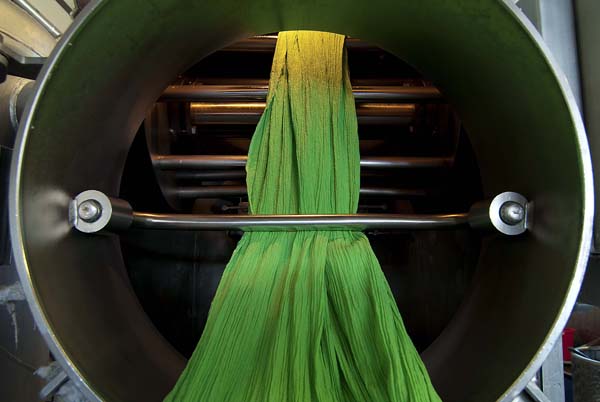
Our clients are either producers of textiles (weavers) or merchants who import from other countries. We treat the fabrics: we dye and finish them (we make them waterproof, oil repellent, flame retardant, etc.) When we started in 1997, our expertise was only in dyeing curtains. Later we expanded into upholstery, tablecloths, terry towels and fashion fabrics, for both men and women’s wear. We were forced into this – the processing cost is much higher, since we had to invest in different kinds of mechanical equipment, a large warehouse, higher labour cost – but business was diminishing, and we needed to keep up our market share.

In a way, this expansion has been beneficial. We are a small but flexible unit which gives us an advantage against foreign competition: for example, as regards dye houses from China – we might be more expensive, but our quality and response delivery times cannot be matched by them.

What were the major difficulties you’ve faced in the last five years?

Where can I start? Mainly the public sector – bureaucracy, delays, taxation, and, of course, the capital controls which make our daily life harder. Bank loans and the cooperation with the Greek banks makes business difficult; the cost of money is very high, social security contributions are crippling. You really have to be a masochist to run a company these days – well, maybe we are!
Another difficulty we have to face is unfair competition, such as imports without any quality control from countries like China, Pakistan and India. Also the monopoly in energy, which makes it very expensive; the cost of energy in Greece is probably the highest in Europe.
Lastly, because of the reduction in Greek production there are no raw materials (such as chemical dyes etc.) to be found locally – everything has to be imported. And now, because of the capital controls, this has become extremely hard.
 

image


Did anyone in particular inspire you or help you?

My father. He’s 78 and he still works. I’ve had so many valuable lessons from him – not only in business but life lessons. No studies or degrees can replace that. I was not an ideal student at school, so he always said to me, ‘I don’t care what you’ll become in life – but, whatever it is, even if it’s just collecting rubbish, you have to do it well.’ When I started working, he used to tell me, ‘Your must treat your work like a girlfriend.’ This ethic and values he gave to his family, we have passed on to the staff as well.
My father is the soul of the company – nothing would have been achieved without him. He’s there every day and when we are facing a problem we always ask for his advice. His experience is irreplaceable.
Another person who inspired me and taught me a lot is my first boss, Nikos Kouvaras. I was 14, and I worked in his factory in the summer. He gave me a card that said: “Niko, remember this – two things in life will never betray you, your family and your work.”

What are your hopes/plans for the future?

Difficult to define, but of course I do have hopes and ambitions. We always want to do more, expand, but it’s not easy.

What are your hopes for Greece? What changes do you hope to see happen?

In our sector there used to be around 250 dye houses in Greece. Now there are only 10 -15. Unfortunately, industry in Greece since the 80s has become a scapegoat and is discriminated against.
My view is that a country without industry, without production, is doomed. In Greece industry has been destroyed, and I want to believe that, in the end, it will make a comeback. Even Switzerland, despite high labor costs,  has industry. In my country we produce nothing – this has to change.
 

image


Have you considered leaving? If so, where would you like to go, and why?

In 2011 we came very close to stopping our production. Finally, we decided to take a big risk, and instead to invest, and it seems to have paid off: we almost doubled our turnover in these years. Leaving the country is the easy solution. I don’t know if circumstances will make us act differently in the future, but as long as we have the willingness and the courage, we’ll fight to stay in Greece.
Where would I choose to go? You’ll think it strange, and perhaps it’s not the best timing to say this, but I would choose North Africa – one of the countries on the Mediterranean. I know at the moment these countries are not politically stable, but, in the future, perhaps this will change. They’re close to Europe and have other advantages. But this is just a future thought.

Are you actively doing anything to help with the situation? Is there something you would like to do?

I believe just the fact that we keep this company going is no small feat. The easy solution would be to close the factory and move somewhere cheaper.

How do you see Greece in 5, 10 years?

Unfortunately, in this country you cannot predict. Eighteen months to a year ago we were literally about to ‘take off’: we’d been offered very big contracts and were ready to sign – but the developments in the political environment changed everything. So what can I say? It’s impossible to foresee what will happen in this country.
image
How do you cope with obstacles and frustrations in your everyday life?

As regards the professional side, there’s not much you can do but grit your teeth and have patience. Generally I believe in the saying: ‘Where there’s a will, there’s a way.’

What are the positive sides of living in Greece? Have you had any good experiences lately?

Greece is a country with unbelievable opportunities. First of all, the people, the workforce. Despite our faults, Greeks are really hard working, smart, friendly and full of willingness to give and share with other people. The weather, the climate in general and our location which is geopolitically strategic, gives this country and its people the chance to hope and dream for future generations.
A clean blanket and a bowl of spaghetti

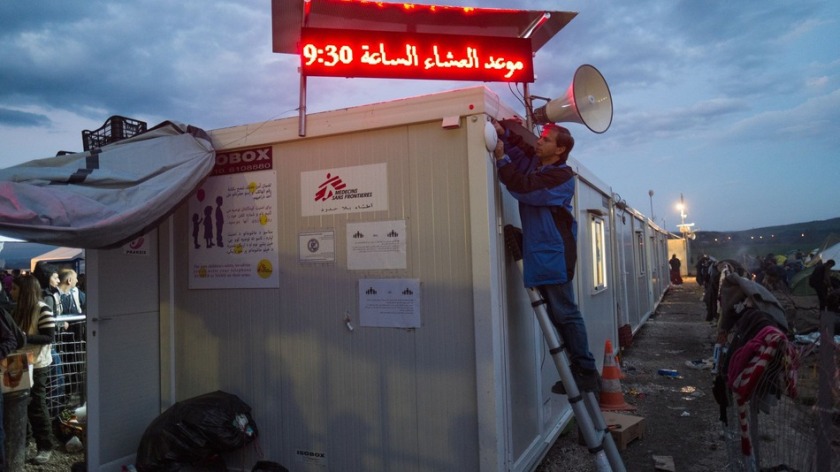
The borders are shut and tensions are running high in the refugee camps, as people become increasingly desperate about their future. A few days ago, in Souda on the island of Chios, refugees set fire to the rubbish skips as a protest. The fire spread and was only put out after a couple of hours by the fire brigade with the help of the police and the locals whose houses it threatened – but not before severely damaging two large tents used by NGOs and the UN High Comissioner for Refugees, some offices and a load of equipment. One of the firemen was injured.

In the sprawling border camp of Idomeni, in Northern Greece, police had to use tear gas to break up clashes between rival groups of rock-throwing Pakistani and Afghan migrants; incidents of violence along ethnic lines have become a daily reality. At Elliniko camp in Athens, hundreds of people, mostly Afghans, refused to eat because of the quality of the food and because of their belief that Syrians are receiving preferential treatment at their expense.
There are still nearly 60,000 refugees stranded in Greece, although the flow from Turkey has abated since the deal in March between Brussels and Ankara. However, it has not lessened as much as shifted – they have now gone back to trying to reach Italy from Libya, and hundreds have drowned in the Mediterranean in the last few weeks (this route is longer and more dangerous). In total there have been 10,000 deaths in the Mediterranean since January of 2014.


image


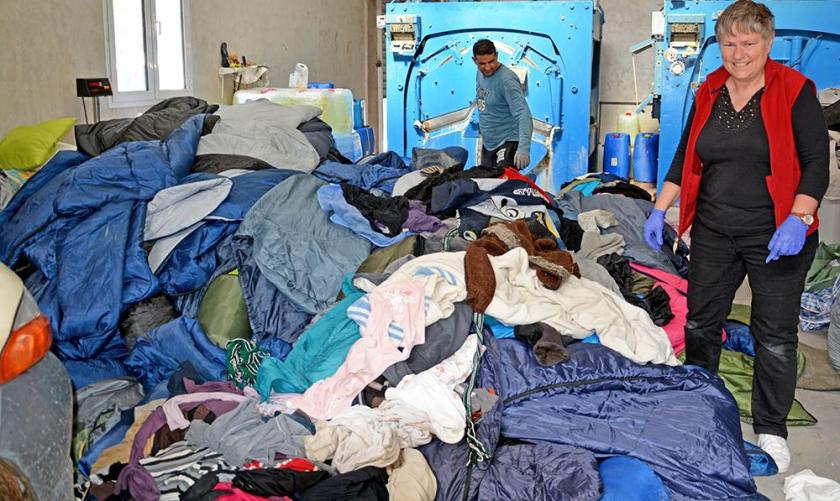
Meanwhile, tireless and feisty volunteers are continuing to give their all to help their fellow man. The Dirty Girls of Lesvos (see previous post, here) have saved more than 10,000 blankets from ending up in a landfill. Hearing the Idomeni camp was to be emptied, they came over and collected around 15 tons of bedding, to clean and re-distribute to other camps. Alison Terry-Evans says: ‘A clean blanket is a small way for people to have a little dignity in an underserved situation.’
Other volunteers are bringing water to camps where there is none; some deal with vulnerable groups; some with cleanliness; some with training and education of the refugees. Some set up WiFi in the camps (like Ilias Papadopoulos or Ben Ridge) or lay wooden floors in the tents, paid for out their own pocket.

Take a look at the video below, and you will see why Iokasti Nikolaidi spent three months cooking, together with up to 15 of her friends, on the island of Samos. Her husband, a fireman, was upset with the deaths he was witnessing. Iokasti was on maternity leave, having just given birth to her fourth child, and had not been out and about. When she went with him to see the hundreds of desperate, dispossessed, exhausted people, and especially the crying kids, she wanted to help. ‘Why don’t you cook something?’ said her husband.

Iokasti called her friends; they started with 30 portions, and slowly built up, with the help of other women, to their record – 4,380 portions one day! Spurred on by a photo of her holding a sick baby – she was initially angry with the photographer for taking it – volunteers from England and the rest of Europe came to help, and people sent money and supplies. Her worst nightmare: when the food finished, and the last people in the endless lines got none, after having waited for hours. This was her last thought when falling into bed at night: ‘If we don’t cook tomorrow, these people won’t eat.’

(In English)

Hints of summer

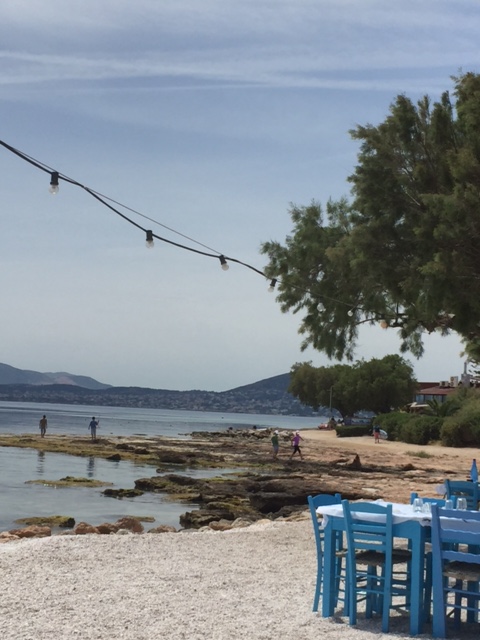
The weather has been unstable lately, and we actually had a nice storm a few days ago. However,  summer is not far off.

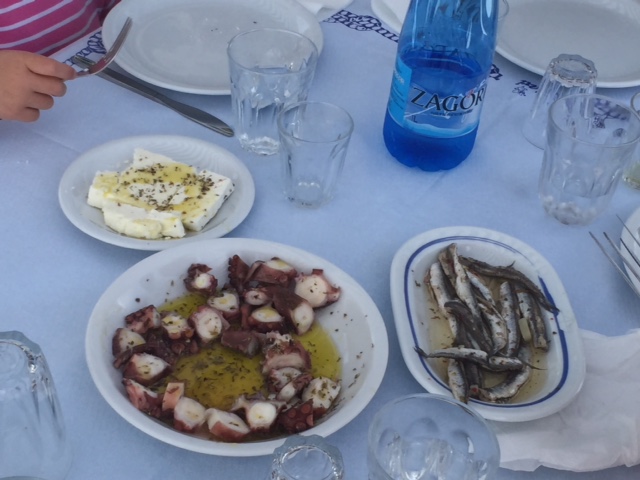
Time for lunch by the sea.


image


image


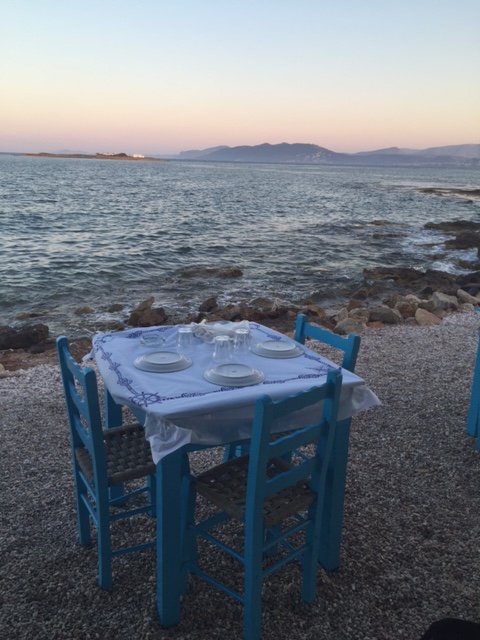
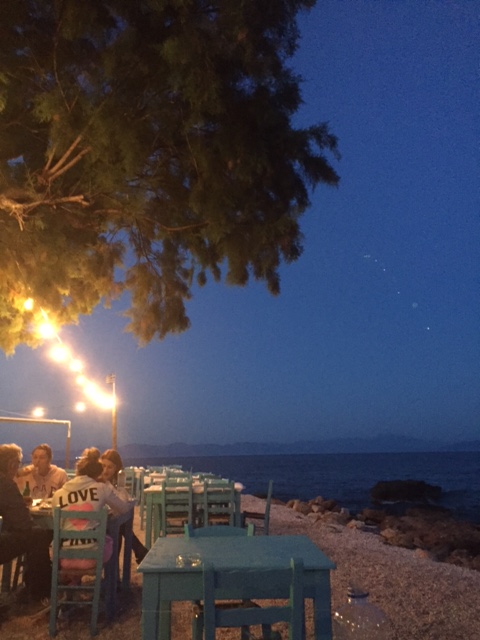
Or dinner – pure magic.

Sunset
Sunset

image


A mini break on some nearby island.

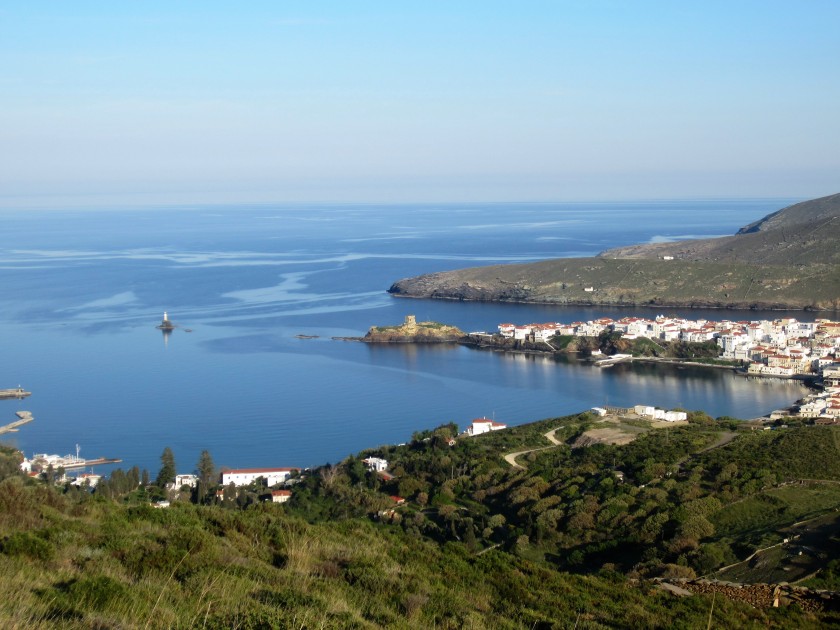
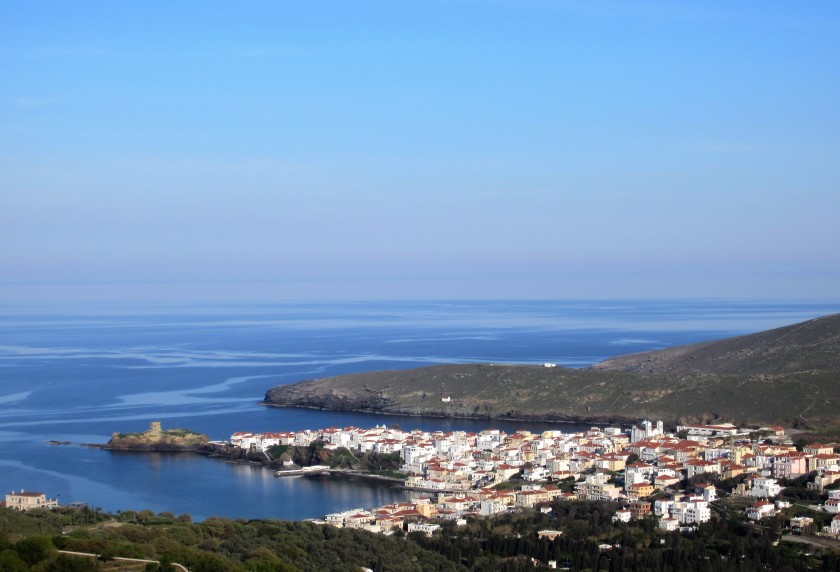
image
Andros Hora. Photo by Mariella Edgerly

Andros, with its lovely town and ruined Venetian fort. A mere two hours from Athens.

Andros Hora. Photo by Mariella Edgerly


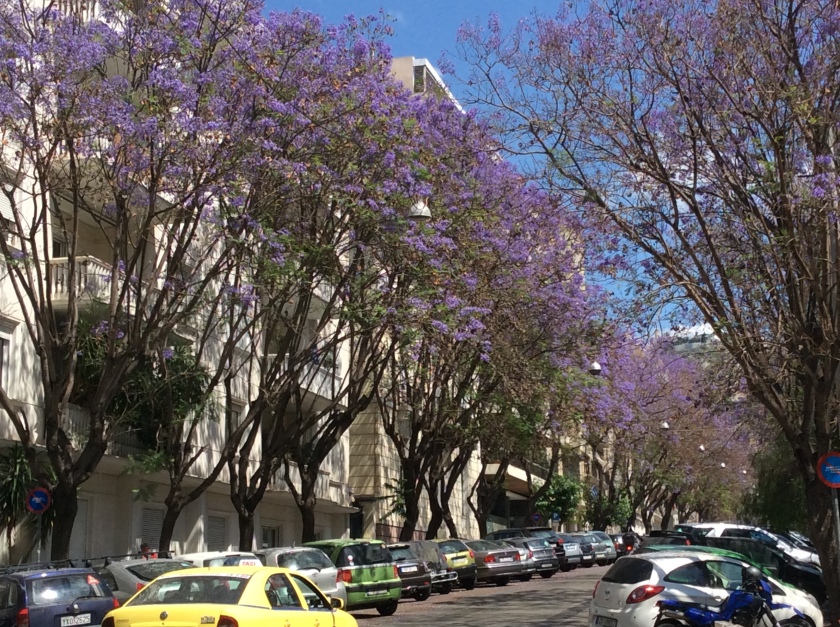
The jacaranda is in bloom, but not for much longer. This is Rigillis street in Athens.

image


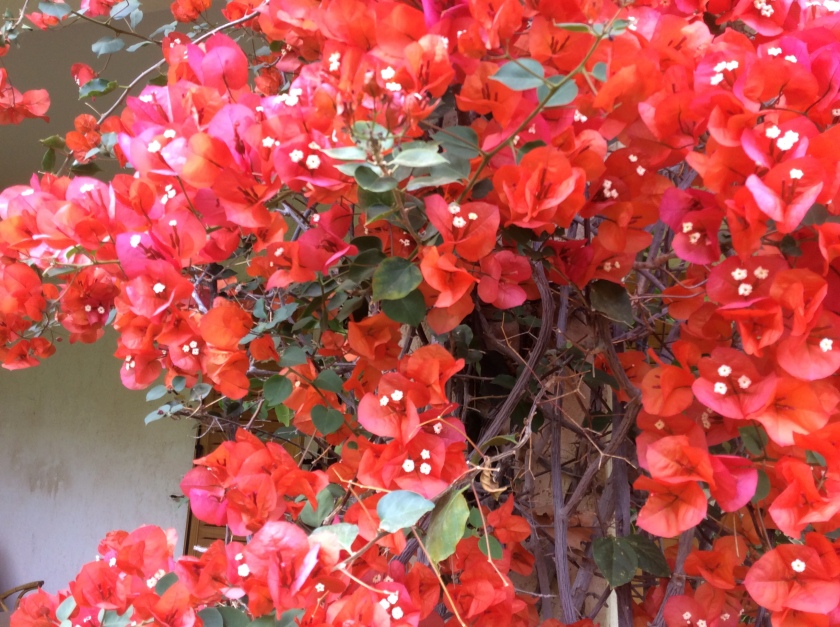
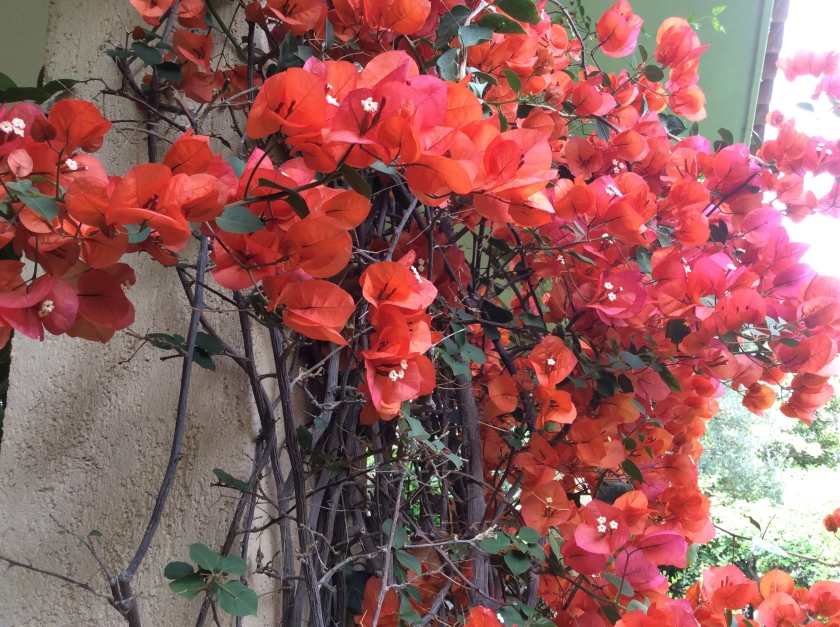
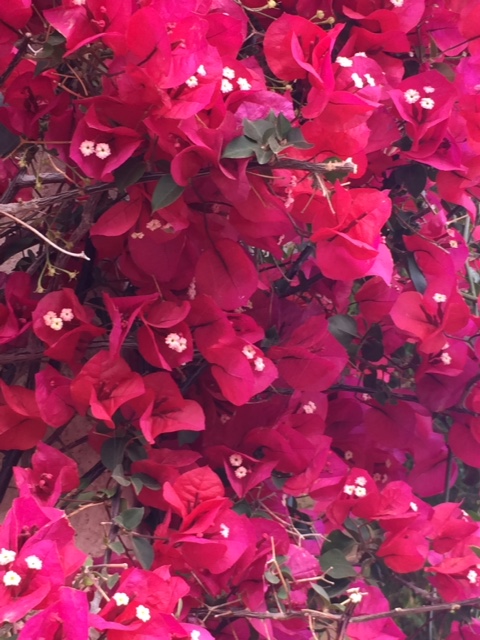
The bougainvillea is out.

image


image


image


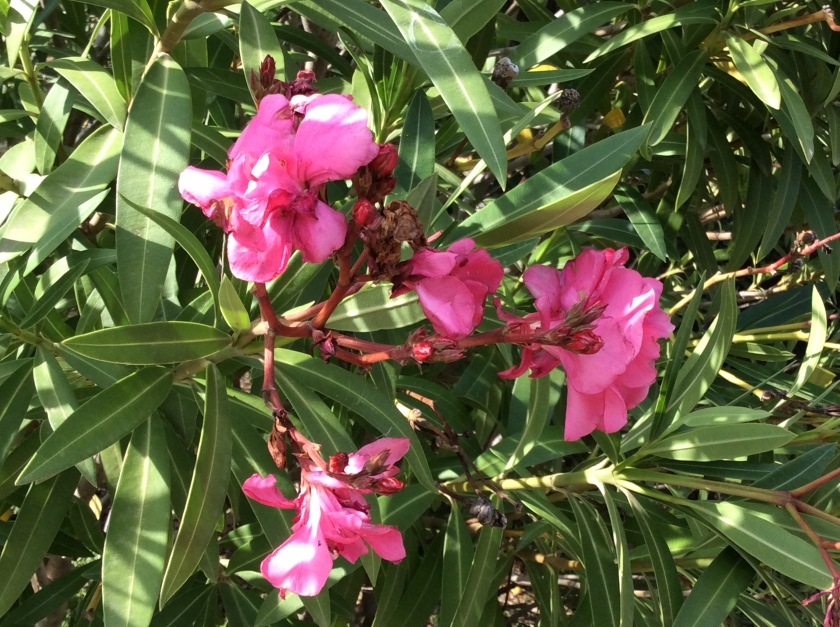
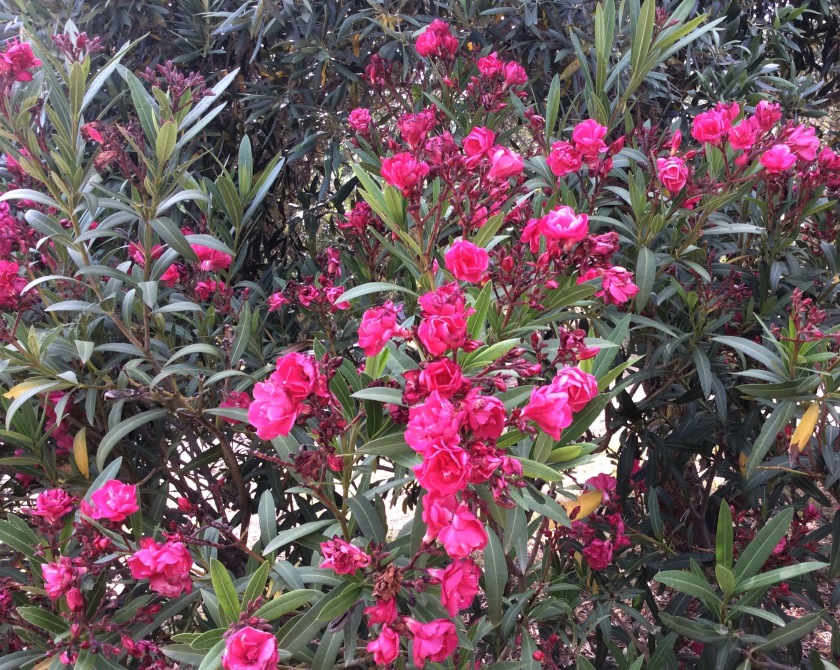
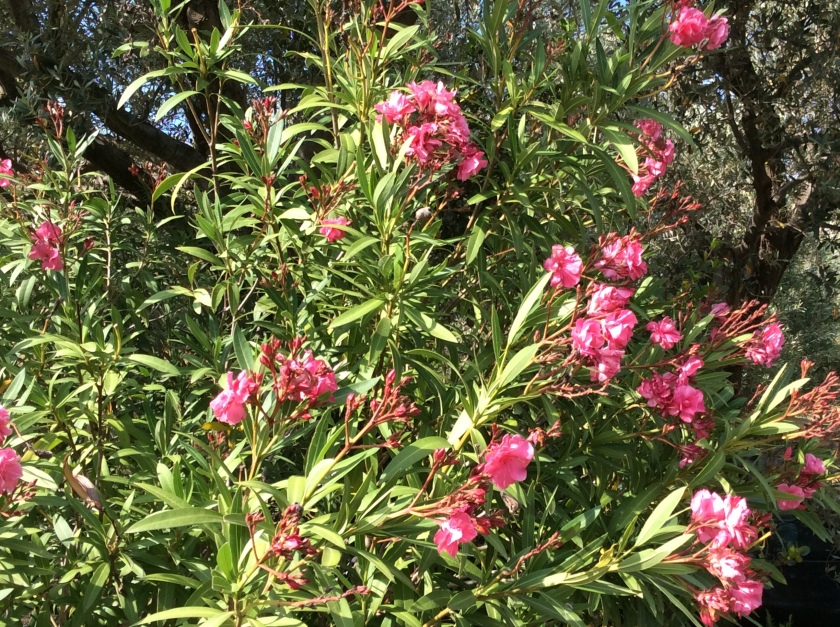
The oleanders are starting up,

image


image


image


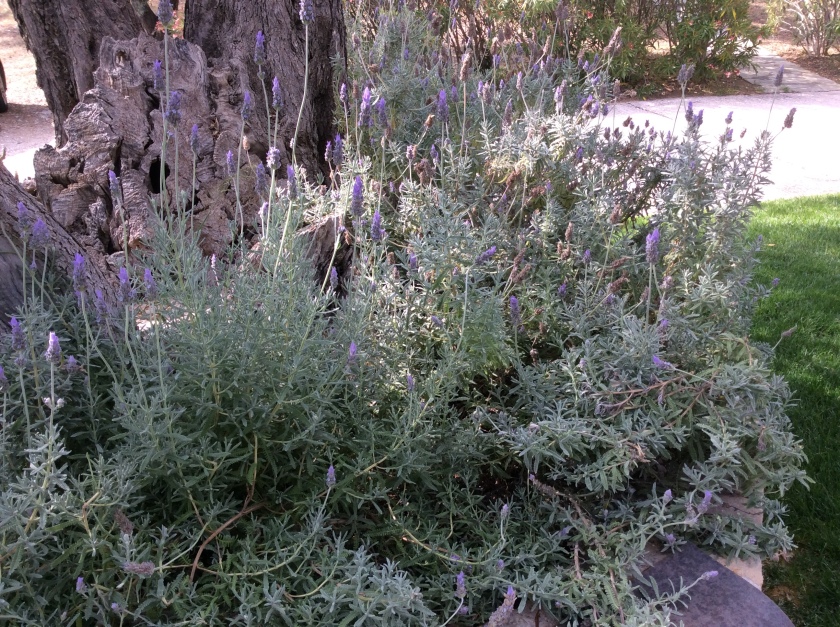
So is the lavender,

image


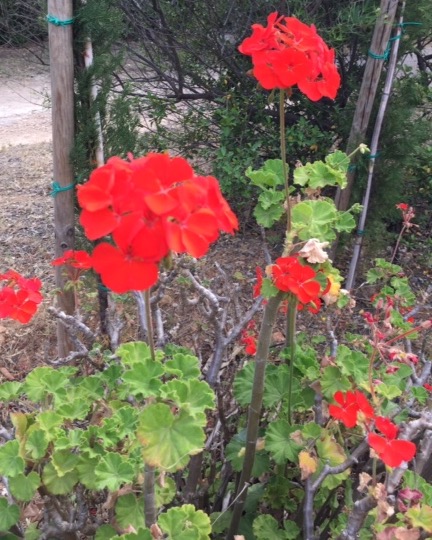
And the geraniums.

image


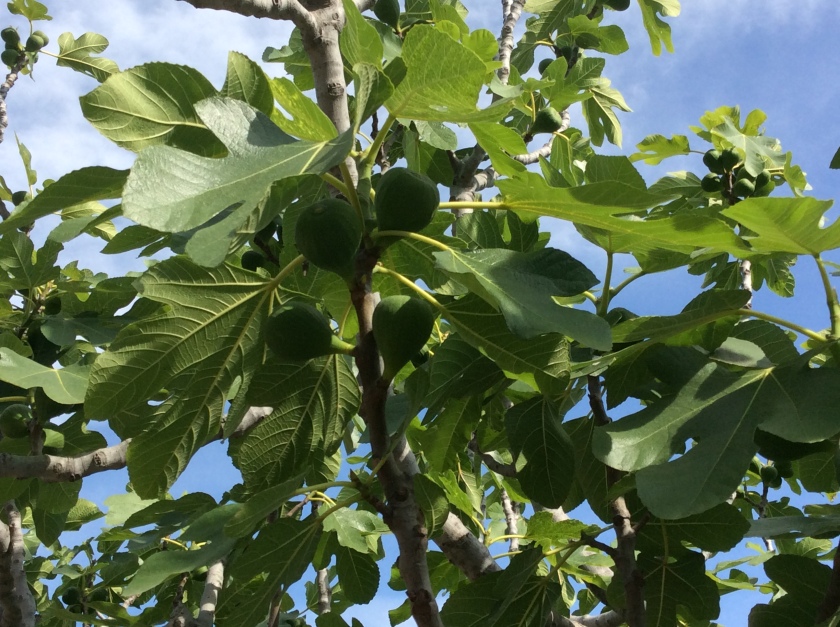
And it looks like we’ll be getting plenty of figs later on.

image


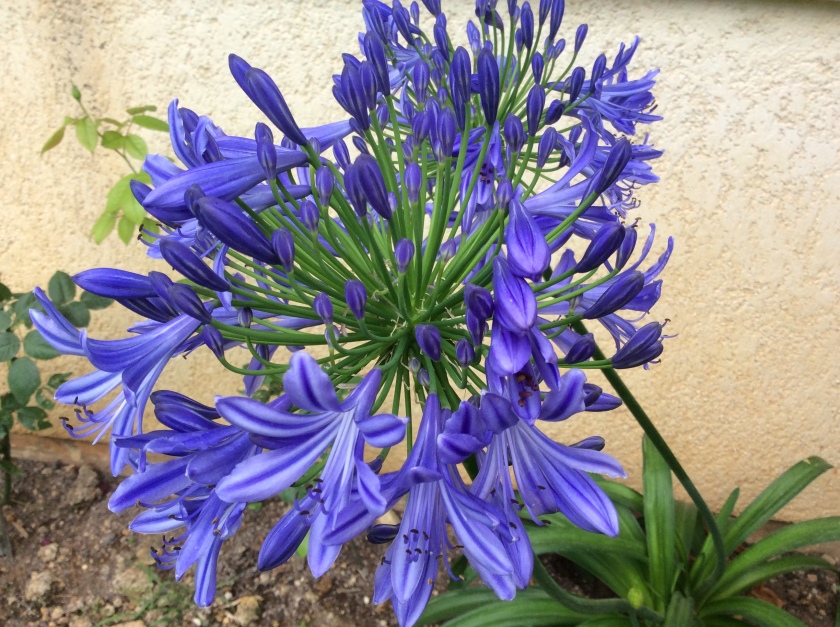
Does anyone know what this flower is called?

image


April Q&A – the project manager

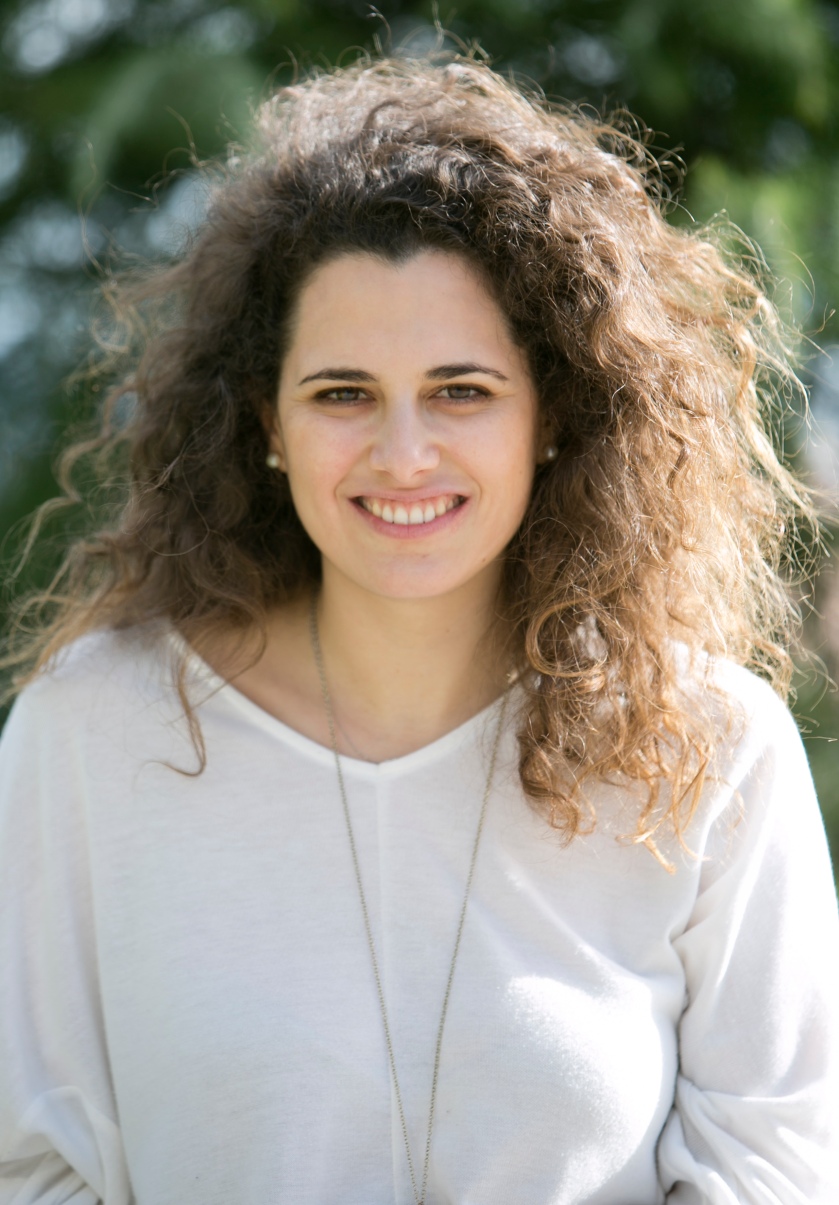
Alexia Vasdeki is a model for self-reliance. In today’s economy where youth unemployment is over 50%, she had no trouble in finding a job and, to top it all, she loves it! She is just back from Vietnam, where she and other volunteers helped build a school.

Tell us a little about yourself

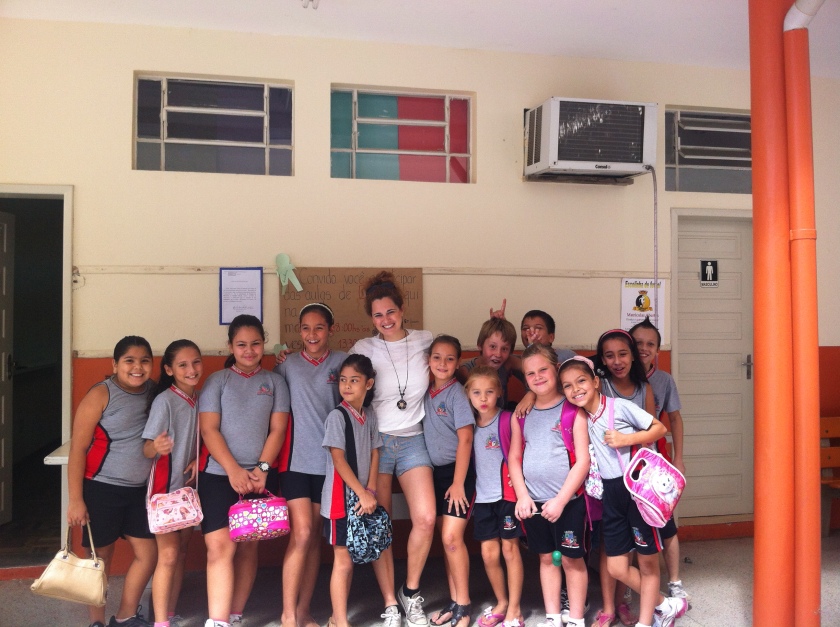
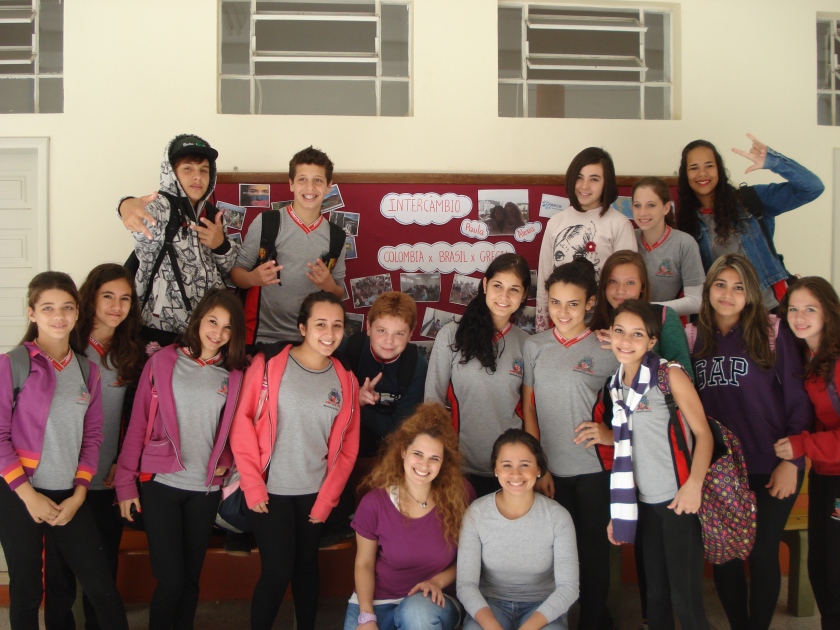
I grew up in Athens and studied at the Athens University of Economics and Business. During my studies, I was an active member of AIESEC, a global student organization, whose aim is to activate and develop the leadership potential of young people. After I finished my term in the National Committee of AIESEC in Greece, I went on their voluntary program in Brazil to teach English in a small-town school. Upon my return to Greece, I decided that I wanted to learn more about education so I completed a degree in pedagogy at my old Alma Mater. Following this, I worked on a project concerning education and social entrepreneurship and for the last year and a half I’ve been working for a company, Krataion Consulting, that is involved in consulting, project management and training. It’s something that I really enjoy because every day is a challenge and I feel I’m learning so much!
My passions are sports, traveling and volunteerism.


IMG_186


What were the major difficulties you’ve faced in the last five years?

I’ve been lucky, since my activities while at University gave me the means to find a job easily and to work in an environment I love. I have yet to send out a CV!

Did anyone in particular inspire you or help you?

Yes, a lot of people have inspired me. One who stands out is Spyros, the owner of the company where I work. He’s a very special person because he combines some unique characteristics. He’s intelligent, extremely ethical and cares for those around him. He’s always trying to give us opportunities to develop and evolve as human beings; something significant he’s also taught me is the importance of self-knowledge. To me this person is a real leader and this reflects on all our team since each day we look forward to going to the office to work, laugh, play (yes, we play games at the office), and eat lunch all together. When there’s real trust within a team there’s no need for timetables, each takes care of his responsibilities. And since we love what we do the results are always great.

What are your hopes/plans for the future?

My biggest dream would be to help change the educational system in Greece. When I was in Brazil I understood at first hand what is said about education being the most sustainable way to solve the greatest problems in the world. I came to really believe this, so upon my return I studied pedagogy not because I was interested in being a teacher but I wanted to find out exactly how the educational system functions both in Greece and abroad.


IMG_5471


What are your hopes for Greece? What changes do you hope to see happen?

In truth I’m not expecting to see change coming from the state, but rather from the new generation. I’ve learnt that if I want something in life, I must not wait around but go out and get it. Of course it would be my sincere hope and a major help if at some point proper structures and procedures were put in place so that things worked smoothly. Moreover, my dream would be the creation of a good educational system which would not chop and change but instead evolve.

Have you considered leaving? If so, where would you like to go, and why?
I’m considering going abroad for a while either to do a post-graduate course or to work in a country where I could learn things that would benefit my own country upon my return. I’d really like to see the government begin to encourage young people to stay here.


DSC09295


Are you actively doing anything to help with the situation? Is there something you would like to do?

In my job I have the good fortune to work on projects that are meaningful. One of these, which we’re working on as a team, is a project called ReGenerationan initiative of the World Economic Forum Global Shapers Athens Hub, whose object is to combat youth unemployment in Greece but also the ‘brain drain’ which sees so many young people leave the country each year.
This is a program of paid internships which aims to help recent graduates take their first step into the work market, by offering them a 6-month paid internship in either a multinational or a smaller company, as well as a training program to help them acquire the necessary skills to take this step.
The program, which is sponsored by Coca-Cola and the The Hellenic Initiative, has been very successful so far: in 2014 we found jobs for 55 people, 80% of whom have had their contracts renewed, and in 2015 internships were found for 105 people, 70% of whom were kept on.

How do you see Greece in 5, 10 years?

I believe that in 5-10 years the situation Greece will have taken an upturn – not because the state will have made any fundamental alterations, although I sincerely wish they will, but because people will have taken the initiative to bring about the necessary changes. In my opinion the basic ingredient for this to become possible is solidarity.


IMG_4617


How do you cope with obstacles and frustrations in your everyday life?
Truth is that I have been working a lot since I believe that frustration and anxiety can cause many problems and I have seen it happening often. Therefore, what I have been doing is working on self-knowledge in order to understand better who I am, what frustrates me and what matters most to me. It’s not always easy but I love it when there is a crisis and without getting anxious or nervous, I calmly manage it and solve it.

What are the positive sides of living in Greece? Have you had any good experiences lately?

I love living in Greece! I believe that it is, if not the only, one of the few countries which combine sun, sea, mountains, amazing weather & climate, delicious food, hard working people who at the same time are very kind and know how to have fun and enjoy life. One super simple great experience that I had lately was that after work I went by the sea and had coffee with my friends, and these are the small joys of life.


A helping hand

Charity can be a double-edged sword, especially when practiced by people who are celebrities. It is true that their notoriety helps to highlight the issue they’re concerned with and bring it to the attention of the public, but how much difference does it make in actual fact? And how much of it is also used for their own advancement, the feeding of their own fame?

The latest example of this is Chinese artist Ai Weiwei’s espousal of the refugee crisis. He thought it a good idea (“art”?) to take a photo of himself lying on a pebbly beach, recreating the image of drowned infant Alan Kurdi that in 2015 became the defining symbol of the plight of Syria’s refugees.
This was seen as tasteless by many, as was his suggestion that high-profile celebrities don thermal blankets and take selfies at a gala event for the Cinema for Peace, for which he also wrapped the columns of Berlin’s Konzerthaus with 14,000 salvaged refugee life vests on Feb. 13.


Embed from Getty Images


At Idomeni camp on the Greek-Macedonian border, the dissident artist set up a piano in the middle of a muddy field and invited aspiring Syrian pianist Nour Al Khzam, from the city Deirez Zor, Syria, to play it.
The photographs of this event are a bit incongruous, since a light drizzle necessitated someone to hold a piece of plastic over girl and piano. The reviews I read were mixed – some characterized the event as ‘beautiful’ some as ‘ridiculous’.


Embed from Getty Images


It’s difficult to gauge the overall improvement in the victims’ situation resulting from such antics. If you’re stuck in a camp, cold and wet and uncertain about your future, are you overjoyed to see Angelina Jolie (another visiting celebrity), or would you rather have a hot meal?
That is why I admire people offering help on the ground, as it were. Small gestures sometimes, but which make a big difference. One would not even hear of them, were it not for some journalists seeking out these stories and writing about them.


Free Wi-Fi at Idomeni

One such article by journalist Lina Giannarou, written for the Kathimerini daily paper, tells of Ilias Papadopoulos, who decided to provide free Wi-Fi for the refugees trapped at Idomeni, on the Greek frontier. The border has been shut, these people are desperate for news, they need to communicate with their families; some have been separated from relatives on the way and want to look for them through social media.

Ilias Papadopoulos, a Greek electrical engineer who lives in Thessaloniki, a city about an hour’s drive south of Idomeni, built the necessary infrastructure inside an old trailer donated by the church in September 2015. He spent more than €5000 of his own money.

“I had the idea for free Wi-Fi at the beginning,” said Papadopoulos, who first went to the camp in August 2015 to see how he could help. “People had mobile phones, but no roaming, so they could not use them. They couldn’t communicate with their families.” He also found out hotels were asking people €5 to recharge their phones, so he showed up with large professional 80-slot plug boards, which he powered first with batteries and later using generators. In order to organize internet access, since phone signals in the mountainous area are weak, he borrowed two telephone lines from a local Evzone (army) unit and connected wirelessly to Idomeni.


Photo from Mashable.com
Papadopoulos setting up. Photo from Mashable.com


Today his installation covers about 2/3 of the camp area. There’s still a problem, since the network’s capacity is for up to 900 simultaneous users, while thousands are trying to connect at any given moment. But, if you go near one of the eight antennas or try late at night, it’s easier.  Using the network is free, but it is controlled – Ilias has blocked sites that are unsuitable for children or connected to criminal activities. He is now proposing to the authorities and the NGOs to use his network for information purposes, since he’s noticed a lot of the refugees don’t know what their options are and are still hoping the border will open soon.


Embed from Getty Images


The Dirty Girls of Lesvos Island.

This is their about page on Facebook:

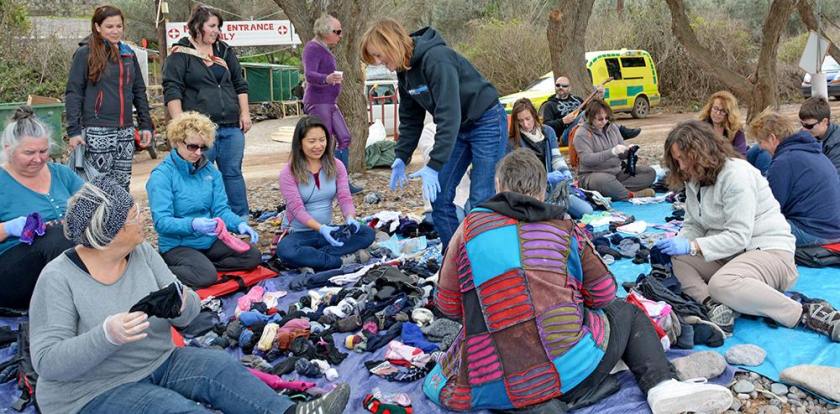
When the refugees arrive on Lesvos in unstable, overcrowded boats, they are drenched with sea water. They are given new clothes and their perfectly good, but wet clothes are discarded and have mostly been trashed , adding to the environmental problems of landfill on Lesvos. Now Dirty Girls collect the clothes and have them laundered at a commercial laundry. They are sorted and distributed so they can be reused. Because of monetary donations, from people all over the world who want to help, we have been able to recycle many thousands of items of clothing.


image
Sorting socks! Photo from their Facebook page


Dirty Girls is the brainchild of Alison Terry-Evans, an Australian who has been going to Lesvos for years. Alison saw the littered beaches as an opportunity to recycle and simultaneously provide a service.

Local volunteers gather the dirty clothes from the sand and rocks, place them in bags, label them, and leave them by the side of the road. Alison’s team picks them up, gets them washed and dried, and then distributes the garments to the camps and outposts cropping up along the coast. Even heavy-duty blankets and shoes are sanitized so they can be put to good use.

Alison has always loved doing laundry. She says: “Sorting for me has always been a near meditation; so much satisfaction for little actual elbow grease. And finding a mate for the odd sock or shoe is super satisfying. So visiting the huge washing and drying establishment, Ermes, owned and run by Peter Mylonas, was thrilling.”

Peter saw Alison collecting clothing on the beach and heading home to wash and dry. He generously offered his assistance, and the rest is history.

Everyone on Lesvos loves Dirty Girls: the locals, the arrivals, the NGOs. Alison keeps the washing machines spinning thanks to private contributions. Want to help? Find Dirty Girls of Lesvos on Facebook.


image
Piles of laundry. Photo from their Facebook page


Recycling to make bags for refugees

One of the often overlooked side effects of the refugee crisis in Europe is the massive amount of waste piling up on the islands at the frontline of the crisis.

Thousands of news arrivals are pouring onto the islands daily, leaving behind them on the beaches piles of rubber dinghies and thousands of life jackets.

Volunteers on the island of Lesbos have developed a novel approach to dealing with some of the waste by upcycling the rubber from the boats and the straps from the life vests into waterproof bags.

Twenty-four-year-old Amsterdam native Floor Nagler had been volunteering on the island helping people disembark from boats when she noticed a need for bags, since many people had lost theirs along the route.

Nagler brought some of the material back to Amsterdam, where she is studying textiles, and worked with a fellow Dutch artist until they up with a solution. Then they took the concept back to Lesvos where they held workshops outside the Moria reception center near the capital city, Mytilini.

The bags are made from one folded piece of discarded material from the boat, held together with rivets and clipped shut with buckles from life vests. The bags costs around $3 to make and can be assembled by hand.


image
Floor gives a demonstration. Photo Amos Chapple/RadioFreeEurope


This is not the first project that Nagler and others have set up in upcycling materials on the island that were once destined for landfills.

Back in January, Nagler was making mattresses out of the life jackets that were left behind. Along with a group of volunteers, she founded the It Works initiative to bring empowering skills to the refugees who arrive on the island.

You can watch Floor making her bags on YouTube, below:


Clean Monday: a sky full of kites

The pall of smoke hanging over Greek towns due to the Tsiknopempti meat orgy has hardly dispersed and people are already thinking about the next feast, on Clean Monday (Καθαρά ΔευτέραKathara Deftera). It is a moveable feast, which this year falls on March 14. Ironically, it marks the beginning of the 40-day fast for Lent, Σαρακοστή (Sarakosti). However, the need to avoid a wide range of foods (meat, fish, all dairy products and eggs) has spurred gourmets and cooks over the centuries into developing delicious recipes called nistisima (fasting foods) of which more details in another post.


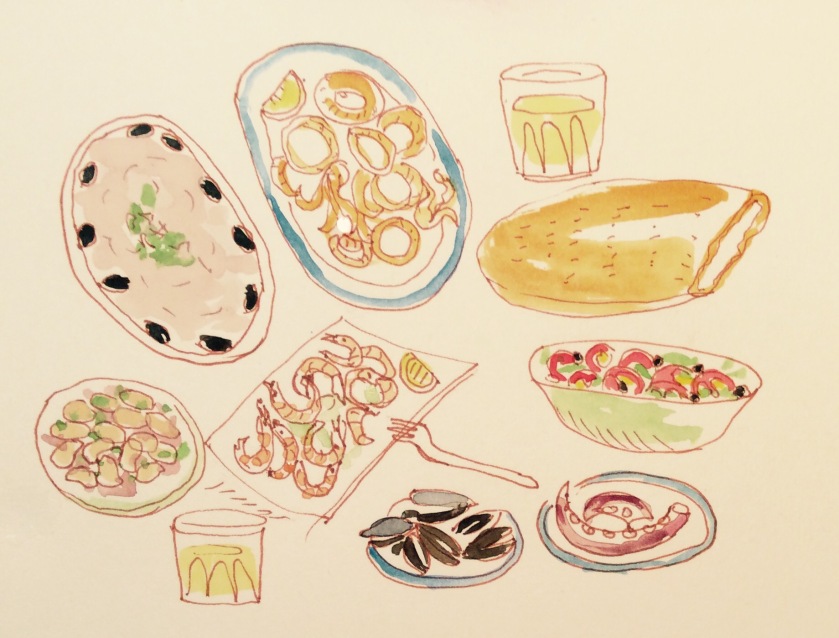
A feast of lagana bread, octopus, calamari, shrimp, mussels, beans, olives, tarama and wine


For the devout, Clean Monday—and thus Lent itself—begins on Sunday night, at a special service called Forgiveness Vespers, which culminates with the Ceremony of Mutual Forgiveness. Everyone present will bow down before one another and ask forgiveness, so they can begin Lent with a clean conscience and renewed Christian love. The entire first week of Great Lent is often referred to as “Clean Week”, and it is customary to go to confession during this week, and also to springclean the house – after all, Clean Monday also marks the beginning of spring.

Clean Monday is a public holiday in Greece and Cyprus, where it it is celebrated with outdoor excursions, and family gatherings whose main purpose is the consumption of elaborate dishes mainly based on seafood and vegetables.

imageHowever, the day is not only associated with eating, but also features many traditional celebrations held all over Greece. Municipalities organize concerts and other festivities with free food on offer. In the Borough of Athens, Clean Monday is traditionally celebrated on Philopappos, a hill situated southwest of the Acropolis. A beautiful 173-acre park, it is home to many indigenous birds and small animals, and open to all at all times of day or night.
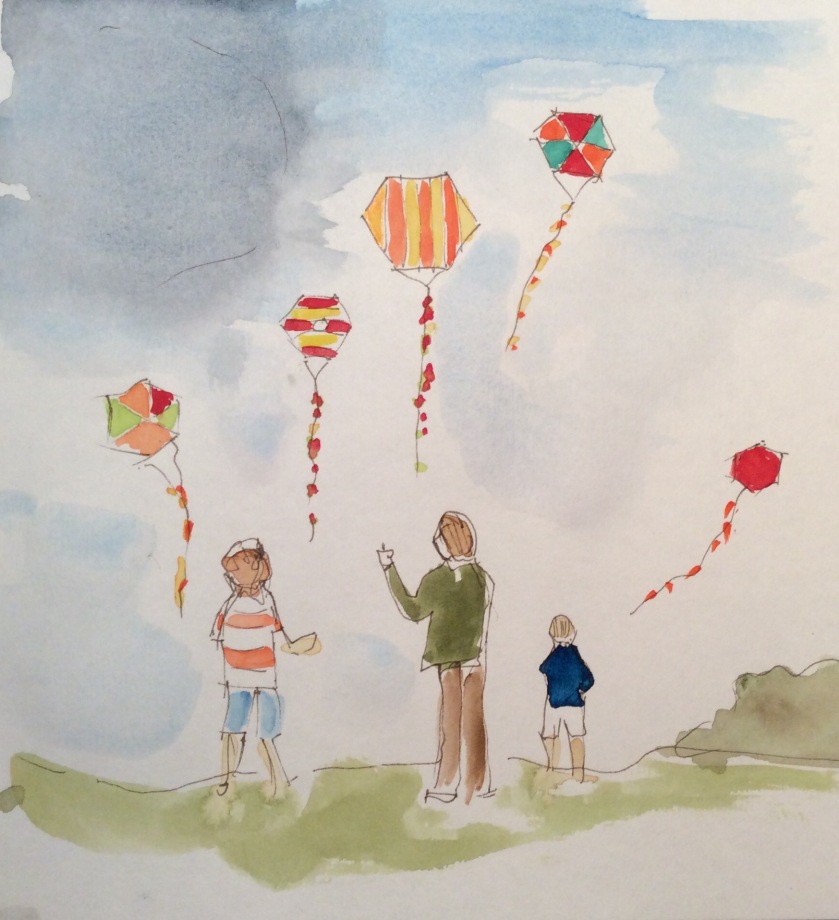
Different municipalities have their own local customs, but there is one tradition that is followed all over the country: kite flying. Young people and adults flock to open areas, so as to fill the skies with their kites. Many traditional workshops have been involved in making kites for over 70 years, although in many instances the wooden kites have sadly been replaced by plastic ones. Every kiosk, supermarket  and toy shop stocks kites for Clean Monday – there are even roadside stalls selling them.

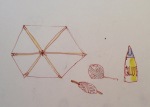
imageIn my childhood, making your own kite was considered a very manly pursuit in some households. Fathers and uncles would carefully choose and cut their own bamboo sticks, split them lengthwise with their penknives and fashion them into a hexagonal frame with string. Over this would go glacé paper in bright colours (often in the colours of the maker’s favourite team), and then ‘ears’ and a tail made out of strips of paper. The trick was for the kite to have good equilibrium so that it would fly straight and true. A few balls of sturdy string would be carefully wound in a figure eight over a stout stick and the kite would be ready to go.
 

image


Since Clean Monday is a communal affair, fierce competition ensues over the flying of the kites. Depending on the assembled company, I remember times when us kids would not be allowed near the kites. No, this was a man’s job, involving much drinking and banter, as well as practical jokes. There were – and still are – air battles where people try to get other kites entangled in their string in order to bring them down – some even resort to sending razor blades up the string to try and cut the competitors’ kites loose!

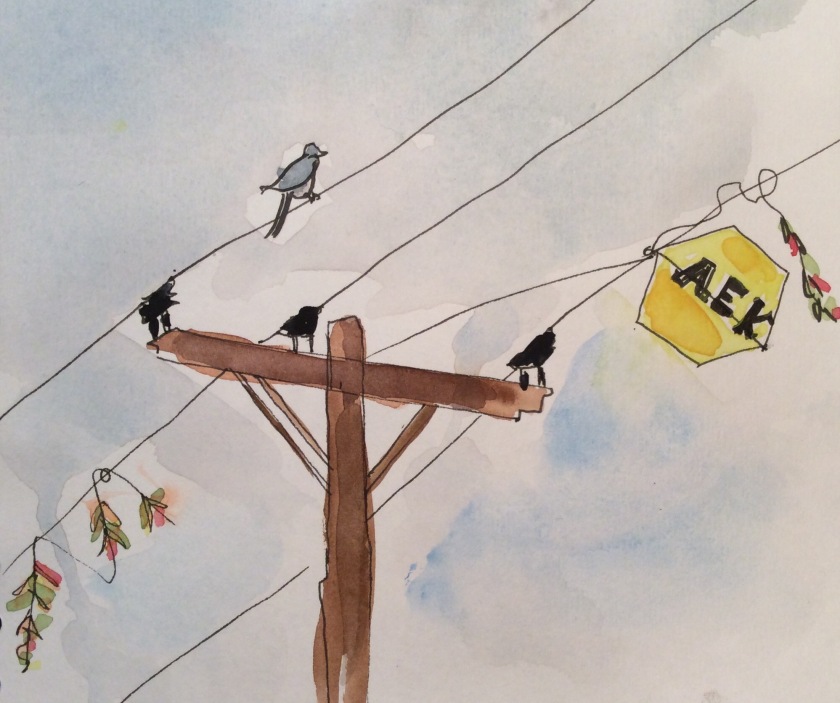
Despite yearly warnings by the Electricity Company, a number of kites always end up on the cables, where they remain for weeks, looking increasingly forlorn.


image

A carnivore’s feast day

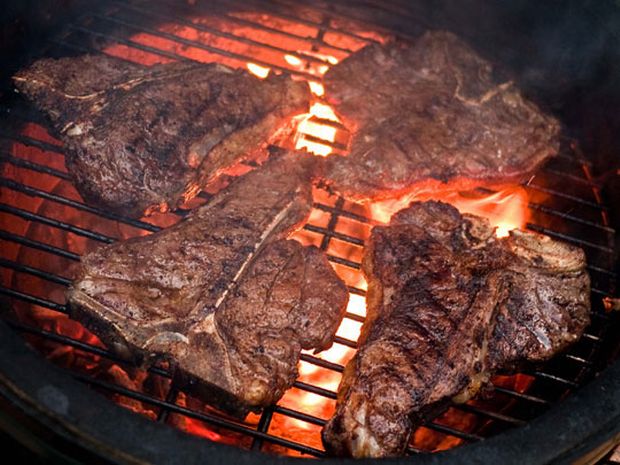
The word tsikna (τσίκνα) means ‘pungent smoke from grilled meats’ – it’s what your clothes smell like when you return from a taverna or barbecue. Today is Tsiknopempti (Τσικνοπέμπτη) – literally the ‘Thursday of grilled meat smoke’, a Greek tradition beloved by all carnivores, since it entails an orgy of grilled meats.

We are now in the middle of the three weeks of Apokries (Απόκριες – Carnival) preceding Lent and a fast of 40 days before Easter. Little kids in fancy dress can be seen walking in the streets, on their way to various parties. Tonight people will either descend upon tavernas – better reserve, since even your local is bound to be overbooked – or congregate in homes around someone (usually a man) priding himself on his barbecuing skills.
Every full-blooded Greek considers the Tsiknopempti feast his unalienable right, not to be spoilt by any vegetarian, cardiologist or fish-eater.


image


The menu on offer usually comprises the following:

*Burgers, kebabs, sausages, lamb and pork cutlets, and steaks. Maybe chicken pieces.
The meat has to be top class and seasoned with salt, pepper and oregano. It will be accompanied by: Cut lemons to be squeezed over according to taste. Tzatziki – a yogurt and garlic sauce. Mustard, ketchup and mayo.

*Fries. They have to be home cut and cooked in olive oil.


image


*Salads. A xoriatiki  (Greek salad) with tomato, cucumber, plenty of onions, and tons of feta cheese. A green salad for freshness. A shredded cabbage and carrot salad dressed with olive oil and lemon.

*Bread – pita and slices of country loaf, brushed with olive oil, grilled and sprinkled with oregano.

*Plenty to drink. Beer, of course; wine, red and white (some like retsina, a white whine flavored with pine resin – a strong, old-fashioned, acquired taste); ouzo, raki and other spirits.

*A selection of desserts, the sweeter the better. Baklava full of nuts and drenched in honey syrup, something chocolate.


image


All of this engenders a lot of discussion and theory:

-I see you didn’t go to the butcher I told you about.
-Do we have enough coal?
-Have you lit the coal? We don’t want to eat at midnight.
-If the meat is good enough, it doesn’t need marinating.
-No, no, pancetta should be marinated in beer.
-Don’t be stingy with the salt and pepper.
-Or with the garlic in the tzatziki.
-The sausages have to be eaten first.
-Someone has to be in charge of the fries.
-Someone has to keep the cook supplied with drink.
-Someone has to praise the cook.

Suggestion: Better lay in a supply of antacids for after dinner and/or plan a week’s detox.

But, meanwhile, Kali Orexi! (Καλή Όρεξη – Bon Appetit)

The images are from the oneman.gr blog which has a very amusing article on Tsiknopempti, for those who speak Greek.