Enjoyable reads

While tidying up my bookcase, I came upon some book recommendations which make for pleasant reading. A comfortable sofa, a mug of tea or chocolate, a good book and the rain falling outside…Or perhaps, depending on your location, a lounger on a beach and a large straw hat to shade your page…

For cooling off on the aforementioned beach, what better than a tale set in the frozen wastes of Antarctica?
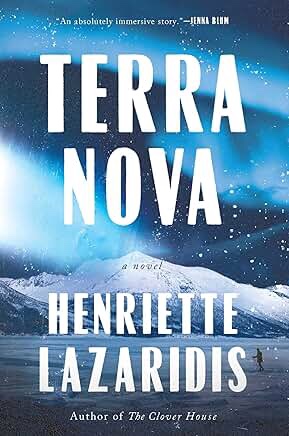
Terra Nova, by Henriette Lazarides, is the haunting story of two explorers seeking to reach the South Pole and the woman who loves them both. Set in 1910, it is a tale of love and betrayal. The two men are friends who have set themselves an impossible task of endurance and privation. Back in London, Viola, wife of one and lover of the other, is a photo journalist and suffragette. In both settings, secrets multiply and grow toxic. I have been interested by polar exploration since reading the marvelous The Worst Journey in the World, and this fictional tale hits all the right keys.
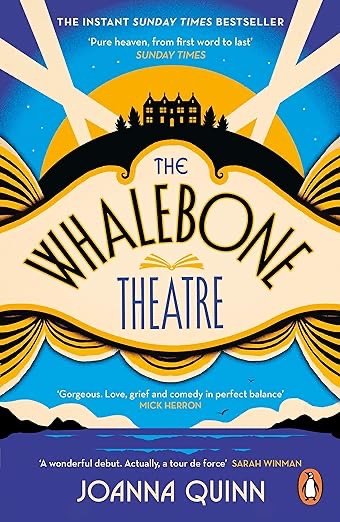
A crumbling English manor house by the sea and the three children who grow up there. A dead whale washes up on the beach. A family saga par excellence, it decribes what unfolds in the wings as the children grow, and while the war increasingly gets centre stage. Engrossing.
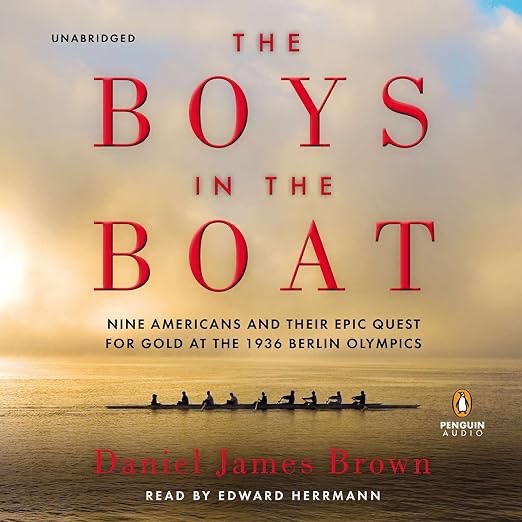
I was initially put off by the subject matter of this book, which tells the tale of nine working class boys from the American West, and their quest to win the gold medal for rowing in Hitler’s 1936 Berlin Olympics. I thought a whole book about rowing would bore me, but a friend was so insistent that I caved. All I can say is that it kept my interest to the very end—the story is so well told, the characters all have depth and empathy, the technical descriptions are, dare I say it, poetic, the races full of suspense and the whole is set within the larger stage of the Depression, the looming war, and the rising of Hitler’s power in Europe. A story of grit and courage against terrible odds—and which is soon to be a film produced by George Clooney. The trailer looked interesting andas an added bonus when reading the book—on YouTube one can find the original, black-and-white, films of the race (mostly by the notorious Leni Riefenstahl).
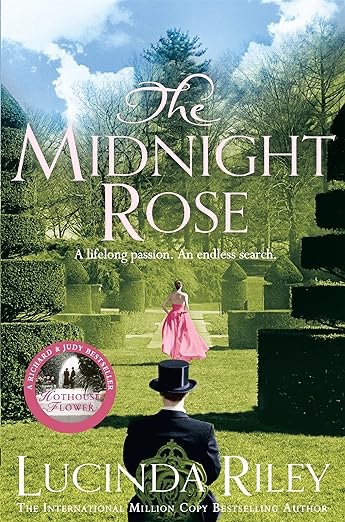
Another family saga, alternating between India and England in 1911 —and the same places in the present day. It is the story of Anahita Chavan, from a noble but impoverished family, and her lifelong friendship with the headstrong Princess Indira, the privileged daughter of Indian royalty. The relationships between them and with the men they love have repercussions down the years; culminating in a love story between Anahita’s grandson and a young American film star on a film set in England.
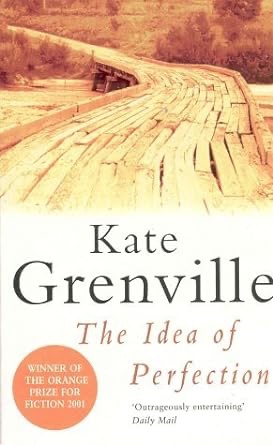
Set in the eccentric backwater of Karakarook (pop. 1,374), New South Wales, this is the story of Douglas Cheeseman, a shy and clumsy engineer with jug-ears who meets Harley Savage, a woman who is known for being rather large and abrupt. A cheerful and humorous tale.

Last but not least, non-fiction. A study of 18th century women artists, this book examines the careers and working lives of celebrated artists like Angelica Kauffman and Elisabeth Vigée Le Brun but also of those who are now forgotten. As well as assessing the work itself – from history and genre painting to portraits – it considers artists’ studios, the functioning of the print market, how art was sold, the role of patrons and the flourishing world of the lady amateur.

I found this book fascinating. The details of these women’s lives are beautifully described, and the constraints imposed upon them would seem intolerable to women artists now. The book also has beautiful reproductions of many paintings—however, it is out of print and can only be read as an e-book (of top quality, I must say), unless it can be found in a second-hand shop.

(All photos from Amazon)
Bits and bobs

Greek Easter has gone already, isn’t it weird how time seems to drag on and fly at the same time? I couldn’t get hold of bread flour, so there was no tsoureki this year, neither could we find egg coloring, but we dyed the eggs using onions skins, turmeric and paprika. They came out quite pale—they were brown eggs—so the children enhanced them with Tombow markers. Behold the result:


Greece has managed to keep the number of deaths from coronavirus low—around 100 at latest count—leading to the macabre joke that the virus at Easter was actually saving lives, since every year the mass exodus to the countryside results in multiple traffic deaths. This year people were forced to stay home.

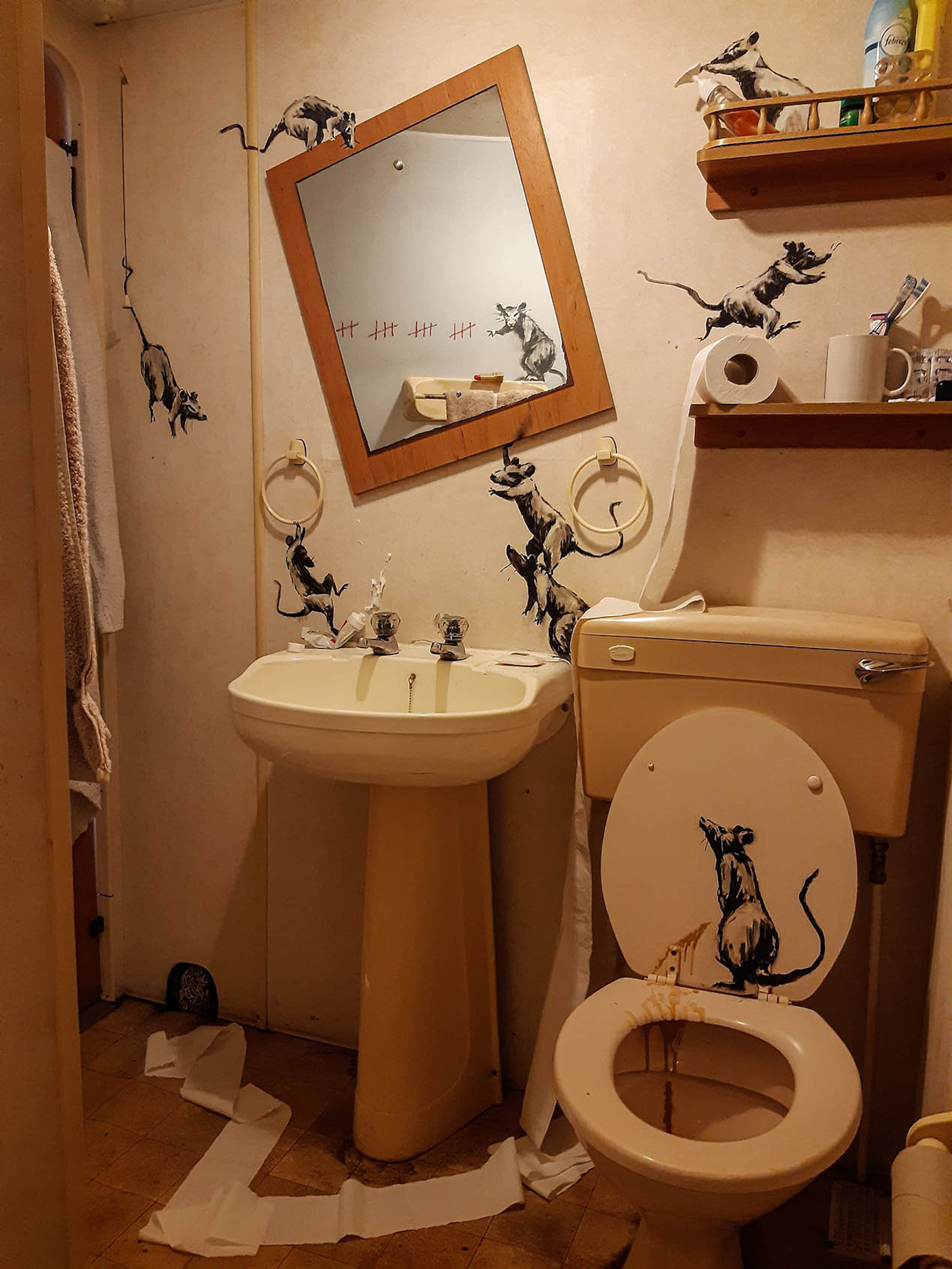
Someone who seems to be having a great time at home is the street artist Banksy, who has released his latest painting, titled My wife hates it when I work from home.


Credit: Banksy


He’s put in a lot of rats, RAT being his anagram for ART.  I can’t say I’d like to share his confinement!

While trying to copy Banksy, ie drawing or painting, I’ve been listening to some interesting podcasts, which I thought I’d mention:
For crime readers or writers, Listening to the Dead, a podcast about forensics with Lynda La Plante. Some fascinating stuff in there.
The Worldwide Tribe podcasts with Jaz O’Hara, which documents some very interesting life histories. I loved the one she did with her mother, who is fostering no less than four teenage boys from four different countries, while managing to keep her sense of humor intact.
And of course, the New Yorker podcasts, The Writer’s Voice and Fiction from the New Yorker, featuring some great short stories.
Finally, I’m planning to try The Great Women Artists, with Katy Hessel.


Having finished a number of books I had on the go, I’m tempted to re read A suitable boy, by Vikram Seth. Although it’s a huge slab, I loved it when I first read it years ago, and maybe it would be fun to at least dip into it again before the eagerly awaited TV adaptation comes out.


On the viewing front, another thing I’m eagerly awaiting is the new Wes Anderson film, called The French Dispatch, which is inspired by the New Yorker magazine. I loved The Grand Budapest Hotel, and this seems to be in the same vein, and features a stellar cast. Here’s a trailer below:


With all the daily applause going on, I thought I’d mention Captain Tom Moore, in case anyone has missed the story. This feisty 99-year-old has managed, by today’s count, to raise a stunning £26 million pounds for NHS charities, by the simple expedient of walking 100 times around his garden in celebration of his 100th birthday later this month. His initial target was £1000!

And finally, I would like to put in a good word for the Word Press Hapiness Engineers, about whom I’ve been endlessly griping. Having experienced a few glitches with my new theme, I went on the WP Live Chat and, despite a warning saying they were experiencing delays, each time I got an immediate response. They were friendly and extremely helpful, and my problems were solved in no time. So, a heartfelt thanks.

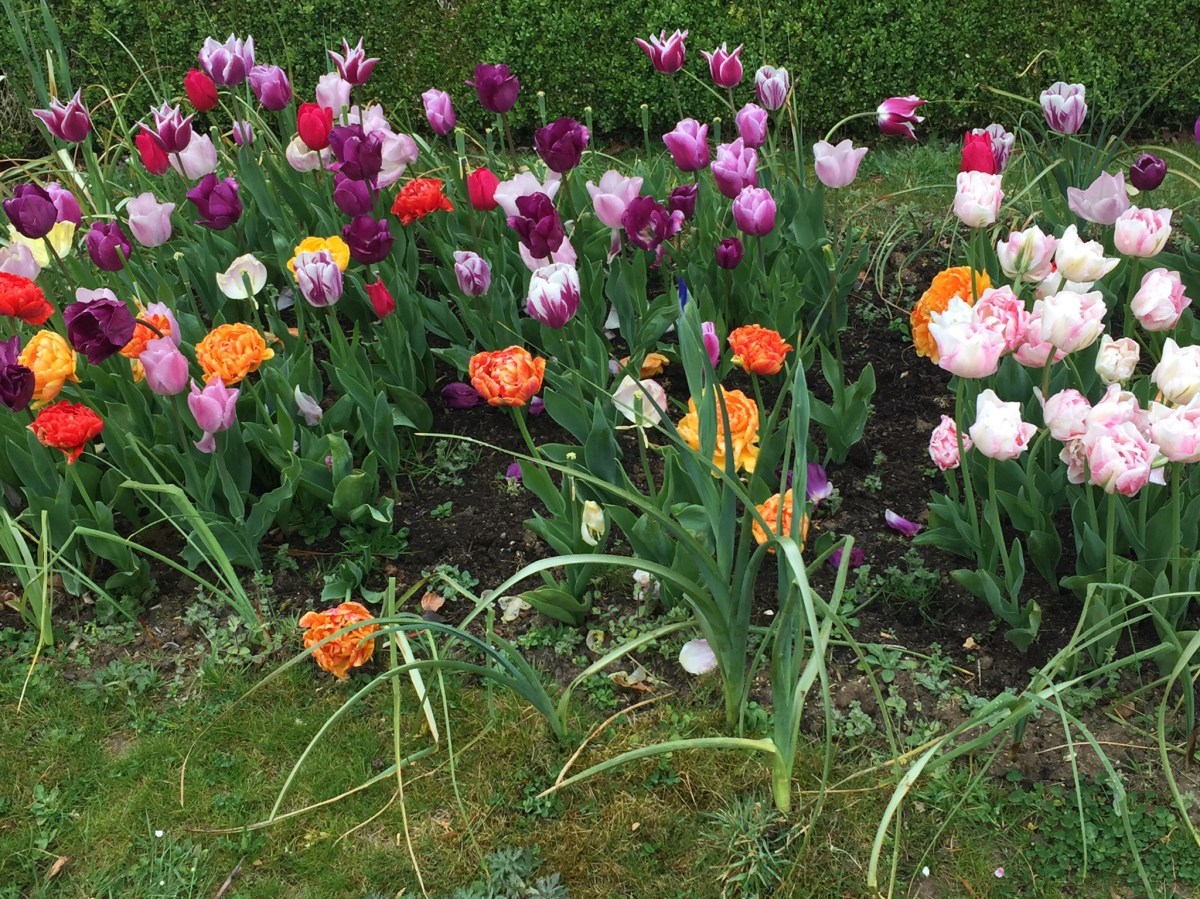
Tulips in the garden. Nobody can cancel spring!


Tsundoku

I recently came across the word Tsundoku which I find greatly amusing. According to Wikipedia:


“Tsundoku” (n.) is the condition of acquiring reading materials but letting them pile up in one’s home without reading them. “Tsundoku” originated as Japanese slang (積ん読) “tsun-doku”. 「積ん読」 came from 「積んでおく」 “tsunde-oku” (to pile things up ready for later and leave) and 「読書」 “dokusho” (reading books).


img_4382


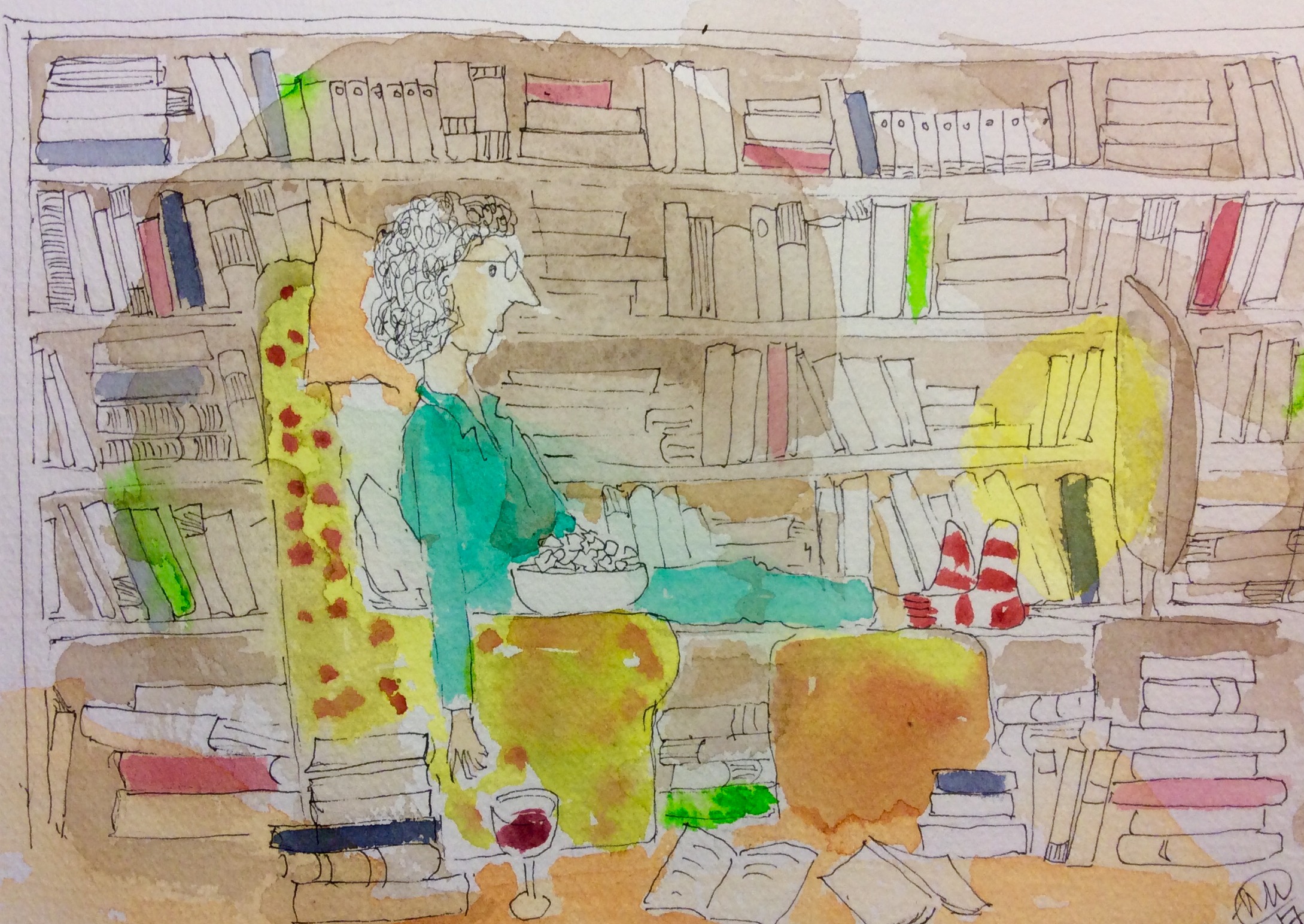
I’ve always been addicted to books, and like to be surrounded by piles of them, just in case I run out of – horrors – reading matter. And since the time when, on a trip, I finished my book and found myself with no access to a library or bookshop, I’ve also collected a number on Kindle. These are a safety measure, but lack the heft and presence of print.

In my defense, I do read them. I always have two or three on the go. But I will never get through my unread pile in my lifetime, especially since I occasionally like to re-read favorites. But have a clear out? Never!

As they say ‘So many books, so little time’ – or, ‘tsundoku‘!