Sou Fujimoto – A fascinating architect

In more news of my trip to Japan, one afternoon we went to the Mori Art Museum expecting to see contemporary art, only to find there was an exhibition on the architect Sou Fujimoto.

This proved to be fascinating, because he was inspired by the shapes in nature to create buildings which are both avant garde and pleasing to the eye.

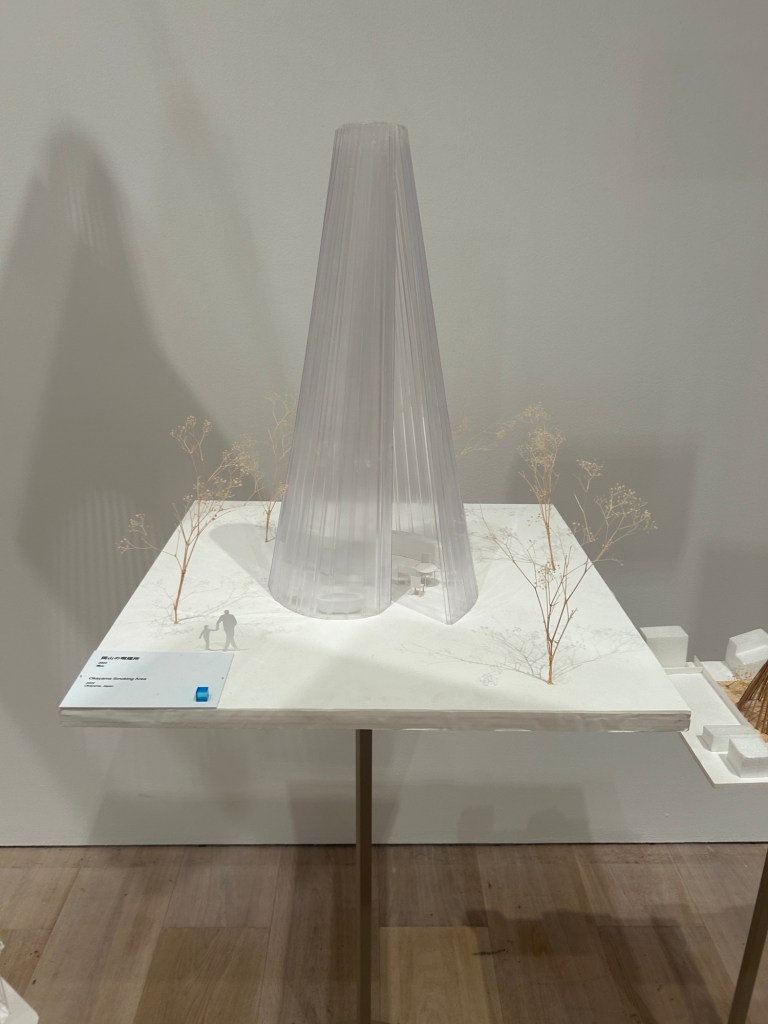
Okayama smoking area. 2022

The exhibition consisted of maquettes of a variety of mostly public buildings, some of which had actually been built, while other had not, due to practical or financial considerations.

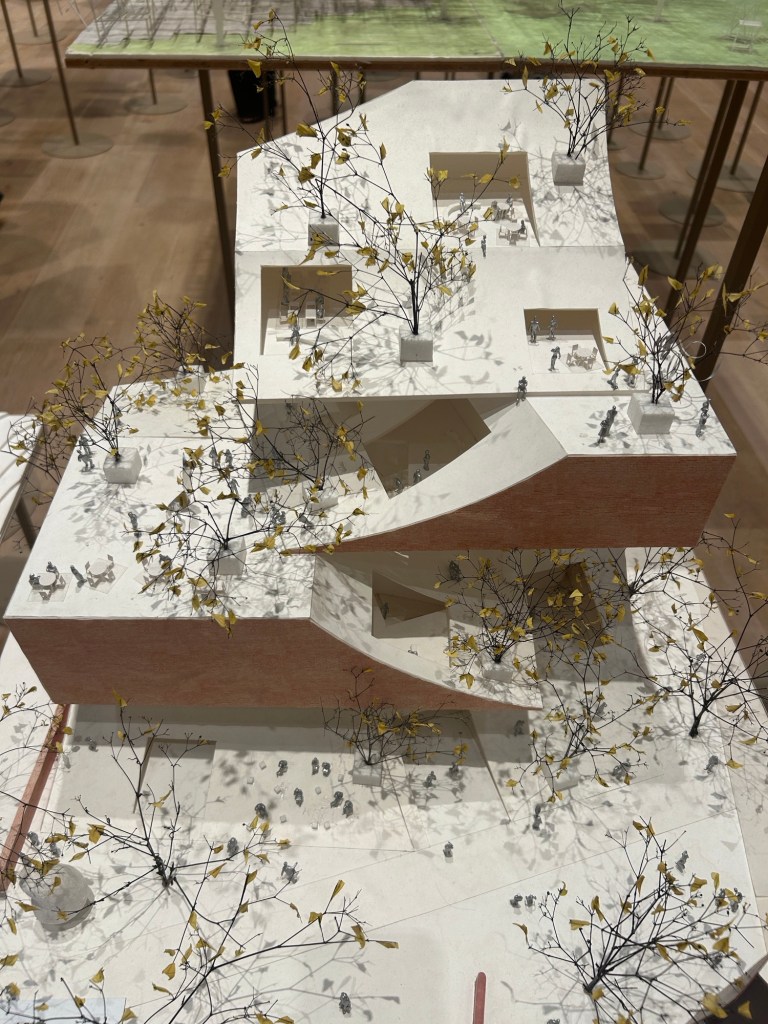
This is a plan (below) for an urban hub to be built along the Sava river in Belgrade, where ‘the building converts flows of people into architecture, creating a “cloud” of slopes that converge in a spiral.’ Pretty cool, no?

Béton Hala Waterfront Center. 2011 (conceptual) Belgrade

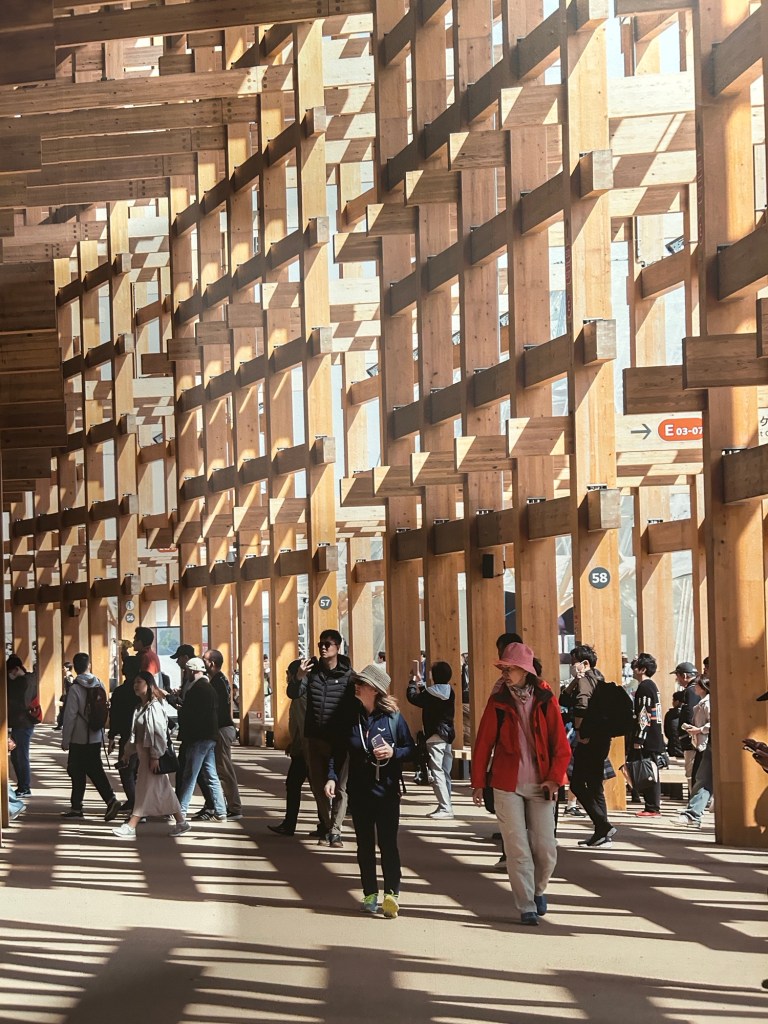
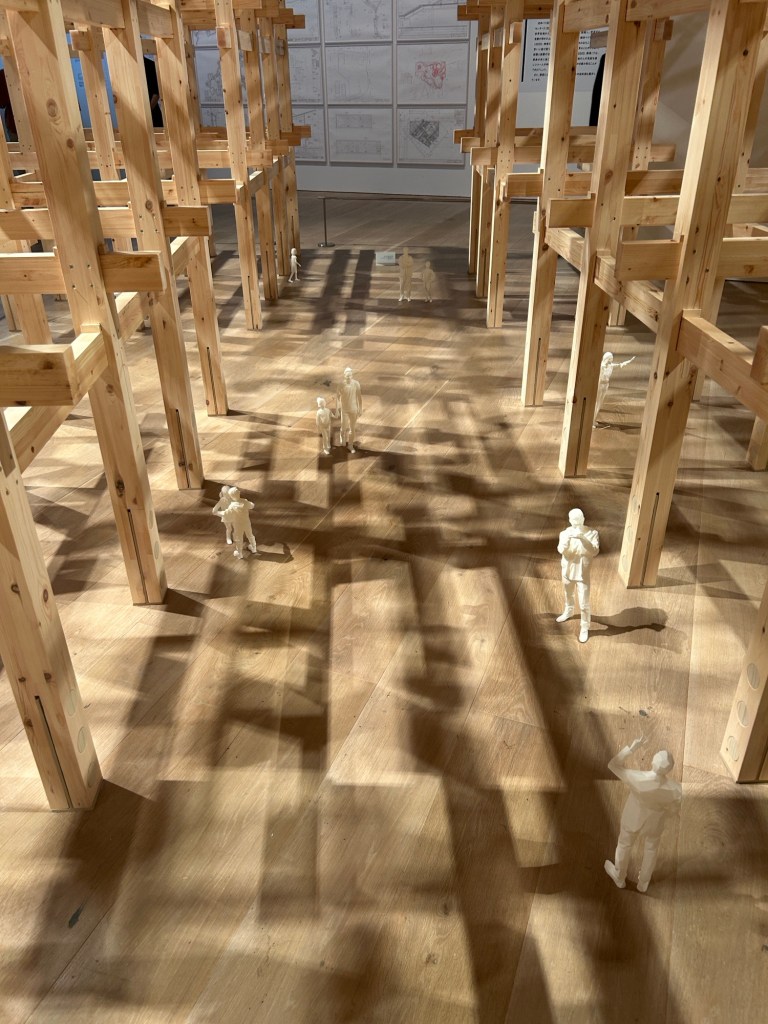
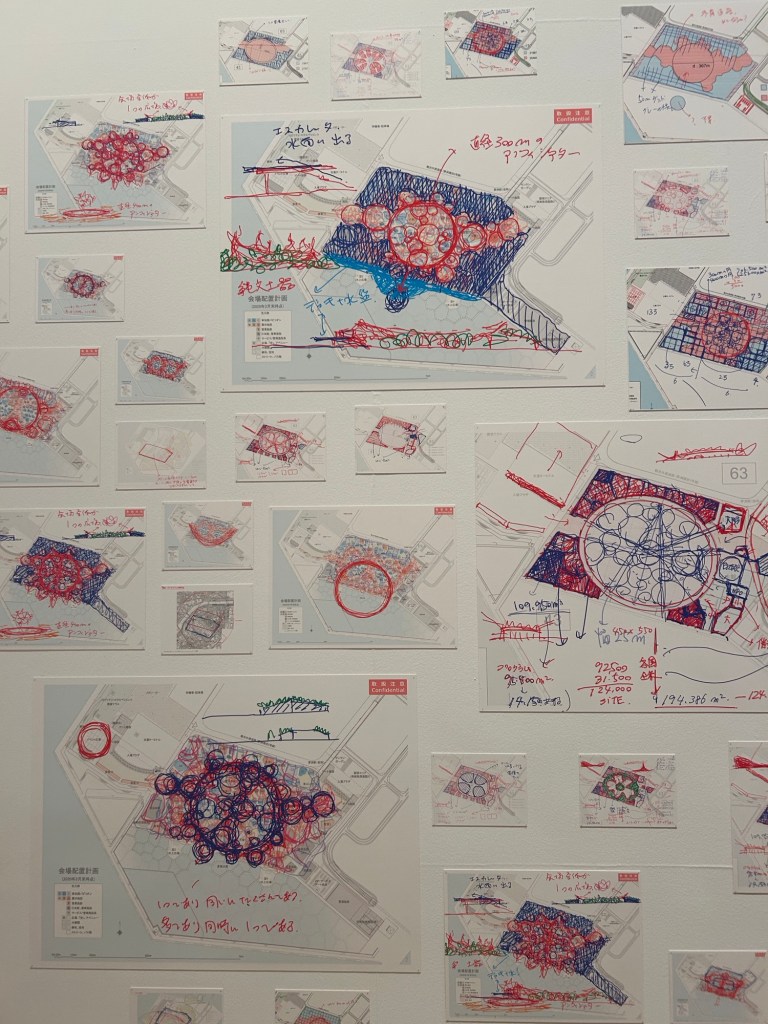
There was one mock-up, The Grand Ring for Expo 2025 Osaka, Kansas, which was impressive if one considered the scale.

A number of Fujimoto’s sketches on display gave insights into his thought processes, as did a video where he is interviewed and talks about his inspirations.

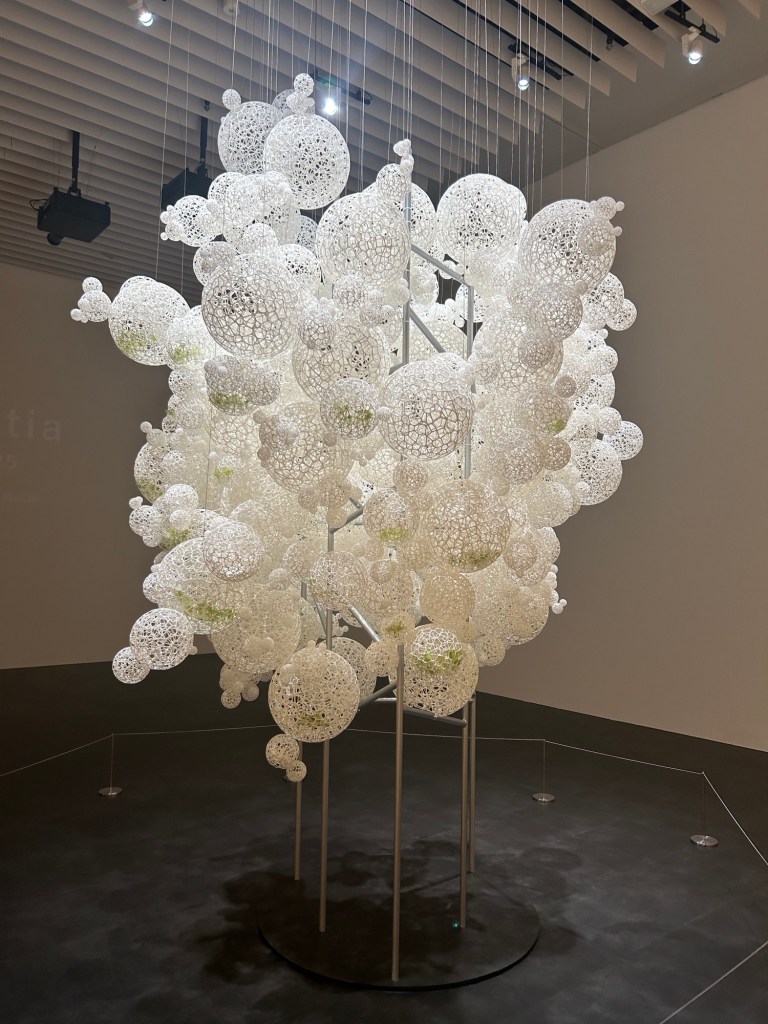
There was even a futuristic city made up of spherical units which ‘function as “breathing devices” rather than mere structures.’

‘In this future city, we define space not merely as a container, but rather a place where different values and life forms can meet and converse with each other.’ Perhaps we will have a need of cities like these when we have polluted our planet beyond redemption…

The menacing toilet and other wonders

There are myriads of wonderful discoveries to be made in Japan, but the first I came into contact with on a recent trip disconcerted me. Upon arrival in Tokyo, I walked into a blindingly clean bathroom at the airport (cleaner than mine at home?) to be confronted by a toilet which was a triumph of high-tech engineering.

As I approached it, a veritable tsunami occurred within the bowl, water swirling around with such gay abandon I stepped back. What the hell had happened? I had touched nothing. I later found out the noise was to prevent your neighbour from hearing you pee. Being in an international venue, at least there was a notice explaining, in pictures, how to flush the thing—a task more complicated than you might think. There was obviously nothing so vulgar as a button to push or something to pull, or even something obvious to hover your hand over. A discreet metal plate in the wall. Then another tsunami.

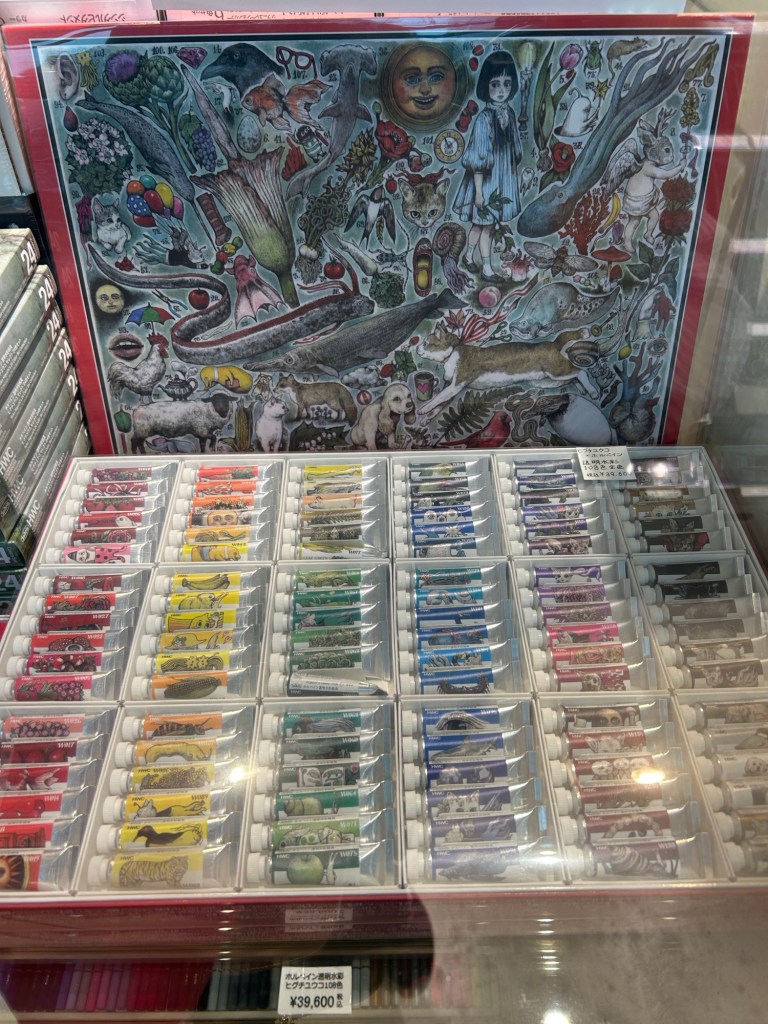
A dreamy box of watercolours. Art in itself.

I walked out thinking I had conquered this bit of local culture, at least—but no. There are many brands (TOTO being the elite) and types of toilets in Japan, adorned with a dizzying array of functions—to warm the seat, deodorise, etc etc. It’s all somewhat similar to a sophisticated car wash! In one hotel, the toilet would sense your presence and the lid would slowly rise as you approached, like some large carnivorous jungle flower. It was a little disturbing at first. Apparently some can even make you a quick cup of coffee or print out a shopping list, but I have not met them yet 🙂

The beach in Okinawa.

I loved everything about our trip—the food, the wonderful trees everywhere, the people bowing to each other. It is a very elegant custom and a lot more hygienic than the European fashion of kissing all and sundry. A lot of working people such as taxi drivers still wear white gloves.

The menu in a tiny restaurant up some rickety steps in Tokyo

Not many Japanese speak English, and why should they? They are a population of 123 million on their islands and inhabit their own world. The communication problems are easily solved with little pocket translators that everyone seems to carry. We relied heavily on Google Translate—for example, when arriving at a restaurant to discover the name was only written in kanji.

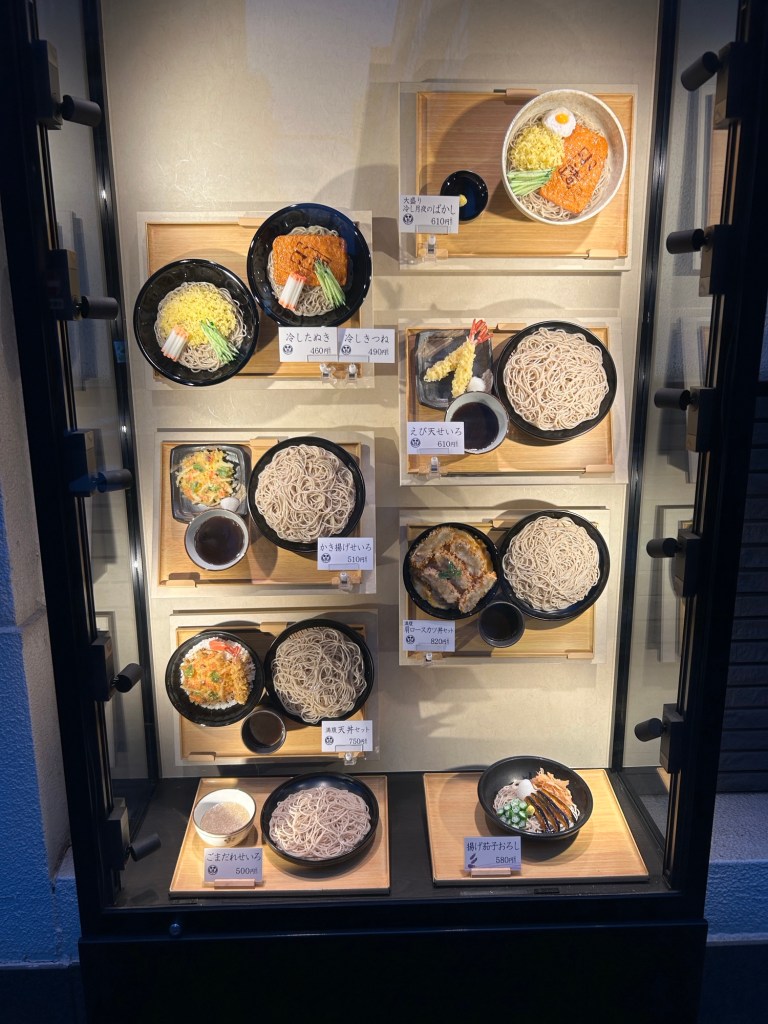
This is how you choose your food

Also they use laminated photos, or even fake versions of the food (see above) so you can see what you’re ordering. I loved it that even the food they qualified as ‘western’ had a Japanese twist to it—a sliced pickled radish here, a sliver of raw fish there.

French toast—a ‘western’ breakfast with a twist

Everything was delicious—tempura and sushi made to order before our eyes, street food, even the onigiri (rice balls or triangles) from the 7-eleven.

Most delicious ice cream

There are vending machines everywhere—selling beer, soft drinks, ice cream and all sorts of other stuff. It is very amusing when everything looks so different from the stuff at home. It all costs thousands in yen (but we did refuel the car for the equivalent of €23…)

If you zoom in, these are called Honnamayokan. Who knew?

A visit to the food hall in the basement of department stores is a voyage in itself. Almost nothing is recognisable…

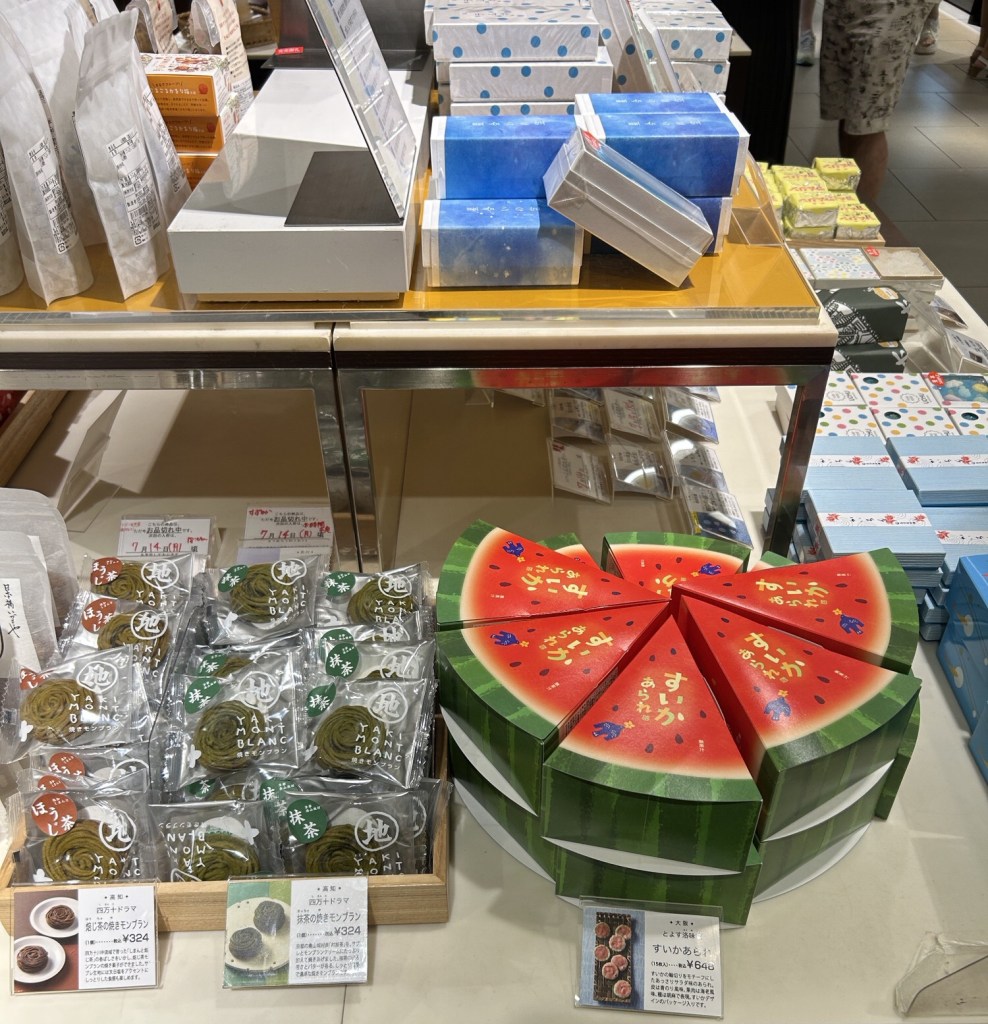
The most wonderful packaging

Also, the cars! Models that are not sold in Europe. I totally fell in love with the little boxy cars in Okinawa, where we spent a few days. Especially the little mint green Suzuki.

My dream car—so cute

I liked everything about our trip, so much so that, if I could possibly learn Japanese, I would seriously consider never coming back. Meanwhile, I am sorely tempted to acquire a TOTO toilet but sadly I do not think a Normandy plumber could cope with it.

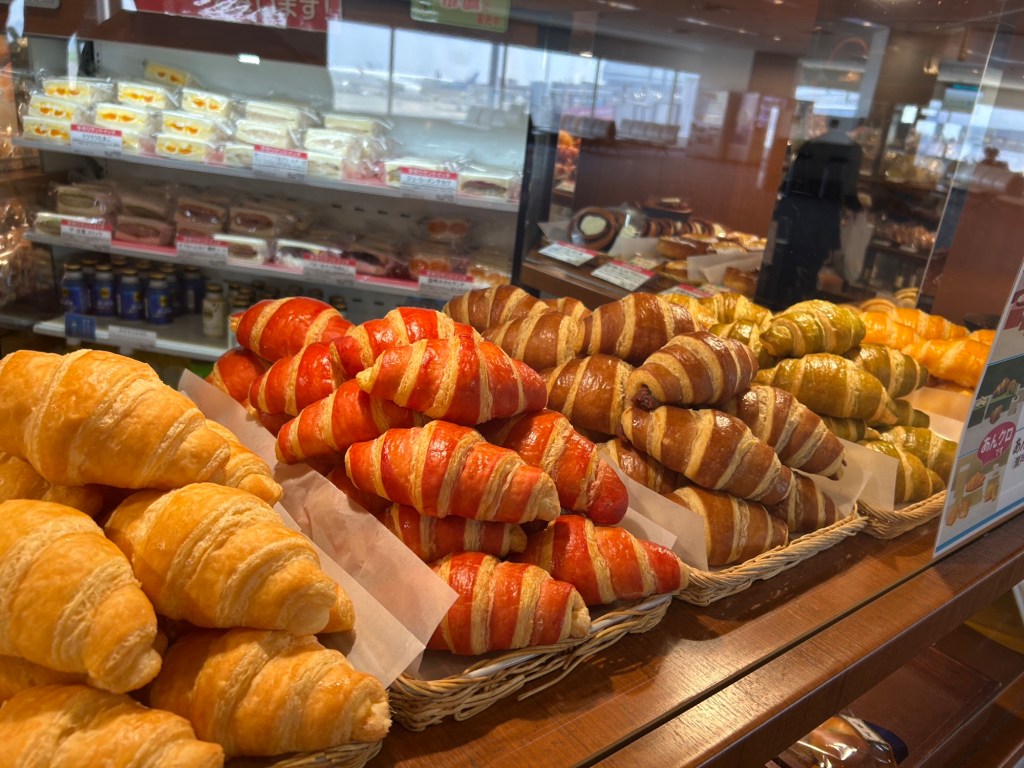
Croissants at the airport

More Japanese discoveries in later posts. Stay tuned.

Trouville then and now

There is an interesting exhibition on at the moment close to us in Trouville, at the Villa Montebello, a small museum housed in an old villa built in 1865 by the Comtesse de Montebello. After a chequered past, it was acquired by the city of Trouville and became a museum in 1972.

The exhibition is mainly devoted to the artist Charles Mozin (1806-1862), who was a Parisian but built a house and settled in Trouville in 1939.

He was one of many artists who left Paris (a polluted and stinking, overpopulated city) to seek cleaner skies and beautiful landscapes in Normandy. Why Normandy, and why Trouville? Well, it was close to Paris, a mere 4 days by the diligence (stagecoach) and there were beautiful beaches, wonderful light and fresh fish.

In the early 19th century, sea bathing became fashionable, starting in Dieppe, which had old ties with England where this activity began. And then Trouville was discovered, at the time a small, simple fishing village.

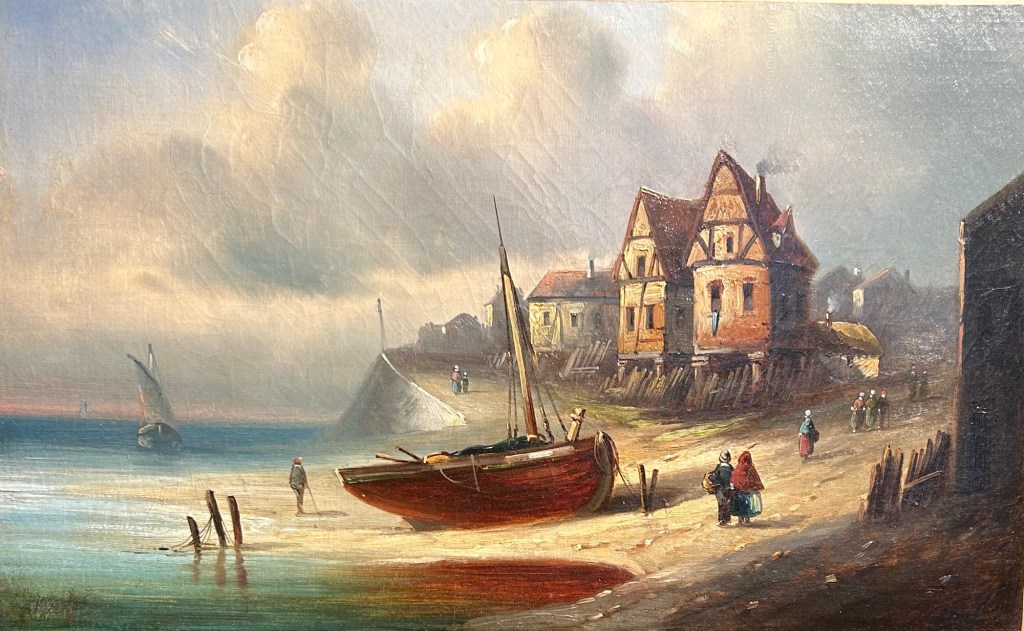
Early painting by Eugène Isabey

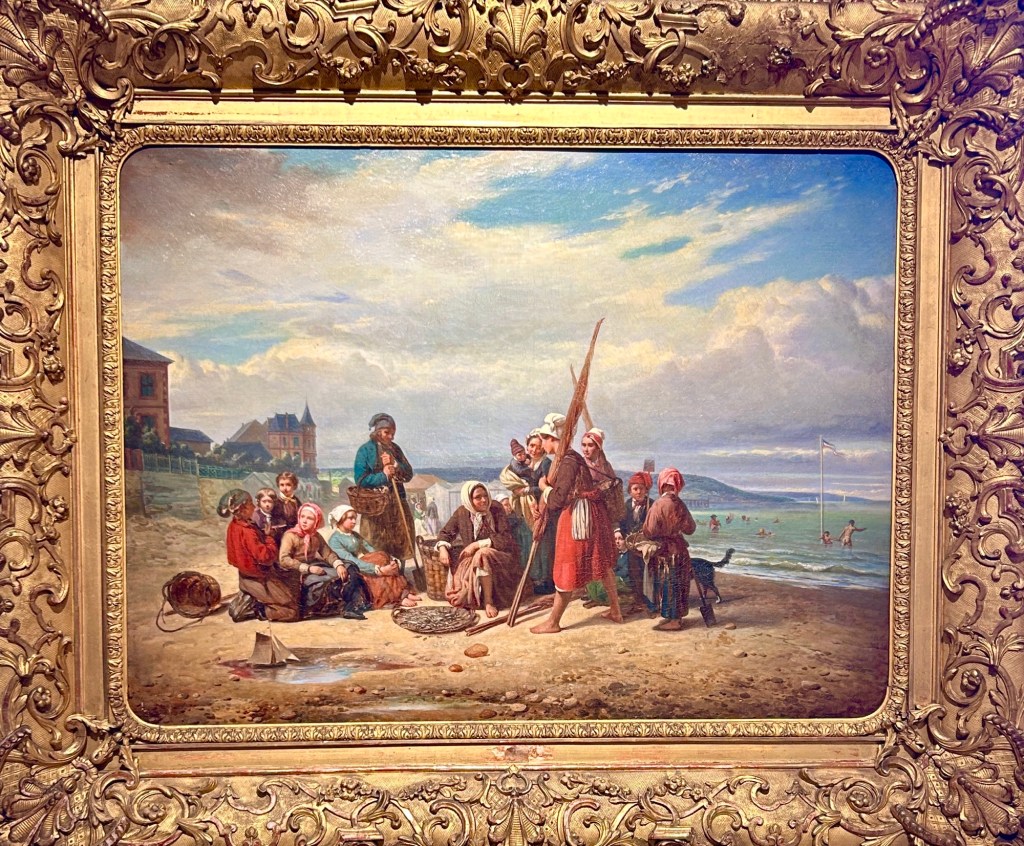
Around 1820, artists such as Eugène Isabey, Charles Mozin, Camille Corot and Richard Parkes Bonnington came to Normandy to paint and then exposed their works in grand Parisian exhibitions. People saw, were enchanted and came to visit. Rapid development followed and Trouville became a busy port as well as a station balnéaire. In the painting below, by Pierre Duval le Camus, one can see the juxtaposition of the old way of life with the new: a group of fishermen’s wives and their children are gathered on the beach, in a pause of their daily activities. It was a rough life—while the men were at sea, the women, aided by the children as soon as they were old enough, gathered mussels and sprats, mended nets, sold the fish their men caught in the market. They were hardworking and poor.

Pierre Duval le Camus, Trouville, Les Bains de Mer, 1851

Behind them to the right, one can glimpse bathers—people of a higher social class and better means, the tourists of the day.

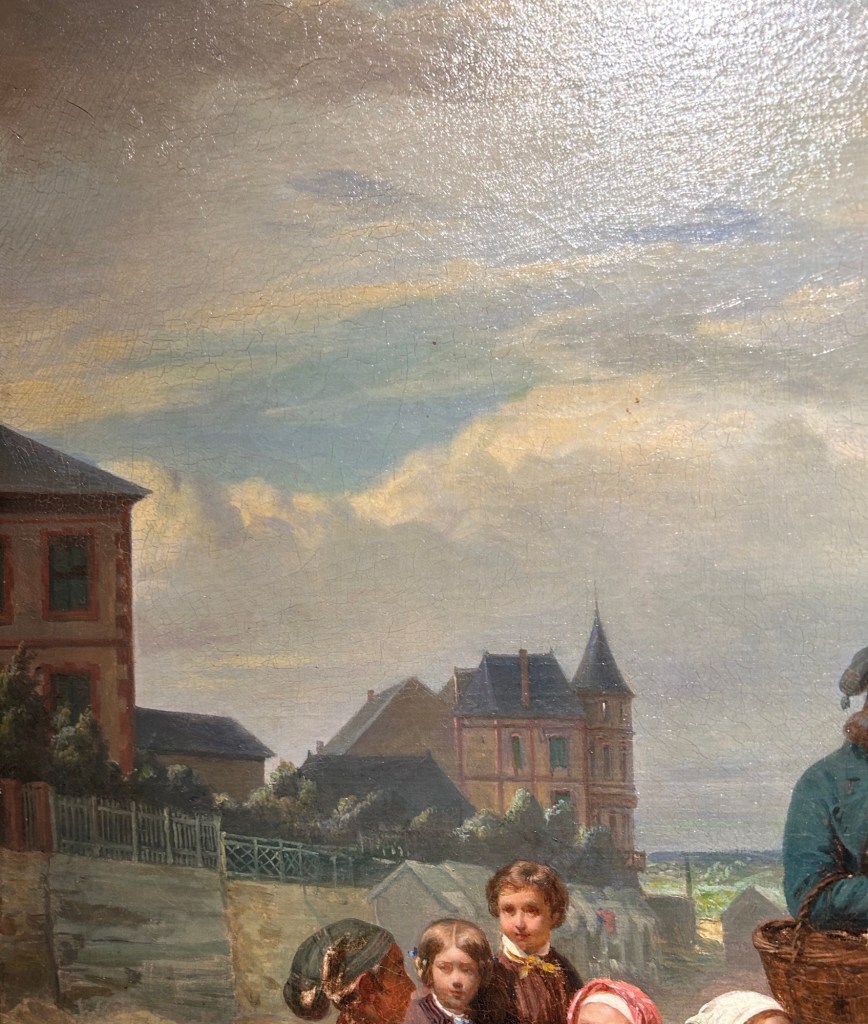
Detail

On the left, the buildings are not fishermen’s cottages, but vacation homes. The one on the right still exists, albeit in a very different setting.

Charles Mozin was the artist who best captured the progress of this development, about which he had very mixed feelings. He shunned society and much preferred the old, simple way of life. He was a very clever draughtsman, who captured details in his many sketchbooks and then went back to his studio in Paris to work on the large paintings.

In the background between the ships one can see the lights of the market, still busy at nightfall

A beautiful view of the Touque by moonlight. La Touque is the river which flows to the sea at Trouville. Ships sailed up the Touque to the port.

Above is an example of Mozin’s accurate and very detailed sketches.

Two ships entering the port

This huge painting shows how much sea traffic there was, and the difficulty of entering the port, especially in rough seas. The vessel on the left is a passenger ship, which sailed regularly from Le Havre and was the main way of reaching Trouville. On the right a fishing boat is trying to manoeuvre in the narrow passage. Sometimes there were accidents, and there is a story of a ship which, encountering strong winds and currents, floundered and sank, drowning everyone on board, despite people rushing to the rescue in small boats. Only a dog survived and, when it was fished out of the sea, it was found to have in its mouth its master’s jacket.

In this painting, also by Mozin, one can see the new bridge connecting Trouville with what was going to become Deauville. At the time the land was marshy, and the Trouvillais used to ford the river before the bridge was built to graze their cattle on the près salés (salt meadows). The small building on the right was a customs house.

Below is a photo of the view from the Villa Montebello

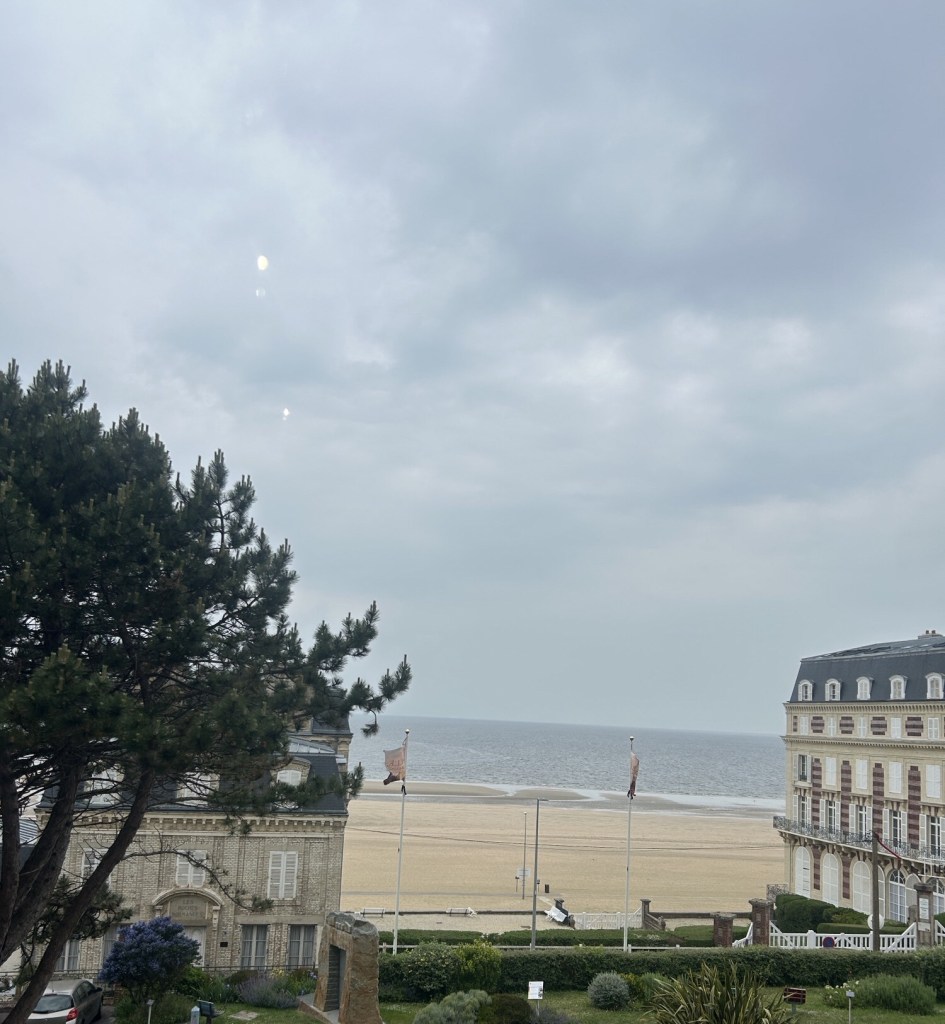
And finally, a view of Trouville today, at low tide. A lovely place, well worth visiting.

A Neapolitan journal

Thursday: Afternoon landing in Naples—a city with a prominent position on my bucket list because, what else, Pompéi (and pizza!) The taxi driver from the airport had us in stitches as, intent on having a conversation, he gesticulated so much his hands hardly touched the wheel! Twice he nearly went off into a side road, only to veer wildly at the last possible minute.

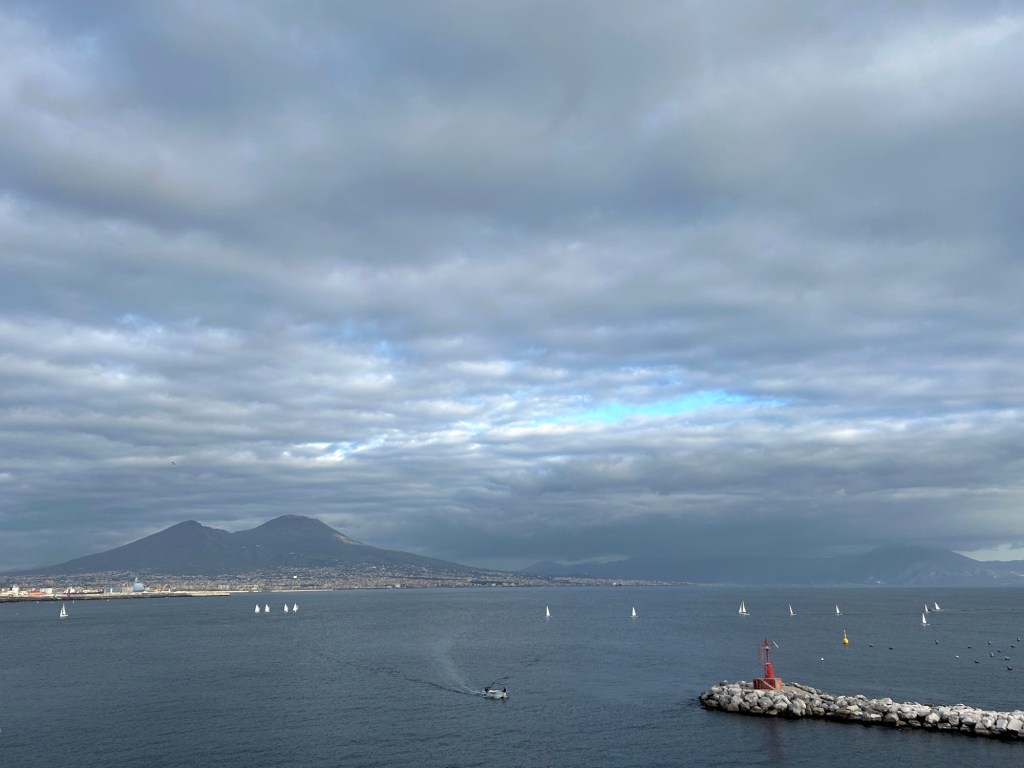
Our hotel on the waterfront had a view on the port, dominated by the majestic sight of the volcano. A busy port, with huge cruise ships moored next to ferries going to Sicily.

The Bay of Naples with Vesuvius looming

The afternoon was spent walking around the Piazza di Plebiscito in the historic center, bordered on one side by the huge, neo-classical Palazzo Réale and on the other by the Church of San Francesco di Paola, with its twin colonnades on either side.

Dinner in a traditional trattoria, where the owner’s husband and a friend regaled us with guitar playing and songs. Great food.

City planning BC

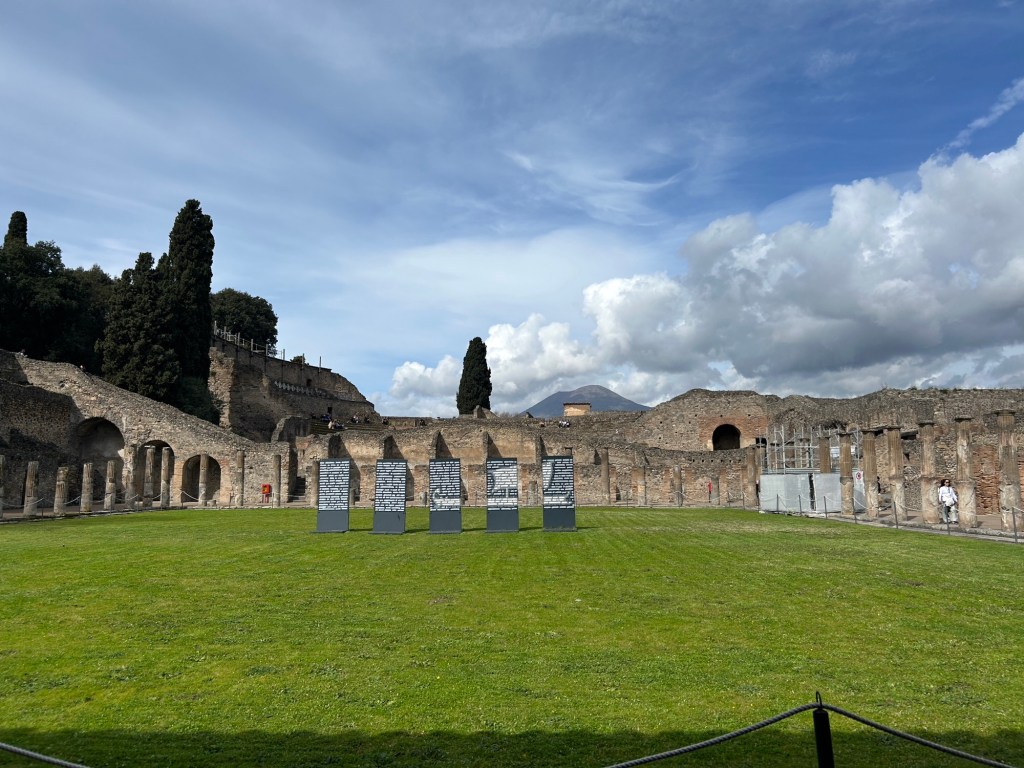
Friday: we treated ourselves to a guide, a great idea since Maria Luisa was enthusiastic and eloquent and answered all questions brilliantly. Pompéi was all I had expected—no, much more. I had not been prepared for the sheer size, the brilliant city planning, the length of the streets.

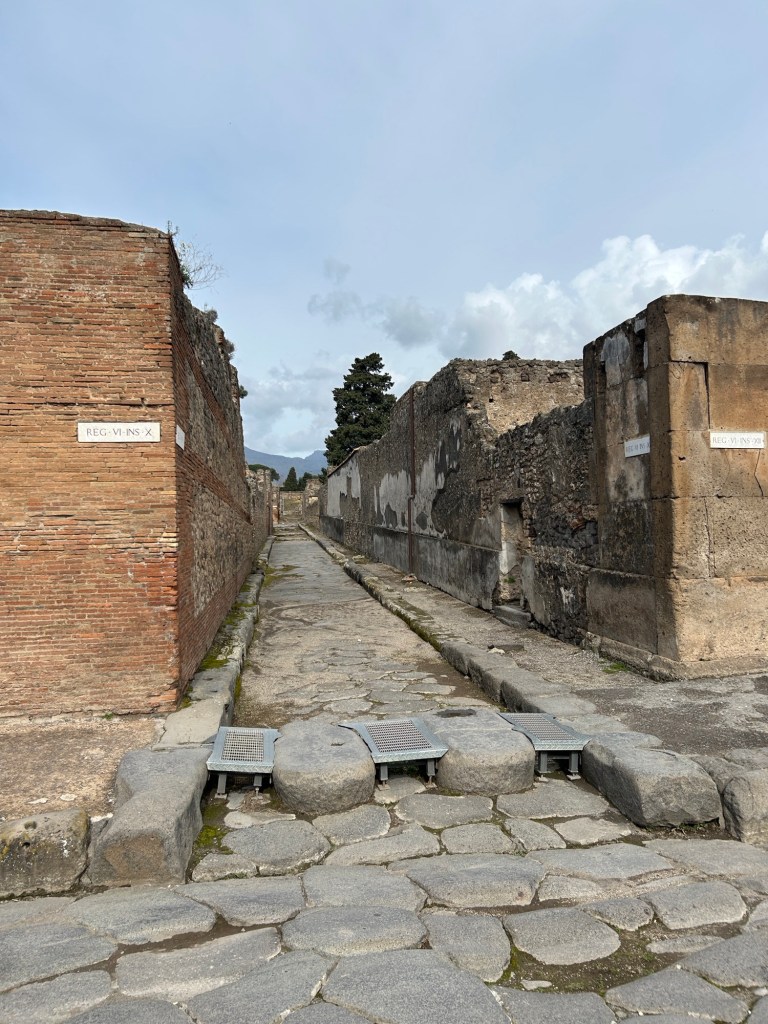
Stepping stones

Stepping stones were laid down so that people could cross the streets when they were flooded without getting wet. They also had ‘cat’s eyes’ of white marble in certain places so they would shine by torch light and people would not lose their way in the dark. Naples was a city of rich merchants and the villas reflect their wealth and status.

Roman villa with courtyard

The villas had courtyards and also, second floors which do not exist anymore—just the steps leading up to them.

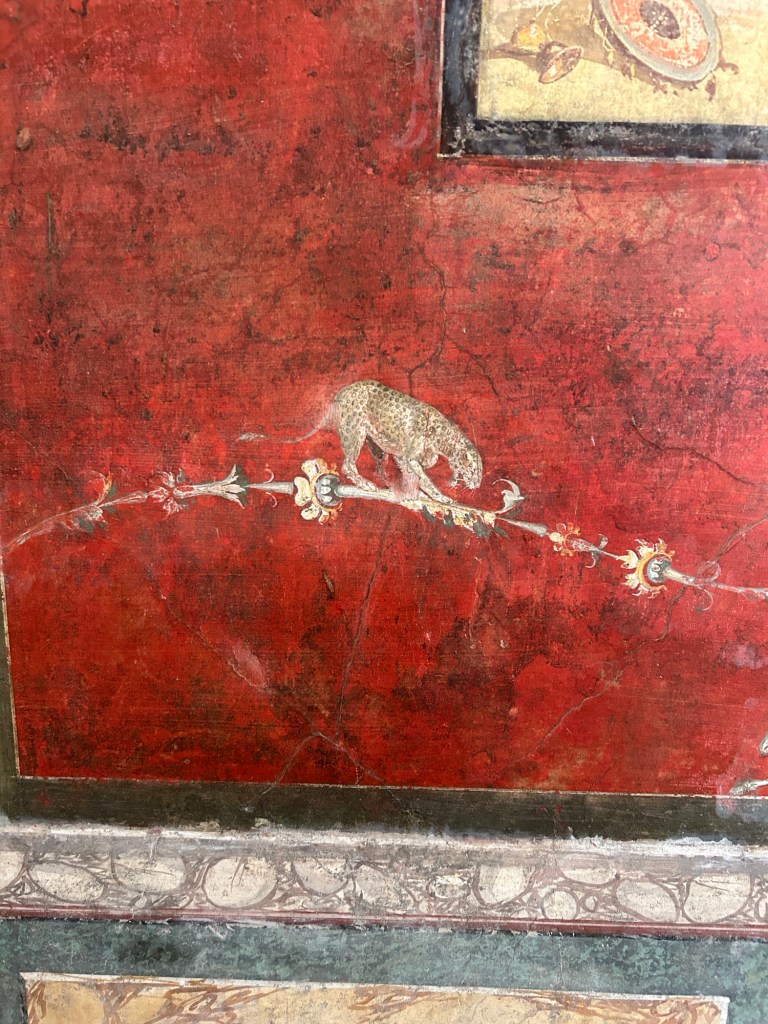
How many artists must have lived in this city, for houses to be decorated in such a manner? Breathtaking frescoes everywhere.

Detail of fresco

The Bathhouse, below, with its original roof intact. It was a proper spa, with baths of different temperatures, fountains and a changing room.

Of course there was a theatre, a stadium and a forum.

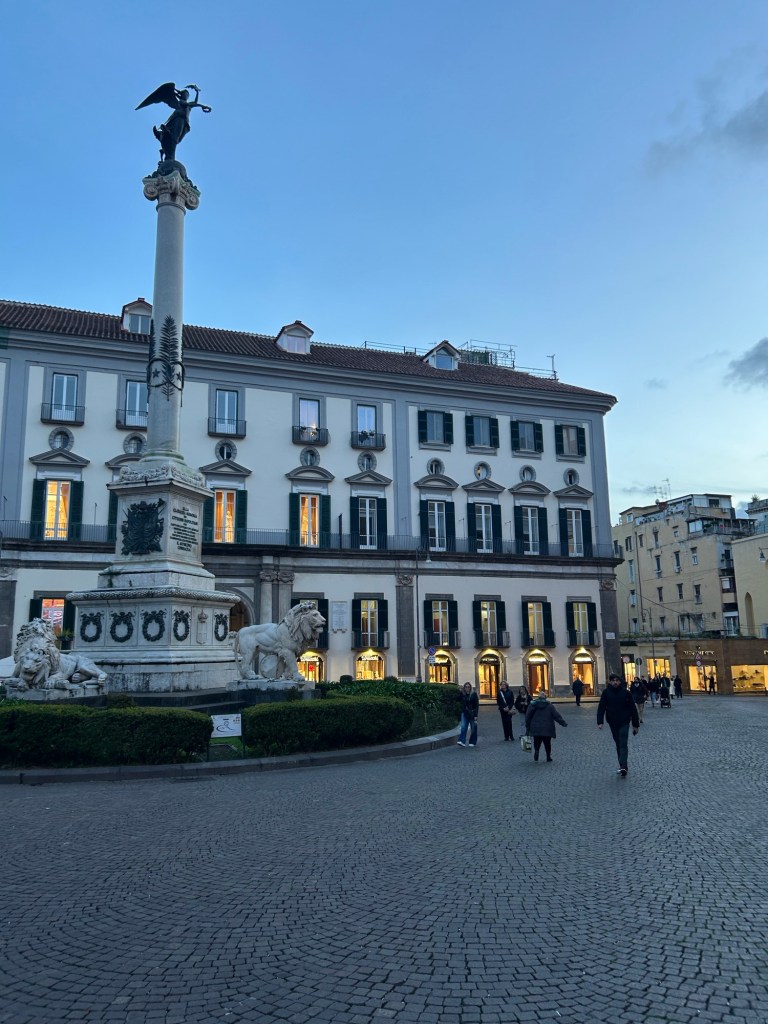
Afternoon walk around town, where narrow, crowded streets often lead you to an elegant piazza.

The city is noisy and dirty but vibrant and buzzing with life. Walking in one of the crowded streets a few drops of rain started falling and immediately people materialised out of nowhere, selling umbrellas!

Saturday: We drove up the Vomero hill to the Certosa di San Marino, a former monastery which is now a museum. There was a stunning view over the city, with its ochre and yellow and terracotta colours.

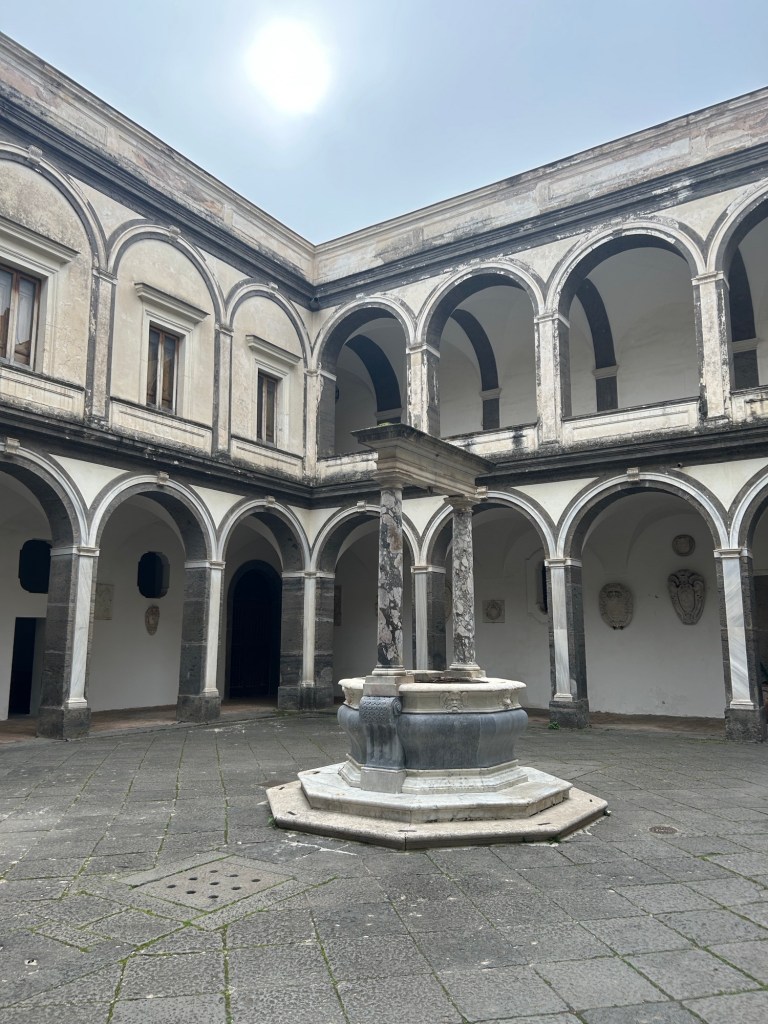
Monastery courtyard
Some rather intriguing sculptures

Although the artefacts in the museum were interesting, the biggest attraction was the great cloister, with its wonderful mature camellia trees in bloom. A magical place, where we had the supreme luck of being alone for some minutes.

In the afternoon we visited Naples Underground: under the lively historic center there is an extensive network of streets and squares that partly was built by the Romans and Greeks and carved out of the tuff. It is a labyrinth of passages, water tanks and tunnels, almost a replica of the city above. These were used by people taking refuge from earthquakes and the war. After the second war people lived down there for years, since the city above had been destroyed by bombs and they were homeless.

We emerged to walk about the streets again. And I must not forget to mention the memorable meals. Pizza, of course, since Naples is its birthplace, but also delicious pasta and fish and greens of every kind.

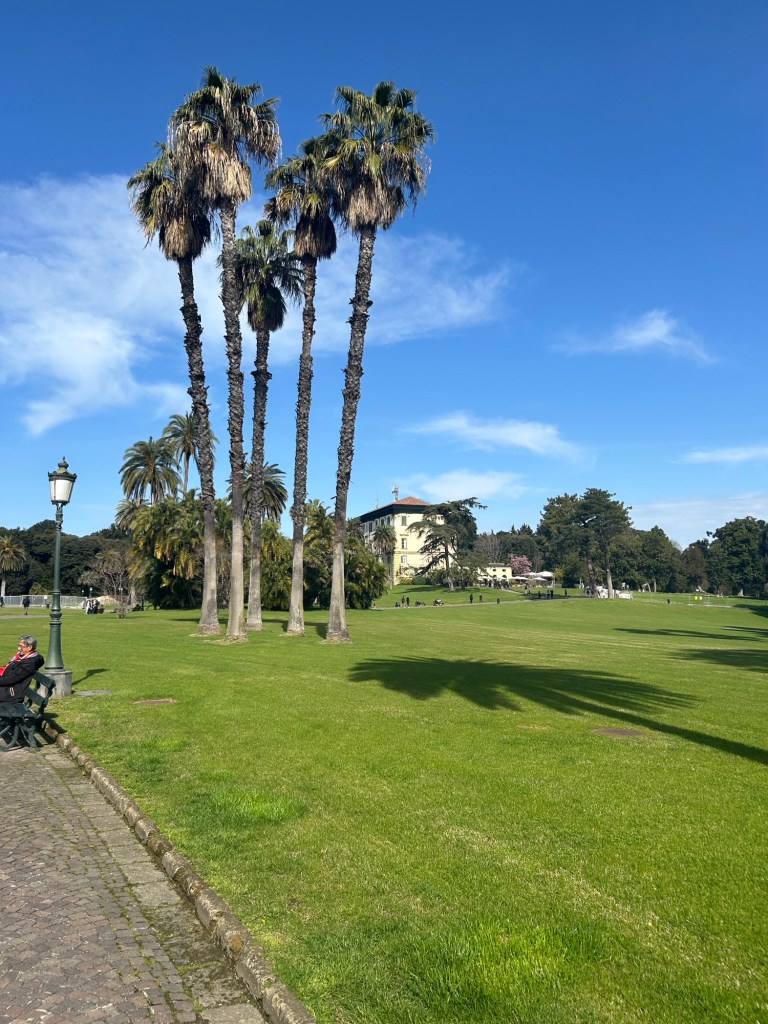
Sunday: Before catching our flight we tried to visit the Museum of Capodimonte, but sadly it proved impossible since, on the first Sunday of every month museums are free and there was a huge line. However, the museum has a lovely park with a café in which we enjoyed a coffee in the sunshine. It was also the last week of Carnival, so the waterfront was closed to traffic and teeming with people out with their families, children dressed up in multicoloured costumes.

All in all, a memorable few days.

Tuscan painting trip

An old friend whose husband is Italian organised a painting trip at their house in Tuscany and I got an invitation which I could not, as one can imagine, refuse. The house is on remote hillside near Pisa, with fantastic views over the surrounding countryside. This was still mostly green, with patches of yellow slashed by the dark green spears of cypress trees. The weather was brilliant throughout.


Sketchbook drawing

The painting experience was spread over two weeks, in order to accommodate all aspiring artist friends, and sadly on the days I was there, the artist who was to teach us was absent—leaving me in the position of being the most experienced guest.

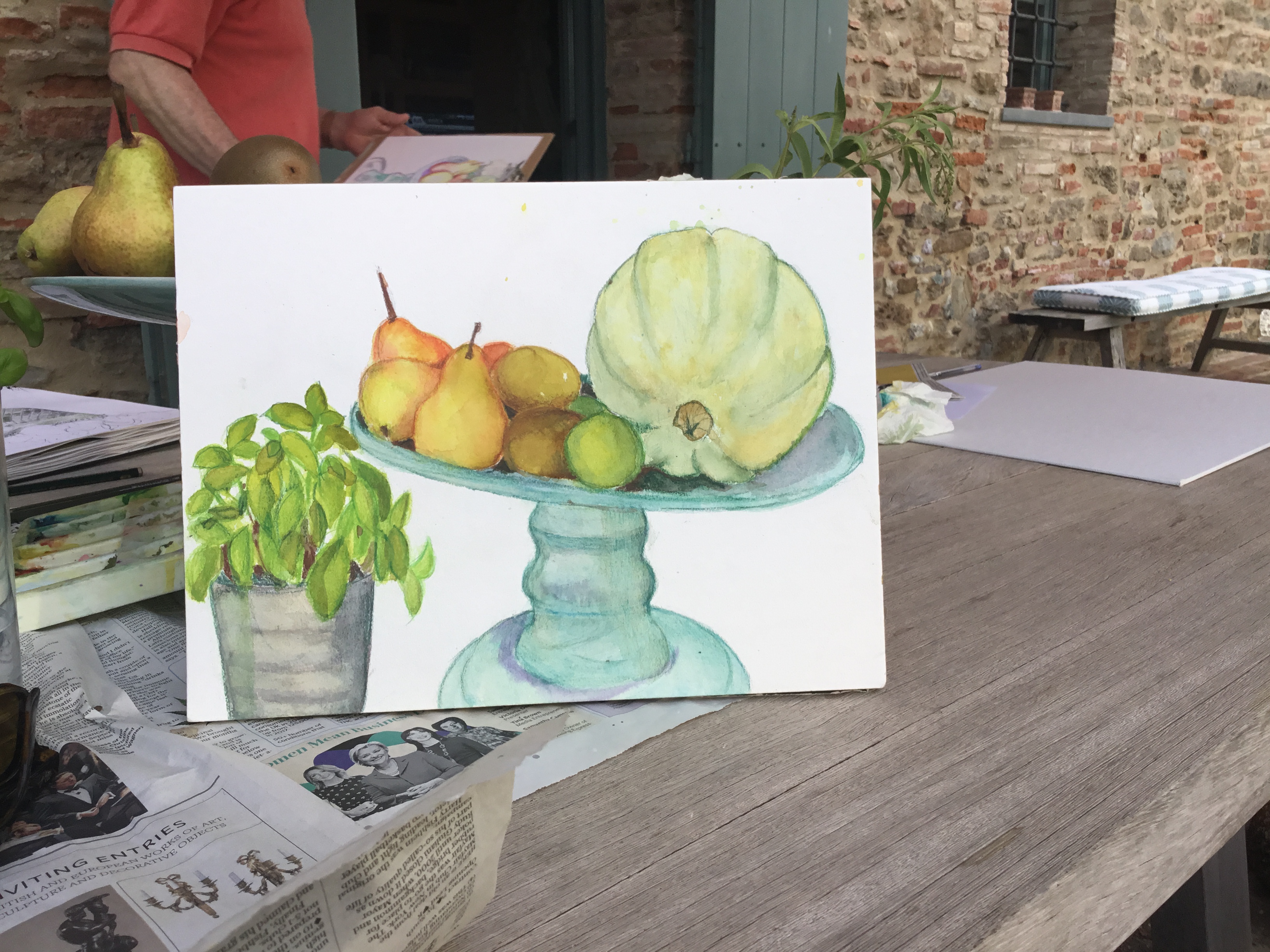
Still life on the terrace

However, while I did not get the opportunity to learn from someone else as I had hoped to do, it was so much fun to paint—and eat—with others in such beautiful surroundings that I really could not complain.

One day we took the opportunity to drive to Florence, where we went around the Palazzo Pitti. I had visited this museum years ago and I can report that nothing has been done to it since. With the new style of curating now prevalent, I found it extremely old fashioned. Rows and rows of dark paintings of the Virgin Mary against a wallpaper of dark red stripes. More rows of Allegories in the next room. Rows of portraits of unattractive people. Heavy frames with the names of the artists on tiny bronze plaques—I had to lean right in to be able to read them and, every time I did so, I set off the alarm!

However, the views from the windows were stunning.

Florence rooftops seen from the Palazzo Pitti windows

We went through a multitude of rooms, one after the other, badly lit and even more badly ventilated, which tired me out and made it hard to seek out the treasures—for, of course, the Palazzo Pitti is full of treasures-


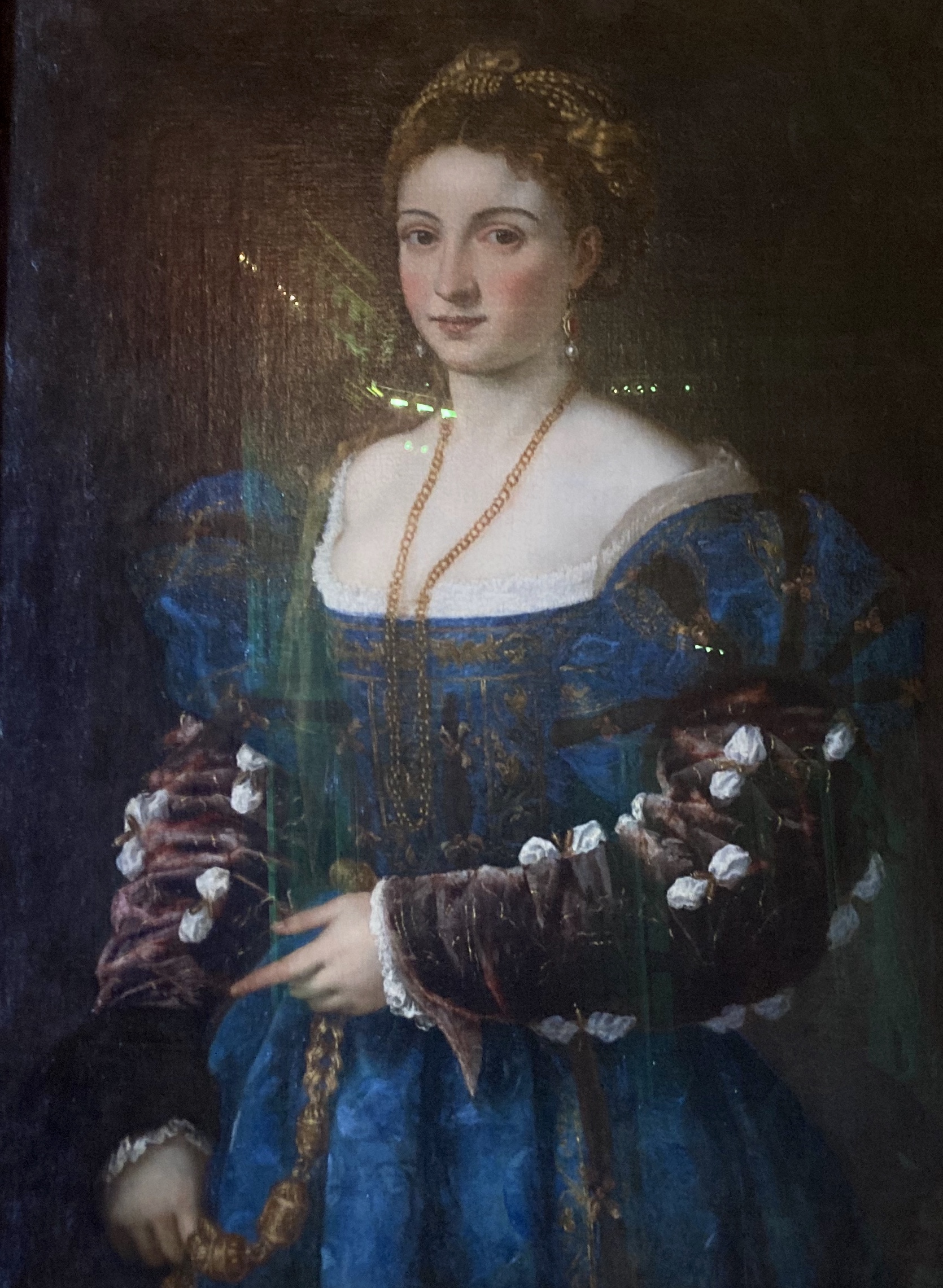
-such as frescoes to die for around the ceilings, and, above all, the incomparable Titians.


After lunch in a small tratoria hidden away in a side street, we walked in the Bardini Gardens.

And I cannot finish this post without a mention of the food—Italian food being, to my taste, the pinnacle of deliciousness.

A view of the Ponte Vecchio

Another hillside

Mystras, a Byzantine city

A silver lining of the pandemic has been the lack of visitors in historic sites, and May is a perfect month for exploring Greece, since it’s not too hot yet.

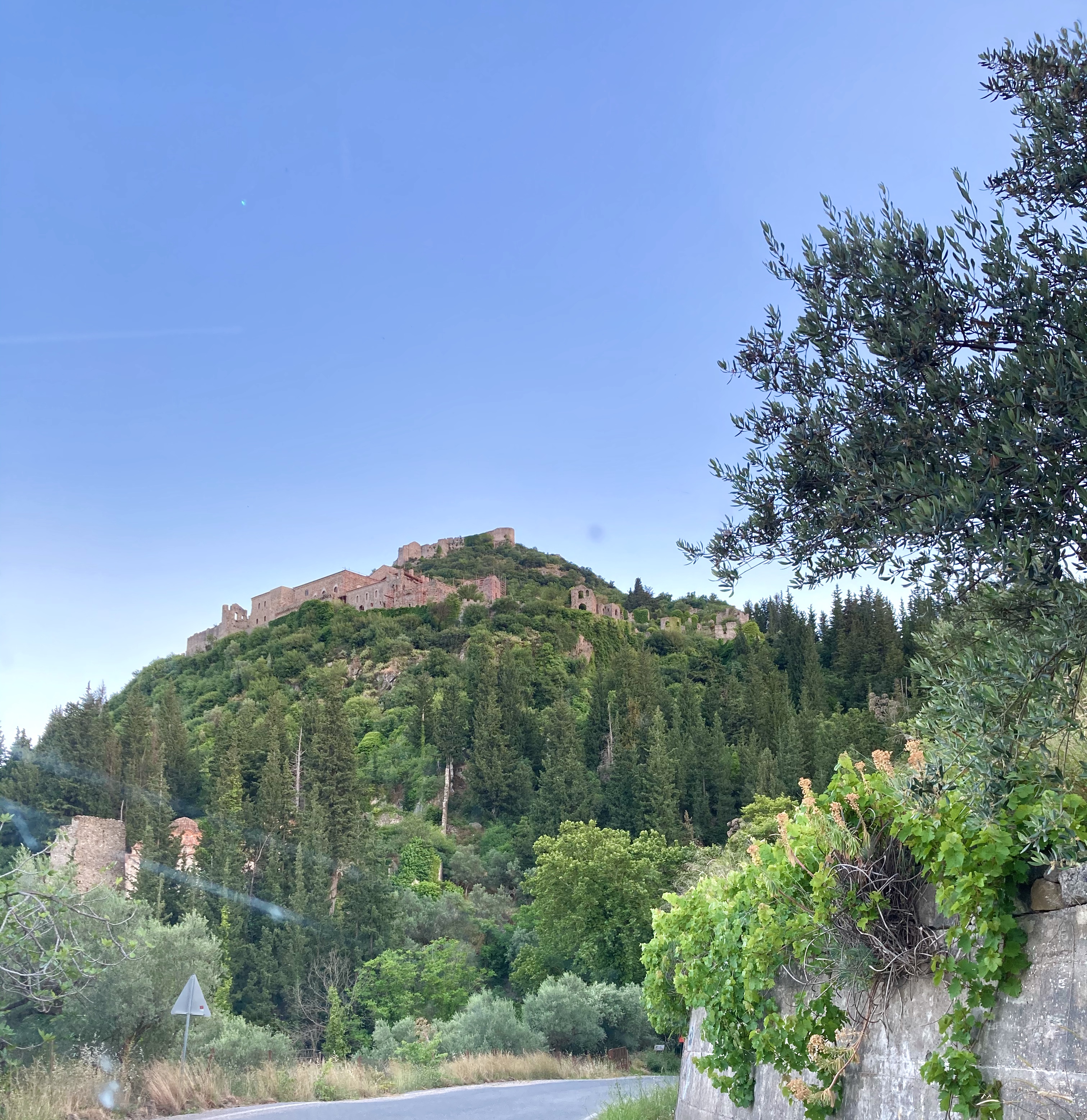
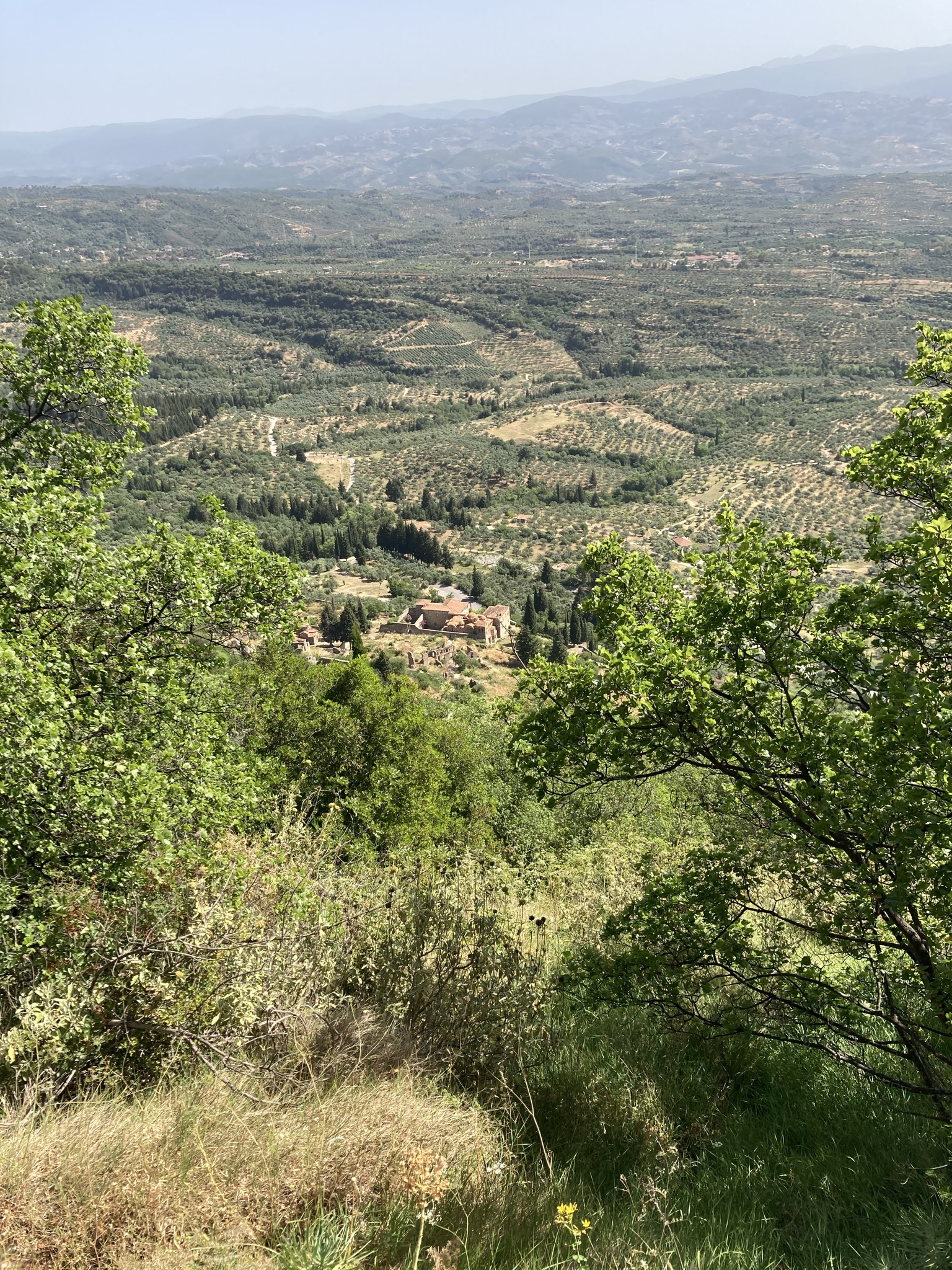
The view of the fortified town from the road

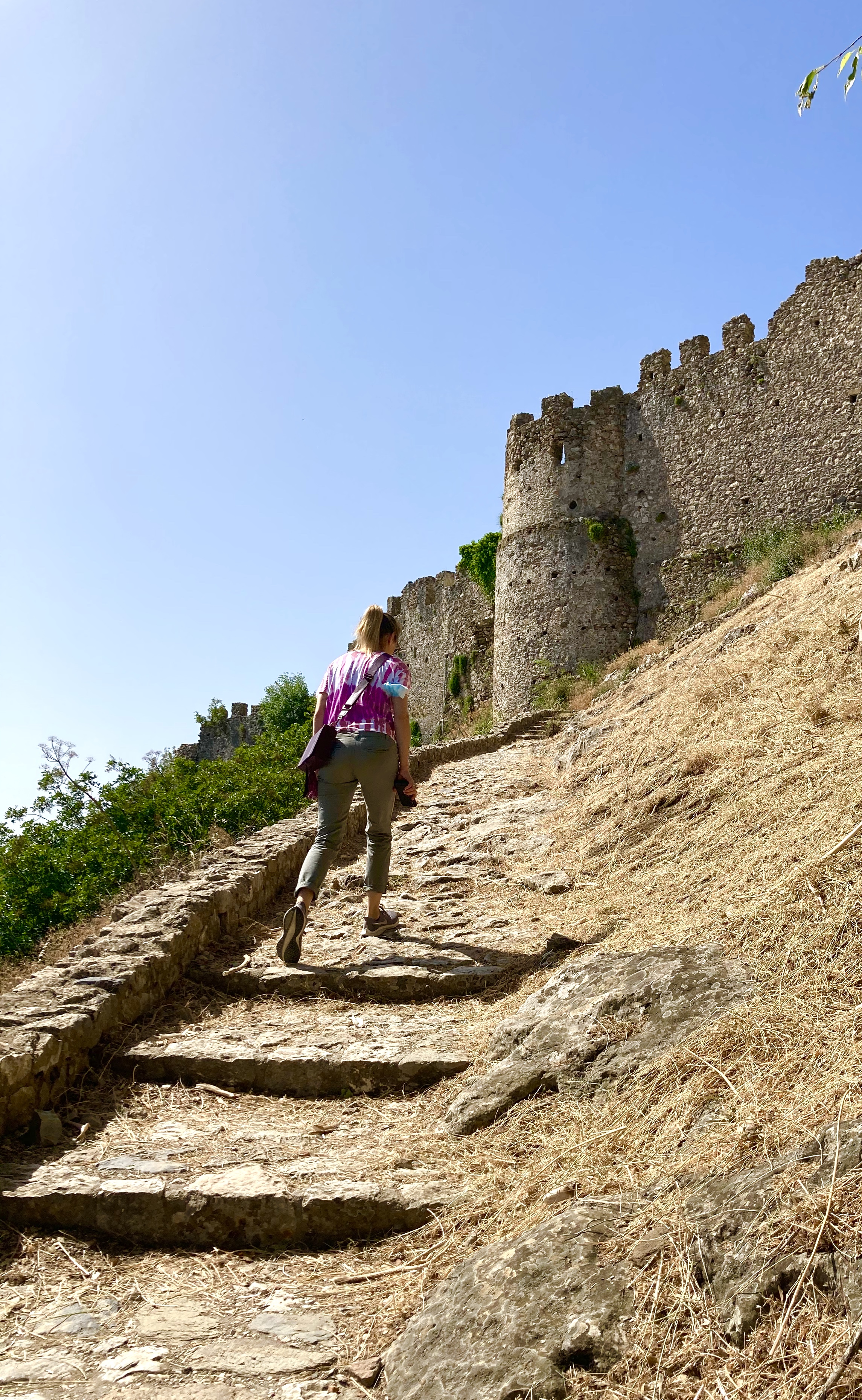
A recent road trip to the Byzantine city of Mystras involved a hike up to the fortress during which we only met a handful of other visitors.


Mystras is a fortified town in the Peloponnese, built in 1248 by Guillaume II de Villehardouin, ruler of the Frankish Principality of Achaea. In 1259, William of Villehardouin was defeated and captured, along with many of his nobles, at the Battle of Pelagonia, by the forces of the Nicaean Emperor Michael VIII Palaiologos. Two years later, the Nicaeans recaptured Constantinople, putting an end to the Roman Empire and establishing the Byzantine Empire. At this point, the emperor concluded an agreement with the captive prince: William and his men would be set free in exchange for an oath of fealty, and for the cession of Monemvasia, Grand Magne, and Mystras. Thus henceforth Mystras served as the capital of the Byzantine Despotate of the Morea in the 14th and 15th centuries, during which period the city prospered, culturally as well as practically, producing silk, citrus fruit and olive oil which were exported to Western Europe.


The view of the church of Pantanassa  from above

Wild flowers and butterflies were abundant, and the only sounds  were the chirping of birds and the buzzing of bees.


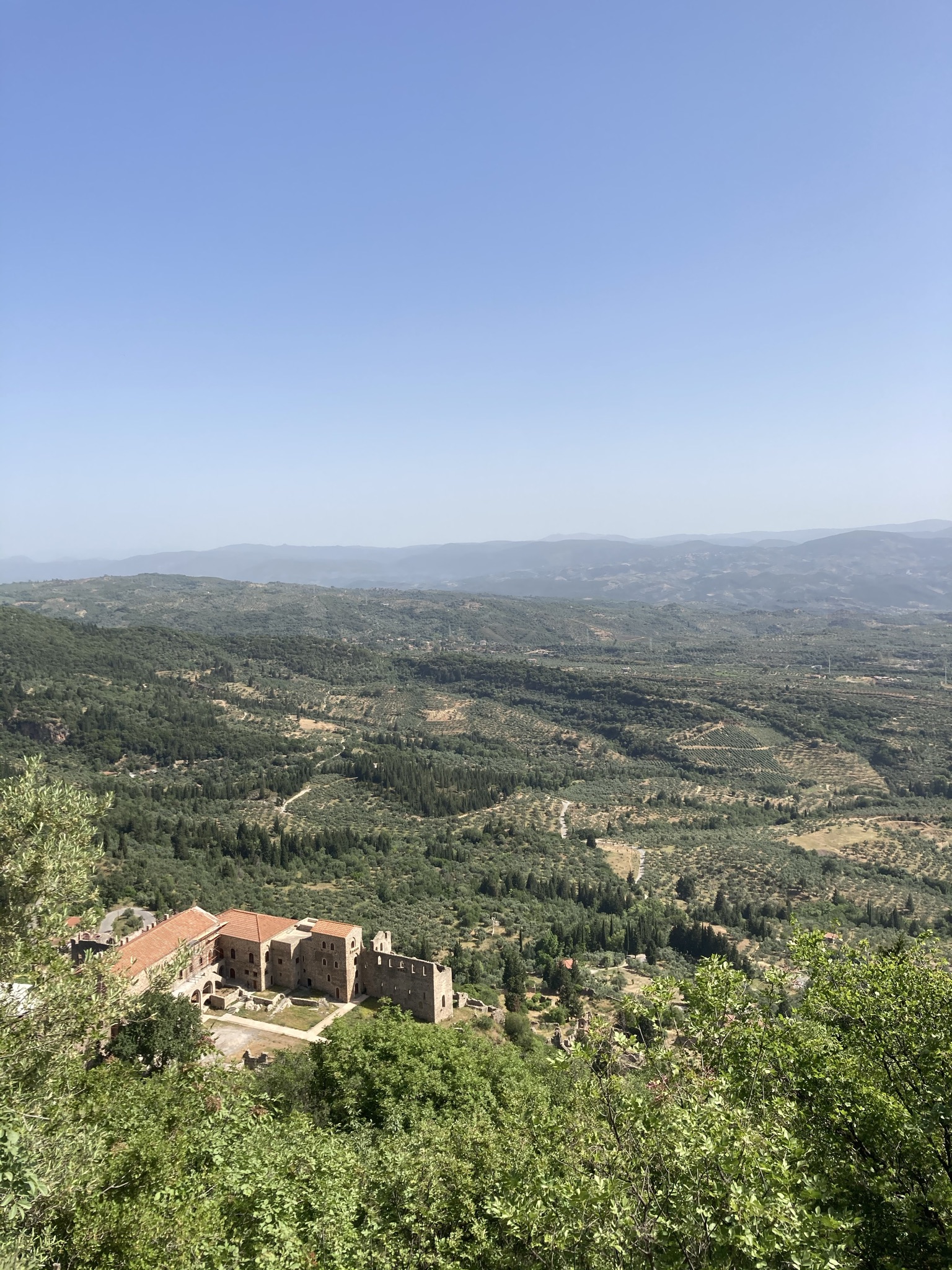
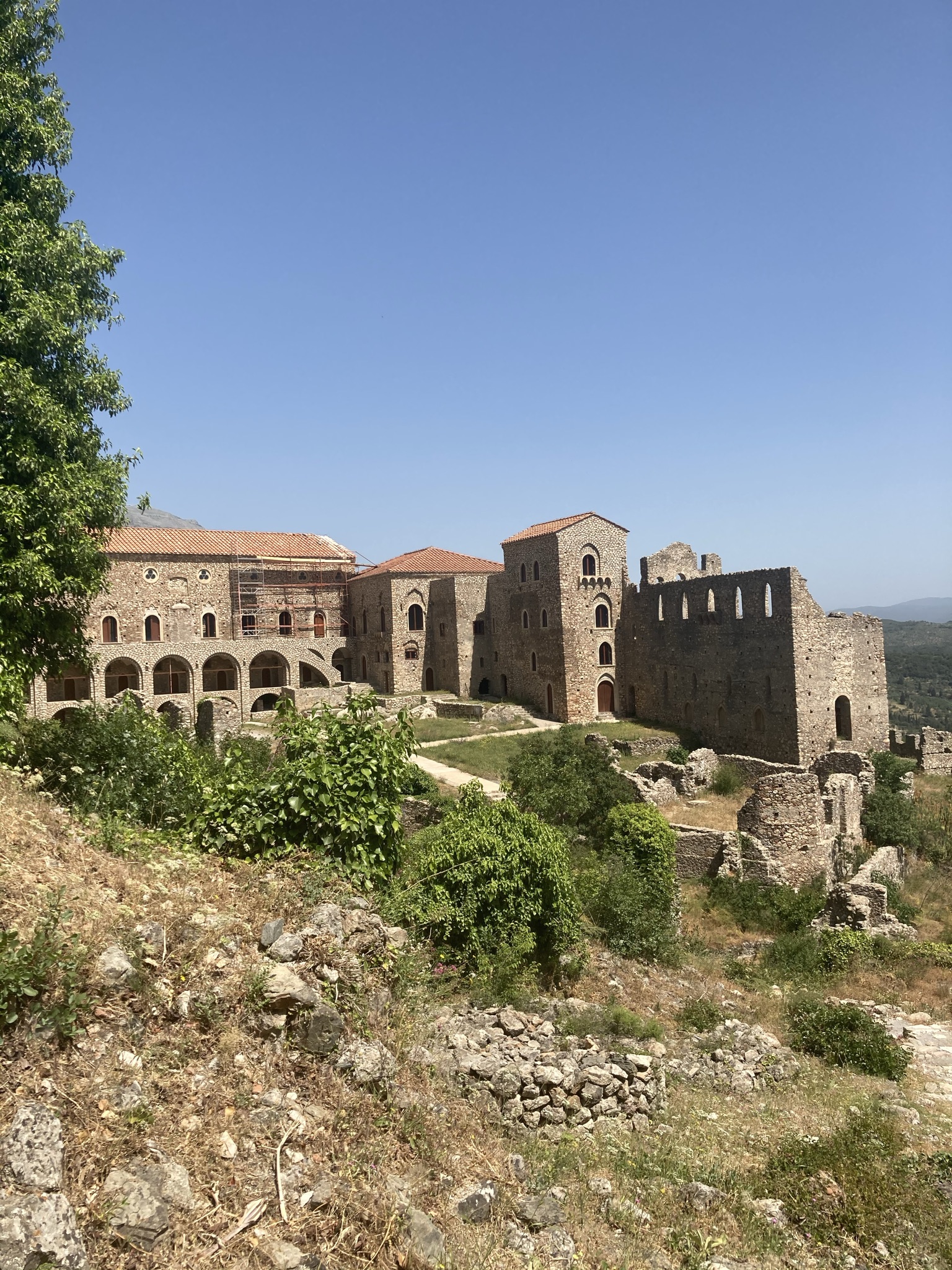
The view of the Palace complex from the top

It is a magical site, like so many others in Greece.


The Palace complex is being restored

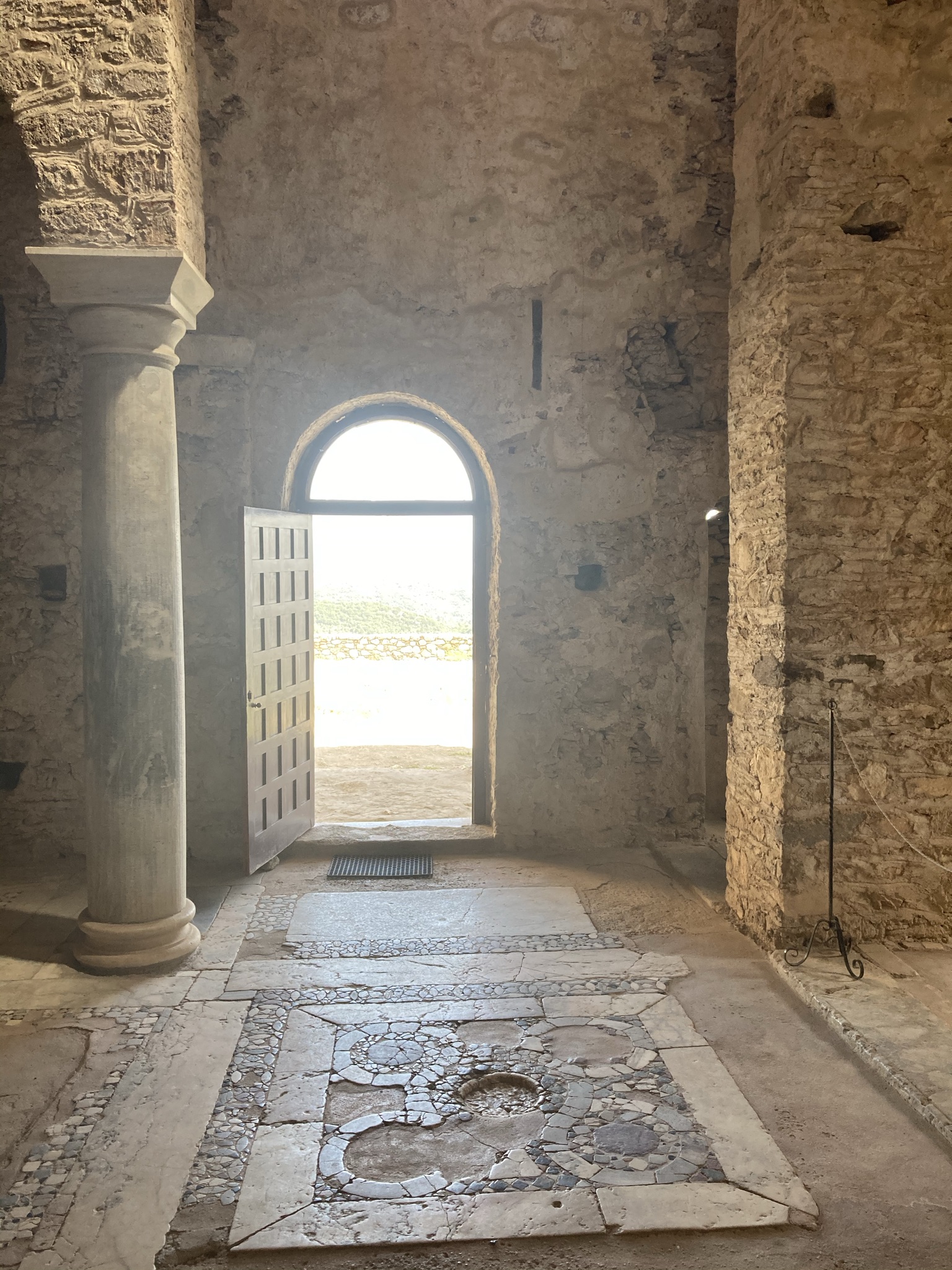
The city contains a number of beautiful churches, in different states of preservation.

Icons in the small but beautiful church of Aghia Sofia

Looking out

And a view of the lovely Monastery of Pantanassa

Photo: Wiki commons

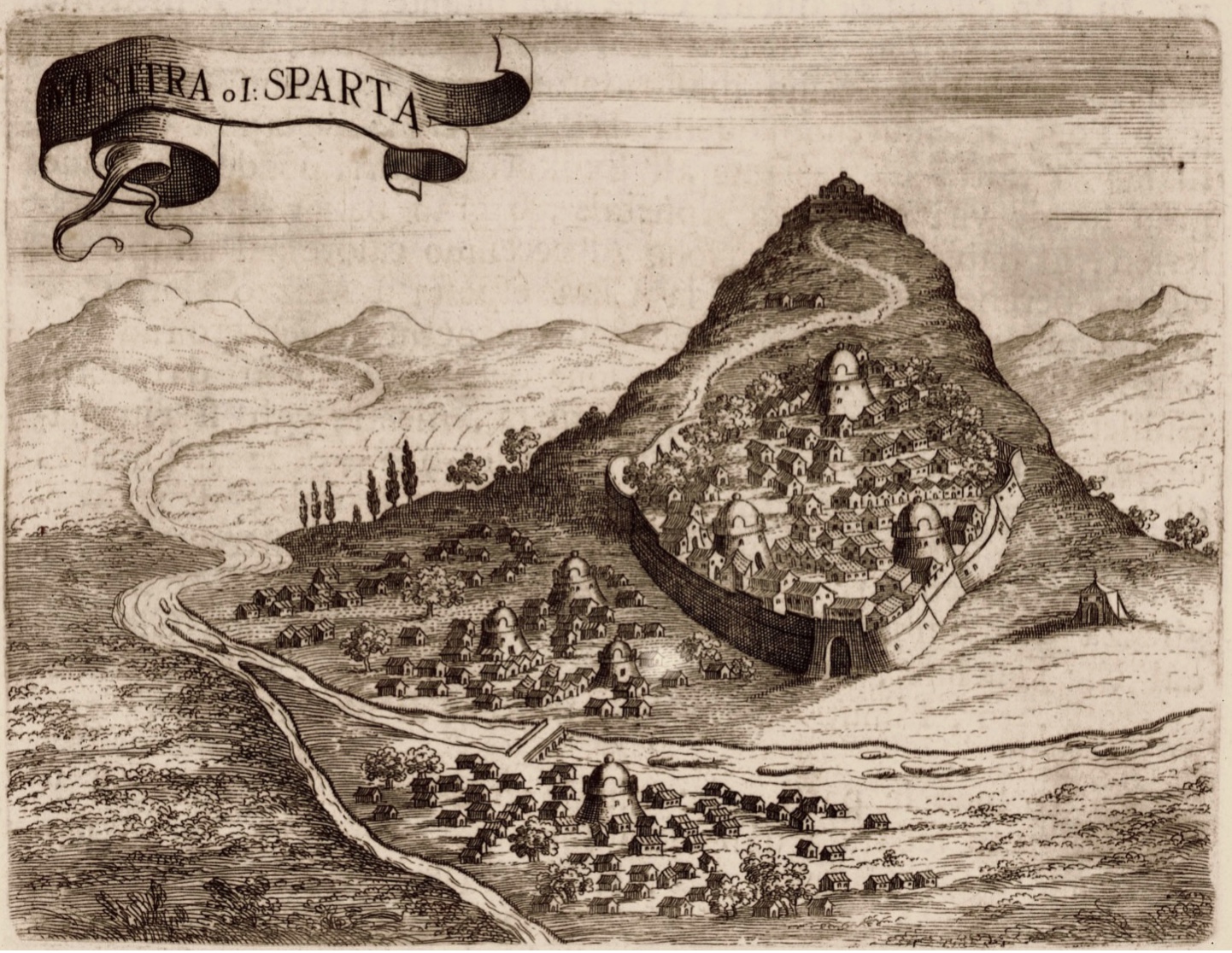
An old map of the city

Photo: Wiki commons

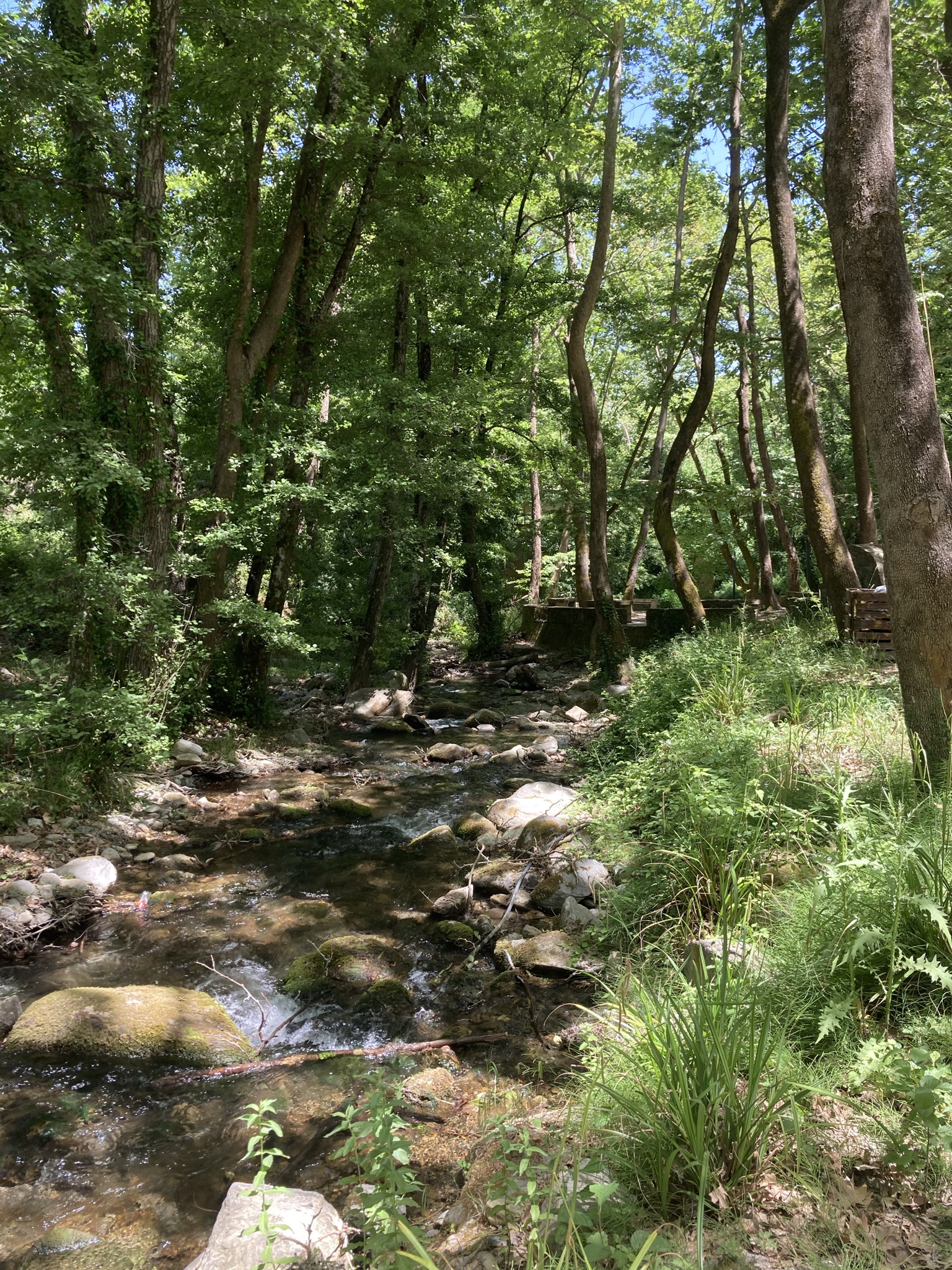
The hike made us hot and thirsty, so we descended to the village. After ice cold drinks under the shade of mulberry trees in the village square, we repaired for lunch to the village of Kastori. A small taverna with a garden full of roses at the back provided us with an excellent Greek salad and a simple meal followed by a bowl of cherries from their tree. This fortified us for another, this time shady, hike by a stream in the forest at the feet of the majestic Taygetos mountain.


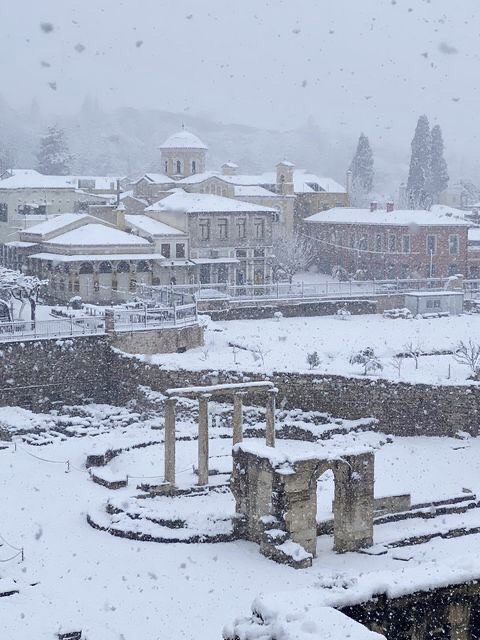
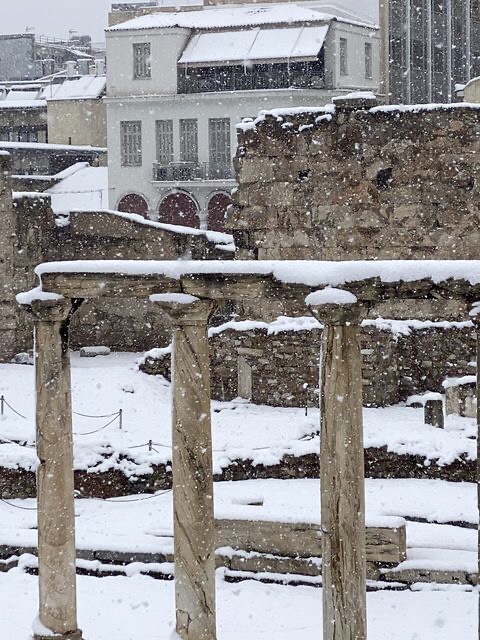
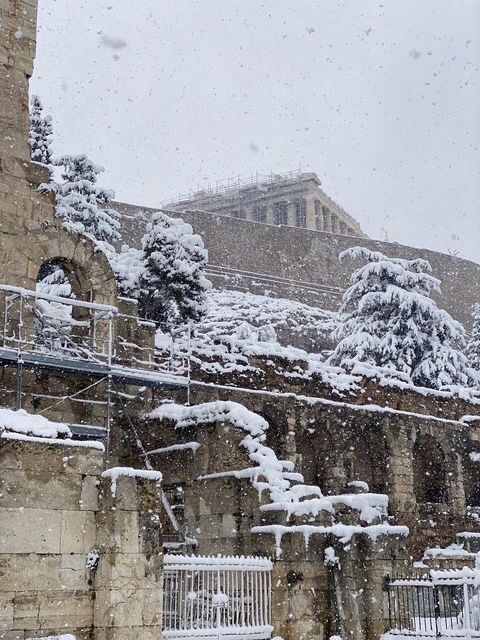
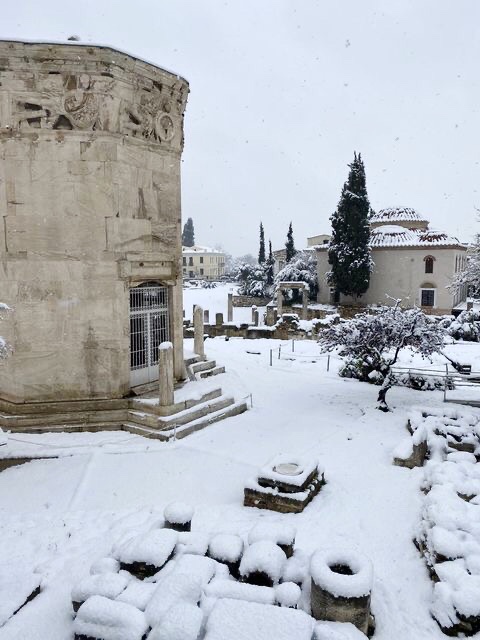
Snow on ancient stones

While people who live in northern countries are getting heartily sick of snowy conditions, in Athens deep snow is so rare and lasts so little that it’s a cause for celebration. Schools stay shut since anyway many of the roads are closed, and everyone just makes the most of it.


A friend who is fortunate enough to live downtown, close to the Acropolis and the ruins of the Parthenon sent me these wonderful photos.


The Parthenon

The entrance to the Odeon of Herodotus Atticus


Did the Ancient Greeks make snowmen? It’s very probable.

The Tower of the Winds was built around 100 – 50 BC by  Andronicus of Cyrrhus for measuring time.


At the foot of the rock


Flying the flag on the walls


An overview


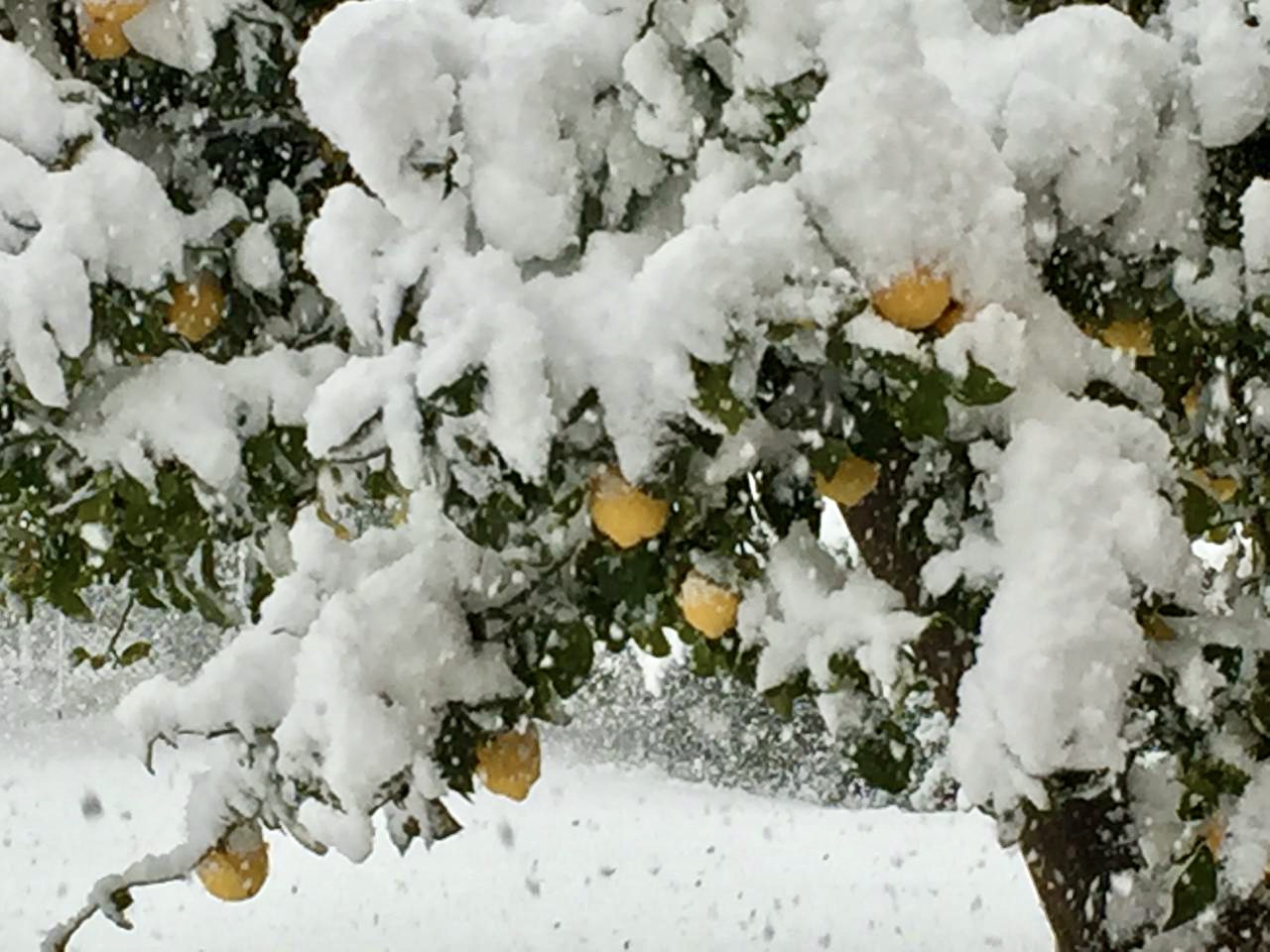
Lemon sorbet: this one was taken by my sister in her garden

All other photos by Eugenia Kokkala-Mela, owner of the wonderful HEROES shop at the foot of the Acropolis. 


And the best of it? Tomorrow there will probably be brilliant sunshine, and all traces of slush will vanish.

The Image of Greece

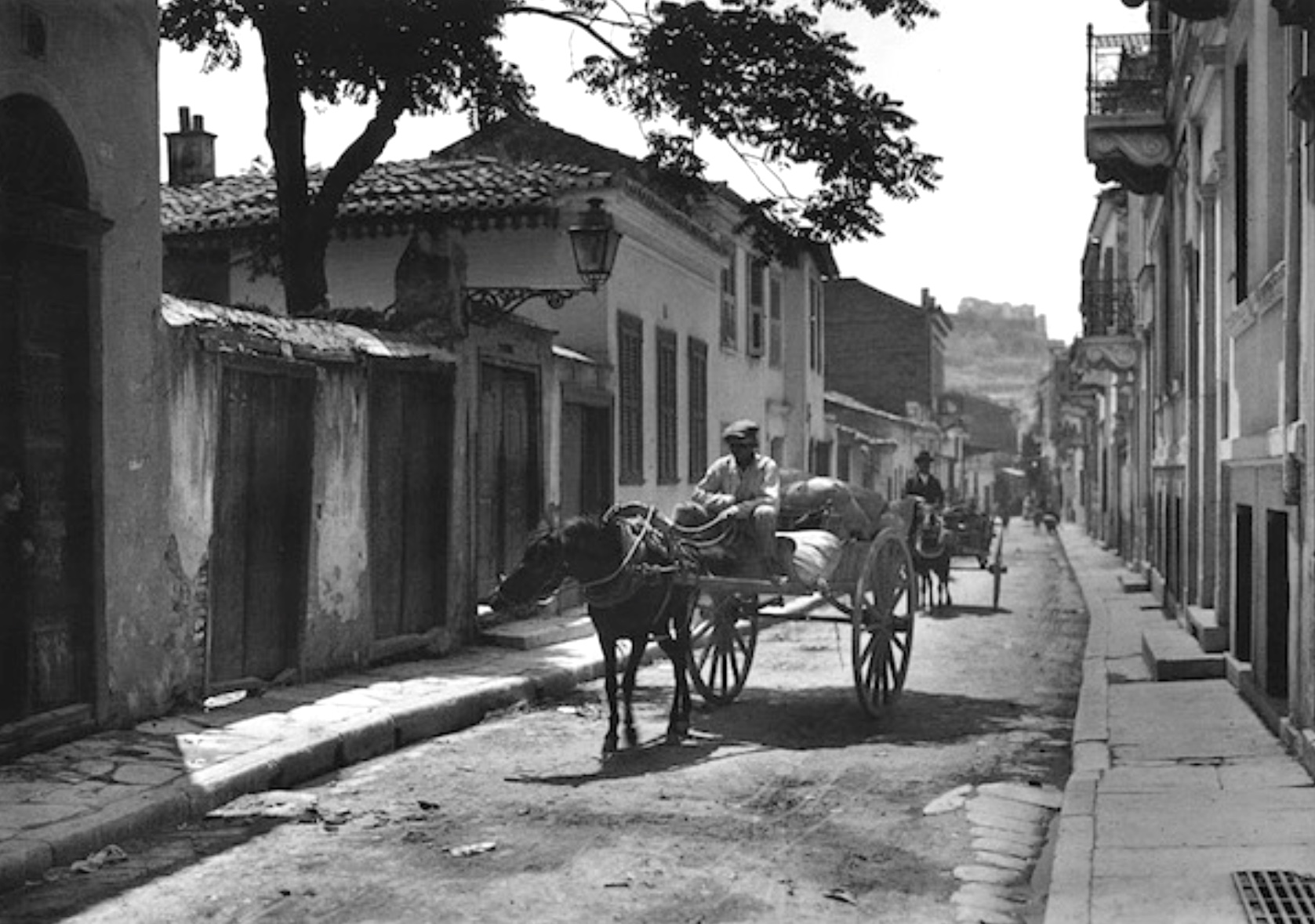
Fred Boissonnas (18 June 1858 – 17 October 1946), a Swiss photographer from Geneva, made several trips to Greece between 1903 and 1933, documenting all aspects of the country using notes, drawings and especially photographs. He published 14 photo albums dedicated to Greece, many of which belong to the thematic series entitled L’image de la Grèce (The Image of Greece). He travelled around the country, visiting archeological sites as well as remote villages—the first foreign photographer to do so. His aim was to contribute to the identity of Greece in Europe.

Parga, 1913


Boissonnas persuaded the Greek authorities that his photographs would enhance the country’s political, commercial and touristic image abroad.


Shepherds on Mount Parnassus, 1903


Looking at these pictures, one can be forgiven for asking, how?


Boissonnas being pulled up to a monastery in Meteora, by net.


Certainly, they are wonderful and picturesque daguerreotypes, but they portray a poor though beautiful country, where the traveler could hardly expect to find many comforts.


A street in Plaka, Athens
Market street, Andritsaina, 1903


Cities with roads still unpaved.


Metsovo, 1913

Barefoot village children.


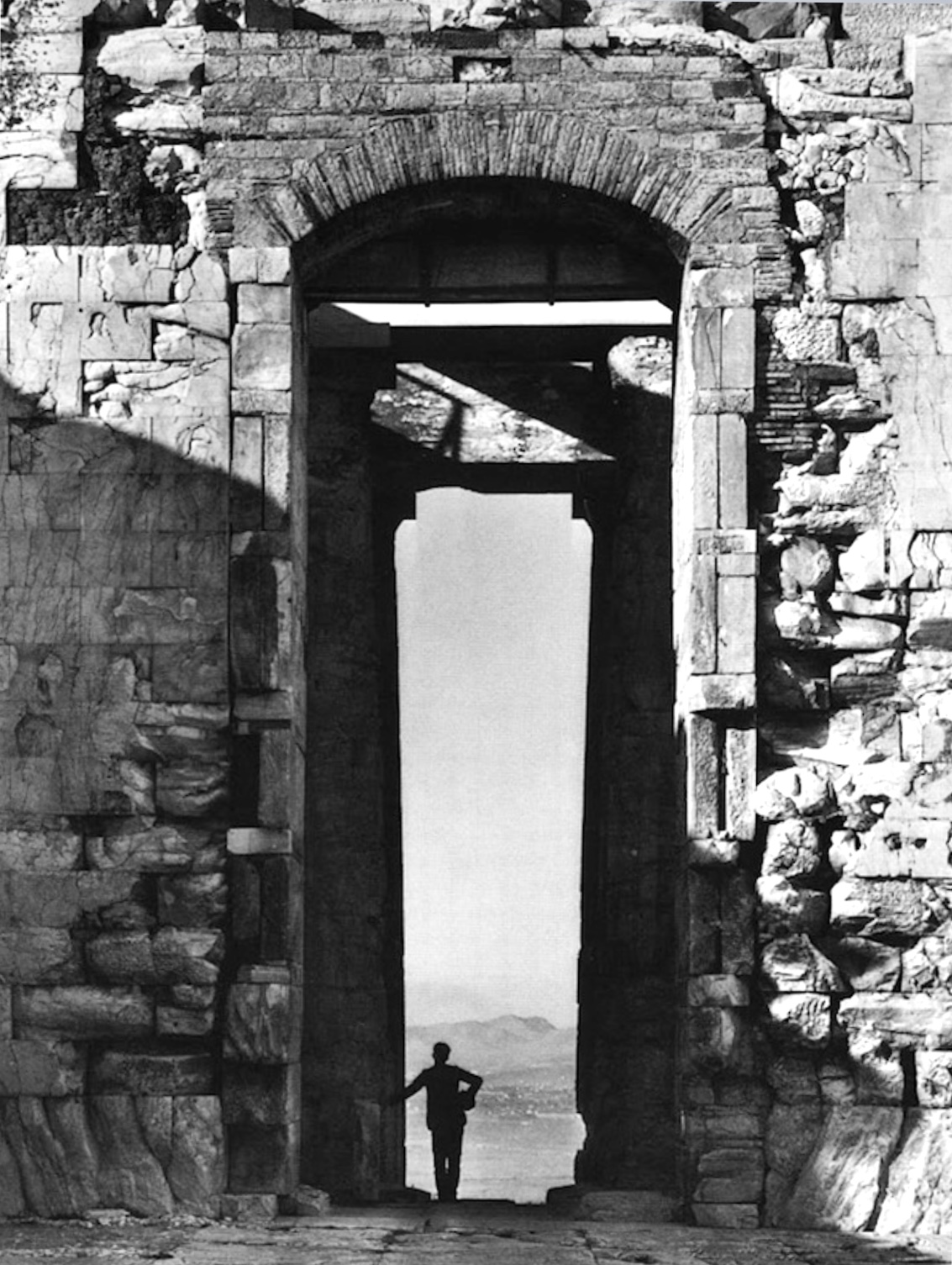
View of the Parthenon, 1908


Unrestored antiquities.

Interior in Lakkoi, 1911


Village street in Elassona, 1903


Mostly small and unprepossessing houses.

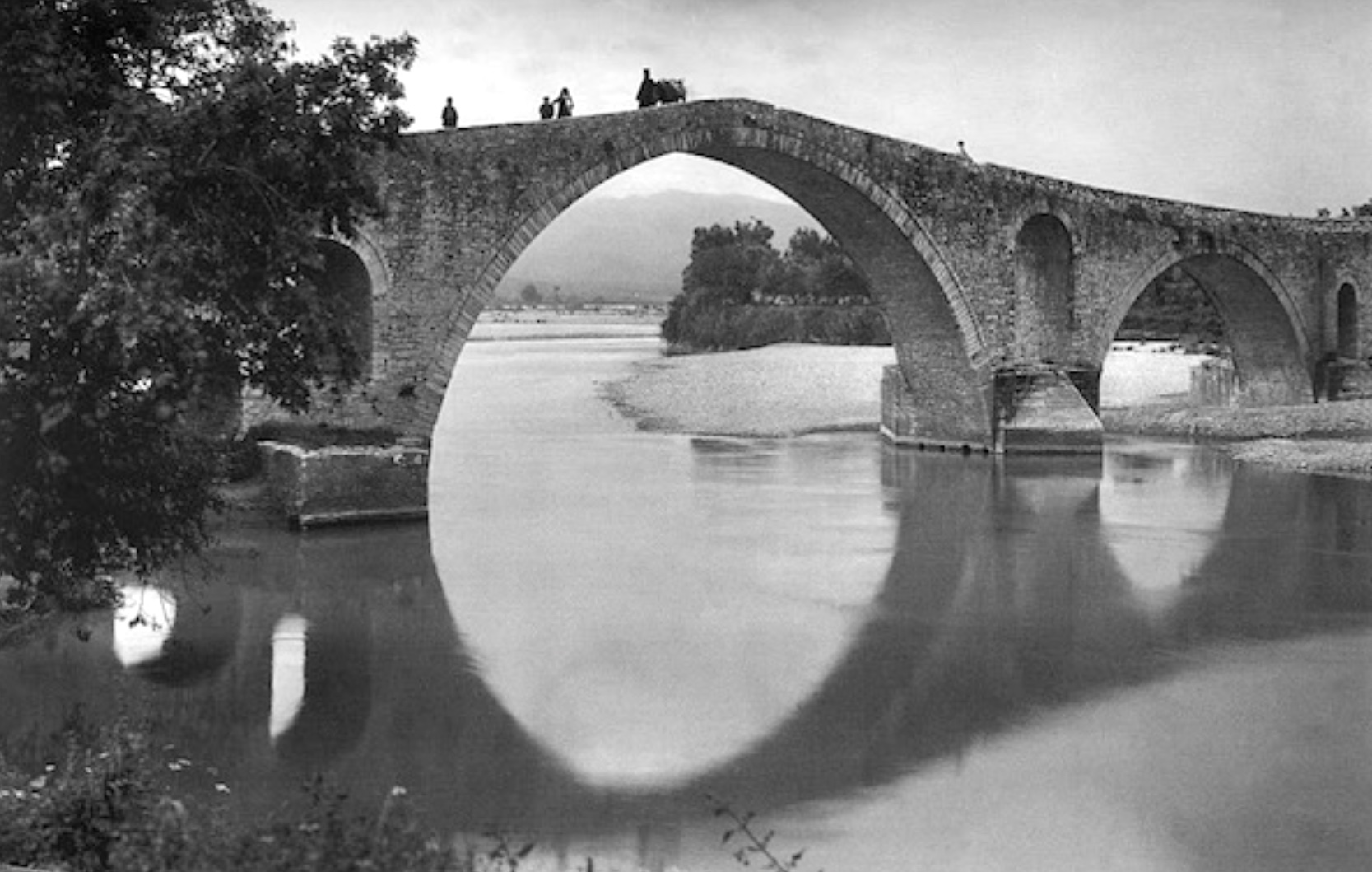
The 17th-century bridge of Arta, to which an ancient legend is attached.


Because the photos are in black and white, they cannot show the pure blue skies, the sunny landscapes.


A courtyard in Akrata, 1903


The people in the photographs are unsmiling, being unused to posing, so the natural friendliness and hospitality of the Greeks is difficult to discern.


A wealthy man’s house in Kastoria, 1911


Also at the time people did not lounge on beaches in bikinis, getting a tan, so these are as far from contemporary travel photography as one can imagine.

Interior with loom, Andritsaina, 1903
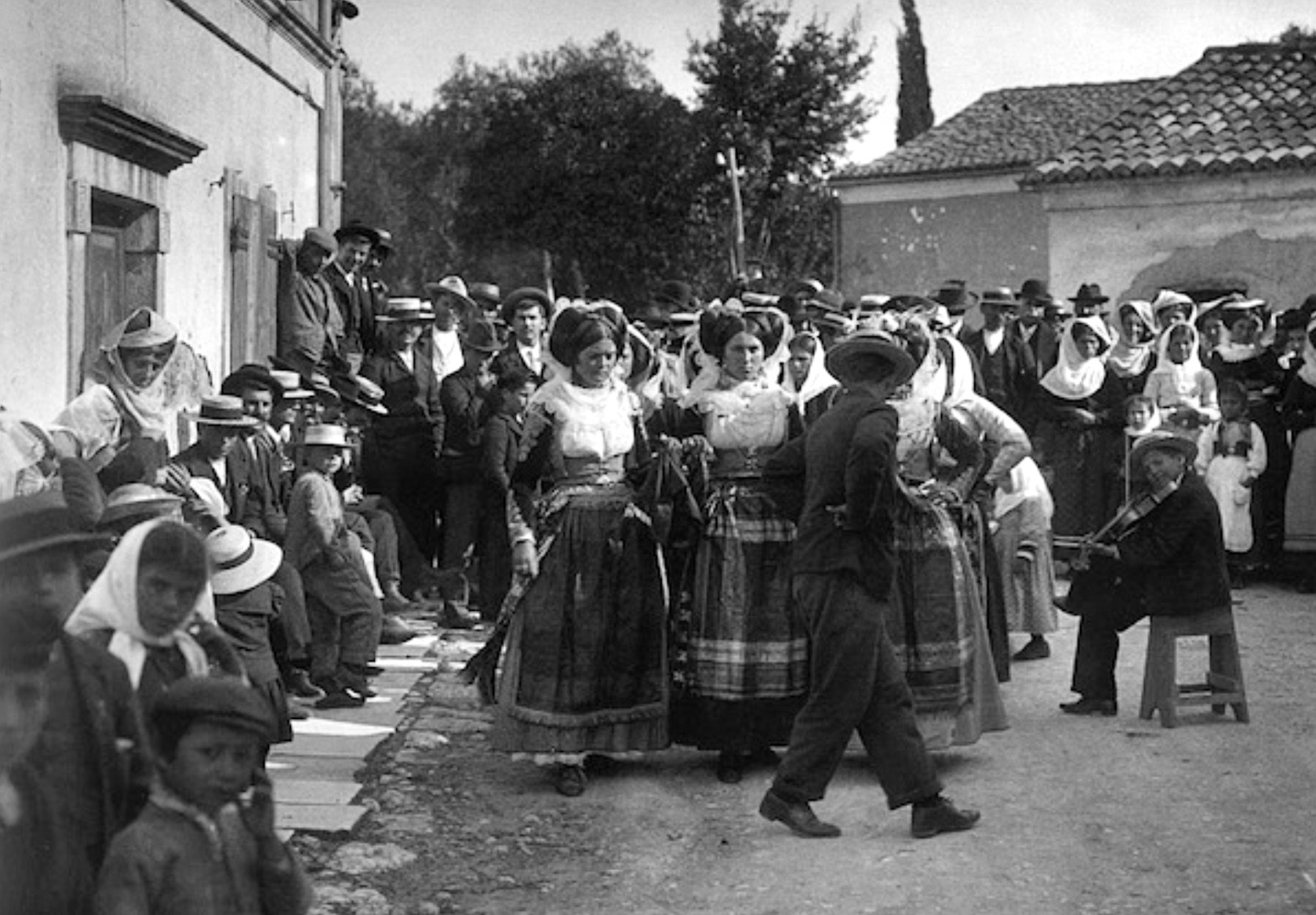
A A celebration in Corfu, 1903


However, they are a document of those years, and as such fascinating. The clothes, the landscapes with few signs of human intervention, the simplicity of life.


Ermou Street, 1920. This is now one of the busiest shopping streets in downtown Athens. Note the Byzantine church of Kapnikarea at the end of the street.
A view of the Acropolis, with grazing sheep, 1903


At the time the photos did serve the purpose of promoting Greece to foreigners, and Boissonnas was financially aided and personally supported by prime minister Eleftherios Venizelos, to whom his publications were dedicated. These were sent to all Greek embassies and the prominent political personalities of the era.


Athens Anniversary

Exactly 185 years ago today, Athens was proclaimed the capital of Greece. I found this very interesting article by Greek journalist Philip Chrysopoulos in the GREEK REPORTER. As it was possible to reblog onto Twitter, Facebook and Pinterest, but not to WP, I copied it verbatim, including the photos.


September 18, 1834: Athens Becomes the Capital of Greece
By Philip Chrysopoulos -Sep 18, 2018


When Athens was officially declared the capital of the newly established Greek State on September 18, 1834, it was a small village of 7,000 residents living around the Acropolis Hill.

Following the assassination of Governor Ioannis Kapodistrias in the Peloponnesian city in 1831, Greece’s first politicians had to decide where the new government and first parliament would be established. At the time, Athens was an area of ancient, Byzantine and medieval ruins with makeshift houses around them, all around the Acropolis Hill.

The decision was far from easy. Personalities of the time, politicians, as well as architects and city planners took part in the debate, trying to influence developments and the final decision. The cities proposed were, among others, Corinth, Megara, Piraeus, Argos, as well as Nafplio again.

Eventually, Athens won the race and in September 18, 1834 it was officially proclaimed “Royal Seat and Capital”. The main reason was the city’s glorious history as the cradle of Hellenic Civilization. According to historians King of Bavaria Ludwig I was influential to the decision as he was a great admirer of ancient Greece.

Athens circa 1890

However, the city was not prepared to carry the weight of the capital of the new state. It was more of a town than a city, with 7,000 residents and 170 regular houses, as the remaining Athenians were living in huts. Furthermore, the battles that took place in Athens had left many ruins. By comparison, at the time, the population of Patras amounted to 15,000 thousand, while Thessaloniki had 60,000.

Athens stretched around the Acropolis (from Psiri to Makrygianni), having as its center the area of ​​Plaka (the Old Town). One of the major problems of the new capital was the lack of a water supply system, as well as the absence of public lighting and transport, while there was a complete lack of social services.

Greece’s first king, Otto of Bavaria, commissioned the reconstruction of the devastated city to Greek architect Stamatis Kleanthis and the Bavarian Leo von Klenze with a strict order not to damage the archaeological sites. For the protection of antiquities, Otto issued a decree prohibiting the construction of limestone at a distance of 2,500 meters from ancient Greek ruins, so that antiquities could not be damaged.

Within four years, about 1,000 houses were built in Athens, many of them makeshift, with no architectural or street plan. Otto banned quarrying in the hills of Nymphs, Achanthos (Strefi), Philopappou and Lycabettus and issued decrees with the strict order to immediately demolish every house built near archaeological sites and everything built on the outskirts of the Acropolis Hill.

The strict measures regarding building houses made Otto lose his popularity with the poor masses, but he insisted on issuing other decrees.

In the years to come, Athens became the pole of attraction for Greeks, who arrived in the capital from all parts of the country. In 1896, Greece hosted the first modern Olympic Games. By that time, the picture of the capital was radically changed. It had expanded and now was a city of 140,000 residents with great buildings and important archeological sites, and the commercial and cultural intellectual center of the country. A true capital.

Summer colors


I love this season, and can’t resist posting about it each year. The swallows have arrived, geckos are running up the walls. As everything is drying up, colors burst all around .

My agapanthus is out.


Oleander bushes are the best things to plant in Greece, since they don’t need water once they’ve had a good start in life. They can grow to be huge, and flower all summer long.


Bougainvillea – bright as flames.


Even roadside weeds are pretty.


And the figs are coming along nicely.
#ilovesummer