Cement Dinosaurs
I have been occasionally coming to London since childhood but I have only just discovered, thanks to my niece who moved to the area, a weird and wonderful exhibit I had never even heard of before: the Crystal Palace Dinosaurs.

These are Victorian cement statues representing extinct animals, which reside in the Crystal Palace Park. The sculptures are, due to the incomplete information available at the time, wildly inaccurate, which lends them an aura of fantasy and a sort of steampunk aesthetic, reinforced by natural erosion which has given them a crumbling patina.

The sculptures represent the first ever attempt anywhere in the world to model, from fossil remains, extinct animals as full-scale, three-dimensional, active creatures. Of the 30+ statues, only four represent dinosaurs in the strict, zoological sense of the word ( two Iguanodon, a Hylaeosaurus and a Megalosaurus). The statues also include plesiosaurs and icthyosaurs discovered by Mary Anning in Lyme Regis, as well as pterodactyls, crocodilians, amphibians and mammals, such as a South American Megatherium (giant ground sloth) brought back to Britain by Charles Darwin on his voyage on HMS Beagle. And Irish Elk, which at the start bore actual fossil antlers.

This section of the park was landscaped by Joseph Paxton in 1853-1855 and the sculptures remained largely in the places we find them today. They were designed by Benjamin Waterhouse Hawkins, a natural history illustrator and sculptor of international reputation, whose work combined the pursuit of technical accuracy and animate expression.

Experts in the 1850s had different interpretations of what the animals really looked like. The story of these evolving interpretations demonstrates how scientific ideas evolve when new evidence comes to light. For example, some of the sculptures have four legs, whereas later fossil discoveries suggest these animals were bipeds.

The statues were commissioned in 1852 to adorn the Crystal Palace spectacular glasshouse after it was moved from Hyde Park at the end of the Great Exhibition. They were unveiled in 1854 when the park opened as a commercial amusement.
Queen Victoria and Prince Albert were fascinated by the dinosaur display in Crystal Palace, and they visited the site several times.

Hawkins set up a workshop on site at the park and built the models there. The dinosaurs were built full-size in clay, from which a mould was taken allowing cement sections to be cast. The larger sculptures are hollow with a brickwork interior.
The models were displayed on and around three islands, and given more realism by making the water level in the lake rise and fall, revealing different amounts of the animals. To mark the launch of the statues, Hawkins held a dinner on New Year’s Eve 1853 inside the mould of one of the Iguanodon models.

The statues are now Grade I listed and funding is being obtained to restore them before they crumble away completely. I only hope this is done sensibly, because their decrepitude adds to their charm. Some of the restoration done so far on a few makes them look a little fake.
I urge anyone within reach to visit—very original and definitely worth it.






 That is a good thing—the stirrings of hope. Without it, life would be too depressing. And good things do happen.
  “Hope is the thing with feathers;
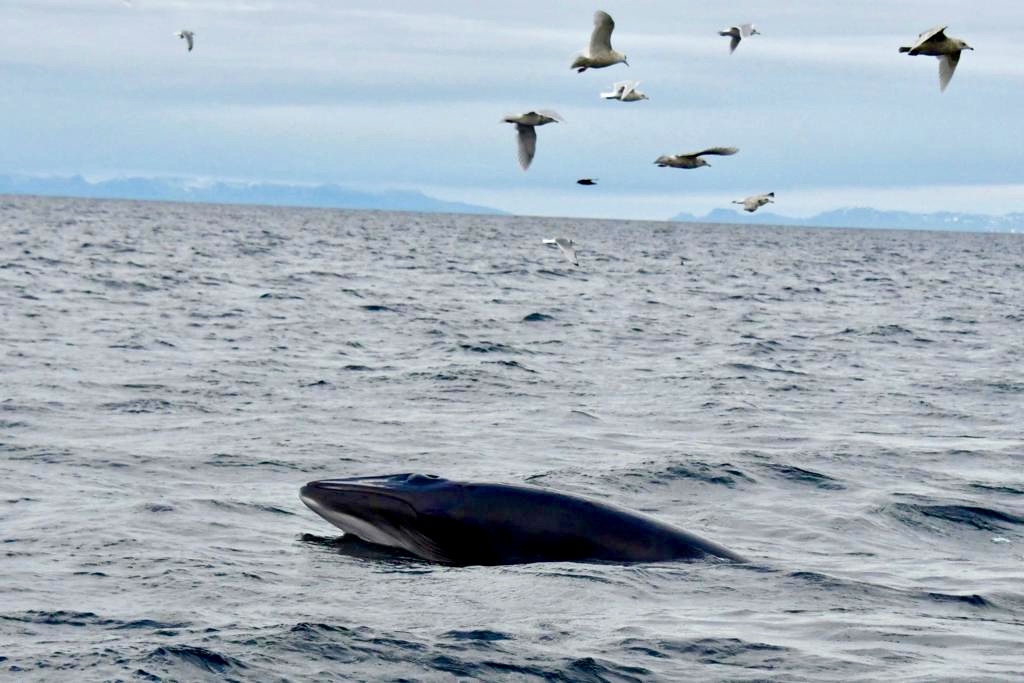
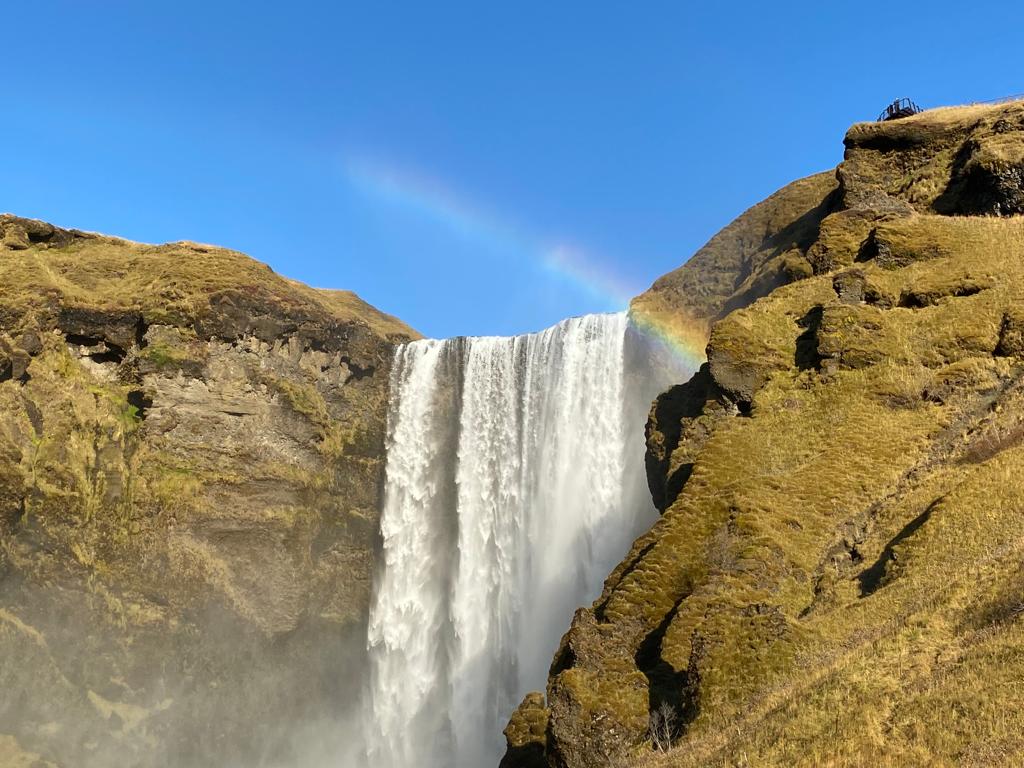 Iceland is a worthwhile destination, a stark, dramatic landscape totally different to what I, at least, am used to.
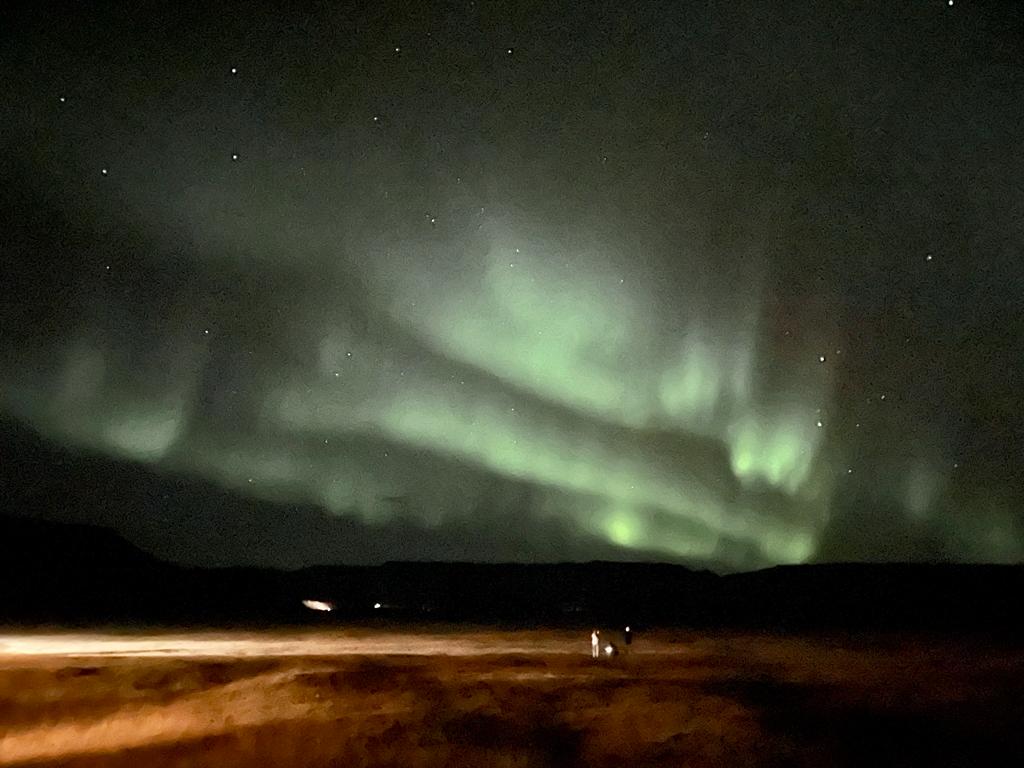
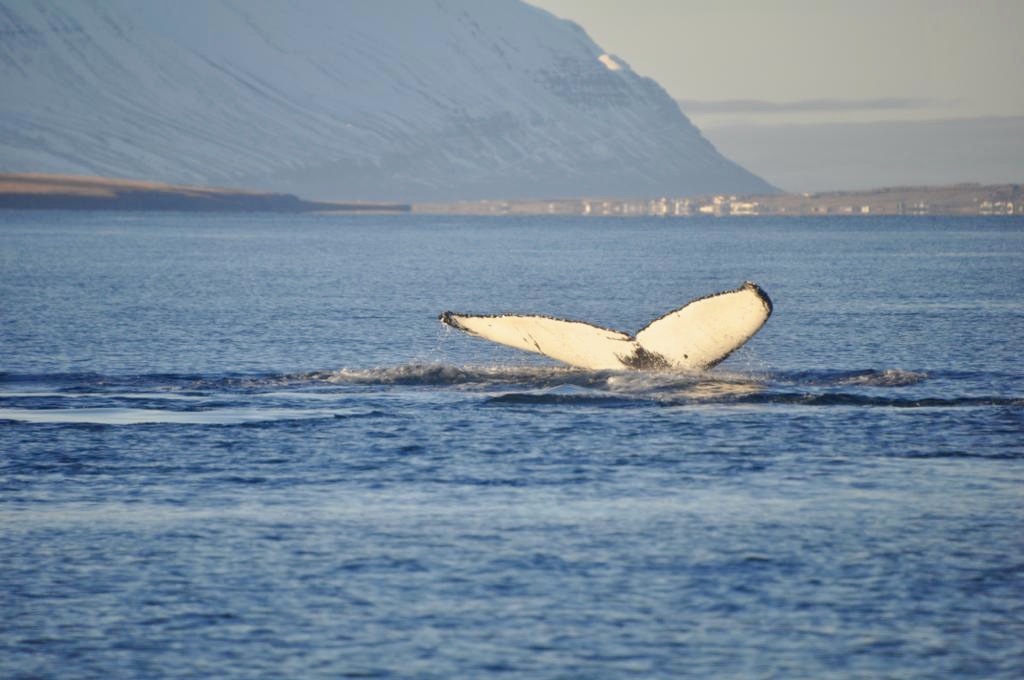
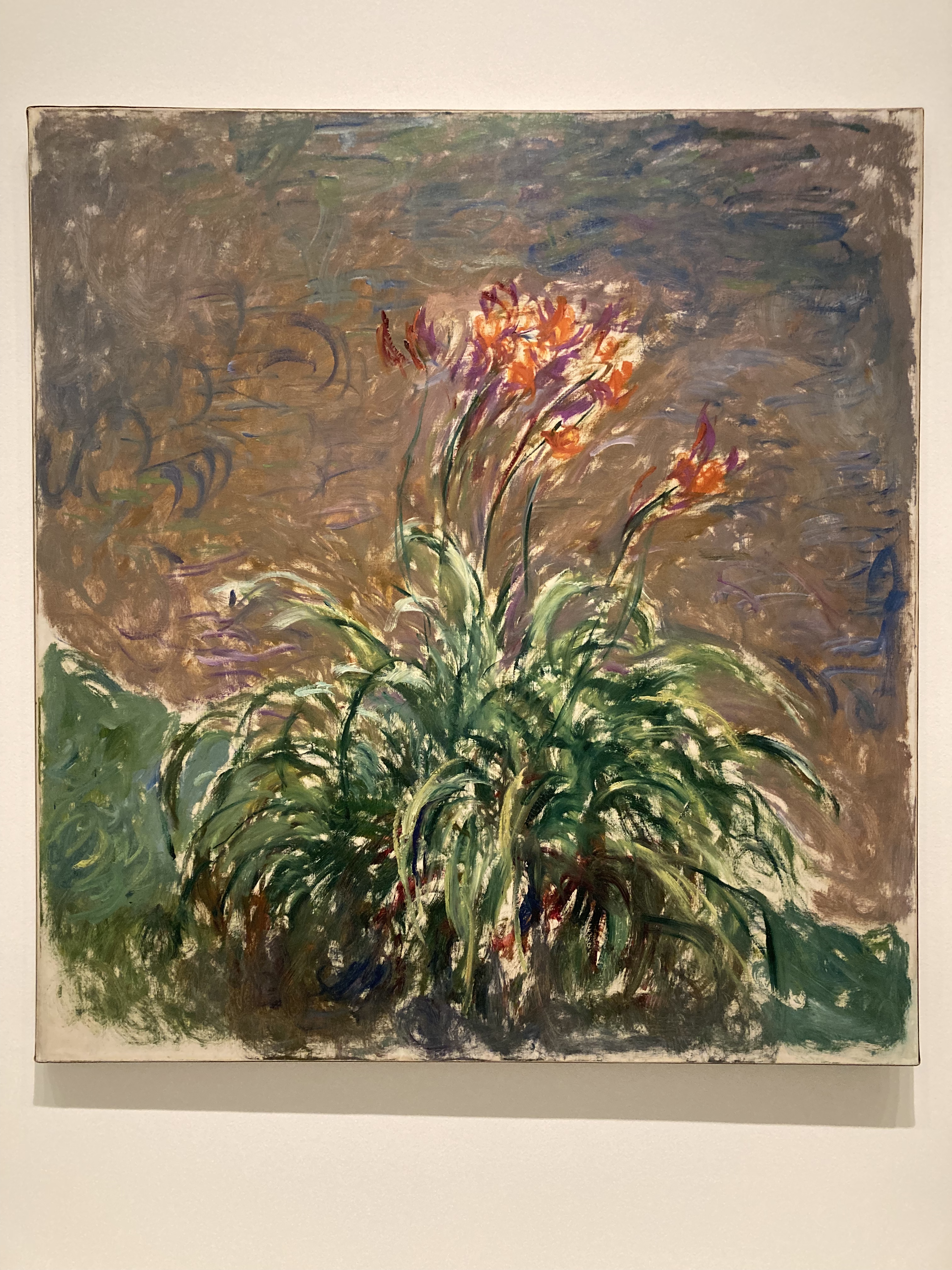
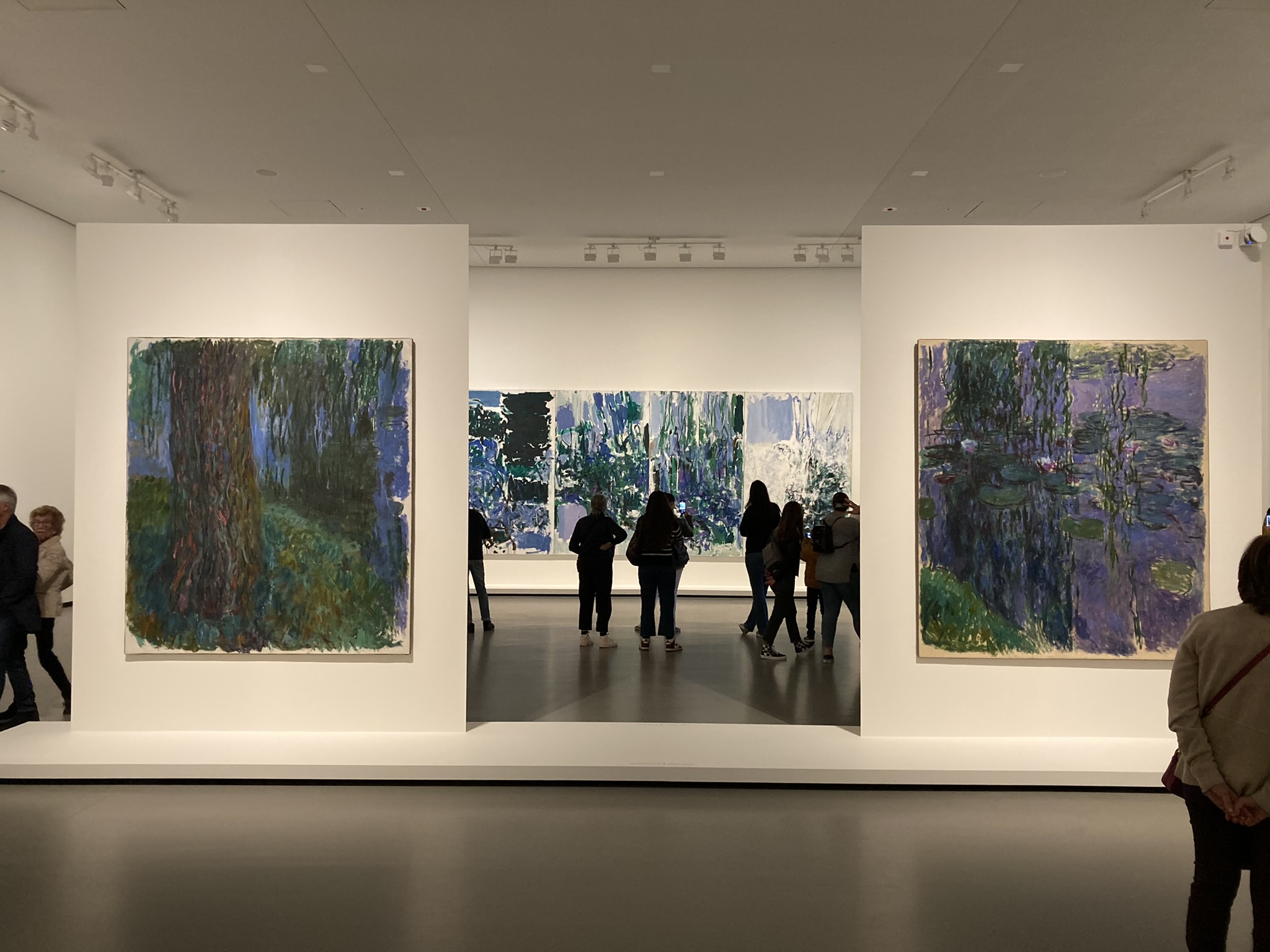
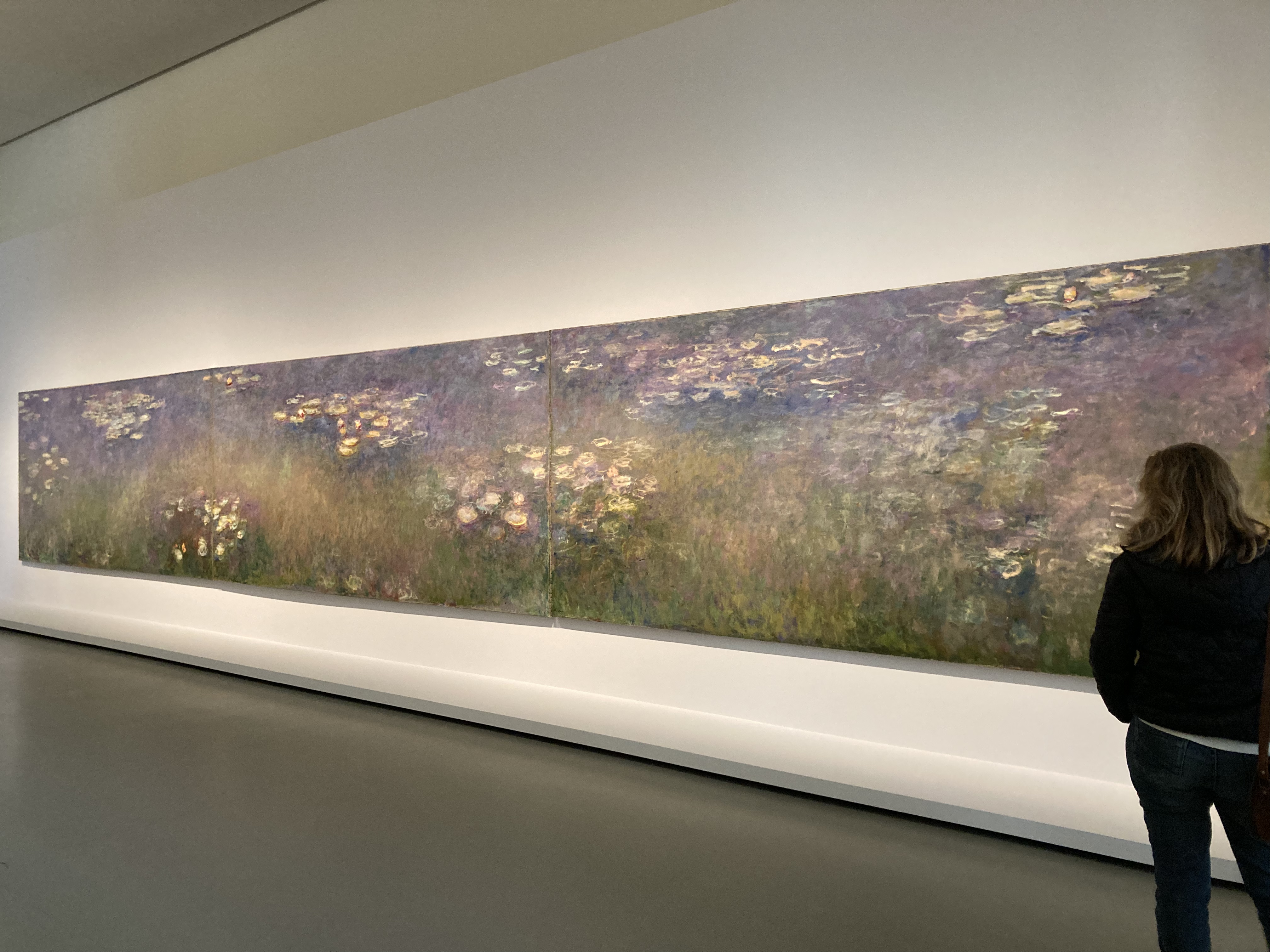
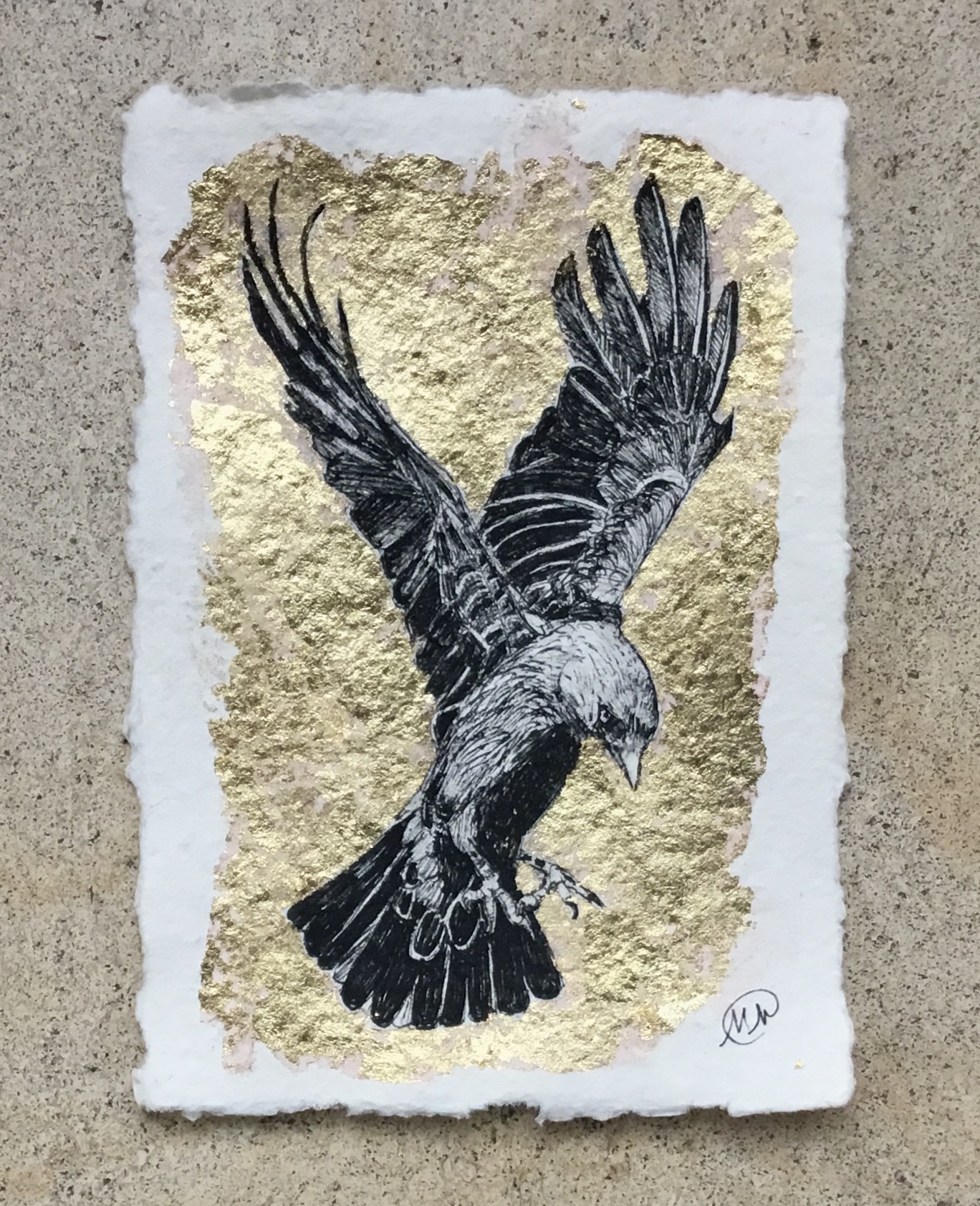
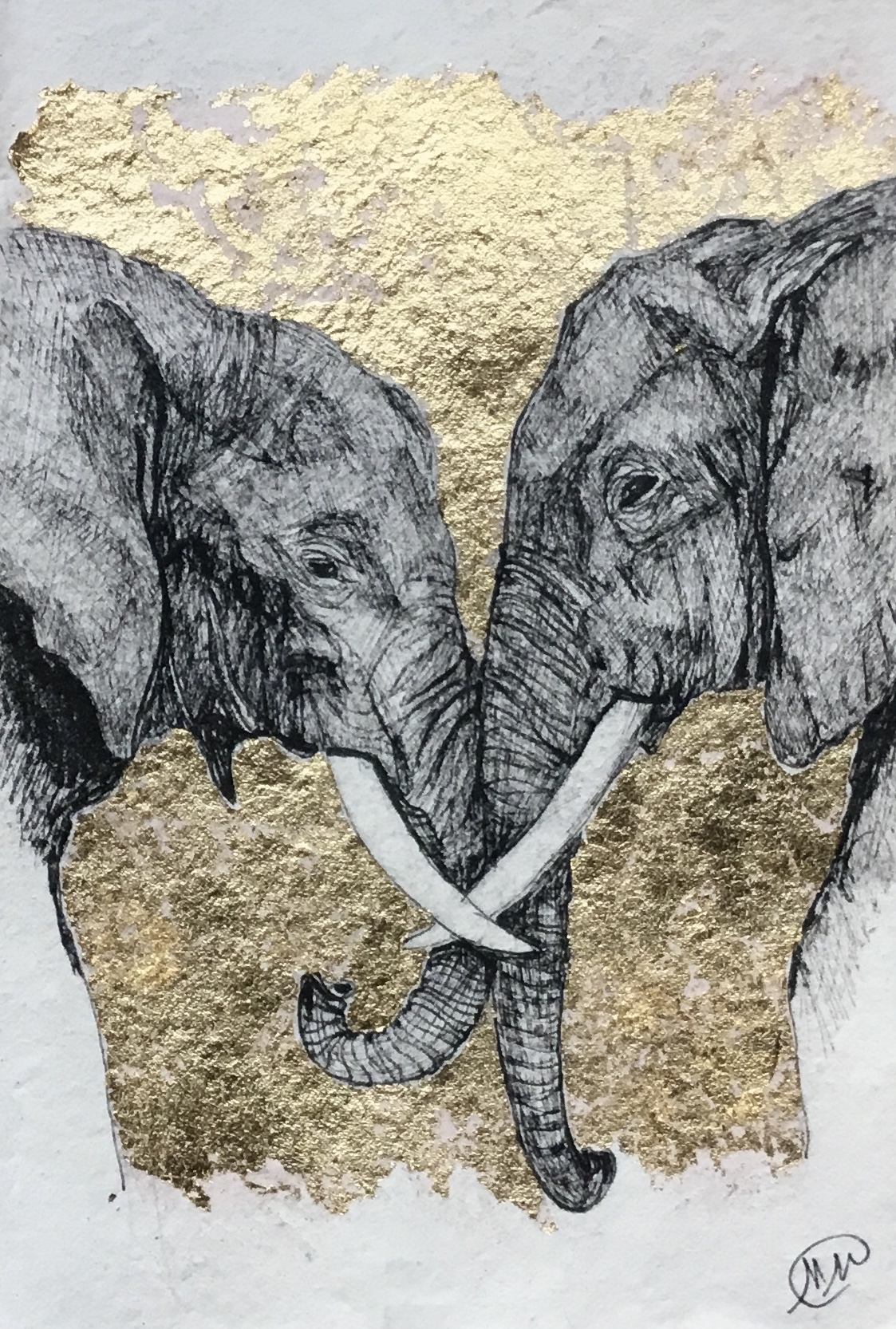
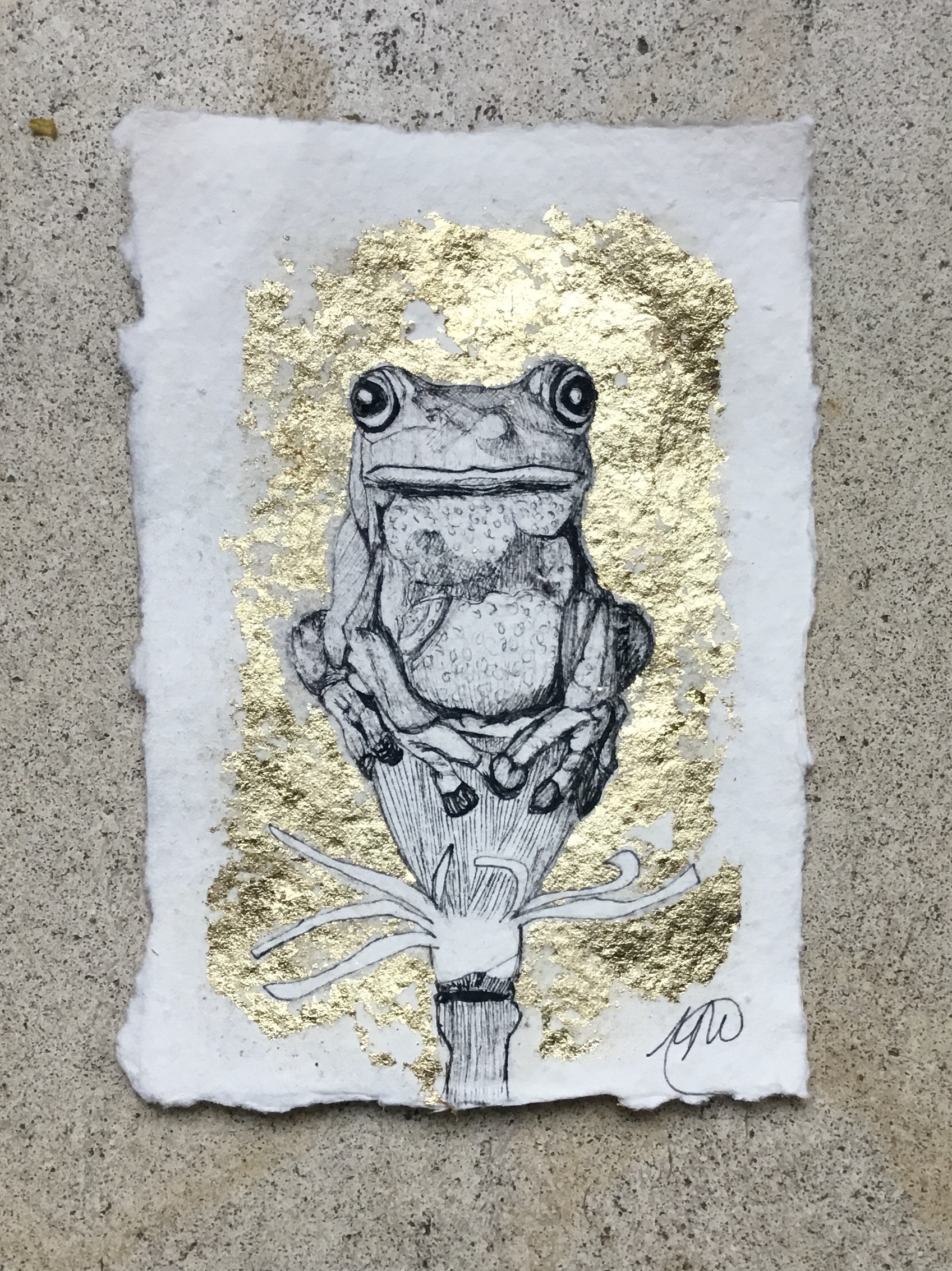
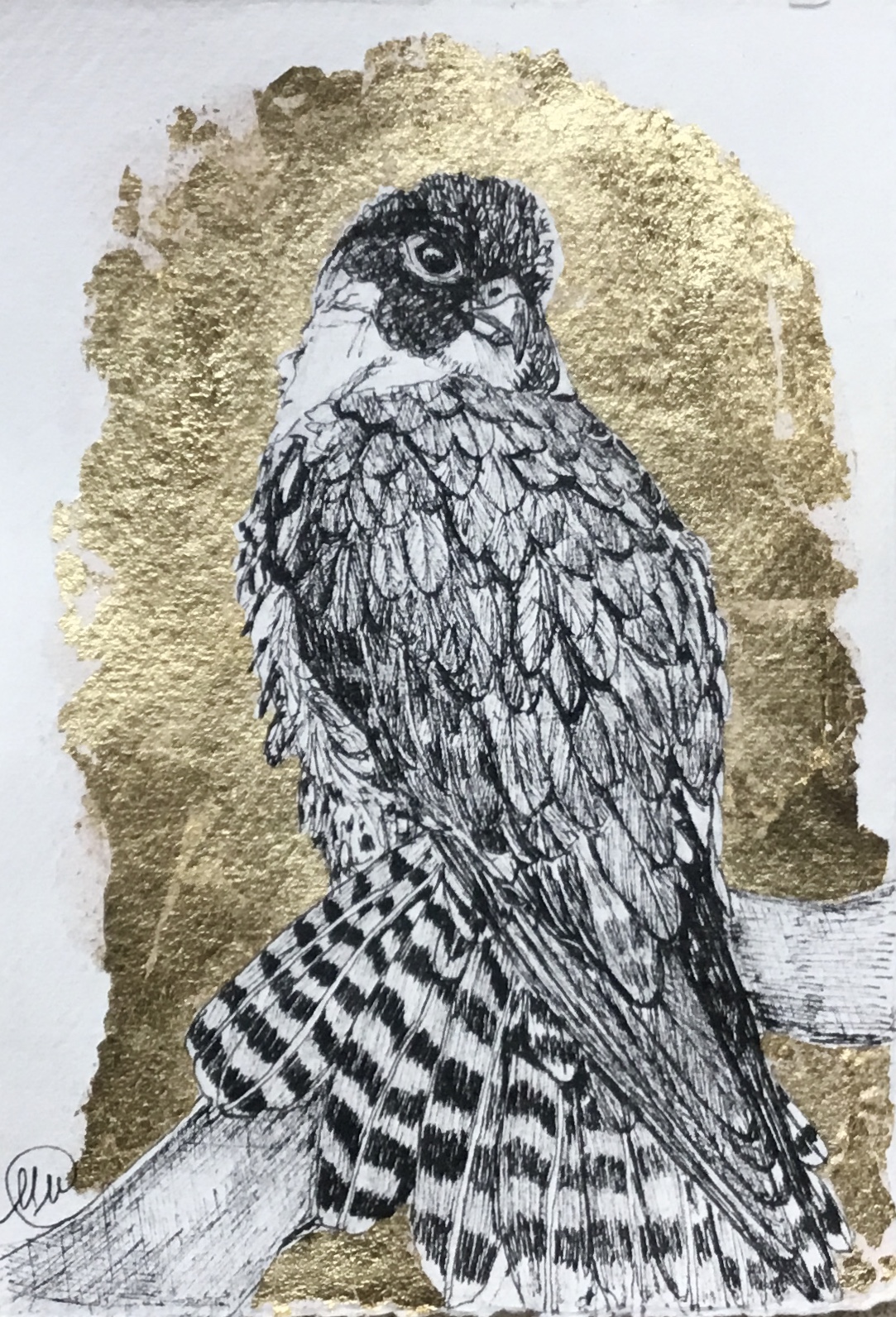
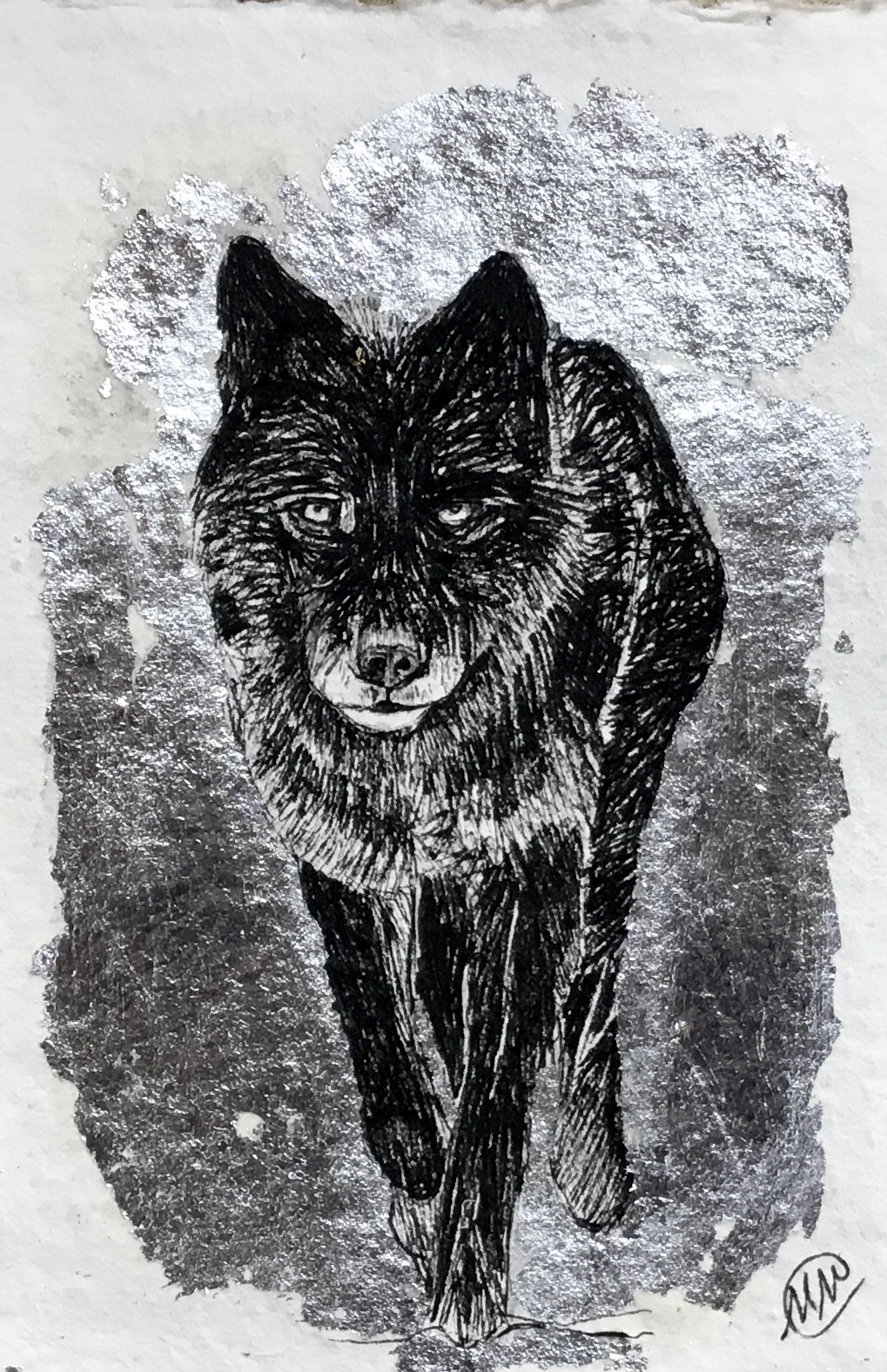


 ❤️❤️❤️ the raven





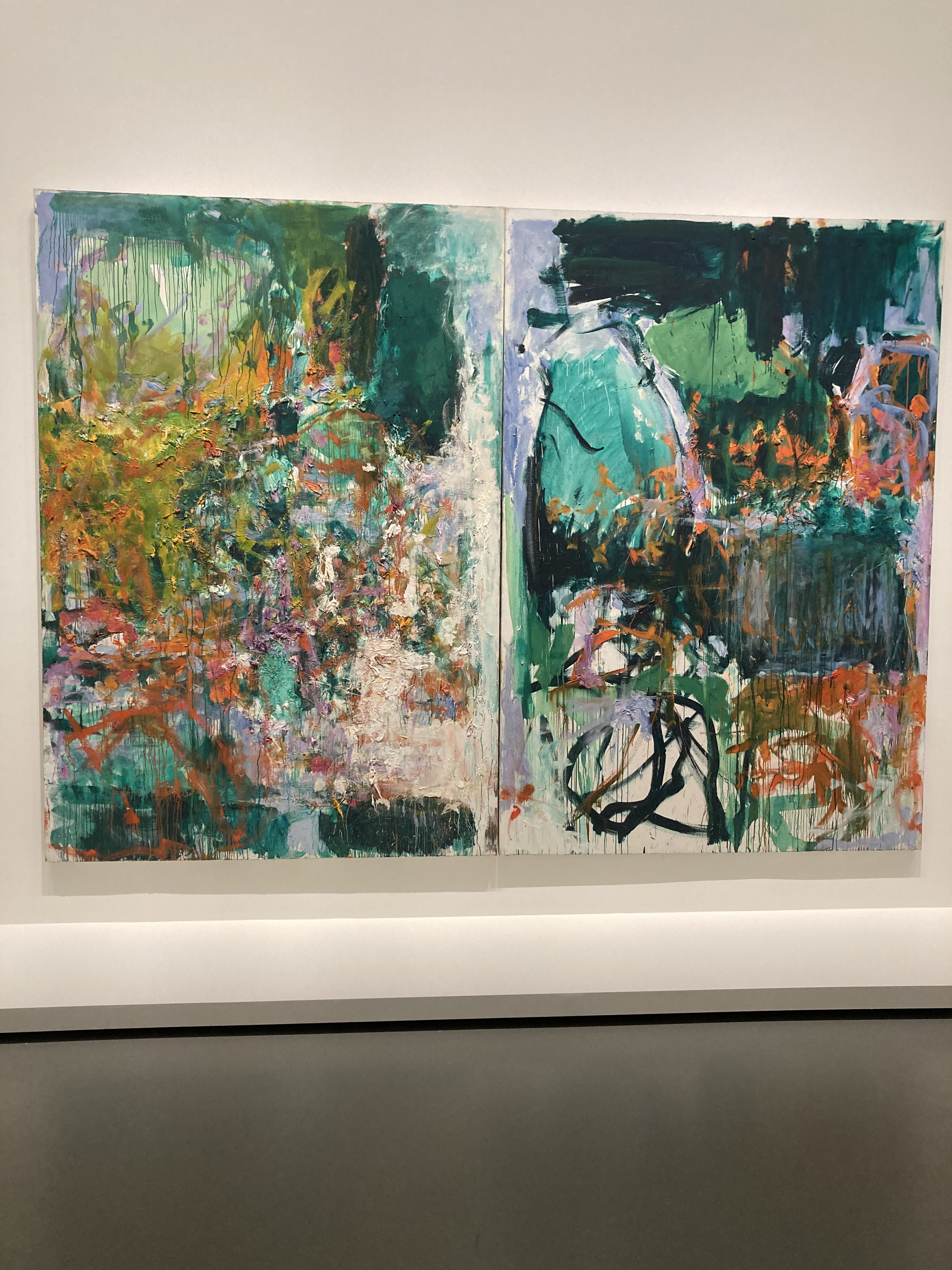
 I thought the result was very interesting—of course in my personal opinion.
 Letters from Athens