Autumn’s bounty

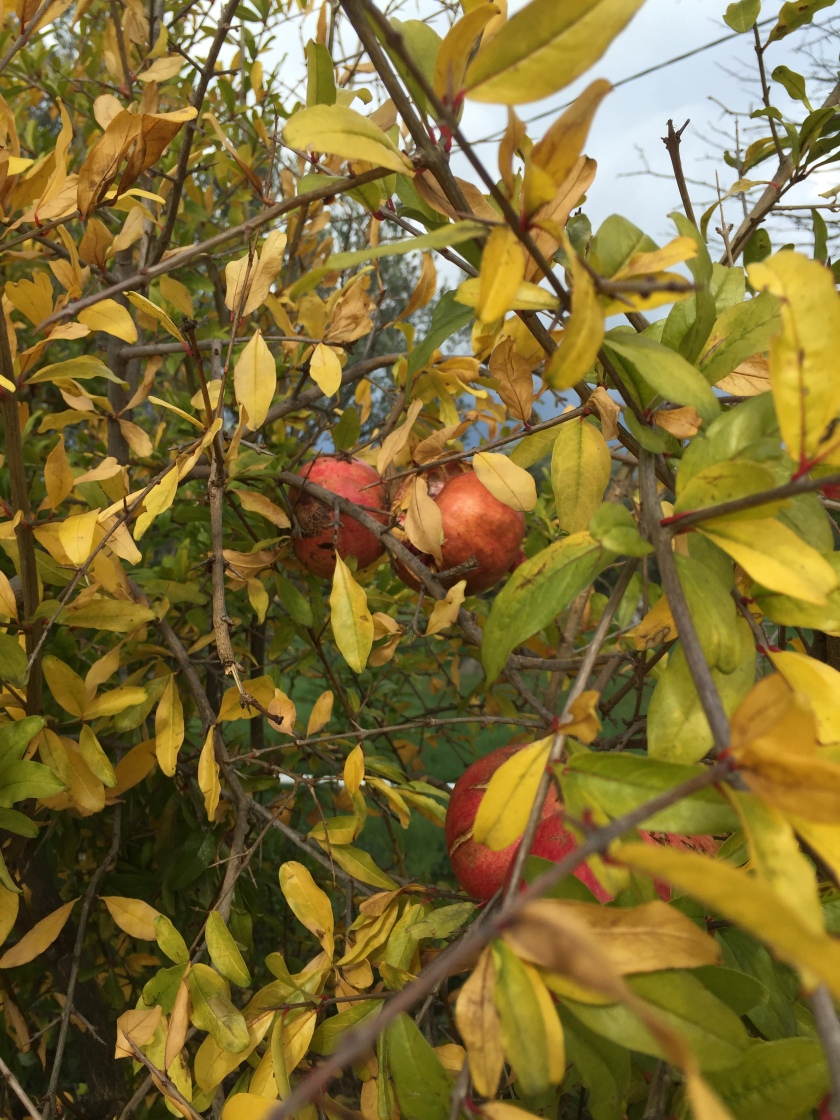
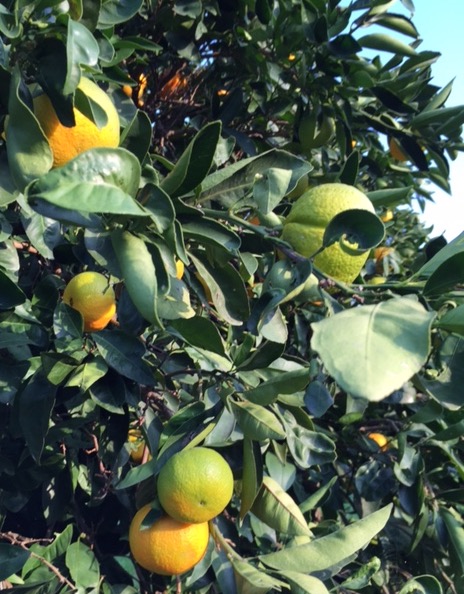
While the last of the pomegranates are splitting on branches now covered in bright yellow leaves, the oranges are ripening.

image

image


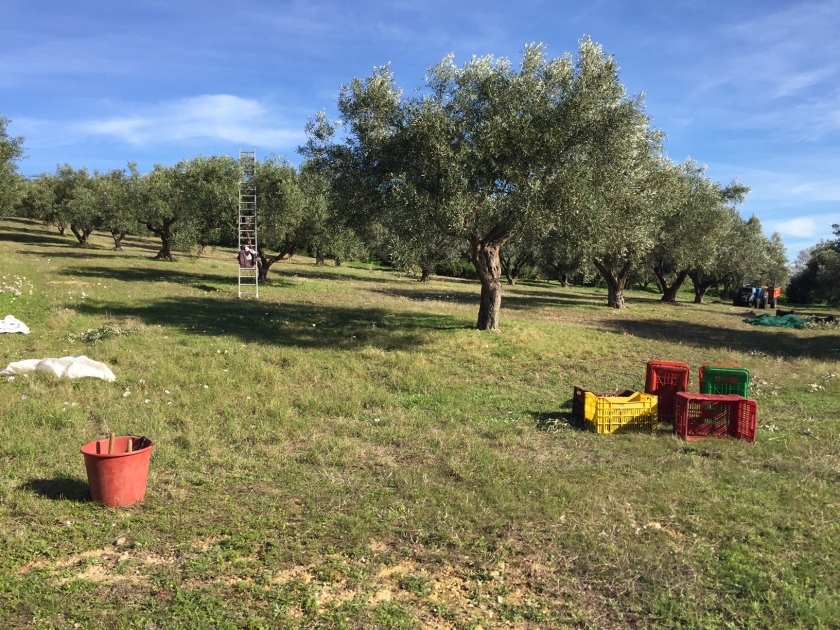
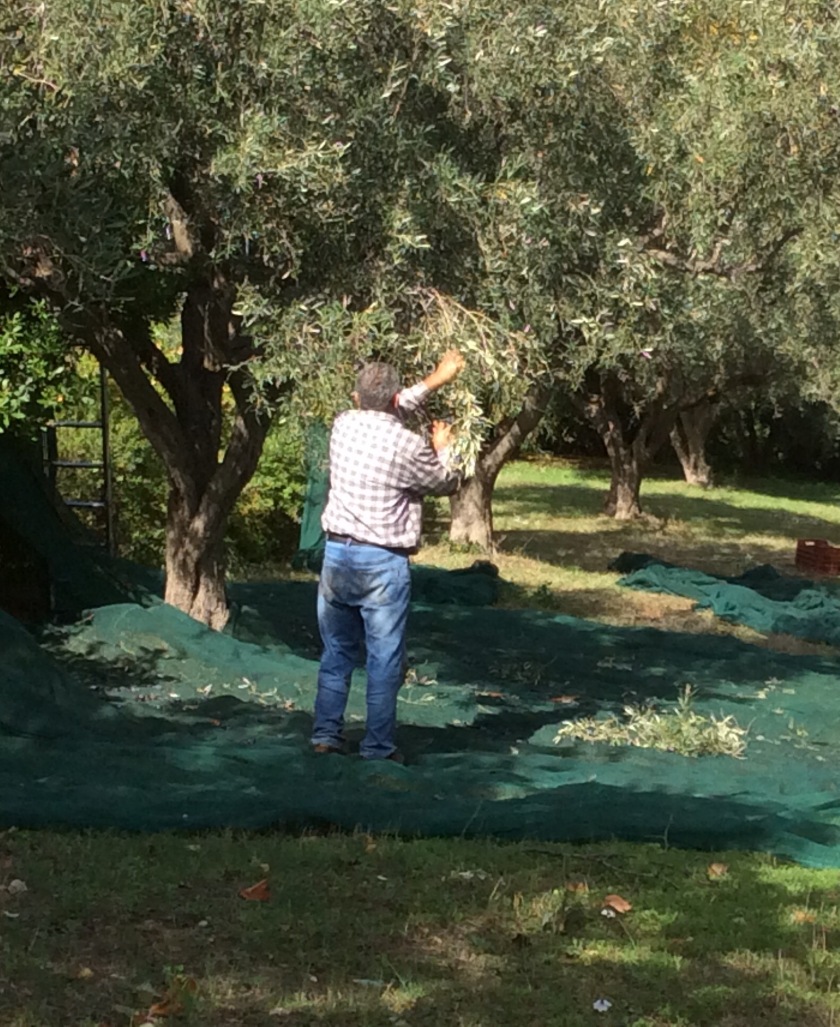
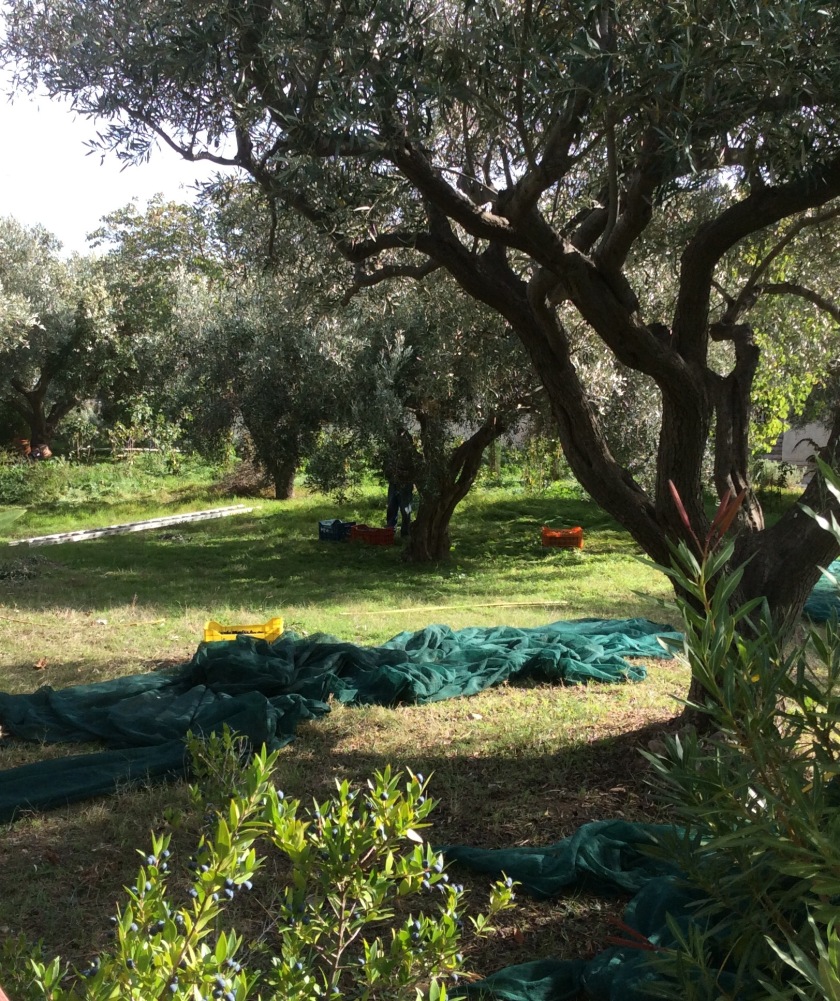
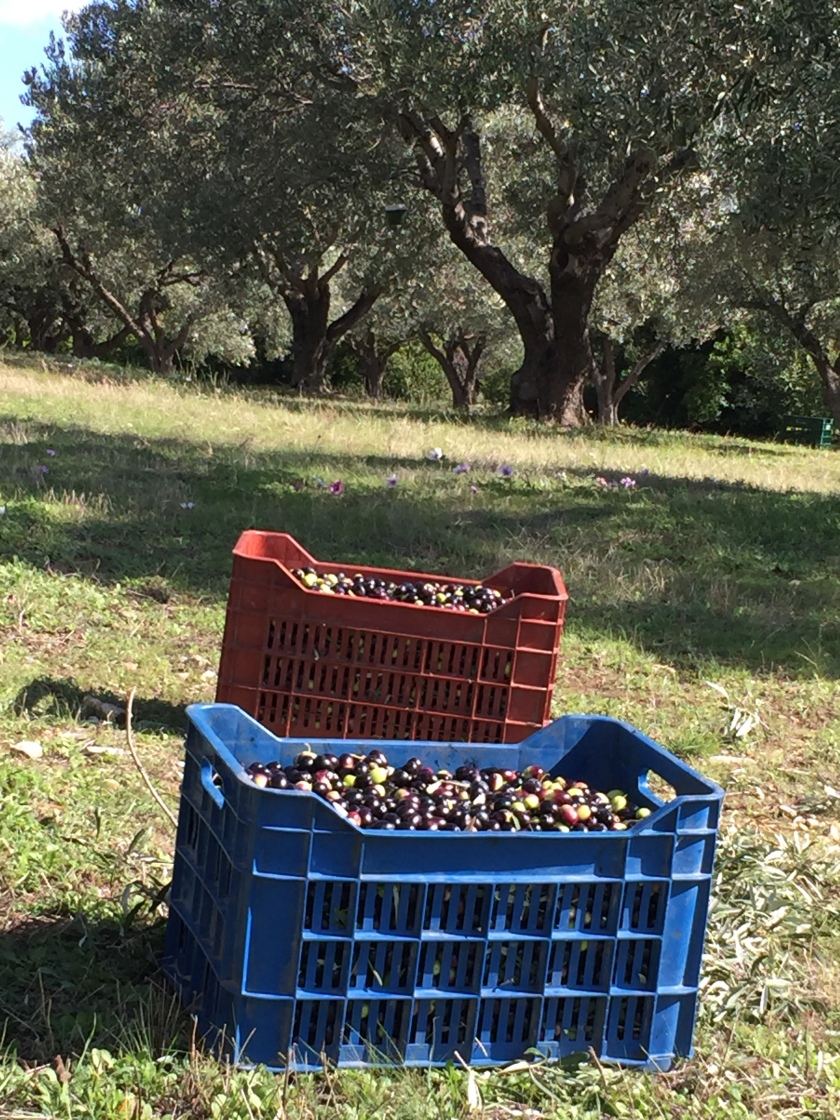
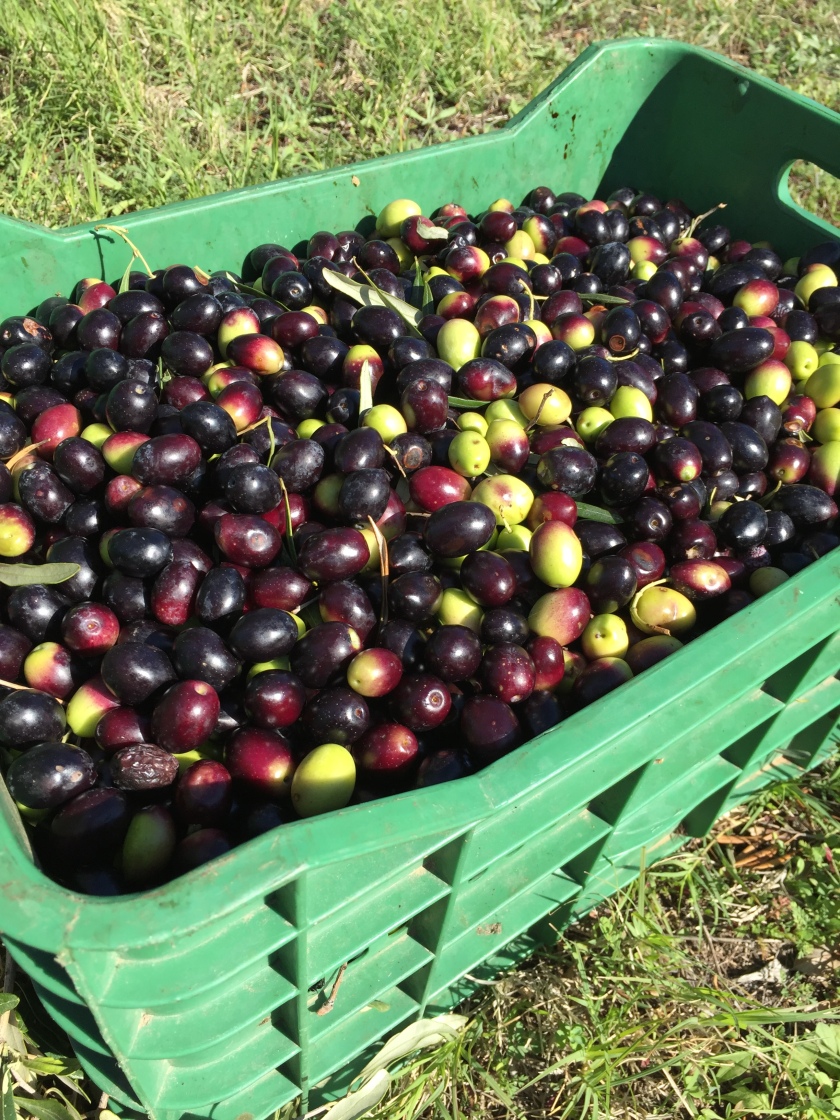
It’s olive picking time.
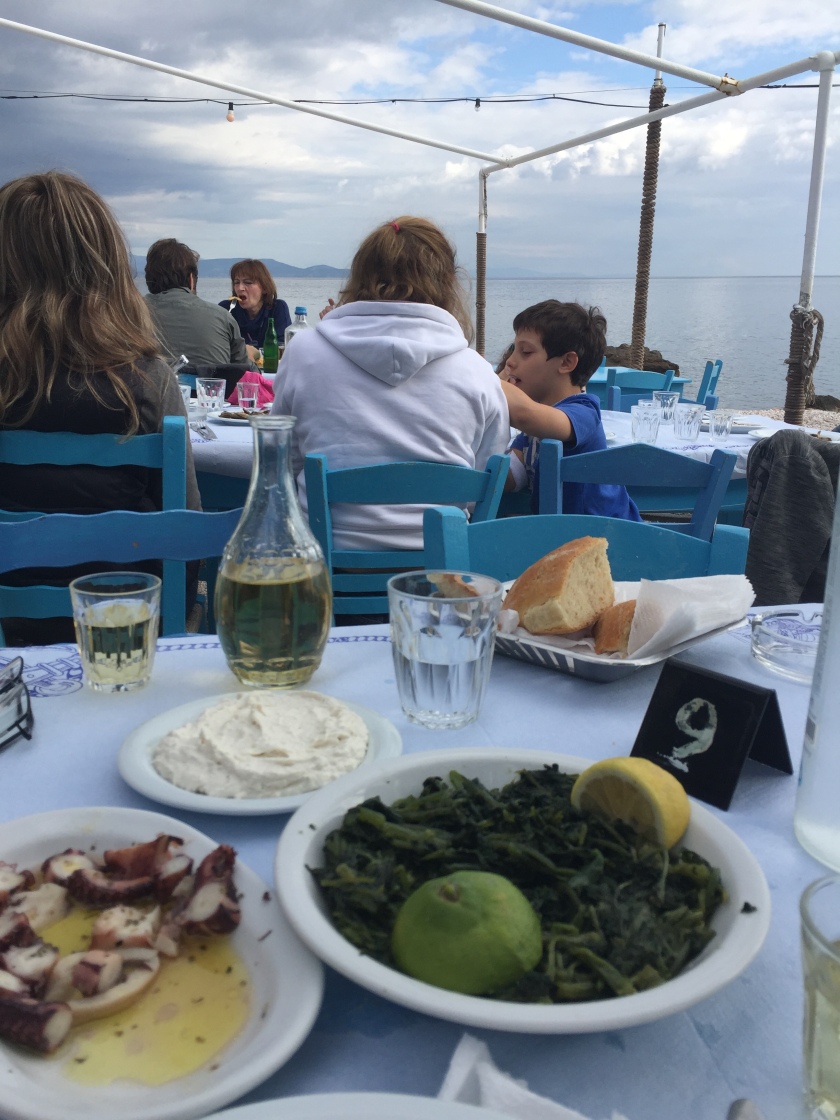
Soon the newly processed oil will be on our tables, and what better way to appreciate its aromatic flavor than as a dip for fresh, crusty bread. Bread and oil, with maybe an onion added – the poor (Greek) man’s caviar!

image

image
imageimageimage

The cyclamen have been replaced by pale blue crocuses and tiny green orchids, as well as the first anemones, fooled into flower by the unseasonably warm weather.

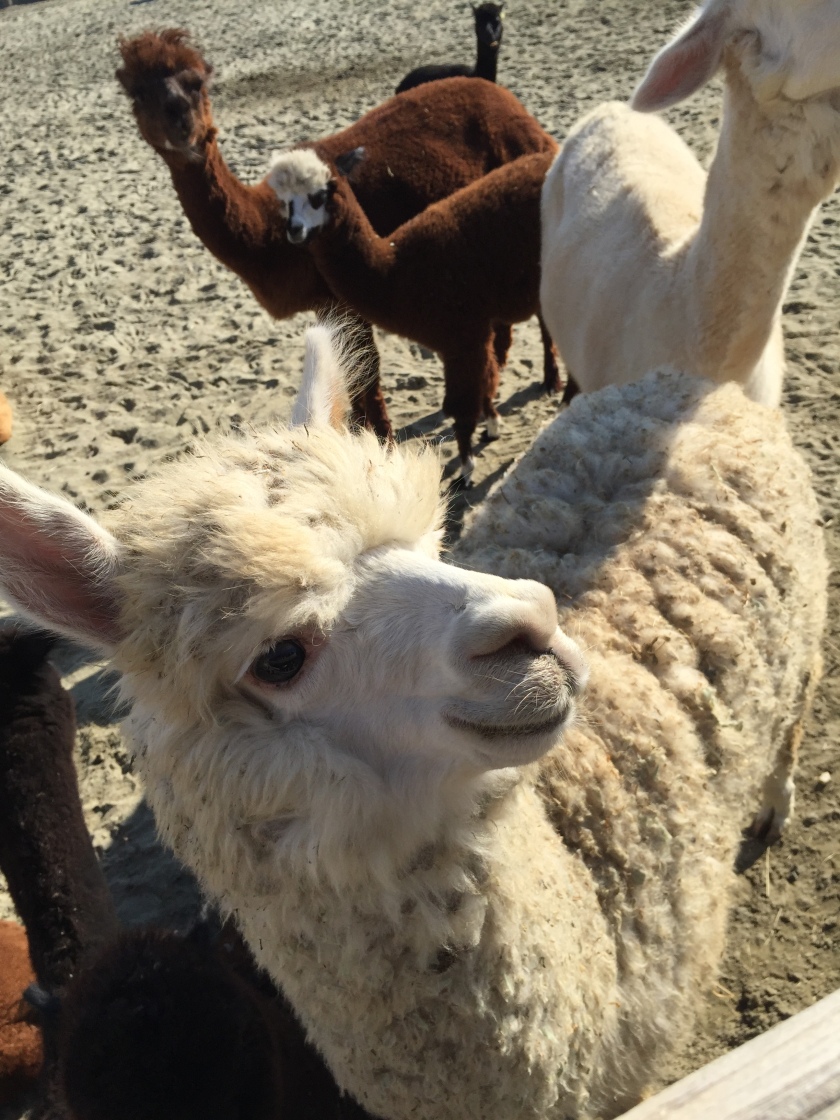
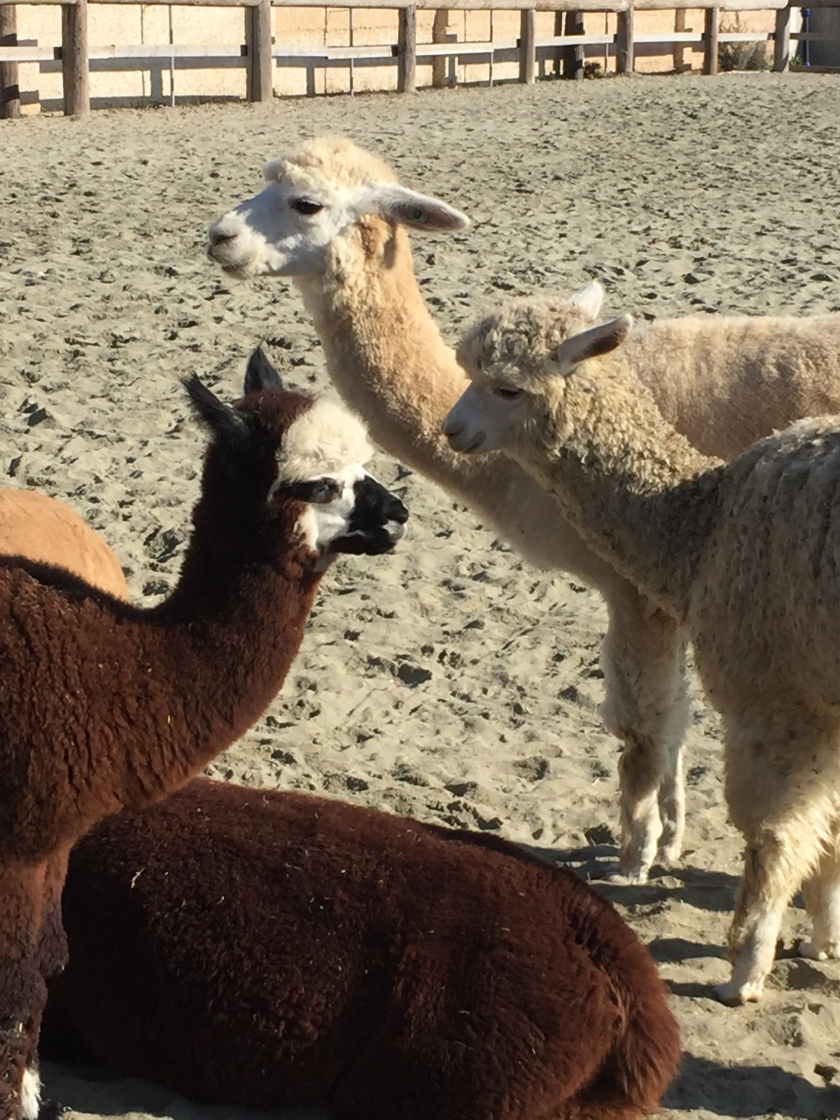
We took advantage of this to visit the Haris Estate where, amongst other cute creatures like bantam hens and miniature ponies, they keep alpacas – yes, alpacas in Attica! They hang about, looking woolly and making a high-pitched ‘mmmmmmmm’ sound – really too adorable! I want some!
image image


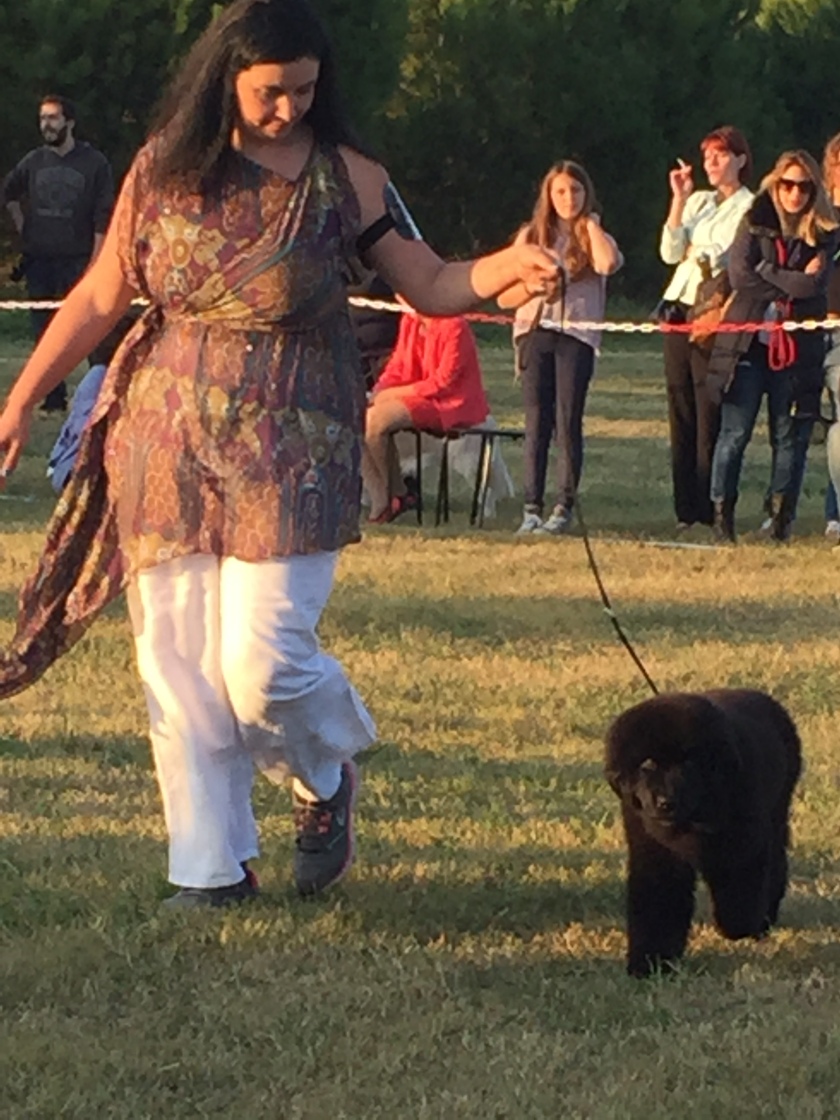
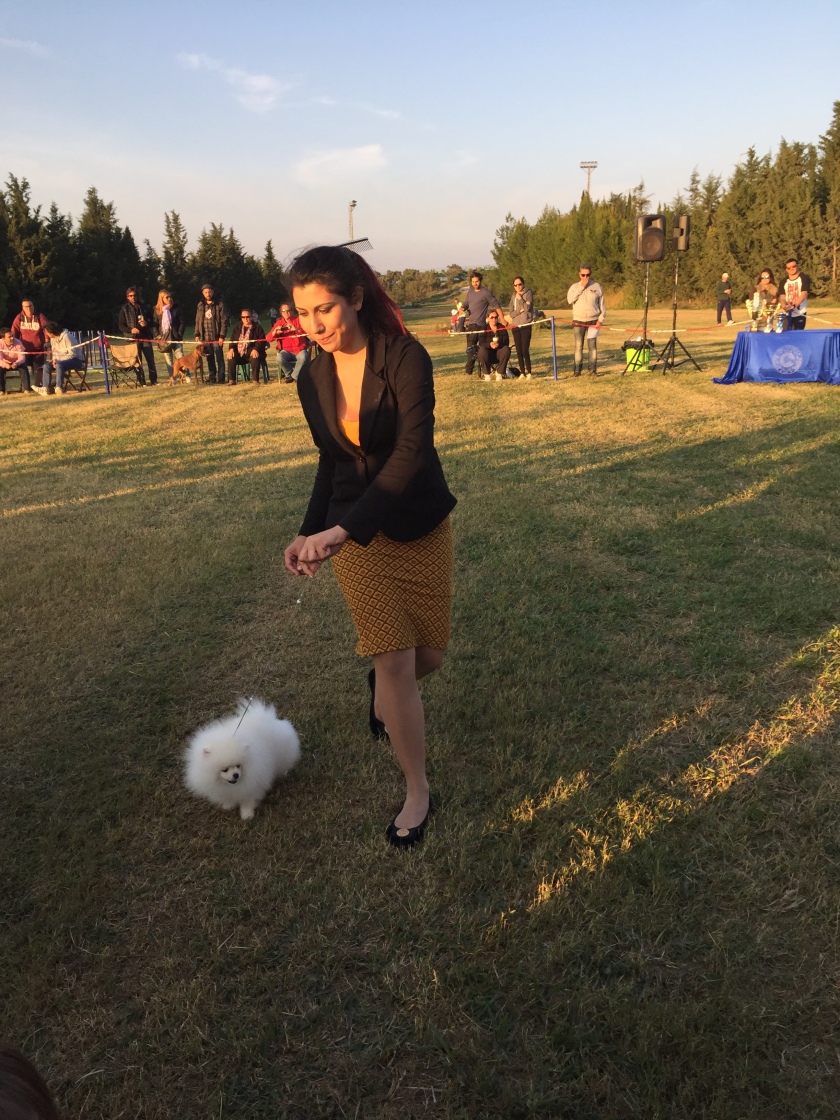
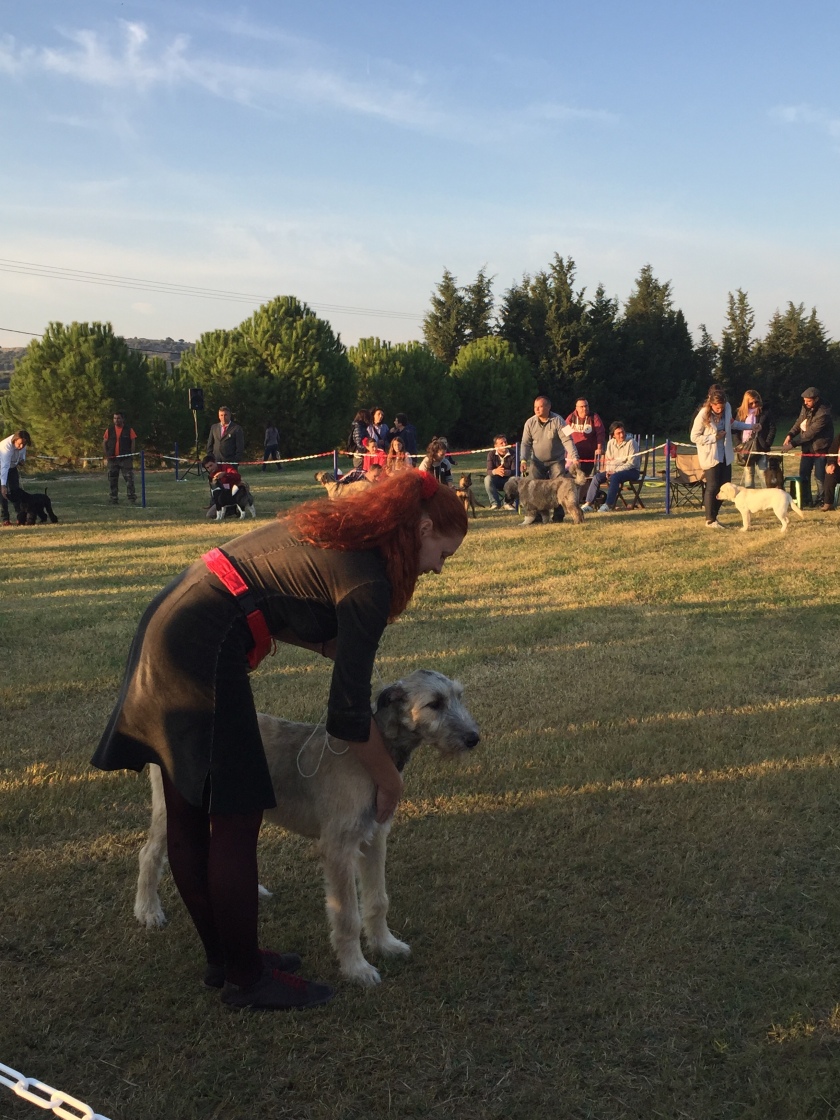
We also went to a dog show where a friend was exhibiting her champion ridgebacks. There was the usual hilarious array of enthusiasts with their pooches, from a huge white Pyrenean mountain dog to the tiniest, fluffiest, pristine Pomeranian. The dogs were all beautiful (otherwise they wouldn’t be there, I guess), there were lots of kids milling around, music, souvlaki at the canteen. Everyone was enjoying themselves.

image

imageimageimage


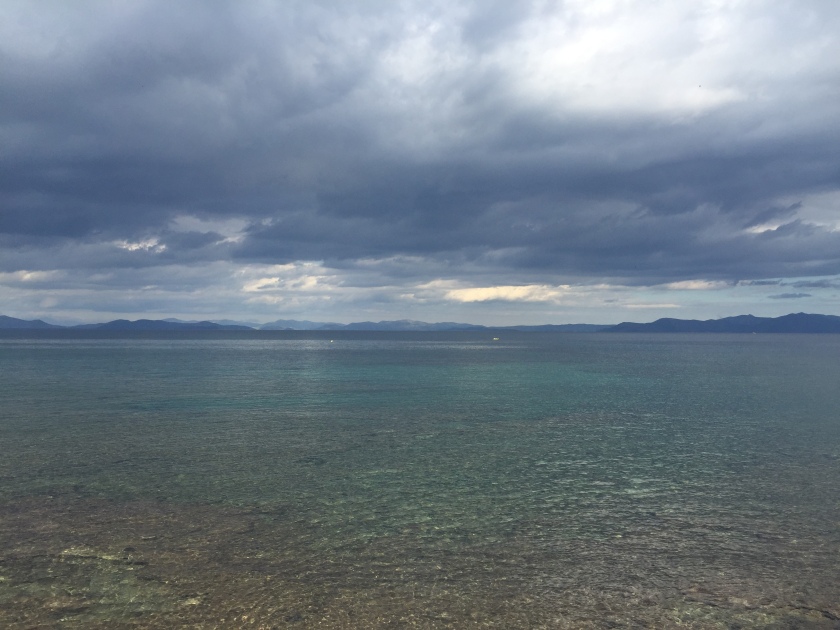
It’s still been warm enough to have lunch by the sea – outdoors! Note the kid in a t-shirt. As we ate, someone on a paddle board went by. No wind, so no windsurfers today – but quite a few swimmers. The sea is still warm, warmer than it will be in early June.

image


imageAs we head into winter, it’s good to make the most of this beautiful weather.

Speaking of poor man’s caviar and looking at the photograph of food,  I wanted to mention the guest post, called Postcard from Greece, which my friend Nadya invited me to write for her blog, The Exceptional. I re-blogged it without managing to write a few words – this is the first time I’ve done a re-blog, and I must have hit the wrong button! I wanted  to thank Nadya for asking me, and to urge everyone to wander over and take a look at her blog about her life as a PhD student and mom.

Postcard from Greece

nadya's avatarmagerei

Postcard” is a monthly column featuring guest bloggers from around the world. Today we received a postcard from M. L. Kappa (Greece) who blogs at athensletters.com. Do check out her exceptional blog about life and times in Greece, it’s highly recommended! If you’ve been wondering how things change and how the Greeks cope with ongoing crisis, M. L. Kappa shares with us the individual and social choices that people make in terms of food. Let’s read her thorough postcard:

Most people love to eat – they like to go out to restaurants and cook at home. Food is a large and enjoyable part of life. But what happens when money becomes short?

In the last five years, two things have affected eating habits in Greece: the trend for fitness and the crisis. We want our food to be healthy, and we need it to be cheap.

Greeks have…

View original post 1,249 more words

Blogroll

Has anyone even noticed my fantastic BLOG PARADE page? 

It’s right there in my menu bar and features an eclectic array of interesting blogs I’ve come across in my wanderings around the blogosphere. There’s something for all tastes – or almost: no erotica, classic cars, gardening or fashion, I’m afraid (at least yet…). So whenever you’re bored with twittering, facebooking, instagramming or reading a book, take a peep. You might find something of interest.

imageI will be updating it regularly.

Battered by the daily news

The morning news make for grim reading at the moment. I take a quick glance through the headlines, my stomach knotting. It’s all a big mess, worldwide. Violence. Terrorism. Domestic murders. Killers on a rampage. Scandals. Corruption. Fighting. Destruction. Climate change. Of course it’s all fact, but sometimes the press seems to enjoy wallowing in it as well. After a summer spent stuck in front of various screens, I avoid turning on the television as much as possible.

In Greece things are still looking bleak. The private sector has mostly borne the weight of the crisis so far, the public sector being traditionally regarded by every government as an untouchable holy cow. It is enough to note that salary reduction in the private sector has reached 20-23%, whereas in the public sector it is barely 12,5% – without even mentioning the fact that most public offices are still employing a large number of people, many of whom do nothing. The increase in unemployment is also much higher in the private sector. Capital controls are still in place, and every new law passed seems to contradict the one before.

While being unemployed is horrible whatever your job, surely having a vibrant market would benefit everyone in the long run. This policy has created a downward spiral: international competitiveness is at an all-time low and every means of getting out of the crisis has been scuppered. A increasingly large number of firms, including shipping companies, are getting out and basing themselves elsewhere, mostly in the Balkan countries and Cyprus. There is also a huge loss of human capital as individuals are emigrating as fast as they can get a job abroad.

image

Not only are people given zero incentives to stay, but often special opportunities are lost as well. For example, a few weeks ago I read that Jason Bourne’s next adventure, set against the backdrop of the Greek financial crisis, is being shot in the Canary Islands rather than Athens. Why? Because the film’s makers were put off by red tape and a lack of tax breaks.
Last year culture minister Nikos Xydakis had proudly announced that the Bourne film would be made in Athens — claiming the effect on local jobs and trade would be akin to setting up a “small factory”. But afterwards the government failed to make good on promises of tax breaks offered in most countries. So now Spanish advertisements and street signs in Santa Cruz de Tenerife have been covered over with ones in Greek, while a local plaza is doubling as Syntagma, Athens’s central square. Walls have been daubed with graffiti in Greek and locals signed up to stage anti-austerity rallies.
It makes you want to pull your hair out.

And who is doing something about all this? Not our politicians, that’s for sure. As has always been the case in our long and troubled history, they are busy squabbling (still).The government is in above its head – rumors abound they’re not going to last long – and often does not even get the support of its own party; and as for the opposition, they’re having a ridiculous and costly fight over electing a new leader.

Christmas is approaching. I wonder how we will be able to conjure up a seasonal festive spirit this year.

Red Alert

I feel so sorry for the people in Paris who went out to have a drink on a Friday night and lost their lives. I feel for their families and friends. But I feel a lot of anger as well. Have we lost the right to even walk in the street safely anymore? Is this the new face of 21st century Europe?

imageIs it just me, or is there a dire lack of leadership in the western world? They all meet at vast expense to the taxpayer and a huge carbon footprint (five star hotels, fleets of planes and cars, police escorts…) but – whether about the climate, the refugee crisis or the terrorists – nothing gets done. A total lack of a coherent policy on which everyone agrees. It’s frightening. After each terrible event, people get arrested, words of bravado are flung around, the dead are remembered. But – do we feel something is actually being done to protect us? Not enough, with all due respect. I ask, what is the use of bombing in the Middle East, when most of these terrorists have French, British or Belgian passports?

Greece is now facing the borders being closed, and we’ll be stuck with half a million refugees in a tiny country with a population of 11 million (of which one million are already immigrants, mostly from Eastern Europe). Compared to this, the USA has said it will take 30.000 over the next two years… And who meddled in those countries, creating all those refugees, may I ask? Not Greece, that’s for sure. It’s all about financial interests, oil, the arms industries, etc. And, everywhere, it’s the man in the street who pays. The taxpayer, the citizen who wants nothing but a quiet life, as well as the true refugee who will now be regarded with suspicion by all.

Forgive the rant, but does Europe really need to be dragged into another war?

The tip of the iceberg

Embed from Getty Images

A few days ago I had lunch with a friend who is very involved in the refugee crisis, since she works with the European official in charge. They had come to Greece in order to meet with various members of the Greek government and to visit  Lesvos (they had previously stopped by Lampedusa). The things she told me make for scary reading.

Firstly, the measures decided upon – after much debate – are simply not working.  The relocation project dependant on ‘hot spots’  being set up to process people is proving ineffective, even as Greece is asking for €480 million to implement it (less than six have been approved so far). The reason is the following:
Refugees must go to the nearest hot spot to be fingerprinted and given identity papers; then they will have to wait until they are sent to the country they are allocated to. This might take months, given the numbers involved and the usual bureaucratic delays.  So why would they want to do that when – by other means – they can be in the country of their choice in four days? Nobody wants to stay – and almost nobody stays.

It also appears they have to be persuaded, rather than told, to have their fingerprints taken. It’s their choice – whereas all Greek are obliged to be fingerprinted for their identity cards. A few days ago I  read in the papers that – so far – only 15 Syrians have elected to stay. But if people are undocumented, it is very difficult to implement any kind of coherent policy for dealing with them.

Secondly, desperate people do desperate things. There are more and more babies and children coming in, because parents with children get automatic priority. There are more and more unaccompanied minors, sent by families hoping they’re going to a better, safer life. But I don’t need to point out the dangers they face traveling alone, and who knows how many don’t make it – and how many are abused and exploited along the way?
Worst of all, people have started to steal kids because they can use them to get preferential treatment. When they arrive at their destination, they dump them. More money is now being spent on a campaign to try and locate their families.

Only in the last two months, more than 100 children have drowned in the Aegean Sea, while in the last couple of days, 31 kids lost their lives in 7 separate shipwrecks. The mayor of Lesvos has asked that identification of the refugees is done in Turkey, to avoid so many drownings. Meanwhile, the local morgue is full of bodies and there is need for a new burial ground. And for the ultimate irony:  an airplane ticket from Turkey to Germany costs around €400. These people are paying well above €1000 to cross over on a floating death trap. Surely there is a moral in this somewhere.

Something else I didn’t know, and which I found quite shocking, is that sending people back home is often not possible, because their own countries WON’T TAKE THEM BACK (I’m not talking about war-torn zones like Syria here.) They prefer their citizens to stay abroad, since that means a lot of foreign currency will be coming in, and it also helps with local unemployment.

It seems every measure taken has a huge downside. The more people are saved, the more come over. In October alone, 218.00 people have crossed the Mediterranean, and of those, 210.000 have ended up in Greece.

imageWe are witnessing the biggest movement in populations in the history of mankind. 60 million people, from Syria and Afghanistan, Gaza, Iraq, Haiti and a dozen African countries have fled endless wars and disastrous governments. And it’s not over yet. The wars are far from ended, ISIS and the Taliban are still preying upon entire populations, religious minorities are being hounded from their homes. The floods and droughts brought on by climate change exacerbate the problem. It would only take one typhoon in the Bay of Bengal to displace millions in Bangladesh.

To top it all, my friend has worked for a long time in Ethiopia – and the scariest thing she told me is the following:

In the next few years, immigration from Africa is set to increase exponentially.
Many of the young African countries are doubling their population every twenty years. Most of their current population is under 30 years old, while their governments are not doing much in terms of job creation and services. We’re talking billions here, a large number of whom will want to come over. Recent studies have shown that in developing countries, more than half wish to move to the west.

All this is bound to lead to a rise of the extreme right in European countries, something which has already started. Tensions are growing – the refugees are at the end of their tether, but so are a lot of the people assisting them, who sometimes feel they are not grateful enough for the help they’re getting. Many are demanding that borders be secured. The Schengen concept is in real danger, even though Angela Merkel is warning that border closures and fences to stop refugees “could cause military conflict” in the Balkans. The face of the world is changing, and most of us have yet to realize it.

I’m sorry to keep harping on about this subject. In spite of everything, some people remain optimistic that the refugees can eventually be absorbed by EE countries. Today, I read that 30 refugees were flown to Luxemberg for resettlement – a drop in the ocean, but still, some kind of start. Others just do their best to help, like Britons Andrew Davies and Wendy Wilcox, who set up  Solidarity Symi on the island of Symi, to help the people coming through. I also heard that young men on the islands are going out on jet skis, braving huge waves, to rescue people from shipwrecks.

Meanwhile, winter is approaching, and the refugees will have to face weather a lot of them are not used to, in many cases being obliged to live outdoors. Some parents are already wrapping their kids in rubbish bags to keep them dry…The seas are getting rougher and more dangerous, but the flow is not lessening. It is possible that because of all the talk of frontiers closing, many people feel it’s now or never.

So they take the risk.

image

New feature: The monthly Q&A

imageI sometimes feel too many of my posts are depressing, due to the fact the situation in Greece is not particularly cheerful at the moment. I try not to be all gloom and doom, however, because there are many good things happening.
The future still looks dark. Nevertheless, a country’s future is in its people, and especially its young people. Inspired by comments from readers, and hoping to reveal a more positive outlook, I’m planning a new feature for this blog – showcasing individuals who are making the best of things.

Each month there will be a Q&A with someone who is making a life of it, here in Greece. I will try to have a mix of people from all walks of life, different backgrounds, different occupations, mostly the young – and sometimes the not-so-young.
It will be a little bit of research, an attempt to find out what motivates these individuals: what are their hopes, their problems, how they see Greece in the years to come. Did they ever think about leaving, and, if they did, what made them stay? If they’re still thinking about it, what would make them stay?
Watch this space.

Not everyone wants to cheat on their taxes

Irini* is an esthetician. She lost her job at an upmarket salon when it closed down abruptly. The owner, a shady entrepreneur with fingers in a lot of pies, had declared bankruptcy and was subsequently arrested for tax evasion. That was three years ago, and she is still owed a few months salary. Irini found another job immediately, but only part-time. She supplements her meager salary by offering facials at home. She gets paid in cash. She would dearly love to start a little business with a friend, but has yet to find a way to make it affordable.

Roula* is a masseuse, earning good money making house calls (as much as €1,000/week, on good weeks.) She has tried many times to start a proper business, because she wants to be able to declare a steady income so that she can ask for a bank loan in order to buy an apartment. This is unaffordable with the present laws, since she would need to invest a large sum to set up her own space. A sum she does not have. She is a single mother with a son to support, so she has been forced to take a part-time job where she is paid a lot less per hour, just so that she can qualify for some social security.

Myrna* opened a tiny cake shop in an affluent Athens suburb, investing a lot of her own money. Three years later, and although she has acquired a loyal clientèle and as much work as she can manage, if not more, she is still not making a profit. And yet she has to pay a lot of taxes. She might have to close down.

If people like these were given incentives in starting and running small businesses, they could each pay a few thousand in taxes yearly. One million people times one thousand in tax a year? Do the math. The state would get a cool billion, where now it gets nothing. In France, for example,  if you have a ‘micro-enterprise’ declaring up to €23,000, you pay around €5,000 in tax. Again, do the math.
There are A LOT of such people in Greece. Proper laws would help with tax evasion, and with unemployment. Instead, thousands of small companies have been forced out of business, and the black economy is thriving. The capital controls, which – despite promises – are still enforced, are not helping the situation.

And another thing, it’s not very easy to make a budget when the laws change every two minutes, and some taxes are applied retroactively.

imageIn another surreal twist, Manolis*, who is a farrier, was preparing his tax declaration form, when he was astonished to discover that the profession of farrier had been struck off the list! Unable to decide how to fill in the form, he went to the tax office where a harassed employee had no idea what he was talking about. He asked to see the person  in charge, and was directed to an office where a man lounged behind a desk, drinking coffee.
‘Well, just put the profession closest to yours,’ the man told him, totally uninterested.
‘I shoe horses! So, what shall I put? Cobbler? Ironmonger?’ Manolis was both sarcastic and indignant.
The man looked at him.
‘Did we summon you here?’ he asked.
‘No. I came because I need to know what to do with my tax form.’
‘Oh, for god’s sake, man, what’s your problem? Just put what you like, don’t waste my time.’

Anestis* is a physiotherapist. A lot of his patients are covered by social security, which means they don’t pay him directly – he subsequently gets paid by the state. However, a law came out reducing the price of each treatment retroactively  from €15 to €12 (effective since 2012.) In May, he was paid for 2014 – but, of €45,000 he was owed, he only got €15,000. He still has not received the rest, and has no idea when and if he will get any of it. He seems resigned to the fact that it will certainly not be the whole amount. Meanwhile, he’s had to pay €30,000 in taxes – the tax people having refused to offset his credit against his debt.

Now for the flip side of the coin. Something Greeks seem unable to understand is that ‘the State’ is not an abstract entity that gets its money from a higher deity. Cheating the government is cheating your family and neighbors, those who do pay. But people still admire a friend or colleague who’s found a clever way of getting around some taxes, refusing to understand that it’s their own taxes that will pay for the shortfall.

Nobody likes paying taxes. But paying taxes is more painful if you feel the government is robbing you, or if you feel you’re not getting anything in return (roads, schools, etc.). A change in mentality is desperately needed – on both sides.

image* All names have been changed

Digging to the Past

Greece is a small country that has seen many brilliant civilizations. Layer upon layer, everywhere you dig, you come upon remnants of one or more of them. Each square foot of earth can hide a treasure.

Despite the lack of funds and personnel, archaeological digs are going on all over Greece. Archaeologists, architects, restorers, and marble artisans are aided by student volunteers from all over the world. Armed with spatulas, brushes, scrapers, sieves, and even dental equipment for delicate jobs, but mostly armed with patience and perseverance, they have toiled all summer under the blazing sun to bring to light artifacts and constructions from Classical Antiquity through the Byzantine years and up to modern times.

Now, more than ever, they have to rely on personal connections as well as local artisans and businesses to be able to overcome financial obstacles and continue with their projects.


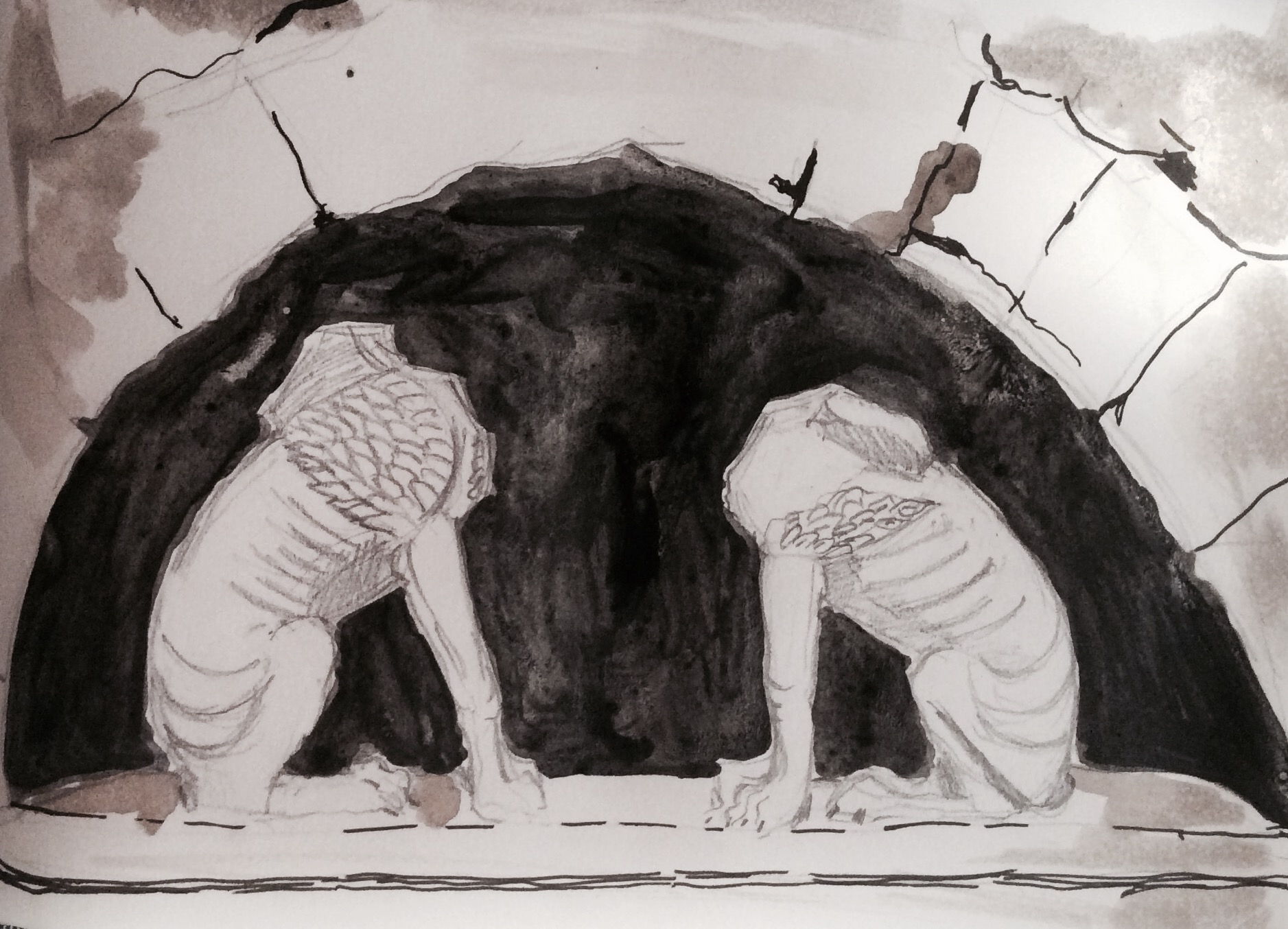
imageThe most important of these excavations is the ancient Amphipolis tomb, whose discovery in 2014 in Casta Hill, northern Greece, set the archaeological world on fire. It is still not known who is buried in the grave that dates to the era of Alexander the Great, around 300 B.C. Five human skeletons were found in the grave, statues of two headless and wingless sphinxes, caryatids and an impressive mosaic of Persephone being carried to Hades.

But there are other interesting sites around Greece:

The ruins of a Mycenean palace have been discovered on a 140-hectare site near Sparta. The impressive buildings, built around a large central courtyard and decorated with wall paintings, belong to the second complex to have been erected on the site, since the first appears to have been destroyed by fire around the 15 th or 14th century BC. A large number of clay tablets, bearing writing of the Linear B form, have been preserved –  thanks to being baked by another, more recent, fire. They constitute the palace archives and are a precious source of information about the Mycenean religion and language, as well as the social, economic and administrative structures of the area. A multitude of objects and artifacts have also been found, such as cooking utensils, bronze swords, and seals.
imageIn Crete, on Psiloritis mountain, excavations are gradually revealing the luxury and grandeur of the Minoan palace of Zominthos.

In the Cyclades, on the tiny uninhabited island of Despotiko, west of Antiparos, there existed the largest sacred sanctuary after Delos. Many fragments of marble statues and pots have recently come to light.

In Pella, an impressive marble statue was discovered of a bearded man, clad in an animal skin and boots.

On the island of Astypalaia, 5.000-year-old rock drawings have been discovered. They depict boats with oars and fish designs on their prows. They are proof that the Cycladic civilization was very widespread.

imageOn the headland of Molyvoti, an ancient walled city is being excavated, possibly Strymi, which was mentioned by Herodotus. A lot of ceramic pots, urns, jewels, amulets and coins have been found.

And there are also underwater digs. In the sea near the island of Kythira, archeologists are investigating the wreck of the Mentor, Lord Elgin’s ship, which sank after crashing into rocks while carrying 16 boxes of antiquities.

DESMOS: Matching donations to needs

What do you do with a pair of old skis, an outgrown child’s bike, or a CD player you’ve not used since you started downloading movies from the Internet? How do you get a pile of blankets to those who need them most? I give a lot of stuff to the bazaars that various organizations set up around Christmas. But there are things they have no use for, things nobody takes. Throw them out? In steps DESMOS.

Since the state is, to all intents and purposes, bankrupt – as well as being unforgivably disorganized – a lot of the social work in Greece has been taken up by charities. Of course, these are suffering as well, since individuals have much less disposable income, and companies who traditionally have acted as sponsors are facing a lot of problems as well.
However, people still find it in themselves to help, and NGOs are taking up most of the slack. There are a lot of worthy ones, doing great work with children and other vulnerable groups. One of my favorites is DESMOS, which was set up by five young women who had a brilliant idea: to match donations to needs. A kind of sophisticated recycling, as it were.

I had a talk with Alexia Katsaounis, one of the founding members and the acting president.

Alexia, can you tell me a little about how you got the initial idea for Desmos and how you set it up?

In January 2012 the Greek financial crisis was unfolding and I was part of a group of five young women who wanted to do something to help. We realized something quite simple: on the one hand, many of our fellow Greeks wished to contribute and support those more vulnerable, while, on the other hand, social welfare providers were facing decreasing resources and desperately needed all the help they could get in order to deal with continuously increasing demands for aid.
This realization became our driving concept: Desmos’ mission and basic operation was formulated to bridge this gap. That is, to best utilize surplus goods and services from companies and individuals in order to help cover documented needs of social welfare providers and non-profit organizations working to address the unfolding social and humanitarian crisis in Greece.

What does Desmos do, in practice?

Since January 2012, working out of two offices in Athens and Thessaloniki, Desmos has been able to provide for more than 300,000 short- and long-term beneficiaries, by distributing goods and services exceeding €1,850,000 in – conservatively estimated – total value to 460 social welfare organizations in Greece, through the donations of 205 companies and hundreds of individuals.

Throughout the four years of our operations, because of Desmos’ in-depth understanding of both emergency and long-term needs of NGOs, we have begun to also operate in a consulting capacity for potential donors, either as part of Corporate Social Responsibility programs, or with independent projects tailored to donors’ special interests. This has resulted in large-scale national programs.

image

Can you describe a few of these?

One is Desmos Gives Warmth, a nationwide campaign, currently in its 4th year, to provide heating fuel to non-profit organizations and schools. It has been able to distribute 171,566 liters of petrol and 9.9 tons of pellets to 123 social welfare providers, giving warmth to 7,174 people in need.
Another is Desmos for Schools – Agoni Grammi, which has provided equipment and material supplies to 35 schools in 11 remote islands of the Aegean Sea, thus benefitting approximately 1,000 students.
Yet another is our most recent collaboration with Thom Feeney on the Greek CrowdFund. This crowdfund campaign, which was launched with the goal to help address dangerously rising youth unemployment in Greece, motivated over 13,000 donors from around the world, and has resulted in the Desmos for Youth program which will support the creation of around 20 employment positions for youths aged 18-28 years, for one year, at NGOs that need valuable human resources.

Have you had a positive response from the public?

Yes, the public’s response has been extremely touching. Regarding the Desmos Gives Warmth program, the gratitude we receive from parents, teachers and students  – especially from schools in remote, northern and mountainous areas that have extremely low temperatures and high humidity during the winter – is overwhelmingly moving. We have received drawings from the students and thank you notes from the teachers that are hanging on our office walls, making us very proud :-).

Especially moving are the simple, spontaneous donations of everyday people. These provide the encouragement for us to continue our work, compensating for a lot of frustration in the face of the enormous problems that Greek society is experiencing. Most recently, Desmos collaborated with another youth employment initiative to organize a collection drive of packaged food and personal hygiene products for the city homeless. 20 young volunteers staffed Desmos stands in three major supermarkets in Athens for 5 days, encouraging customers to make donations in kind, however small, with their shopping. One visiting customer, after listening to the volunteers’ explanation of the purpose of the drive, went into the supermarket and came back some time later with a full cart. He approached the Desmos stand, took out a single deodorant and left the entire cart, full of pasta, soap and other goods, to the volunteers, saying “Keep up the good work!”

image

What are strange or unusual things people have given you?

We pride ourselves in being able to handle a wide range of donations, because there usually are corresponding needs that we couldn’t have imagined unless we asked. For example, we received a call from a donor saying that she wanted to donate a professional piano synthesizer. We were baffled, because so far we had dealt with basic goods, such as food and essentials, and it was a challenge to respond to such an item. However, once we began asking NGOs whether they could use  a synthesizer, we realized that social welfare providers that care for special needs children with autism, mental retardation and other conditions needed musical instruments because music therapy and musical stimulation were essential to the learning process of the children. It was an instant and wonderful match that led us to post such needs on Facebook and equip a number of NGOs with musical instruments that would be otherwise collecting dust in some storage!

Recently we received an email from someone who wished to donate an old Mercedes in mint condition. Once again we didn’t know where to start looking, since NGOs usually ask for vans or SUVs – however, a couple of organizations responded that they needed a transportation vehicle and were open to the car and entailing costs. The donation didn’t go through in the end, because the owner couldn’t bear to part with the car, but he assured us that once he makes the decision, we’ll be the first people he calls.

Is matching donations to needs a complicated task?

Yes, it requires a lot of work and communication between various parties, so Desmos is constantly researching ways of making the process easier and more efficient. To this end, we have created Desmos Direct, a valuable digital tool that innovates the giving process by “automatically matching” goods and services offered by individuals and companies with the needs of social welfare organizations. Donors and organizations post their donations and needs online and when a match occurs, Desmos Direct notifies both parties and directs them to complete the transaction. This way, donors can browse through organizations’ needs, but also organizations can browse through donor’s items on offer to find the odd thing they may desperately need. Any donation, however strange or unusual in principle, may very well have its corresponding need on www.desmosdirect.org!

And finally, are you doing anything in particular to help the refugees?

The current refugee situation in Greece and Europe at large troubles us greatly and we continuously receive donor interest in helping out the areas that are hit the most by incoming refugees, as well as requests for aid from NGOs specializing in refugee crisis relief that are active on the sea and mainland borders, particularly the islands of the Eastern Aegean.

So far, thanks to corporate and individual financial donations, we have made significant in-kind donations in food and basic goods supplies to the islands of Tilos and Lesbos.

We are in the process of establishing a more consistent line of assistance and supplies to the island of Samos, which is developing into a significant “crisis” island, particularly in anticipation of colder weather in the next months. We are also in constant communication with most NGOs that work for the refugee crisis,  such as the International Rescue Committee, which we are helping by supplying goods to them in Mytilene.

At the moment, we are also expecting donations from the international community, and are making efforts to get through the customs bureaucracy in order to access these goods. Specifically, we have 18,500 cans of baby formula from New Zealand that are waiting for customs clearance, and we just received a large quantity of sleeping bags, blankets, raincoats, and personal hygiene products from the Greek Community of Geneva, Switzerland.

While thanking Alexia for taking the time to explain things, I would like to add a word of praise for the work done by the staff and volunteers at DESMOS. They are always cheerful, helpful and, above all, efficient. They even told me where I could give boxes of pills (in capsules) that had been opened but were not yet expired, that I found when clearing out my medicine cabinet!

imageFor updates on refugee aid, as well as to learn more about new projects and ideas, you can follow Desmos on Facebook and Twitter and register for their monthly newsletter at www.desmos.org.

And for donations, use www.desmosdirect.org or call (30)216-9001320 Monday-Friday 10:00-18:00.