From rejection to publication

After years of getting rejections for my writing, I finally signed with a publisher

If rejection letters were paper, I could have covered my bedroom walls with them (or made a bonfire). Thankfully, nowadays they are digital, so they remain hidden in an Excel sheet (just so that I can remember not to submit to the same agent/publisher twice!)

But let me go back a little: I have always loved writing from an early age, and in high school served as editor of the school mag, entitled Sunny Days. This activity alleviated hours of boredom in class, where I could correct texts and draw the artwork while the teacher droned on…

Earlier even than that, at age 10 or 11, I was let loose upon my mother’s bookshelves. She was a great fan of Agatha Christie and Georgette Heyer, both of whom I devoured (as well as a great variety of other authors, some more highbrow than others.)
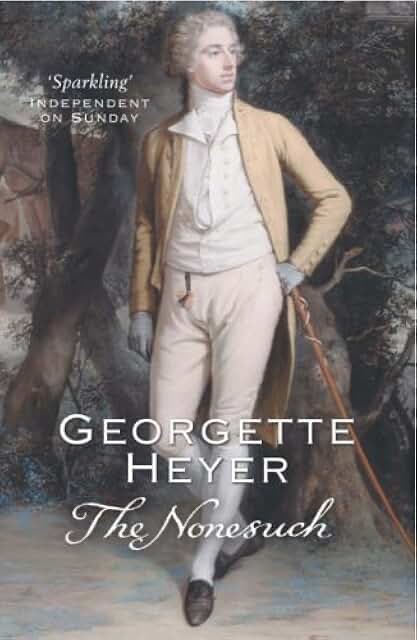
This must have been the cover at the time.

Over the years, I wrote a number of short stories, some of which were placed in competitions, while others were published in Anthologies and online magazines (I got plenty of rejections there, too.)

I was (and am) a rabid bookworm, reading over a wide range of genres—literary fiction, memoir, short stories, historical novels, travel books. For entertainment I read mystery and crime. No romance.

Later I set myself the task of writing a book and of course I decided upon mystery. I took some online courses and attended the Festival of Writing at York twice (the most fun time). I completed no less than two novels, one set mainly on a yacht in the Greek islands, the next in the world of international horse racing. I really found it interesting and fun to work out the plot, the red herrings and twists and cliff hangers.

I started the process of querying agents but, although I got great feedback from some and quite a few requests for the full manuscript, the final answer was no. It was never the right timing, or quite the right thing for their list at this particular moment. Most just ghosted me, a practice I find at best impolite when they have requested the whole ms, however busy they might be. Publishers did reply, but still it was no.

I considered self-publishing but, after a lot of research, realised it would be very costly—both in money and time spent—in order to be done properly. Even if you self-edit to death, even if you find beta-readers for free, even if you design your cover yourself, it’s not enough. You need professional edits, a great cover, proper promotion. I’m not good enough to do it, don’t have the time or patience and I am too proud to press the button on a shoddy job. So I persevered and am still persevering.

This is a mock up I made for the cover of one of the mysteries, when I was considering self-publication

Meanwhile, lockdown happened and, having more time on my hands, I started re-reading Jane Austen, whom I had not touched since school. She has stood the test of time for a reason. Then I went on to read some of Georgette Heyer again, and really enjoyed the banter and great writing. One thing led to another and, having shelved the mysteries (for now) I have written a number of Regency romance novellas.

Amazingly, I sent one off to an indie publisher and got a favourable reply! I was astonished, as I had actually forgotten about it. However, my excitement was quickly dampened because, after I signed the contract, they then went radio silent for the whole summer. Apparently one of the team had a medical problem, so delays were understandable, but emails went unanswered which freaked me out a little. I reached out to one of their authors who explained this can happen with indie presses because they are short staffed, and that patience was needed. But still.

However, they returned with a vengeance and now things are moving fast. My editor Lisa was lovely and actually there was not much to change or correct. The discussion about the cover went well. Publication date is early December, all fingers crossed—and I am panicking a little because there are so many things to do. I had to set up a Facebook page (I hate Facebook), and IG and X accounts. I have joined the Author’s Guild of America (the publisher, Cupid’s Arrow Press, is American) which is great: there’s a fantastic forum where you can get feedback and advice from other writers, they have tools for building a website, which I have done, and they even offer legal advice if you need it. But there is still a lot to do, and I am new at this.

A glimpse of the cover (detail).

My book is called Marguerite, which is the name of the heroine, but more about that in another post. I am using the pseudonym Marina Montrose for the novellas.

Stay tuned for further developments. I know historical romance is not everyone’s cup of tea, but I hope some of you at least will read and enjoy it. I would be honoured.

La rentrée

La rentrée is the French expression for the end of summer, when everyone returns from their holidays and the kids go back to school. An expression guaranteed to provoke annoyance if not anxiety in childish breasts. As a child in Greece, I remember being enervated by cliché talk of ‘the first rains’ (after months of drought) and ‘every rascal goes back to his desk’. It was the last thing we wanted to hear after running around barefoot and half-naked for three months. Back to ghastly leather shoes and blue overalls with white collars.

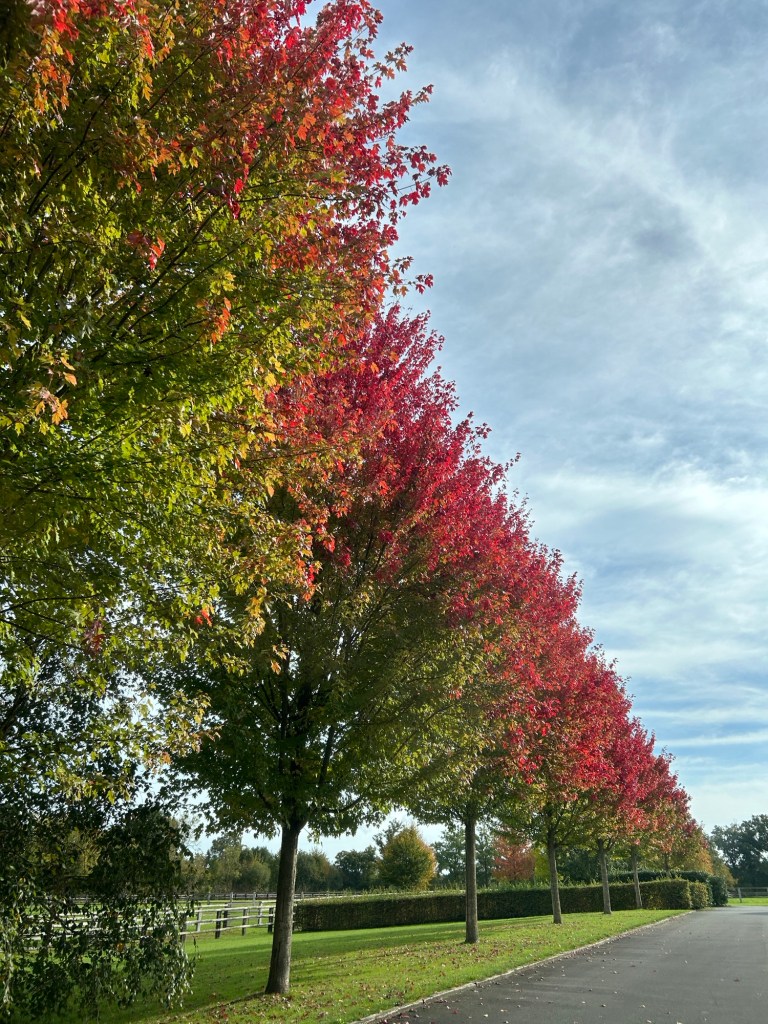
Autumn view of Normandy fields

Be that as it may, the days are drawing in and there is a chill in the air.

I have been painting a lot, inspired by summer bouquets. Peonies, watercolour on paper

After a very busy but pleasurable summer, with all the family here and meals for up to fifteen people (necessitating endless shopping, cooking and cleaning up!)—al fresco lunches and barbecue dinners—we are back to being à deux. The garden is, somewhat belatedly, providing us with plenty of tomatoes, courgettes, green beans and lettuce, so I am planning some healthy eating after the plethora of ice creams and chocolate eclairs.

Greek Interior. Oil on hardback book cover

I am determined to avoid the horrendous news as much as possible (why are most politicians so hideous?) and cocooning with painting, writing and reading. I have neglected the blog for weeks, due to lack of time and inspiration, but will now do some catching up on summer activities. Also resuming the puppy’s training, since he has become horribly spoiled by everyone.

But he is helping pick the blackberries 🙂

When will they ever learn…

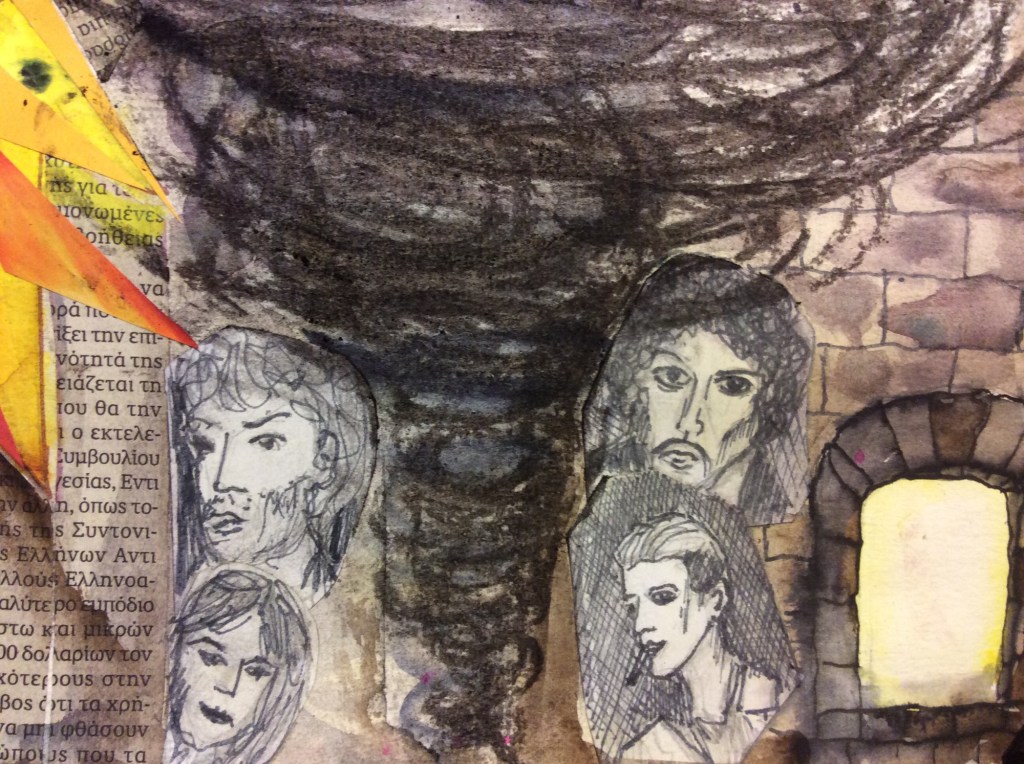
Here we go again. The leaders of the free world bombastically beating their chests over the strikes in Iran, boasting that they were ‘A spectacular military success.’ As if Iran is going to take this lying down. The Ayatollahs immediately warned the attacks would have ‘everlasting consequences.’

Various countries are now taking sides, giving contradictory opinions, while bracing themselves against terrorist attacks in major cities.

This is not a political essay—there are others more competent that I to give a considered analysis of the facts, which can be read in the papers and news feeds. Opinion pieces abound, one of which bitterly—and accurately—states that the world is ruled by “three angry old men.”

As a layperson, though, I can but wonder—does nobody look at the facts before taking such decisions as politicians have been taking the last several months?

All the American wars of the past years have ended in disasters—think Vietnam, for example, or Afghanistan, where after twenty years the Americans fled, leaving tons of expensive military equipment behind, their Afghan collaborators in the sh*t, and all the improvements in daily life (especially for women) wiped out in one stroke as the Taliban instantly surged back into power.

And it’s not just America—half the world seems to be on a warpath as we speak.

I’m sure a lot of people in various industries benefit financially from all these wars, but who pays the highest cost? The boys drafted from US villages who were sent to the other end of the world to fight the Viet Kong, the unarmed civilians who see fire and hailstones rain over their hitherto peaceful homes, the mothers sending their kids off to war, the old and vulnerable, the healthy young people returning maimed and broken beyond repair.

It beggars belief. Where are the gains from all this? And is there a solution? Probably the only one is endless negotiation until one is hammered out.

Art by AthensLettersArt

Do you remember this old song?

Where have all the husbands gone?
Long time passing
Where have all the husbands gone?
Long time ago
Where have all the husbands gone?
Gone for soldiers, every one
Oh, when will they ever learn?

Peter, Paul and Mary

Will Saint Catherine’s Monastery survive?

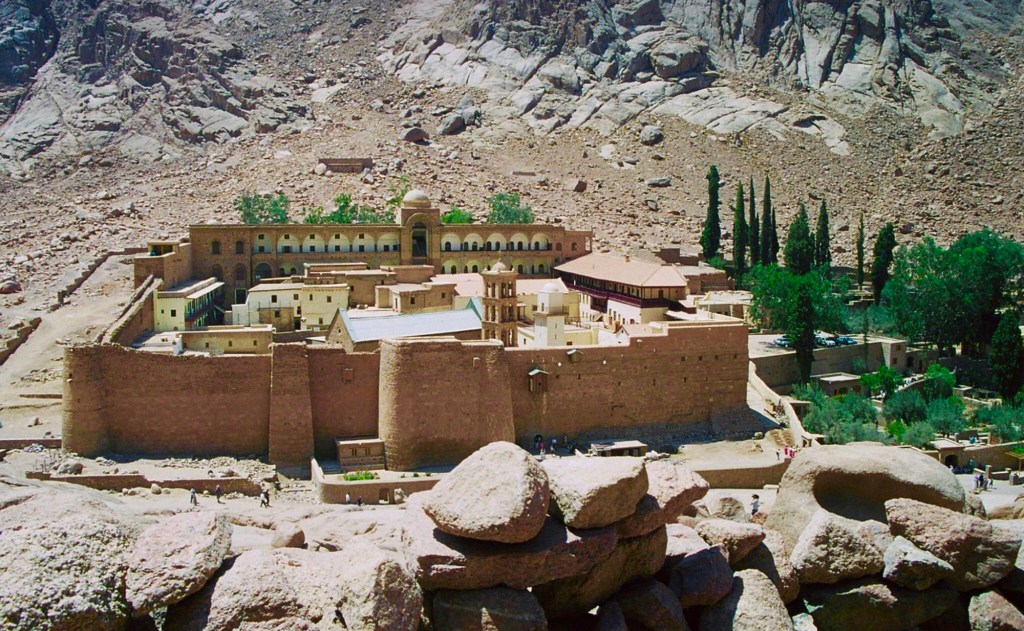
There is great alarm in the Greek Orthodox Church about the fate of Saint Catherine’s Monastery, which is situated at the foot of Mount Sinai, in Egypt.

The monastery, built in the 6th century by the order of the Byzantine Emperor Justinian the First, is the oldest monastery in Christendom. Continually inhabited by monks, it contains what is thought to be the Burning Bush seen by Moses and possesses numerous rare works, such as the Codex Sinaiticus and the Syriac Sinaiticus, as well as a wonderful collection of early Christian Icons and illuminated manuscripts.

The site is considered sacred by the three major Abrahamic religions: Judaism, Christianity and Islam. It became a World Heritage site in 2002.

Last week an Egyptian court ruling decided the lands around the monastery should revert to Egypt, and there were even rumours that Egypt intends to turn the monastery into a museum. These rumours were swiftly denied, however the uncertainty about the monastery’s status quo remains.

A delegation from Greece has met with their Egyptian counterparts and discussions are under way, which are delicate due to the many legal complications as well as the interests involved. The Church obviously wants to preserve the status quo, but the Greek government (heavily criticised by the opposition for delays in solving the issue which has been looming for a while) also wishes to preserve good relations with Egypt.

If the ruling stands, the monastery risks losing the lands around it which are essential to its daily functioning and, ultimately, its survival, including gardens with water springs, orchards and olive groves. Unfortunately, these lands are coveted for touristic expansion.

As in all such cases which have to deal with geopolitical issues as well as financial interests, much politicking will be going on, with each side trying to gain as many advantages as possible.

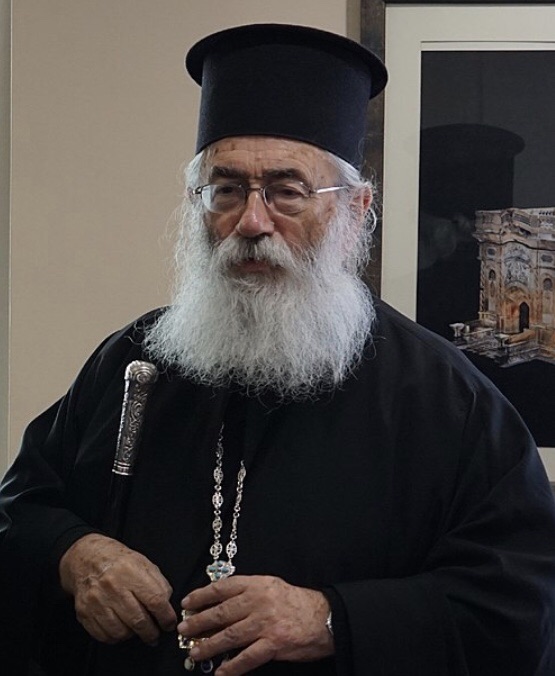
The hegoumen of Saint Catherine’s, Archbishop Damianos, has been very active in his leadership of the monastery, including organising a digital archive of the monastery’s manuscripts, establishing the first Greek University in Egypt, fostering interfaith dialogue and preserving the monastery’s rich spiritual and cultural traditions.

Archbishop Damianos (b. 1973)

In 2004, the Benaki Museum in Athens organised a wonderful exhibition of masterpieces from the monastery, including icons, mosaics and manuscripts. These were also later shown at the Metropolitan Museum in New York. After the opening of the exhibition, there was a small diner in an Athenian restaurant, where I had the honour to be seated next to Archbishop Damianos.

I have to confess I was a little overwhelmed at first. An Orthodox priest—long black robes, long black beard, long black hair tied in a bun, embroidered vestments and a gold cross. What on Earth would we find to talk about for the next two hours? Well, I soon changed my mind. He was the most wily, charming, educated, well-travelled and well-read man, as well as a superb raconteur. A dinner I will never forget. I hope he gets to keep his monastery.

A wonderful collection

In 2004, the descendants of the Senn family made a donation of 205 pieces of art to the MuMa Museum in Le Havre. The collection, of mostly Impressionist and Fauve artists, was amassed by Olivier Senn and further embellished by members of his family. It includes works by such icons as Delacroix, Boudin, Monet, Renoir, De Chirico, De Staël and others. On the 20th anniversary of this major donation, the museum curated a major exhibition of the works.

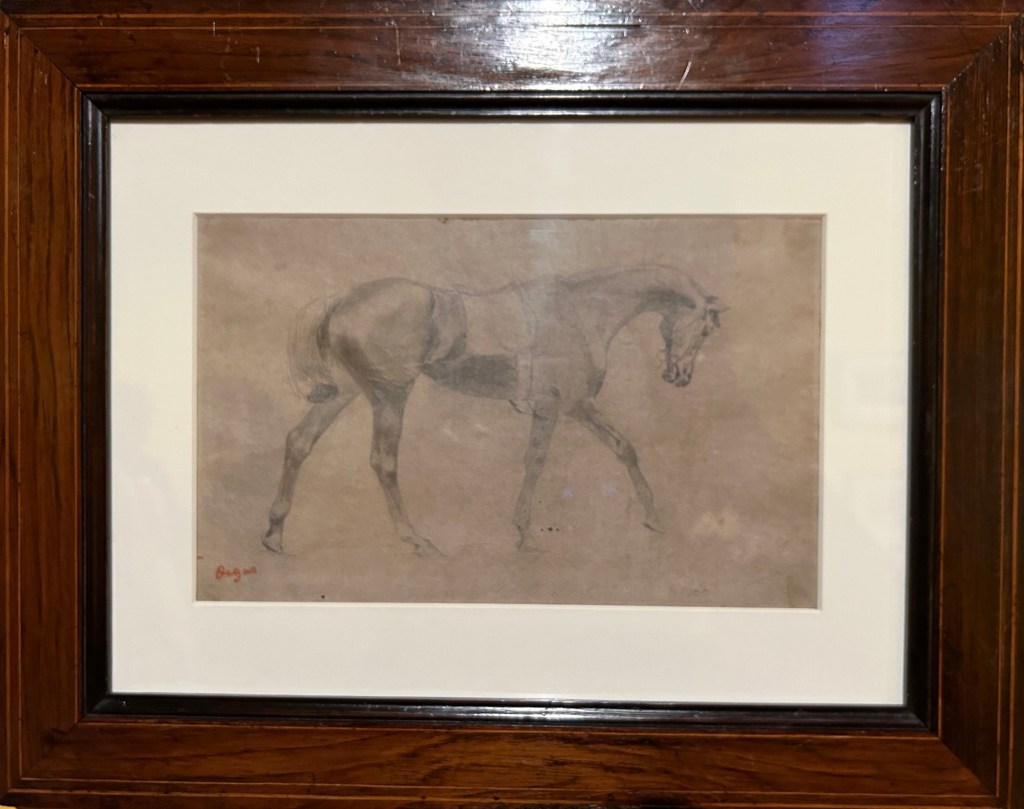
Edgar Degas, pencil on paper

Born in Le Havre in 1864, Olivier Senn studied law and, after marrying, joined his father-in-law’s cotton business. Once he’d made his fortune, he started buying art. The Senns and their descendants and relatives by marriage were all art and music lovers, as well as generous donors.

Yesterday’s vernissage of the exhibition drew a large and very appreciative crowd, which thankfully spread out around the museum rooms, making it pleasant to wander about, admiring the works. The collection was too large to describe in full, so I will linger over some particular favourites, a set of lovely pencil drawings by Edgar Degas.

Degas, circa 1859-1861.
This drawing, along with the one above and several others, were studies for a large oil painting titled Alexandre et Bucéphale

Another interesting work, probably in pastel, is the study below, for a painting called Semiramis building Babylon

Further little treasures among the works on paper were the small charcoal studies below, by Henri-Edmond Cross. A lesson in conveying much with but a few simple strokes.

Here’s a link for anyone who would like to see more:

https://www.muma-lehavre.fr/fr/expositions/les-senn-collectionneurs-et-mecenes

Going into winter

It is not cold yet, but the days are drawing short, and when I take the puppy out at 7.30 a.m. I wear a jacket and sometimes a woolly hat. The leaves are turning and some days there is mist on the ground.

We do get some brilliand days, though, and the beach is magic.

There are still flowers in the garden, and a few tomatoes. The crab apples are red, and the apples are ripening also.

The summer went by too fast, as usual, and the weather was not very inspiring—however, we did not get heatwaves, or a water shortage, or forest fires, as in Greece or other southern countries.

The puppy likes crab apples

We are fortunate to live near Deauville, which is a beautiful and lively town, with plenty going on at all times. Racing, polo, film festivals, exhibitions and more. We have lately acquired a cultutal center called Les Franciscaines, the conversion of an old nunnery, and there is always something on.

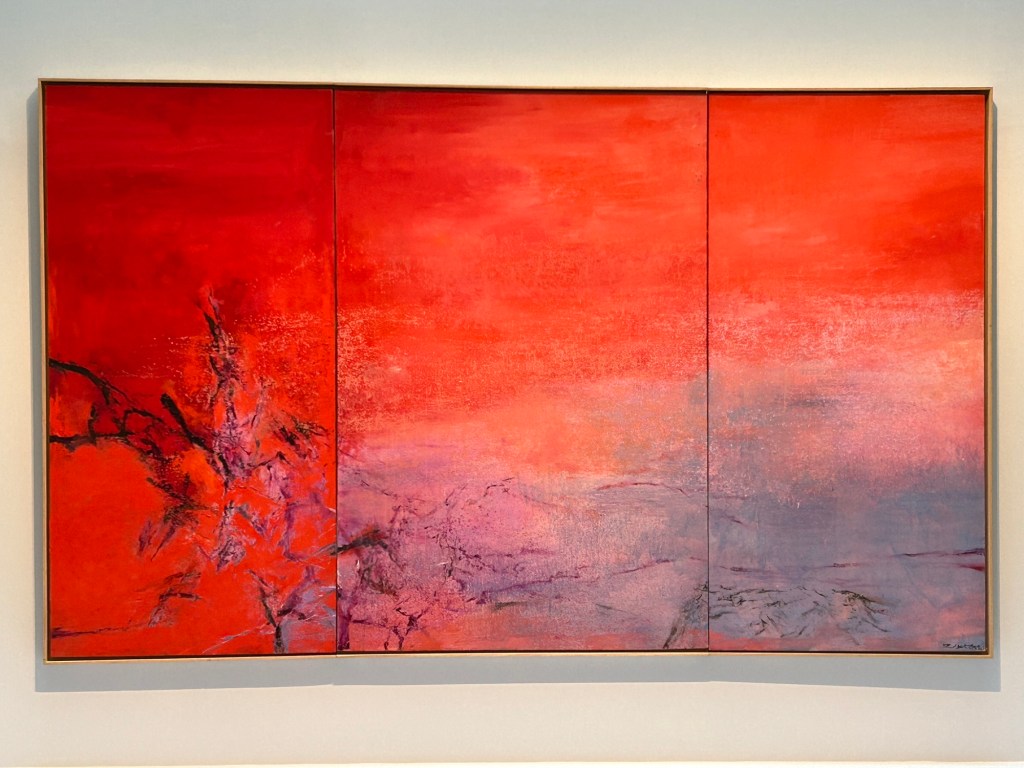
Back in March they put on an exhibition by the abstract artist Zao Wou Ki. It was a real treat to be able to see some of his paintings within 15’ of my house. I’ve written about him before. Here: https://athensletters.com/2018/09/25/awed-by-the-abstract/)

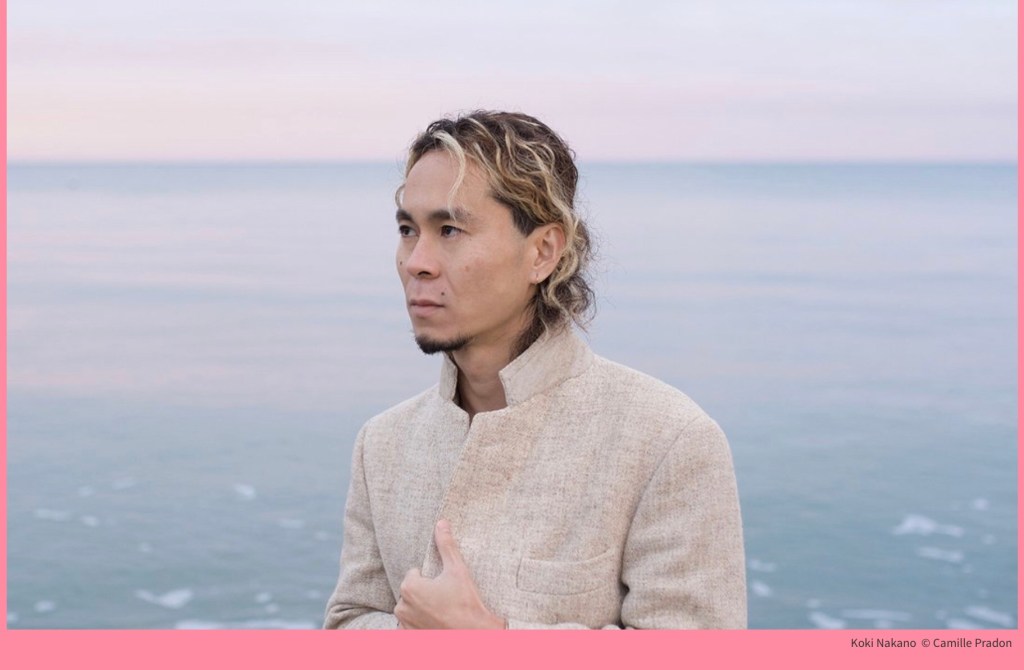
One of the highlights of the summer was an exquisite concert by the Japanese neoclassical composer Koki Nakano. I did not know what to expect, having never heard of him before, and in fact had never heard anything like it before—immersive soundscapes somehow combined with melody. In the La Chappelle, the small theatre placed in the former nunnery’s chapel, a grand piano was the only thing on the stage, its lid open and adorned with electronic devices. It was flanked by an electric keyboard.

Nakano played his own compositions, a mixture of electric and acoustic piano and I can honestly say one was more beautiful that the previous. The concert was called Oceanic Feeling. Sometimes he was accompanied by a dancer, the wonderful Tess Voelker from Chicago, since he is fascinatedby the relation between music and the human body.

This is the clip he had made of his music

The simplicity of the setup, the magical lighting, the elegant musician himself who addressed the audience between the pieces and even spoke in French, all made for a truly memorable evening.

Tokei(Tokyo) by Akira Yamagoshi. An aerial view with enchanting details. Zoom in to enjoy.

At the same time the centre put on an exhibition relating how the impressionists were inspired by Japanese art, which contained a few treasures.

Micro Fuji by Tiger Tateishi (1941-1998)

To finish off, sadly we could not see the northern lights which appeared over Europe. I have seen them once, in Iceland, and they were mostly green and yellow, whereas these were quite pink. So for your enjoyment I am posting a wonderful photograph by Deborah M. Zajak on her lovely blog Circadian Reflections (https://circadianreflections.com/2024/10/13/something-for-sunday-northern-lights/#respond) I urge you to take a look, she posts great photographs of birds and other stuff.

Farewell, Maggie

I will not attempt to describe Dame Maggie Smith’s life or acheivements—following her death at 89, the papers and online sites are full of detailed biographies and tributes and I am sure everyone who is interested has read them.

This is just a short personal tribute to a great actress—someone who has provided me with unforgettable moments of delight throughout my life.

A lovely 70’s portrait (Wikipedia)

Growing up and living for a large part of my life in Greece, I was very fortunate to have been able to witness some of her best performances in the theatre, live. Thanks to my parents’ love of the theatre and a few well-timed trips to London, I saw her in various plays, and most memorably in Lettuce and Lovage. I remember tears of laughter running down my face as, playing a stately-home tour guide who embellishes her descriptions with fictions to keep the visitors’ attention, she became increasingly more demented. Also memorable was The Importance of being Ernest, where her Lady Bracknell was so haughty that her nose was parallel to the ceiling as she delivered another scathing put-down to some hapless person.

Of course I have watched her in most of her films, too. Her wit, her cool delivery, her tart and sophisticated personality were unique. It is a great privilege to have given so much pleasure to so many people during your lifetime, and she was proof that it is possible not to become invisible and diminished as one ages. On the contrary, her fame increased at the end (despite all her success, up to a certain point she managed to go about town unrecognised). Of course, not everyone has her talent.

Let me conclude with the deliciously quirky line which just sprung to my mind, asked with opened eyes a a note of genuine astonishment, ‘What is a weekend?’

The Booker Prize Long List

Like every rabid bookworm in the land I too await the long list for the Booker Prize with anticipation each year. Not that I put much faith in prizes: in all creative things they are very subjective, and often the prize gets awarded to the book each person on the panel of judges dislikes least—just so they can all agree.

© Tom Pilston for Booker Prize Foundation

Also I cannot say that usually I read every book on the long list, or even on the short list—some do not appeal at all. Often some are books I have read before, such as Hilary Mantel’s Wolf Hall and Bring up the Bodies, which I adored. However, there are books I discovered because they were on the list, which I might not have picked otherwise—some I abandon half way through (I stopped long ago making myself read to the bitter end a book I dislike), some I love, such as Bernardine Evaristo’s Girl, Woman, Other.
This year the list looks tempting—it is varied and seems to contain meaty stories. I have read none of these books, and perhaps will not read them all, but I will certainly try some.

Here is the Booker’s dozen of thirteen novels, to tempt you:

-Colin Barrett, Wild Houses. A debut novel from a top Irish short story writer, it is a sort of crime tale set in small-town Ireland.
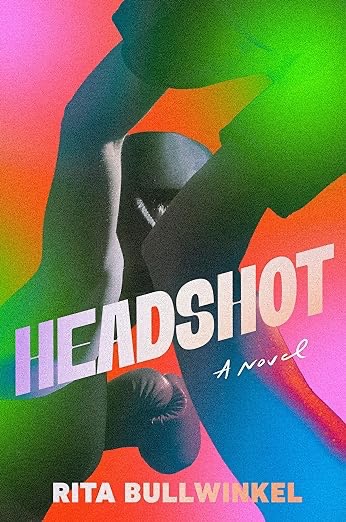
-Rita Bullwinkle’s Headshot follows the teenage girls taking part in a boxing tournament in Nevada. Spills and thrills, physical and mental combat.
-Percival Everett, James. One of the favourites to win, it retells the story of Jim, the runaway slave in Mark Twain’s Huckleberry Finn.

-Samantha Harvey’s Orbital is about six astronauts in an International Space Station.

-Rachel Kushner, Creation Lake. A freelance spy infiltrates a commune of eco-activists in France.

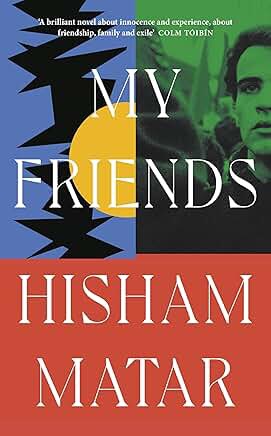
-Hisham Matar, My friends. The story of three Libyan dissidents exiled in Britain.

-Claire Messud, This Strange Eventful History. A Franco-Algerian family’s wandering through eight decades of war and peace.

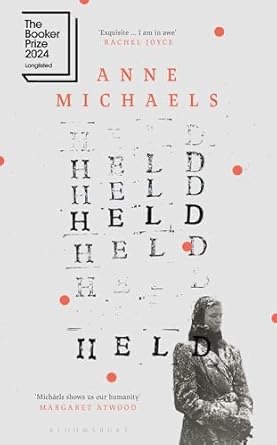
-Anne Michaels, Held. Short snapshots of various characters bedevilled by war and tyranny, it is the most experimental work on the list.

-Tommy Orange, Wandering Stars. It explores the consequences of a shooting at a Native American powwow.

-Sarah Perry, Enlightenment. A baroque story about group of Strict Baptists in 1990s Essex.

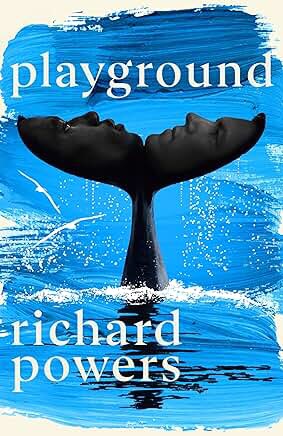
-Richard Powers, Playground. Floating cities threaten to overwhelm a Polynesian island already ravaged by mining.

-Yael van der Wouden, The Safekeep. A debut novel about a young woman falling in love with her brother’s girlfriend explores the callous treatment of the Jews returning to the Netherlands after the war.

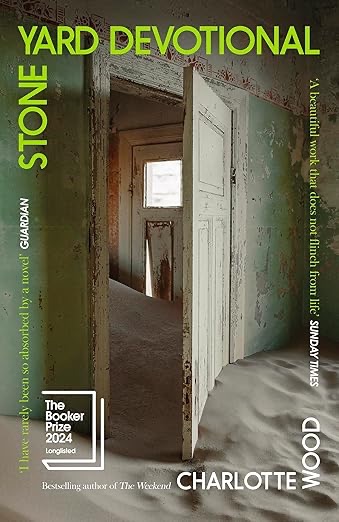
-Charlotte Wood, Stone Yard Devotional. A quiet Australian novel about a woman taking refuge among eccentric nuns at a Catholic retreat in the outback.

I consider it a list full of original, complex work, set in different cultures—there is something there for everybody. The authors are American, Irish, British, there is a Duch writer and a Native American—true diversity. And it is mostly free of household names. The chair of this year’s judges, artist and author Edmund de Waal, said : “These are not books ‘about issues’: they are works of fiction that inhabit ideas by making us care deeply about people and their predicaments.”

Enjoy.

Together in sport

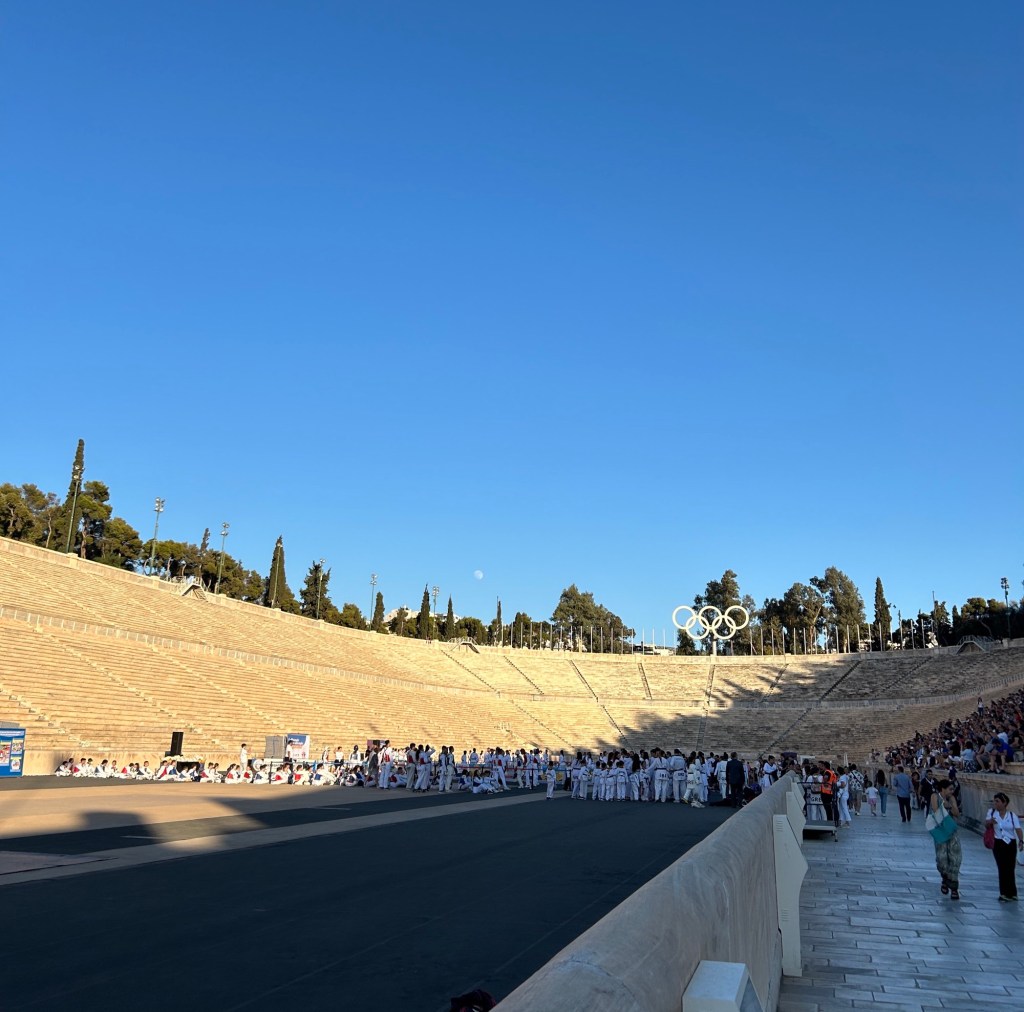
Although I have been multiple times to the Panathenaic Stadium or Kallimarmaro (beautiful marble) every new visit strikes a fresh chord.

A truly magical place under the pure blue Attica sky

Built entirely of white marble, the stadium was first constructed on the site of a simple racecourse by the Athenian statesman Lykourgos c. 400 BC, primarily for the Panathenaic Games. It was rebuilt in marble by Herodes Atticus, an Athenian Roman senator, by 144 AD it had a capacity of 50,000 seats. After the rise of Christianity in the 4th century it was largely abandoned, but was excavated in 1869 and hosted the Zappas Olympics in 1870 and 1875. After being refurbished, it hosted the opening and closing ceremonies of the first modern Olympics in 1896.

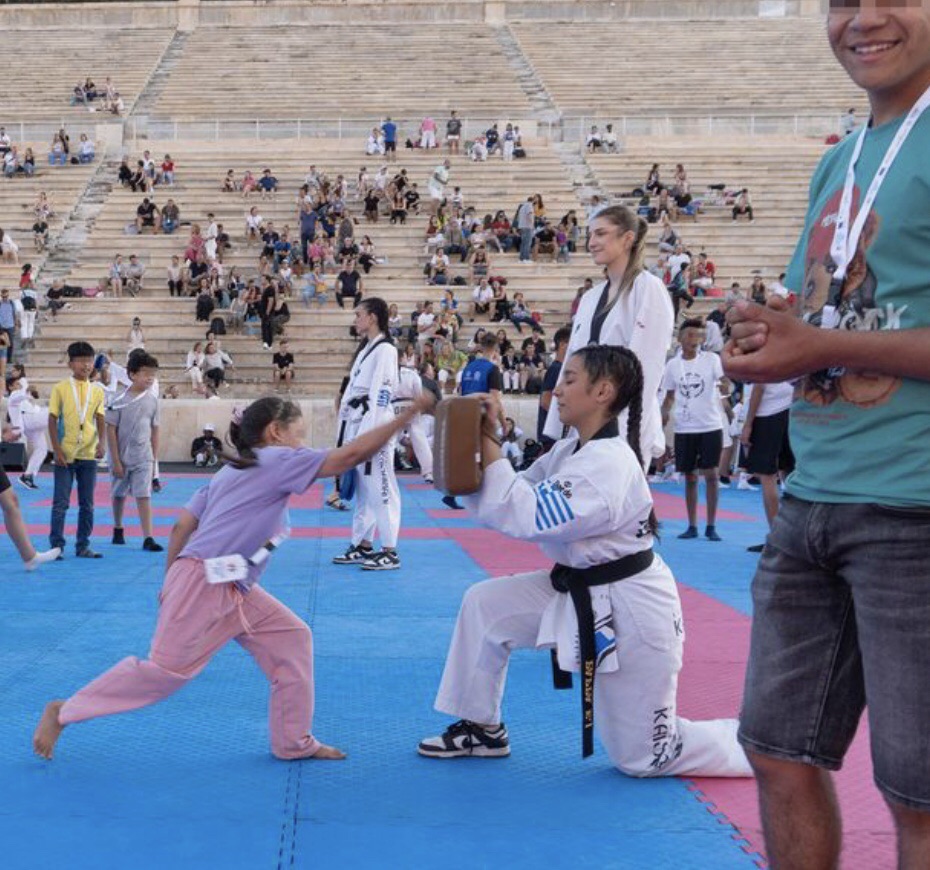
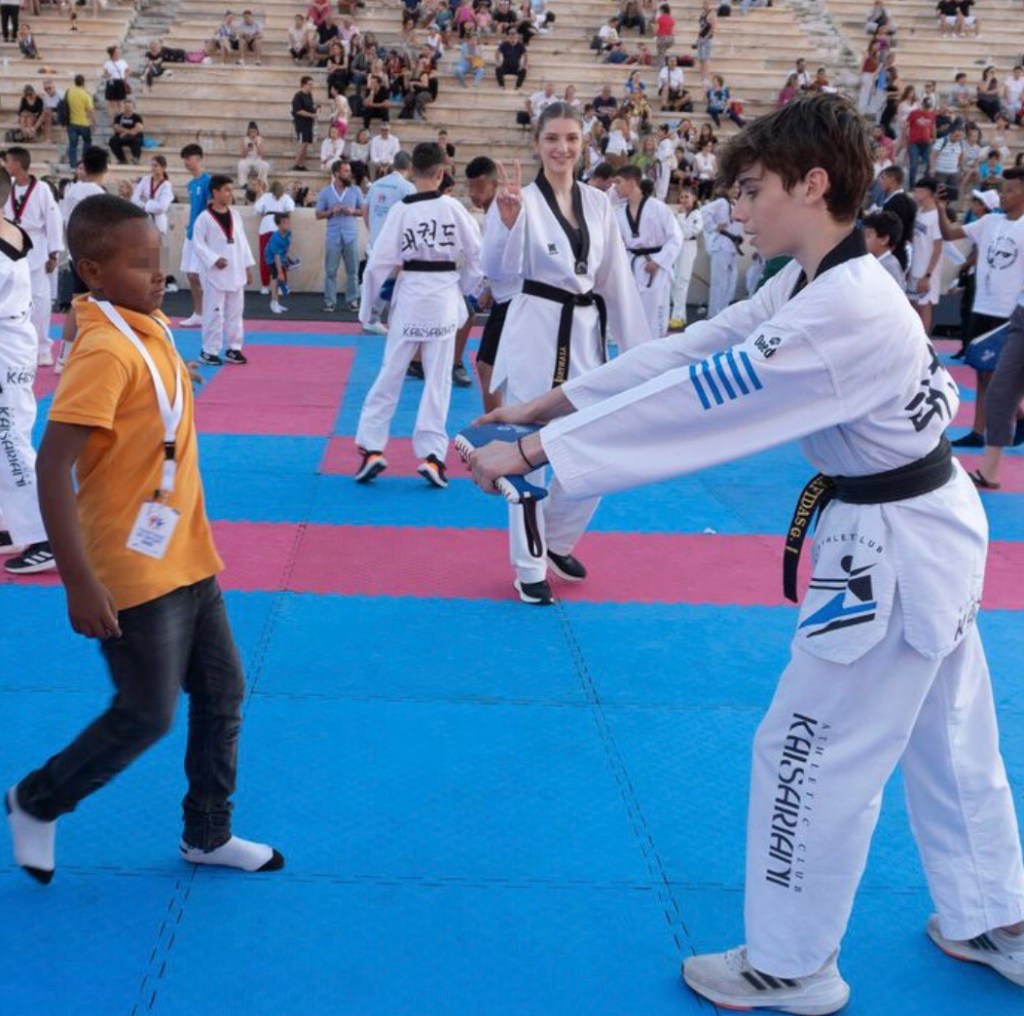
The reason for my visit, a few days ago, was a Taekwondo event within the framework of the Together in Sport program, titled Together in Taekwondo.

More than 400 young Taekwondo athletes, boys and girls, took part in a series of competitions and poomsae.

As I entered the stadium an impressive number of black-belted teenagers were literally flying about in breathtaking movements—it was like watching a Ninja movie.

On the side, smaller kids in helmets were performing more basic moves.

In the second part of the event, young refugees of all ages and from a myriad countries mingled with the Greek kids and got a chance to try the sport for themselves.

Some of the action

Emotions ran high, there was much laughter and bantering as big boys tried various kicks while tiny girls in skirts spun cartwheels around them.

The event was rounded up with speeches, awards and gifts and there was also an art exhibition titled ‘We are all on the same team’, sponsored by the High Comission for Refugees, with drawings, posters and comics by 1.800 students of all ages.

The President of the Teakwondo Federation declared that it was a dream come true for them to find themselves in the historic stadium.

Photo by Lina

Together in Sport is a European project implemented by METAdrasi, an NGO helping refugees, in cooperation with the Hellenic Olympic Committee and the German Olympic Sports Confederation (DOSB)

The main aim of the project is to use sports as a social medium to give the chance to asylum-seeking children (from 7 to 17) to learn about and take part in organized sports—but also through sports to develop relationships with their peers from the local communities. The project enjoys the support of Μunicipalities in Attica and the rest of Greece.

Amongst the aims of the project is to cultivate and promote values like mutual respect, team spirit and intercultural tolerance—as well as improve the everyday life of these kids and enhance their sense of belonging.

The programme also includes recreational and cultural activities of an educational nature (visits to museums, archaeological sites, sports facilities etc.)

Photo by Lina

The above is to give some general information, but what was wonderful about this particular event was the sense of enjoyment in all present and the appreciation of being in such a unique place as the sun fell.

Best Wishes for 2024

The dawn of a new year: who knows what it will bring. Is there a glimmer of light on the horizon? Let us be optimistic, although things are pretty grim at the moment. I skim over the headlines each day, trying to avoid the worst of the news.

We all wish for world peace, at least those of us who are not dictators or involved in the arms industry. Meanwhile, let us take comfort in the good things in life, if we can manage it: art and books and nature, family and friends. And let us hope for good health.

Let us think of those who have none of the above, and lend a helping hand when we can. Let us hope for that glimmer of light on the horizon.

And for those who like to celebrate, here is a painting by Toulouse Lautrec, who was a master at depicting people enjoying themselves!

Happy New Year, everyone!