I’ve been offline for a while, having been rather busy, but also because there’s been nothing I particularly wanted to write about. I had planned to go and visit another part of the Documenta Art Fair, but a general strike put a stop to that. To top it all, the weather has been foul; a hot wind dumping packets of dust upon us straight from Africa and, since yesterday, rain. We’re usually glad of a bit of rain at this time of the year, since everything is drying up fast, but today it’s like a monsoon, pouring down from a grey sky. The dog is refusing to go out, and I’m dreading a pile of poop will materialize next to the kitchen door…
Aaargghh.
Looking out on a watery world
Catching up on the news is doing nothing to improve my mood. The endless political bickering is intolerable. I wish they’d buckle down and do some work, instead of spending their time blaming each other for the ills that are besetting us.
As the endless negotiations between the Greek Authorities and our European controllers are winding towards a resolution, things continue to look grim. The constant quest for more money is centred on two things – raising taxes again (they are already sky-high) and cutting pensions further. Of course, there doesn’t seem to be any intention of cost-cutting in the public sector.
Consider the following figures:
Against a population of 3.5 million people in full employment, there are 1.4 million unemployed and more than 2.5 million pensioners. Nearly half of those are getting a pension below the poverty level. An average net salary is around 815 euro while around half a million people work part time for less than half that amount. Many are getting paid with a delay of three to five months.
Meanwhile, over 400.000 people have emigrated in search of better opportunities, mostly those with high qualifications.
Even if my figures are a little off (it’s hard to know which articles are credible), they paint a bleak picture of the future. The professional classes have been decimated and there is a real danger that a large part of the population will slip into permanent poverty. The collapse of the productive and technological framework also seems impending.
It beggars belief how the powers-that-be can think that a country can be resurrected by selling off the national assets and impoverishing the population. They’re in a mad hunt for cash in total disregard of any other consideration. The cash will disappear into the usual black holes and then what? And who will benefit from all this? – because, surely, as always, someone will.
It was this bleak mood which tempted me into ‘borrowing’ today’s title from Kate Atkinson’s marvellous crime novel. For those of you who haven’t read it, I highly recommend it (it’s the third of a trilogy).
As I’m writing this, my chair has been jolted by an earthquake. A single tremor. Could it be an omen? But of what?
To vent my frustrations I will now go and slosh some paint around.
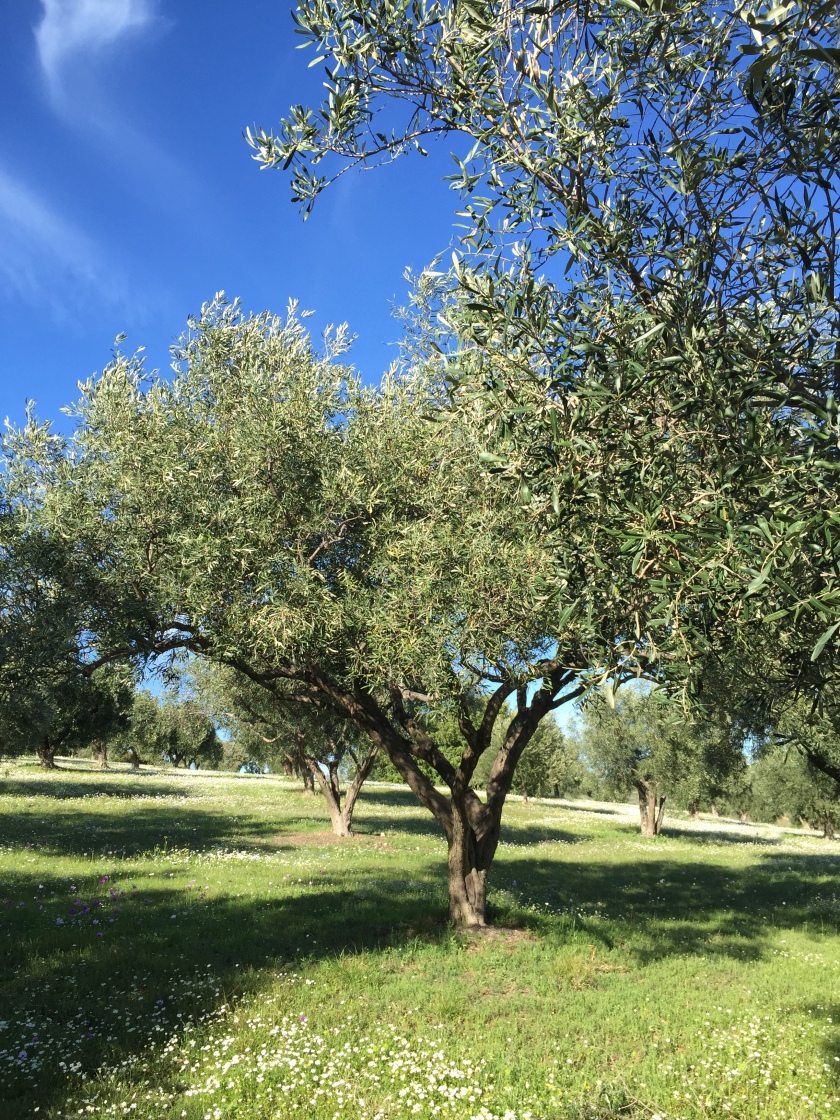
Summer comes to Greece quickly, and everything dries up. Wild flowers and weeds get overblown, and dried grasses have to be cleared because of fire risk. We live in fear of forest fires, which is a big downside of our lovely summers. Pine trees are especially at risk, because of the resin in their sap. They can spontaneously combust just from the heat of a forest fire, and the cones can fly as far as 500 meters, thus accelerating the spread of the fire.
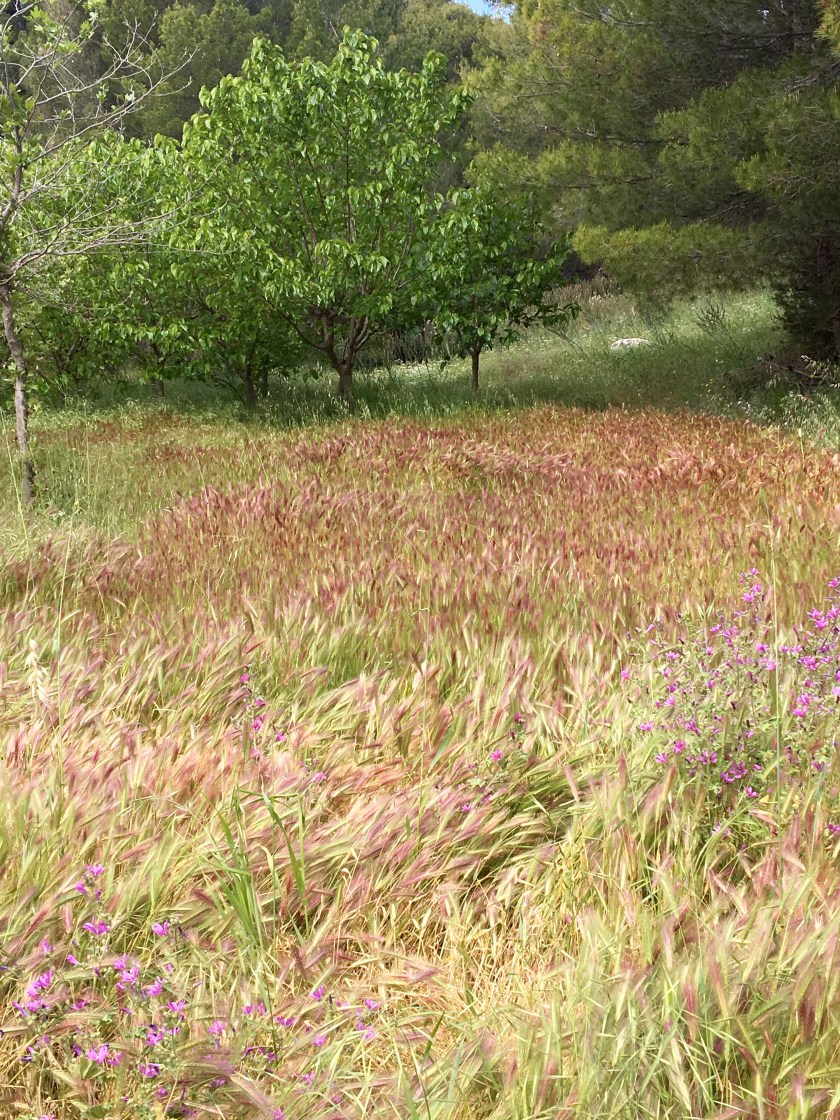
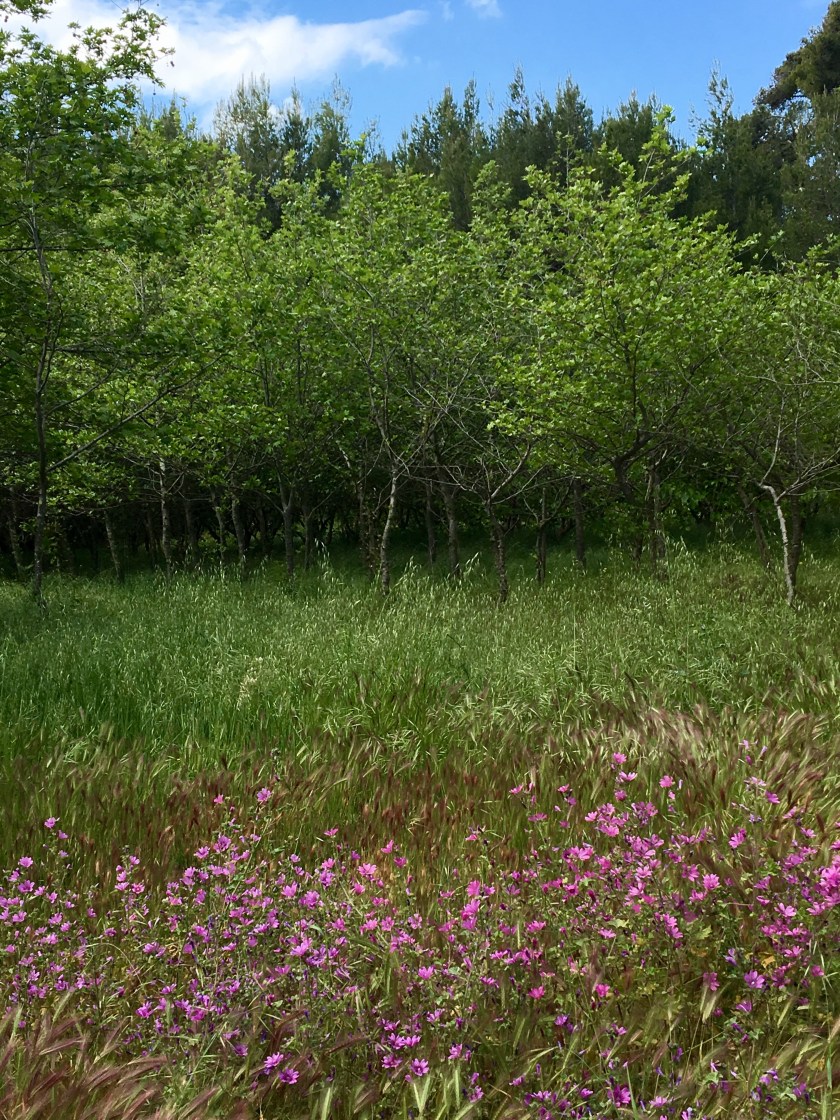
We have had a little welcome rain lately, which has kept things green, and so we can still enjoy wild flowers and the blossom on trees. Of course in the mountains spring will last a while longer, but around Athens summer has a habit of establishing itself quite early. People are already heading to the beach – in fact, we had our first swim in the sea on April 14. The water was freezing, but invigorating! Then it turned cold again for a few days.
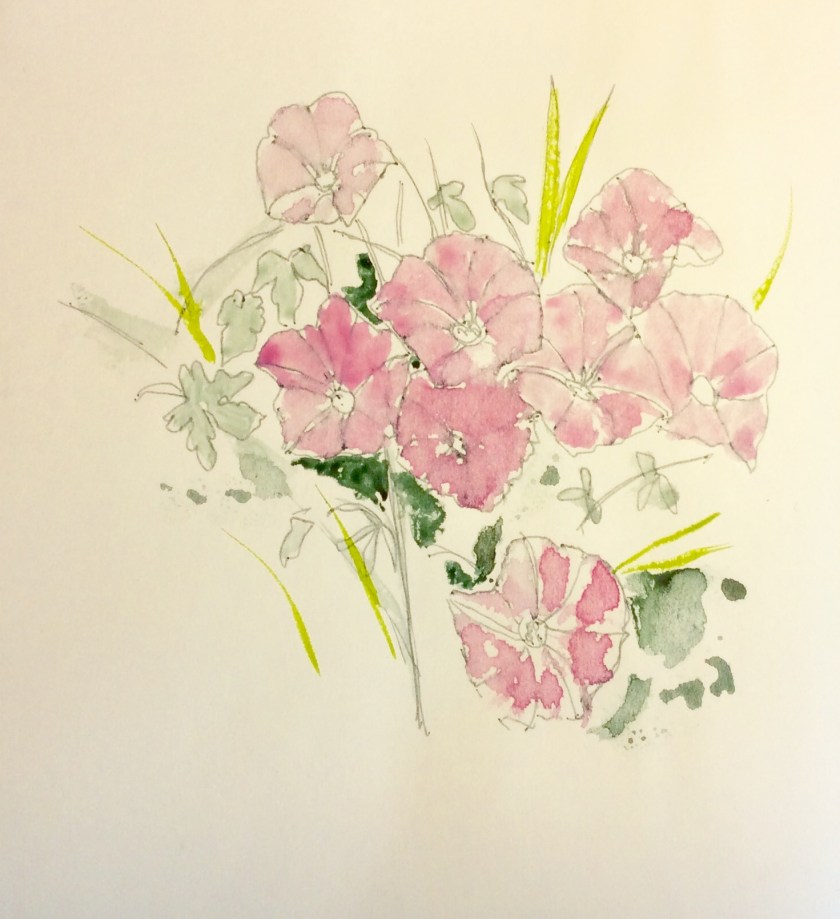
I don’t know what these flowers are called, but they were so pretty growing amongst the rocks, that I felt inspired to make a sketch in my journal.
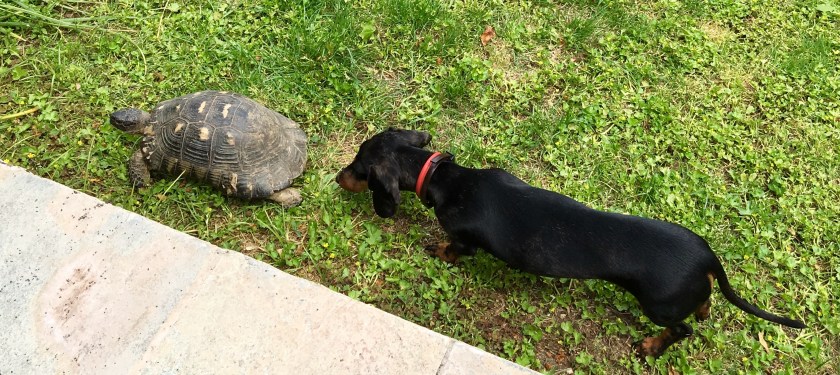
Tortoises are coming out of hibernation, to the great interest of some! This one came to visit. It’s amazing how much faster they move than what you’d expect. I went into the kitchen to get it some lettuce, and by the time I came out again, it was gone. In the countryside, sometimes they decide to cross the road, stopping all traffic.
In a surprising move, Adam Szymczyk, Documenta’s Artistic Director, transplanted half this year’s exhibition to Athens, where it is sprawled over 40 venues, showing 160-odd artists, with the working title ‘Learning from Athens’. Documenta is an exhibition of contemporary art which takes place every five years in Kassel, Germany. It was founded by artist, teacher and curator Arnold Bode in 1955, in an attempt to bring Germany up to speed with modern art.
Here in Athens, the heart of the exhibition resides in the large available spaces—the Athens School of Fine Arts, Benaki Museum Pireos Street Annexe, the former Athens Conservatoire, and the EMST Contemporary Art Museum which, due to government mismanagement, has only just opened after years of delays. But the rest of it is spread around the many small galleries about town.
The program also includes a radio station that broadcasts 28 commissioned sound pieces in multiple formats, art films screened on Greek television, a vibrant education program, and a jam-packed schedule of live performances.
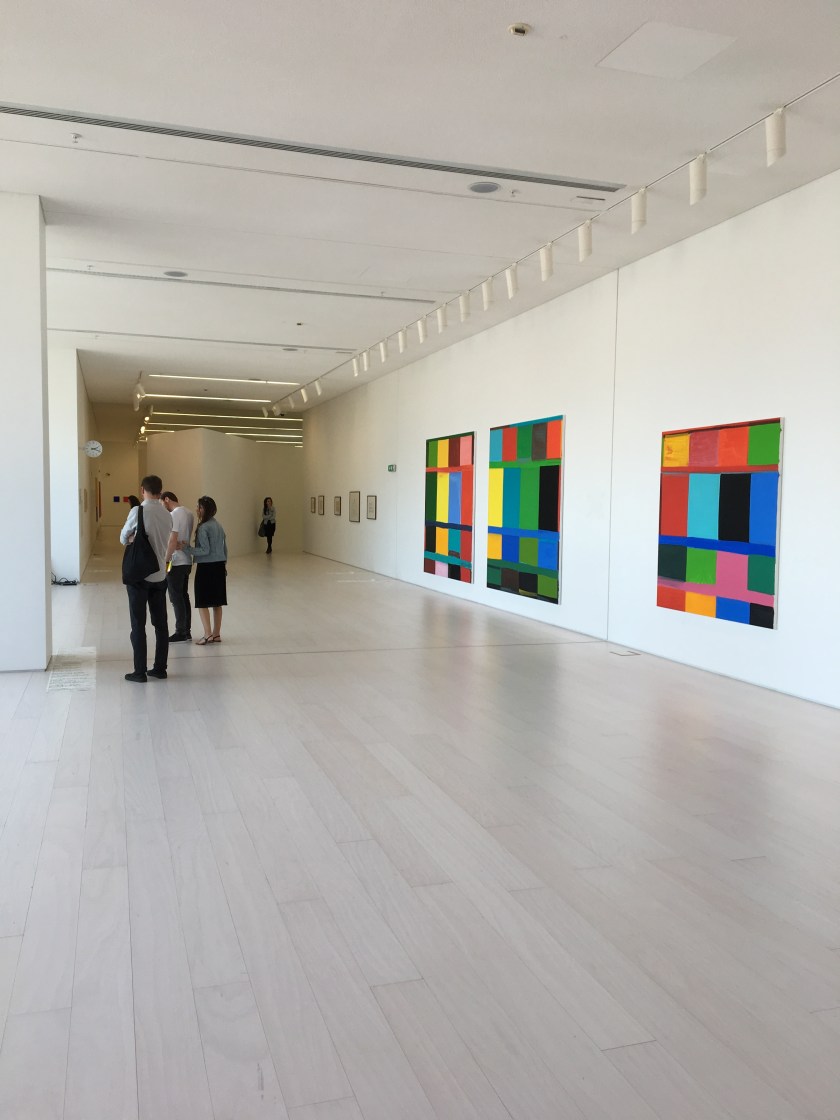
It was difficult to know what to tackle first, so we decided to start with the National Museum of Contemporary Art (EMST), which is a converted beer factory, and thus an interesting space in itself.
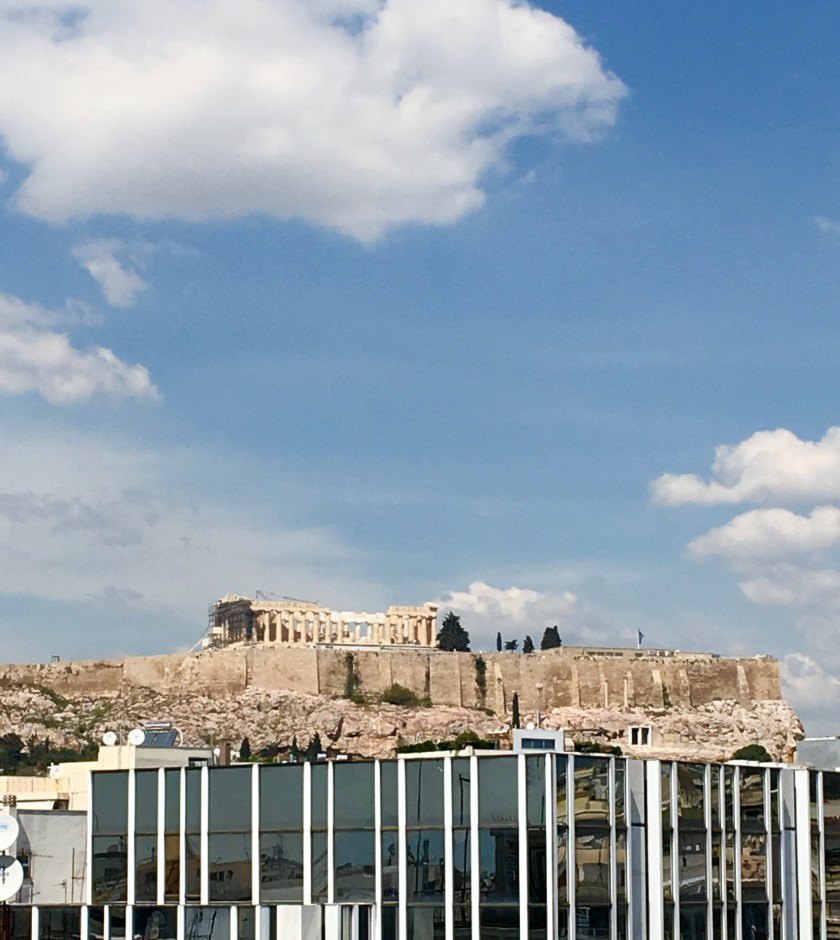
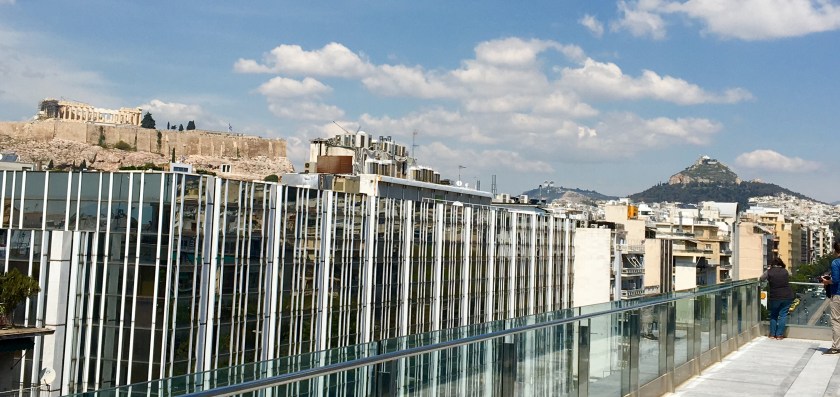
The building does not disappoint – it has been beautifully converted, provides an amazing background to showcase art, and has stunning views on the Acropolis, Mount Lycabettus, and the Philopappos hill.
The art itself, however, and although it did include some stunning pieces, left me somewhat underwhelmed. There were a number of very plain sketches which would have been better placed on Instagram, and installations which, while being creative and sometimes original, inevitably brought to mind the question: This is clever/imaginative/fun, but is it art?
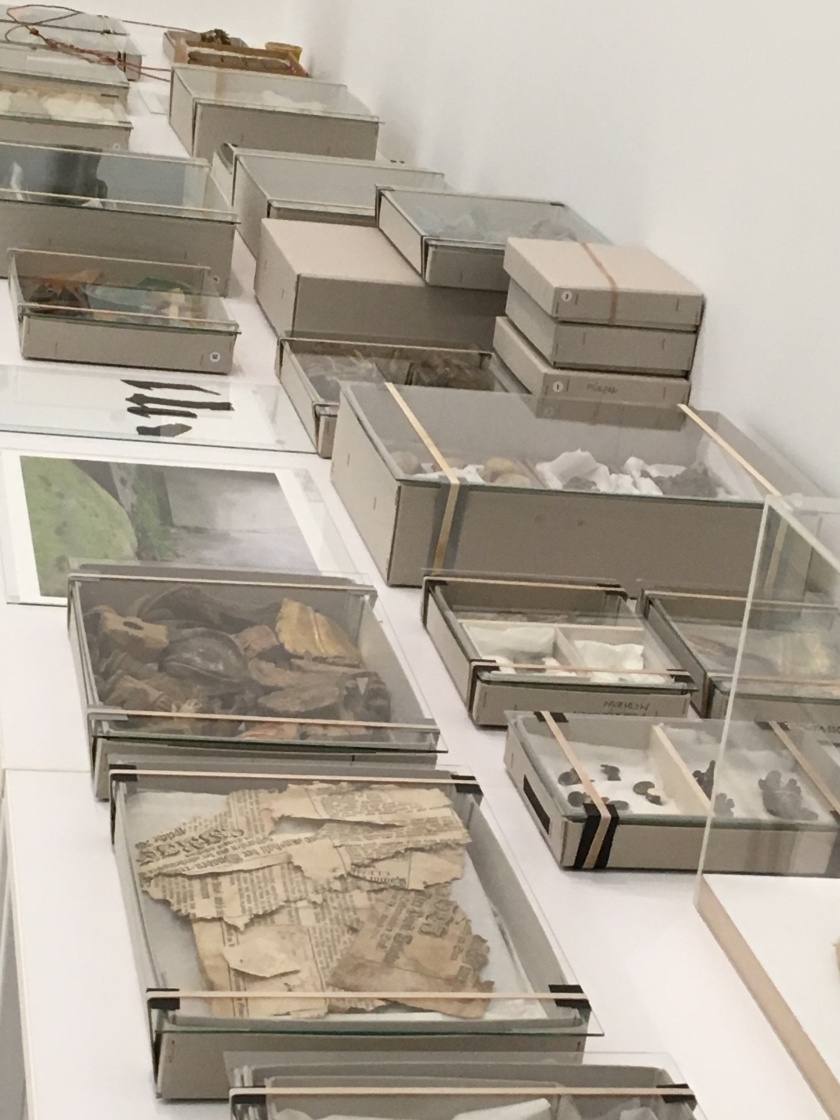
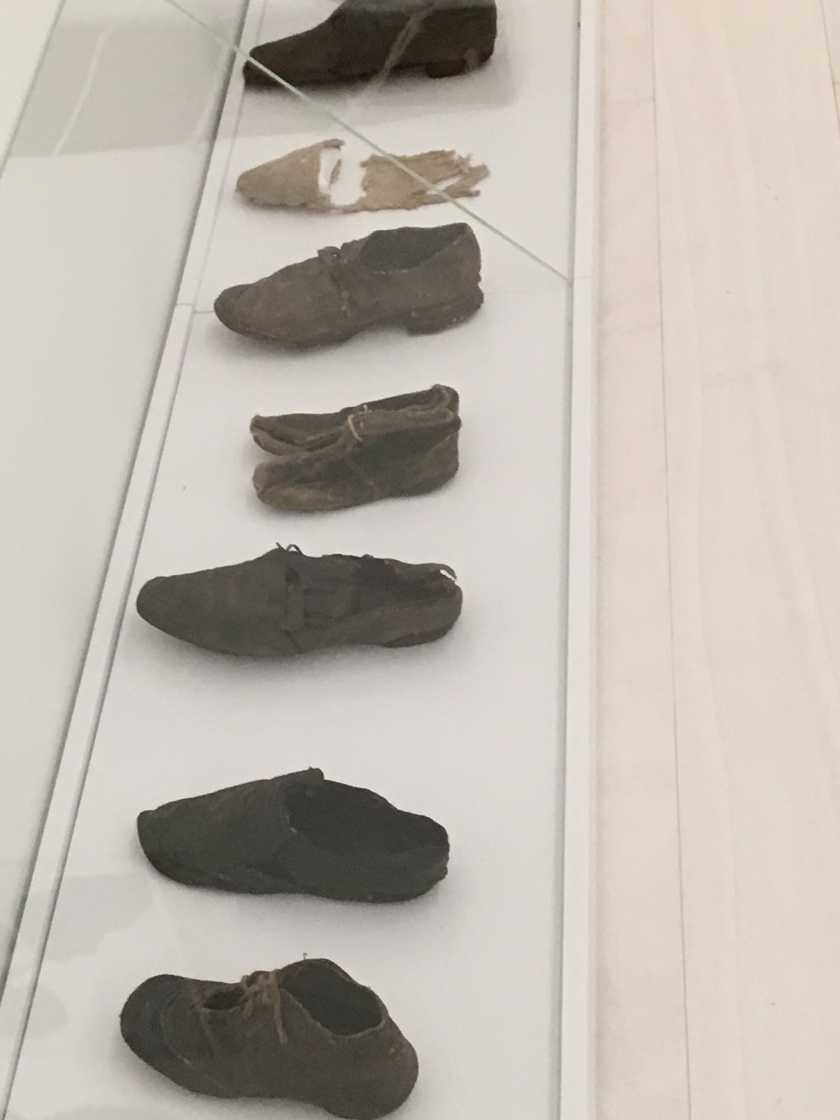
Austrian artist Lois Weinberger had packed old objects ‘excavated’ from under the Weinberger family’s old farmhouse floorboards – animal skulls, broken crockery, bits of torn paper, scraps of wood – into cardboard boxed with plexiglass tops. There was even a line of old shoes.
Strangely, the labels for the whole exhibition were located on the floor – they were just work titles on paper and handwritten artist’ names on small, rectangular blocks of marble that looked like paperweight (apparently a number have already disappeared – perhaps purloined as souvenirs).
Another installation comprised a few desks strewn haphazardly in an empty space, as if an office had been abandoned in a hurry. On them were objects described on a list: i.e. ‘a piece of A4 paper.’
Art is very subjective and encompasses a wide range of creativity, yet there are still some some things I don’t get – but perhaps there is nothing to get. Just sayin’. The most creative part here, it seems to me, has been getting people to believe this is worthy of a place in Documenta.
Moving on, among the video installations was one I found engrossing, from the collaboration of artists Nashashib and Skaer – a group of women and children in a house and courtyard, complete with dogs and chickens – which revisited Gaugin’s images of Tahitian women. Another, called ’15 hours’, by Chinese filmmaker WangBing, showed the repetitive work in a Chinese sweatshop – and there was an unbearable one, by Iranian director ForoughFerrokhzad. Called ‘The House is Black’, it documented life in a leper colony. I could only watch a tiny bit – in fact, I’ve noticed that visitors seldom have the patience to watch the whole of a video installation, which, in some instances, is probable a shame.
One aspect of the exhibition I liked was the variety of artists represented, from all over the world. Many from Eastern Europe, and some from unusual destinations – artists from as far away as Mongolia, or belonging to the Sami people from the Arctic regions of Norway. On the other hand, who wants to see a series of portraits of Hitler, even if they do have socio-political connotations? (paintings by McDermott & McGough from their series ‘Hitler and the Homosexuals’.)
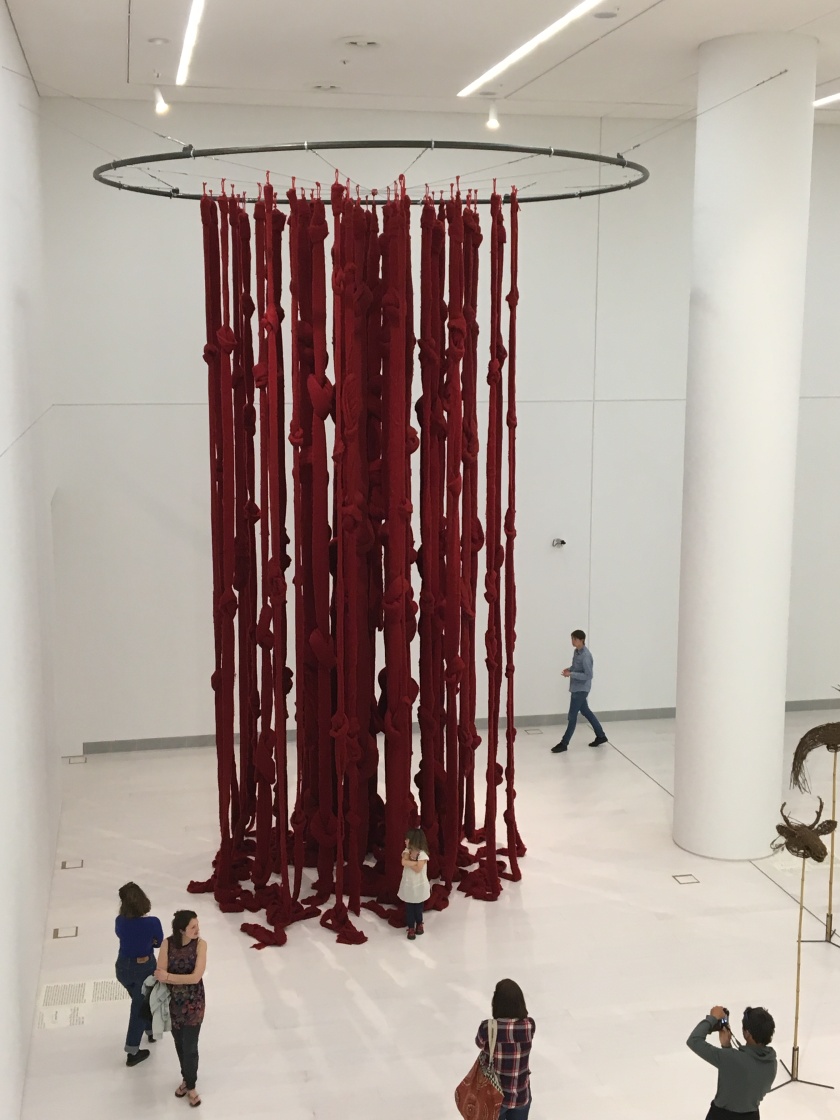
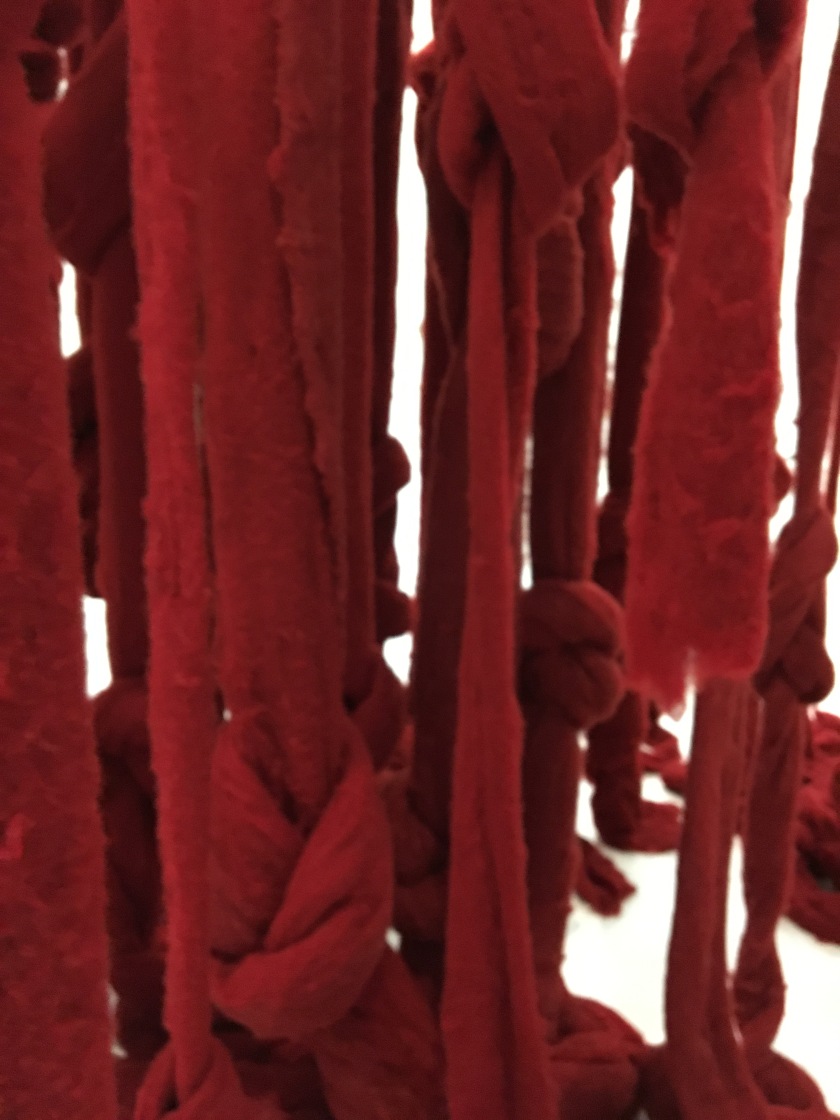
Cecilia Vicuña ‘Quipu Womb’ The Story Of The Red Thread, dyed wool
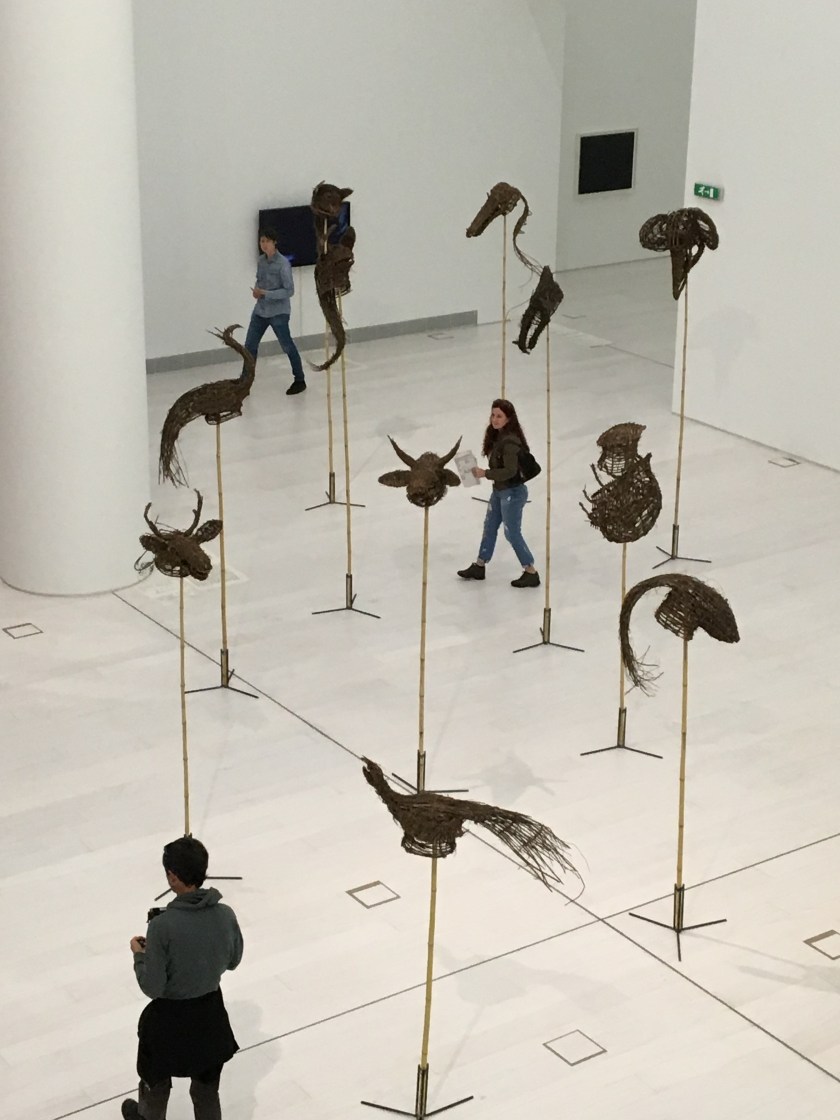
At the end of our tour, we came upon two impressive installations, especially since our first glimpse of them was from above.
A circle of masks made of woven vines by KhvaySamnang.
And I loved QuipuWomb (Story Of The Red Thread) by CeciliaVicuña. The ancient art of Quipu is a pre-Colombian form of writing involving intricate knotting patterns. Here, untreated wool was sourced from a local Greek provider and dyed red.
It is made of wool, and it’s hard to stop oneself from touching it or sneaking inside the strands
Art is rampant all over town, and one of the positive effects of Documenta is that it has attracted a lot of visitors from abroad. Documenta has been called a ‘culturalpeaceoffering‘ from Germany to Greece by some, a ‘Trojanhorse’ by others. It so vast and diverse that it is intimidating: one has to make up one’s own mind in the end. The dialogue continues.
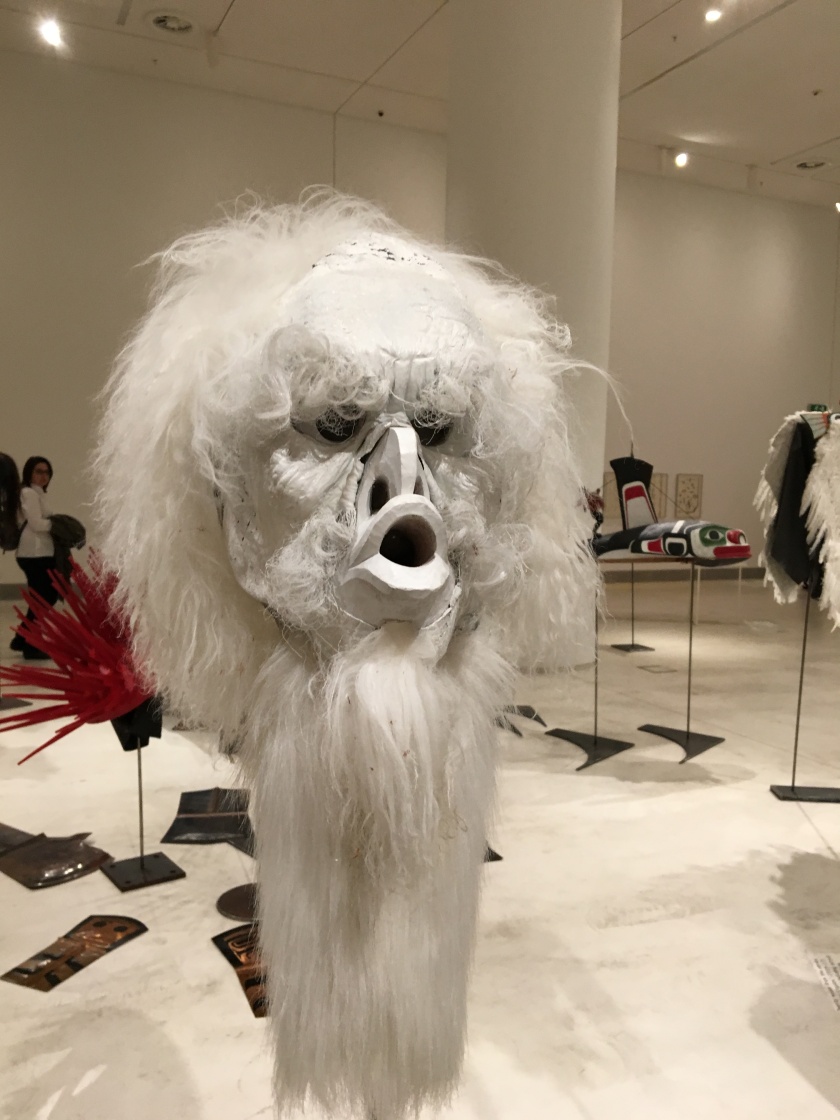
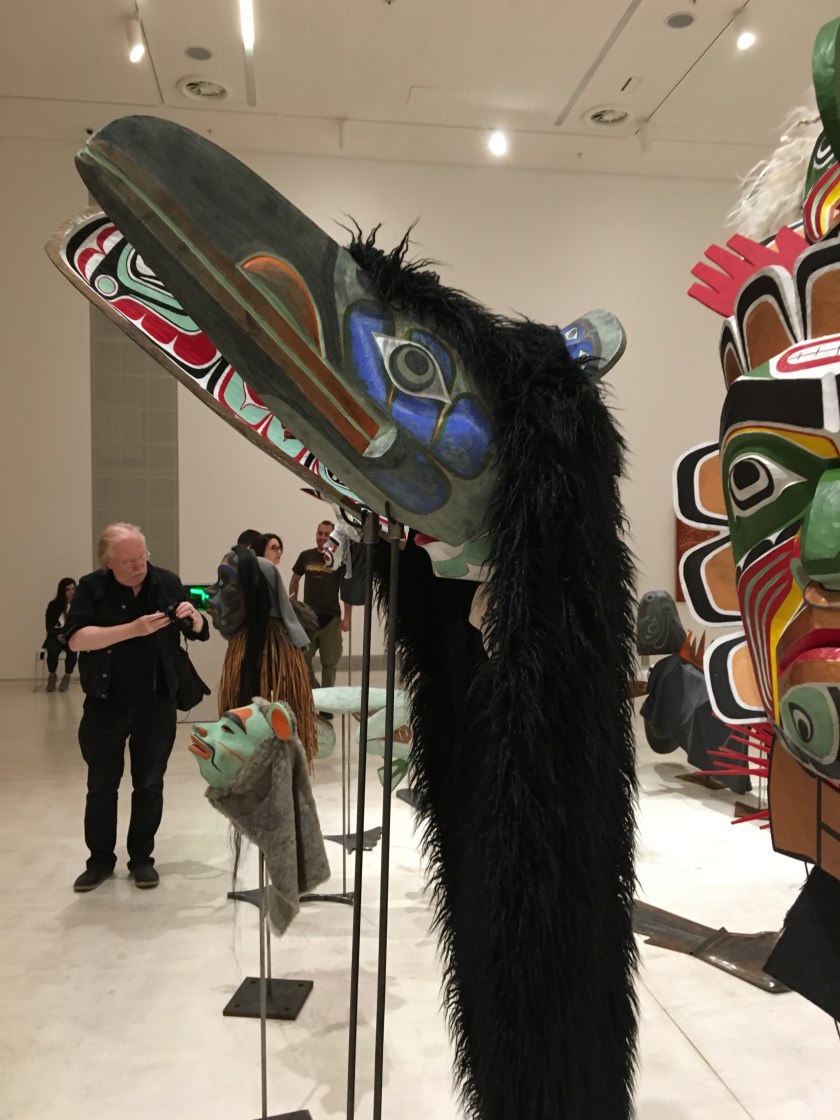
A set of twenty ‘tribal’ masks, by the late British Colombian artist Beau Dick
Documenta is on for 100 days, so I will certainly be seeing more of it. For anyone interested in more detail, however, or for those of you living in Greece, I recommend browsing Art Scene Athens, a blog I have often referred to before. There are several detailed posts on the subject, a lot more erudite and objective than my own biased view!
In 2008, residential property prices in Greece were through the roof, boosted by the success of the Olympics, and the denial syndrome that made people refuse to acknowledge the approaching crisis. Today, they are down by 42% (-45.3% in real terms). And everybody wants to sell – or rather, needs to sell.
People can’t afford to keep the summer villa on the islands, or the large house in the suburbs which they built with such pride and is now costing them an arm and a leg.
To revive the housing market, the Greek government recently offered residence to non-EU investors purchasing or renting property worth over €250,000. This is known as the “Golden Visa” program and has resulted in a spike in the demand for property by foreigners – especially houses – according to research published by “spitogatos.gr”, a website focusing on property investment in Greece. The rise in interest has been particularly evident in January and February 2017 by nationals from Arab states, China, Germany and Turkey.
This might come as a welcome respite for some Greeks; it might also be the perfect opportunity for foreigners to acquire the house of their dreams on a Greek island. And we do want foreigners to keep coming, dont get me wrong – tourism is very important to us. But there is a very dark downside to be considered.
The ancient theatre at Argos
At the same time, the Greek government has been implementing a selling-out of public assets in an unprecedented scale and in ways that are mostly suspect, if not downright illegal.
Ports, airports, huge pieces of public real estate including beaches, land and wetlands, dozens of properties abroad, dozens of listed and non-listed monuments, Olympic facilities, national roads, military installations, natural gas, the defense and oil industries, railways, post offices, and profit-making enterprises – all have been sold, or are for sale.
The European Union has a hand – and, of course, an interest – in this (and some countries more than others!) Reading articles about it makes my head ache – the politics and shenanigans involved are surreal. The complications and different opinions are impossible to unravel.
Loutsa beach near Athens
History repeats itself – we are a small country coveted by many, because of our climate, natural beauty and geographical position. We are preyed upon, while being in some way complicit in our own destruction.
In twenty years, will Greece still belong to the Greeks? Or will we be the servants of higher powers, in a country where others live in our houses and profit from our natural wealth? Thinking about it makes me scared, and sad.
In Greece, this is the last weekend of Carnival, and little kids are roaming the streets dressed in those ghastly plastic Superman costumes with fake abs. This year, trending among little girls is ‘Policewoman’, complete with holster and gun (I found this vaguely disconcerting), closely followed by ‘Pocahontas’ and ‘Skeleton’.
The end of Carnival heralds Clean Monday, a day of flying kites and feasting on delicious seafood and other delicacies to mark the beginning of Lent. For those of you who missed it, I wrote about this holiday last year, and you can read the post here.
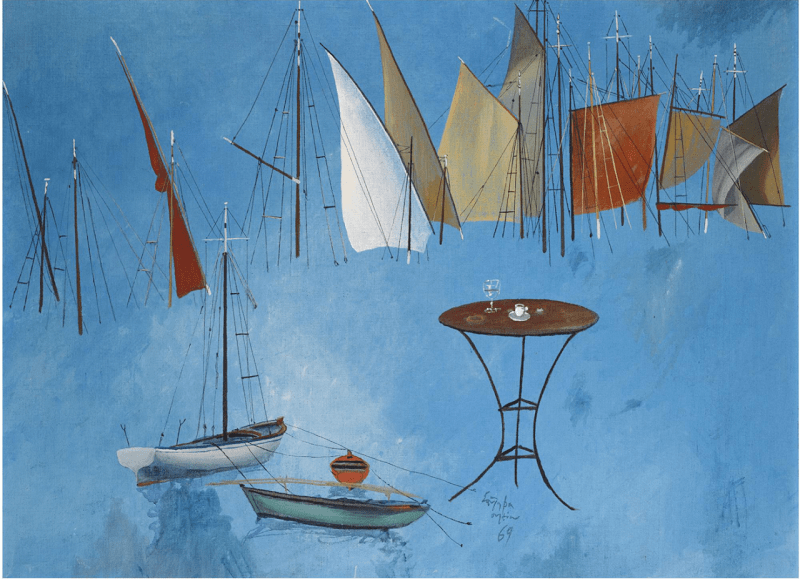
Since I’ve been on a roll regarding Greek artists, I realized that the iconic images about Clean Monday and other holidays are often by SpyrosVassiliou ( Σπύρος Βασιλείου; 1903-1985), a Greek painter, printmaker, illustrator, and stage designer.
Vassiliou painted the objects that define special moments: the May wreath, the little table by the sea with its glasses of ouzo and plate of olives. And landscapes with fishing boats, and little white chapels, and the blue of the sky and sea.
The townsmen of Galaxidi, where Vassiliou was born, collected money to send him to Athens in 1921, to study at the Athens School of Fine Arts under the famous painter Nikolaos Lytras.
Vassiliou started becoming recognized for his work in the 1930s, when he received the Benaki Prize from the Athens Academy. The recipient of a Guggenheim Prize for Greece (in 1960), his works have been exhibited in galleries throughout Europe, in the United States and in Canada.
Spyros Vassiliou became recognized as a painter of the transformation of the modern urban environment, depicting with an unwavering eye the sprawl of urban development that surrounded his home in Athens, under the walls of the Parthenon. He combined monochrome backgrounds with the unorthodox positioning of objects, and paid homage to the Byzantine icon by floating symbols of everyday Greek life on washes of gold or sea-blue color, very much like the religious symbols that float on gold in religious art.
For many years, Vassiliou taught theatre, and designed sets and costumes for the stage. He also worked in film. During the years of the German occupation of Greece (1941-1945), when painting supplies were scarce, Vassiliou turned to engraving and woodcuts.
I once visited Vassiliou in his studio, for a ‘lesson’; this was organized by a well-meaning friend of my parents who knew I loved to paint. Vassiliou was a tiny, rotund old man, and I was a hulking, awkward teenager who literally towered over him. He let me paint on one of his monochrome backgrounds – I had never painted in oils and produced an indifferent fish – but, although he was very amiable, I was too shy to pick his brains or even snoop around amongst his canvases and we did not establish a rapport. But he did ask me to visit a theatre where he was making the scenery for a play, and I have fond memories of both occasions. I still have that small canvas with a boring fish on it somewhere.
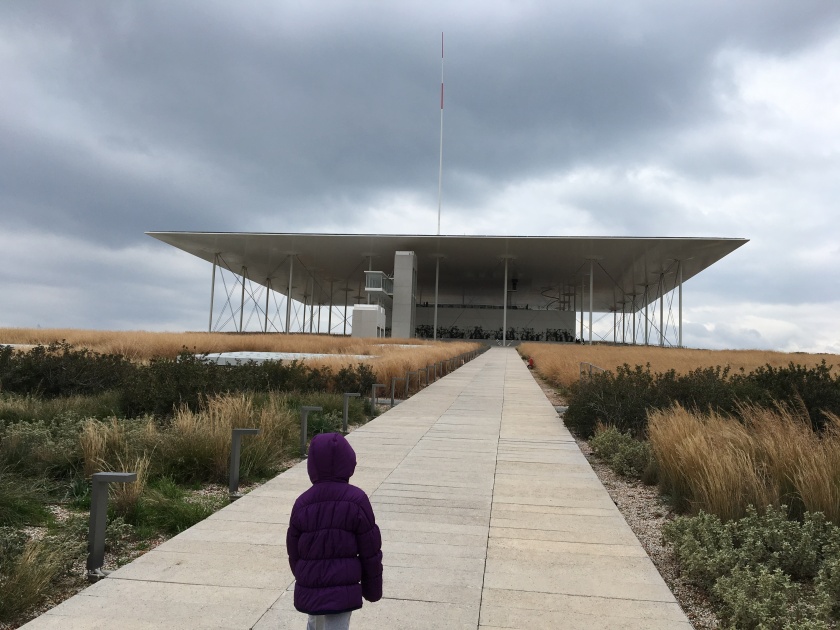
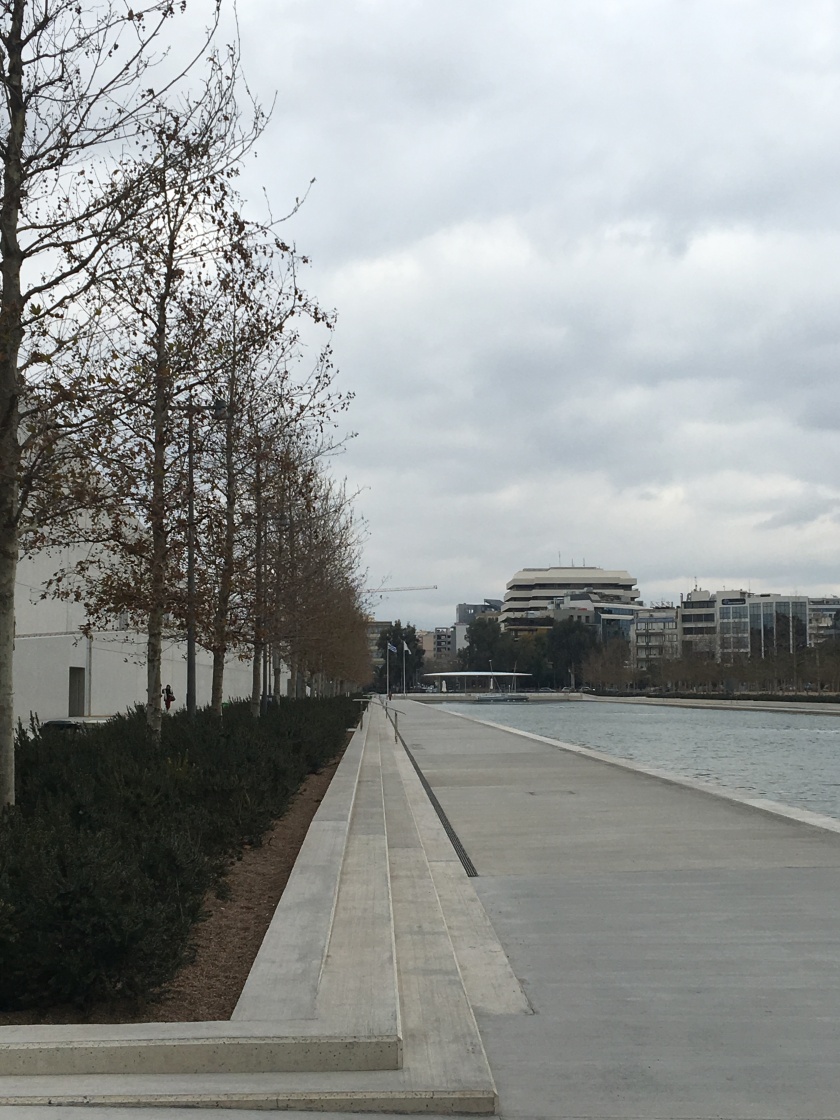
On a chilly, overcast morning we set out to visit the new jewel in the crown of Athens: the Stavros Niarchos Foundation Park and Cultural Centre. Athens, having grown exponentially and without proper planning in the last decades (a plan was made, but was ignored by successive governments for reasons I shall not go into here) is a city with the lowest per capita green space in Europe. The only relief is the easy access to the sea on all sides – otherwise it is drowning in urban concrete.
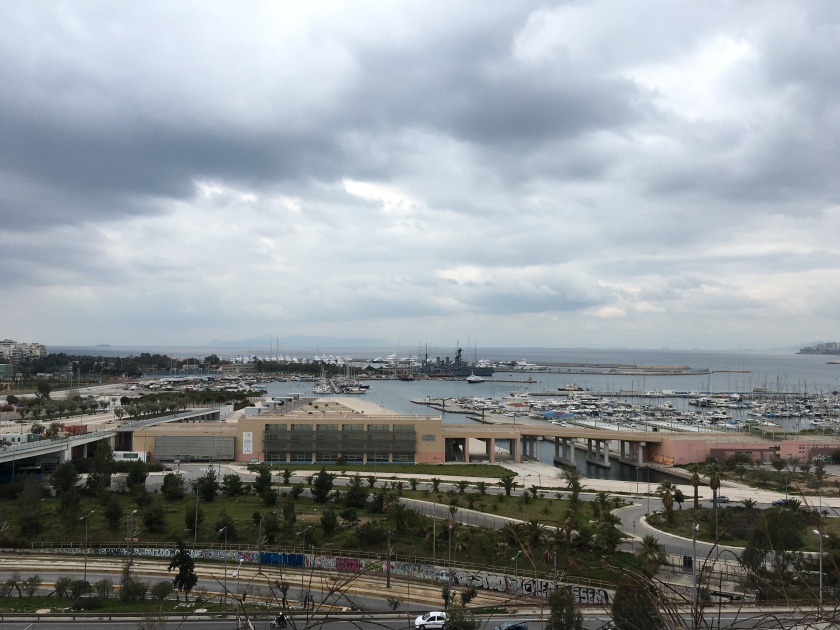
When the racecourse was moved from the bay of Phaliron to the town of Markopoulo on the occasion of the Athens Olympics, a large area was liberated. The Stavros Niarchos Foundation stepped in with a project, designed by the architectural firm Renzo Piano Building Workshop (RPBW), that includes the new facilities of the NationalLibraryofGreece, and of the GreekNationalOpera, as well as the StavrosNiarchosPark.
The Stavros Niarchos Foundation(www.SNF.org) is one of the world’s leading private international philanthropic organizations, making grants in the areas of arts and culture, education, health and sports, and social welfare.The SNF Cultural Center is the Foundation’s largest single gift, for a total budget of $867mil (€630mil). This huge investment is a testament and a commitment to the country’s future, and also hopes to be an engine of economic stimulus in the short and middle term.
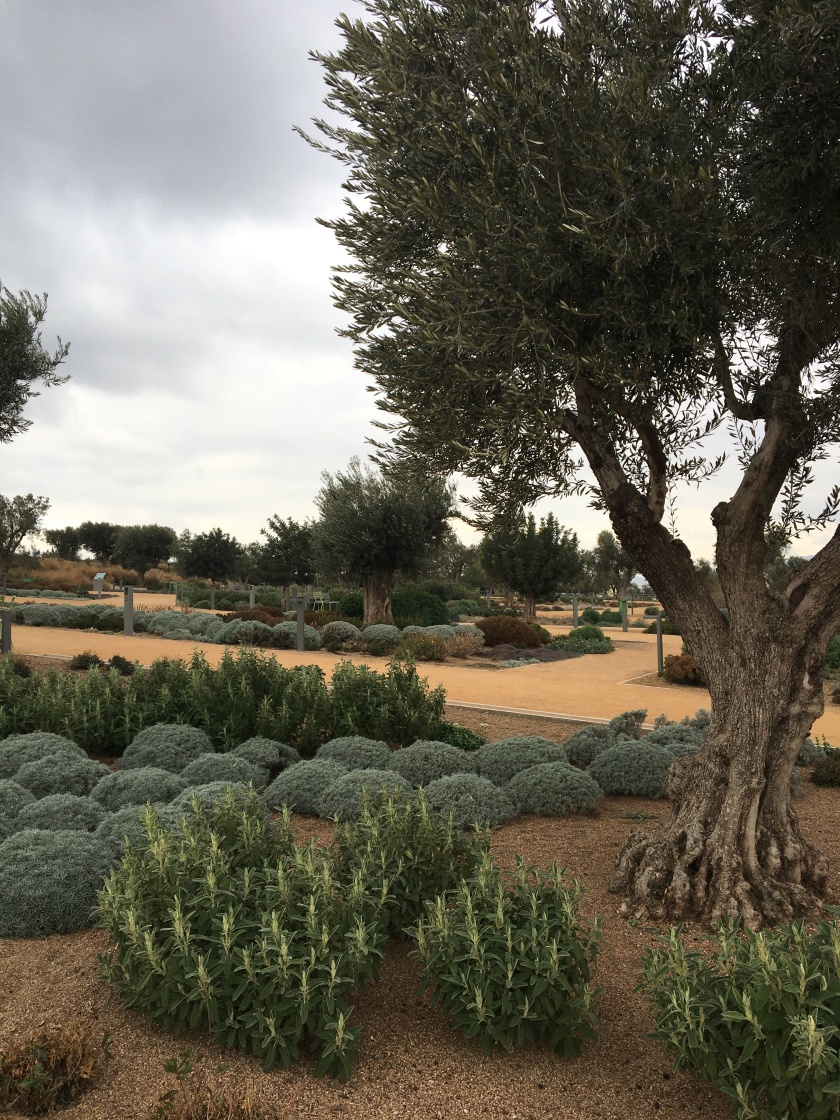
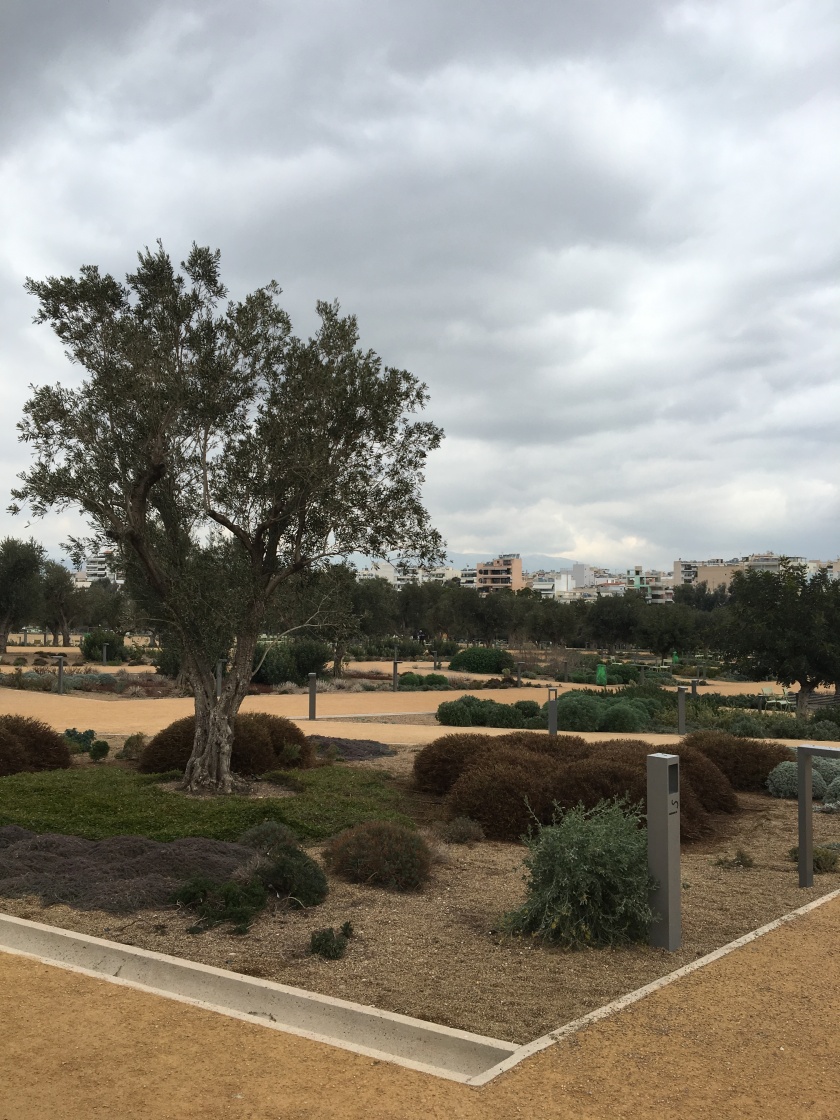
Although this is not the best season to visit gardens, it was immediately apparent that the whole park has been beautifully planted in a way that celebrates Greece’s horticultural tradition: the open, sunlit Mediterranean Garden.
Each month is meant to bring a new color, and each season to introduce a different combination of flowers or foliage. Each visit should be a sensual pleasure, with the proliferation of evergreen and other endemic plants such as boxwood, coronilla, cistus, and lentisc, salvia, oregano, thyme, lavender, rosemary, roses and euphorbias.
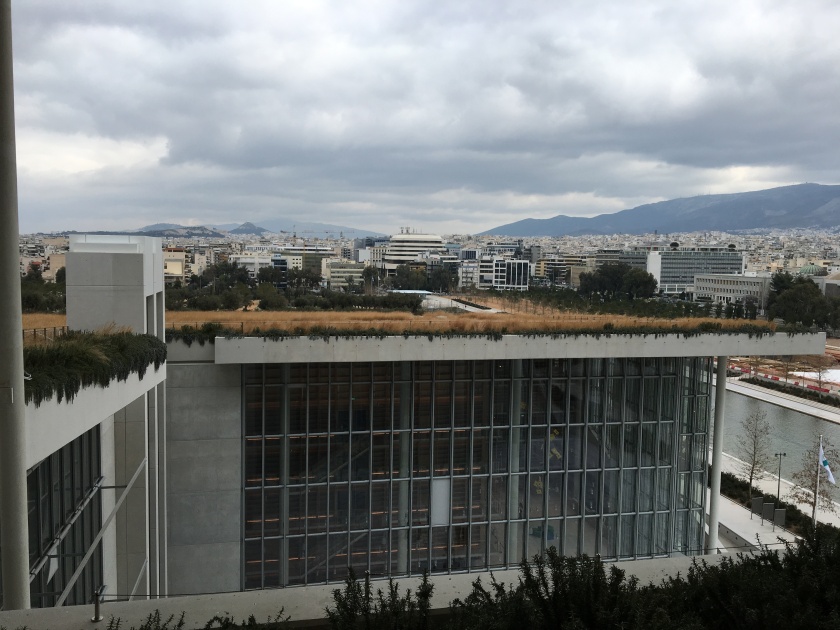
From the Mediterranean Garden, curving landscaped pathways wend their way up a gentle grade to the 32 m high summit of an artificial hill. Beneath the earth is the building that houses the Library and Opera House, making the hill the green roof for the structure. One of the largest in Europe, the green roof significantly reduces air-conditioning requirements.
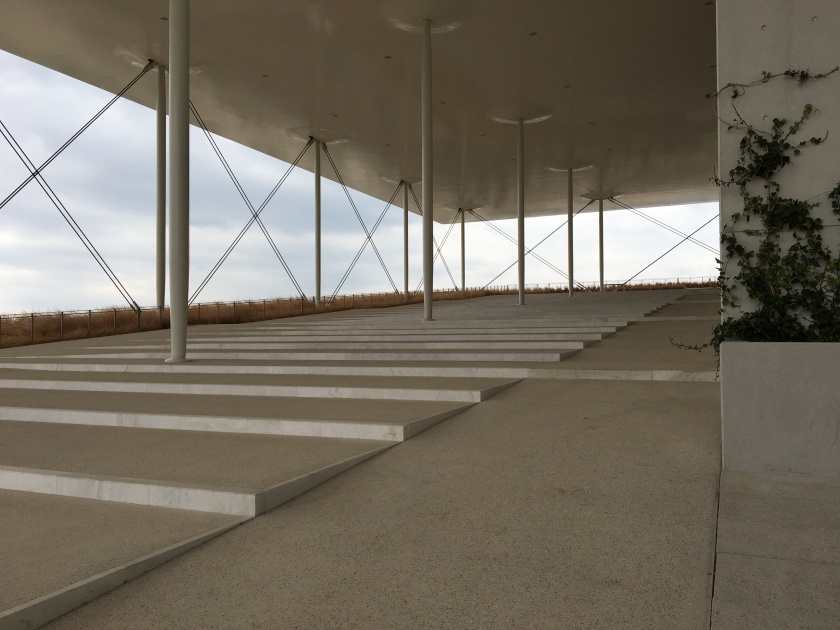
Architect RenzoPiano envisaged the SNFCC rising out of the ground like a dislodged piece of the earth’s crust. Soaring 14 m above the summit, a 100m x 100m photovoltaic canopy extends outward from its perimeter. A marvel of engineering and construction, supported by 40 sinewy metal pillars, it will meet the buildings’ energetic needs, as well as making a fascinating addition to the city skyline.
The summit offers spectacular 360-degree views of the sea to the west, the Acropolis to the east, and the cultural and educational park below. It certainly is breathtaking, although it did strike me how loud the traffic noise was, even up here!
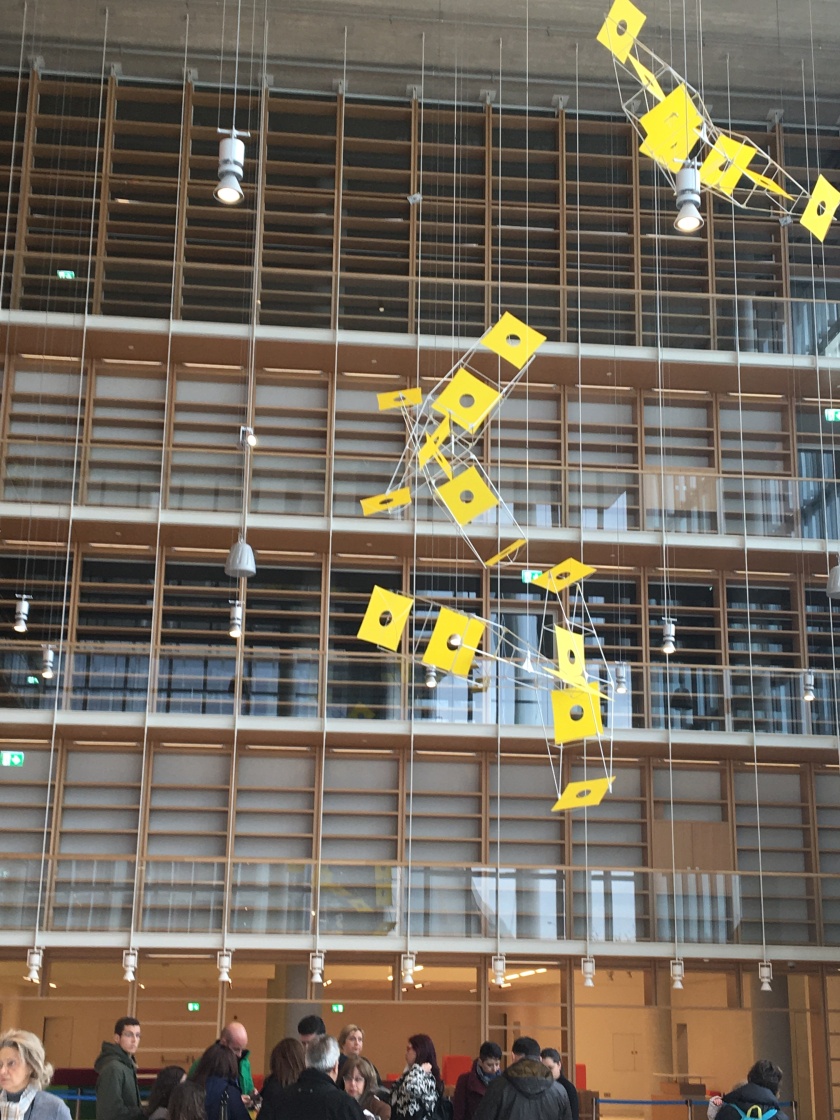
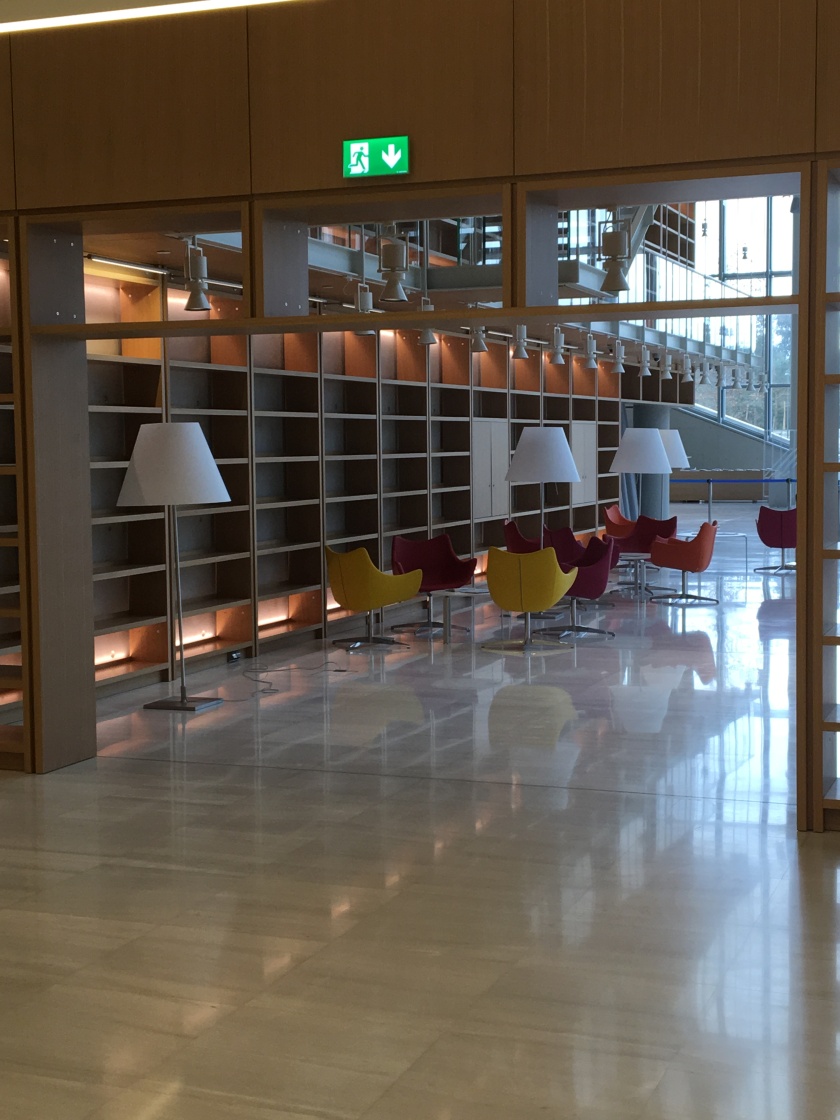
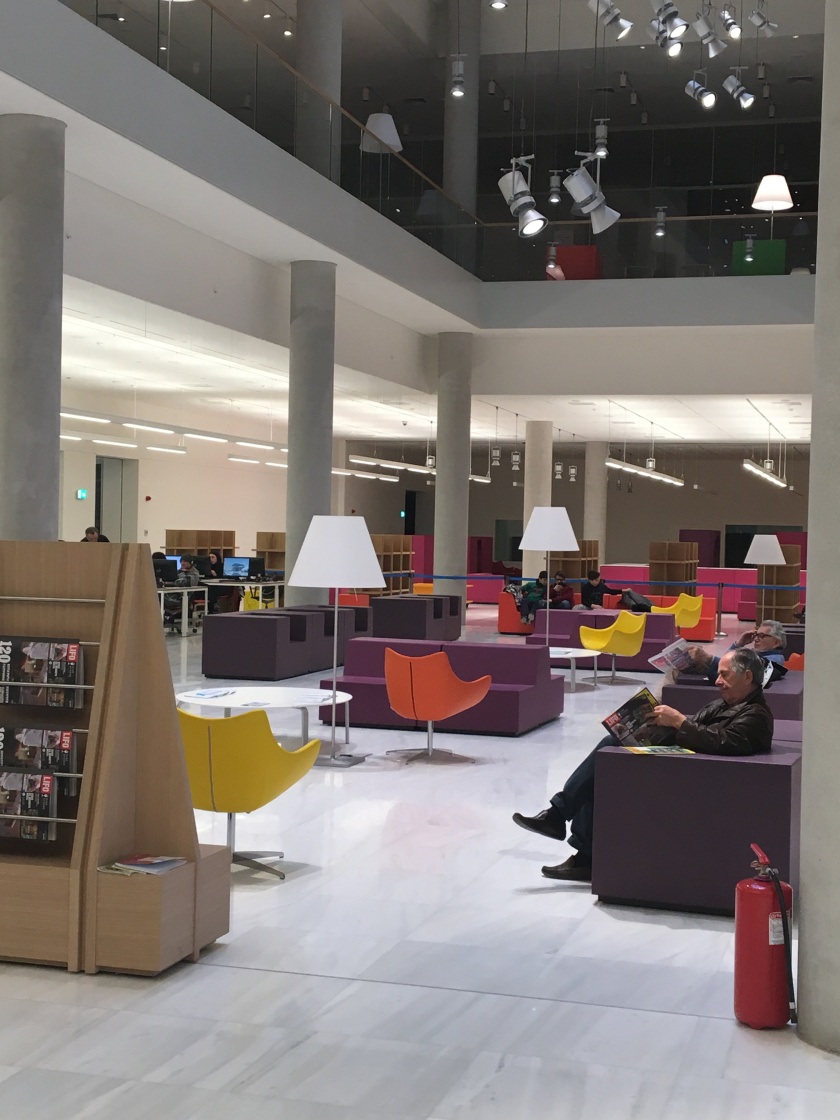
Berneath the green roof is the enormous Library, built on several levels around an open atrium.
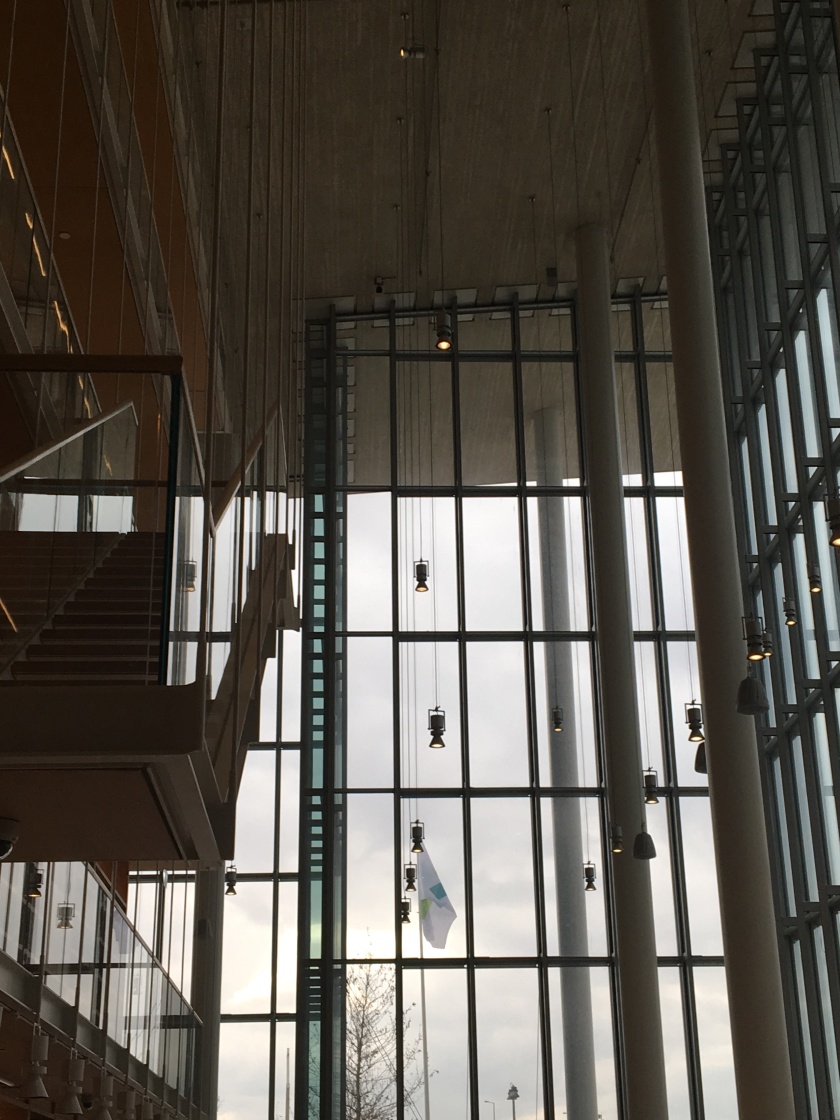
The shelves are still empty of books, but imagine when they are full! I loved the mobile suspended from the vertiginous ceiling.
Cosy reading corners abound, and there are stands stacked with daily papers and magazines in different languages.
Enormous windows flood the library with light.
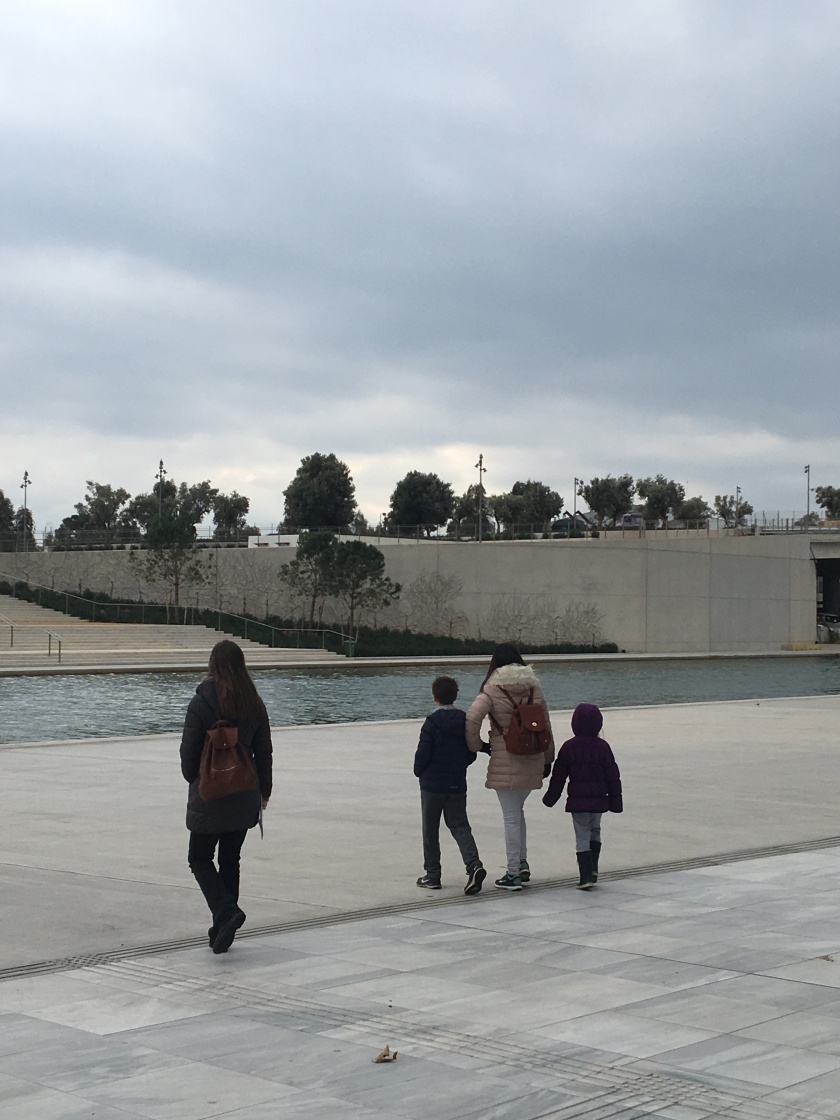
Walking out of the library, one comes out into the Agora, with its impressive water feature.
This is a huge space, where a multitude of events can be staged.
We did not visit the National Opera, because you can only go in if you join the guided tour, and they were fully booked. It is not totally operational, and has only staged a few experimental performances so far.
This is a huge undertaking and it is not entirely completed yet. One can only imagine how impressive it will be when it is functioning on all levels – mature gardens, well-stocked library shelves, a program of performances of all types. The only thing that worries me is that there is a plan for the complex to be donated to the Greek state in 2017 – in the present climate of disintegration, i wonder if it will be upkept and used to its full potential?
It remains to be seen. Meanwhile, for any of you planning a trip to Athens, be sure to add it to your list, together with the Acropolis Museum. Well worth a visit.
After a break of a few months – I was not feeling inspired – I am resuming the interviews, but in a more free-form manner. I might include people living abroad, and perhaps modify the questions a little.
What better way to start than with the irrepressible Andonis Radistis, a free spirit and lover of adventure, who describes his life with such enthusiasm. In his own words, then:
Tell us a “little” about yourself (Andonis put the quotes around ‘little’)
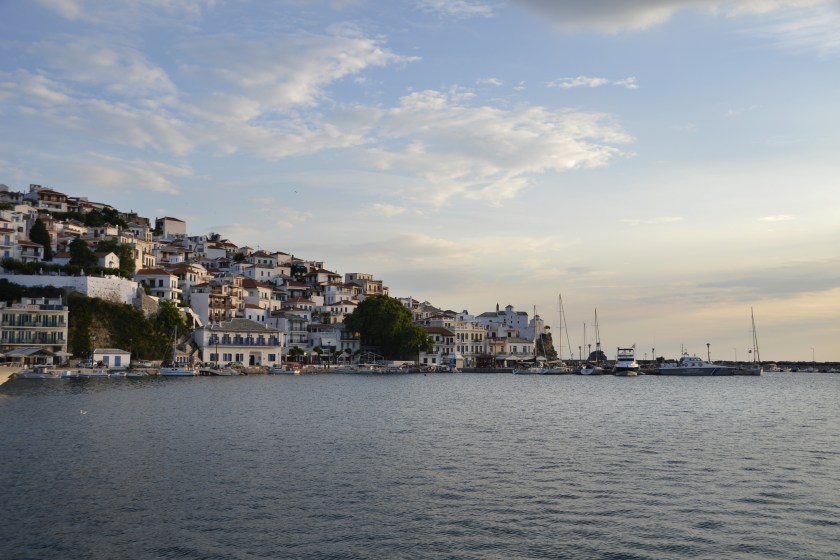
Born and raised on the Greek island of Skopelos was both a blessing and a ‘curse’ for me. A blessing because there is nothing more beautiful and pure than growing up in one of the prettiest islands that Greece and the world has to offer. Having a carefree childhood without the pitfalls a child and then a teenager could be faced with when growing up in a city. Adjusting to each season on an island; from summer, (full of visitors, sun and the sea), to autumn and the winter, (dead quiet), makes you a stronger person.
A curse because there is something about the salty air on a Greek island. The never ending horizons and the many tales of adventures on raging seas. All this made me want to seek new worlds, people and challenges from an early age. I made a promise to myself to begin my journey and start quenching my thirst for the world as soon as I finished school.
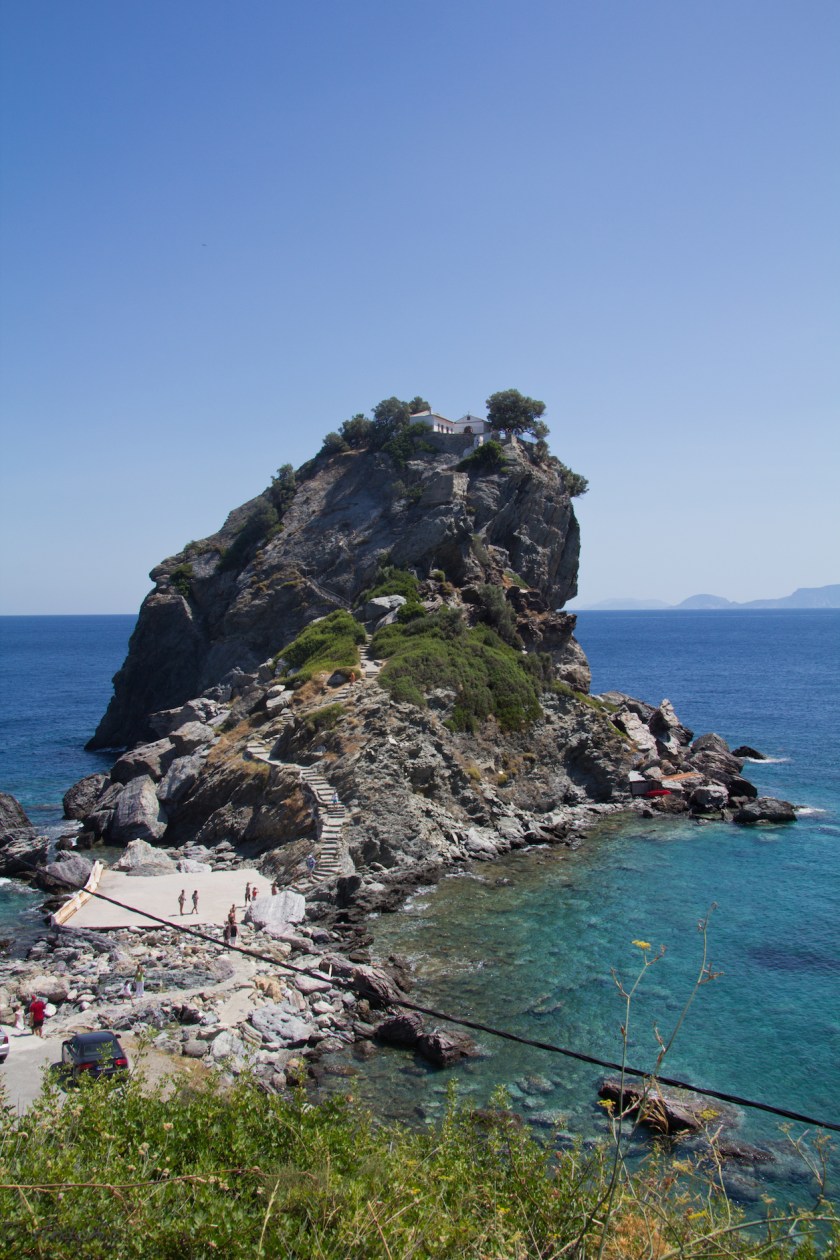
Andonis’s birthplace, Skopelos
My adventures began with a road trip to the UK and a person I hugely admired. Ended up staying there for 5 years, studying and working to make ends meet. The US was next and the beginning of yet another exciting chapter in my life. This was my year out for work experience, as part of my degree. What an eye opener that was. I remember feeling like I stepped on a different planet, when I walked out of Logan Airport in Boston. Upon completing that year, and heading back to the UK, I remember making yet another promise to myself. I needed to return back there and live the American dream for longer.
The universe conspires to assist you when you really want to achieve something. 2 years later, I was on another plane and heading back to the US. A two year contract and a working visa, sent me to the American south. On a tiny dot of an island in the middle the Gulf of Mexico this time. This was an equally mind-blowing experience, both in terms of work as well as personally. I met some amazing people down there and will have fond memories that will last throughout my lifetime.
It was brooding in my mind though. The idea of returning to Greece was getting overwhelming. During this time, I realised that no matter how good a time I was having I couldn’t be away from my beloved country. I even had a newborn nephew that I did not get to meet until he was 2 years old!
Once back in Greece, I enjoyed the rest of the summer before I headed straight into my Military Service, which got me into the Greek Navy for a year. A little older than most, I quite enjoyed the carefree year I had there. Try explaining US adventures to 18-19 yr olds: the great times I had in Key West and how it felt to be living in one of the most sought-after holiday resorts in the world. Clubbing, the night scenes of Miami and seeing the sun rise in a convertible while driving on the ‘7 Mile Bridge’. Needless to say, I was the ‘let’s have coffee and fascinate us with your experiences’ kind of guy. I really enjoyed that role for the year!
Straight after Navy duty, I headed to Athens to pursue my career in the Hotel Industry. Worked for a Multinational chain for about a year before I was asked to be one of the Executives in the Athens 2004 Olympic Games. Being part of the Torch Relay Team. I couldn’t say ‘no’ to this – it was my kind of challenge.
A few weeks later, I found myself organising exciting stuff for the Olympic Games. Locating and inspecting hotels all over Greece, in all the places the Olympic Flame had to stay the night. My team started the Games with the huge tour of the Torch Relay. We were on the road for almost 45 days. I will always remember the feeling of actually running with the flame myself and the goosebumps I got throughout the whole 500 meters I ran. The cheer from the crowds on the sides of the streets. The Opening Ceremony inside the Olympic Stadium, and how the flame was brought in and the ceremony started. Writing about it brings back those sacred moments I was privileged to have experienced.
The glory days passed much quicker than I thought. It was the 30th of September and the last day. Packing up the Athens 2004 Headquarters was an experience in itself. I felt a different person. All my colleagues felt the same. We had shared some amazing moments that would never be forgotten.
I didn’t let anyone discourage me those days with the stress of finding another job! I sent out a few CVs, attended a promising interview; 3 days later and by the end of the 1st week of October, I found working for a sweet boutique hotel in the north suburbs in Athens. I hadn’t even had time to fully rest.
Fast forward to about 1 year later and another new beginning! Yes I know, I hadn’t grown tired of changes and challenges yet, (and not for many years more). I wanted to create my own business on my beloved island of Skopelos and live my own dream. Once back, I made my plans as carefully as I could, and 2 years later, we were opening the family business. Skopelos Country Villas was a dream come true. Comprising two self-catering Country Villas with private pools, idyllic location and breathtaking views, it meant holidays in Skopelos would create beautiful memories for many harsh winters ahead. We first operated in the summer of 2007 and hopefully we will still operate for many more years to come.
During that time I also worked in another hotel locally, and almost 4 full years went by where I practically did not set foot outside the island. Subconsciously, I was already making plans for another adventure by that time. I felt that I had finished the hard part of building the family business and since that part was over, I was left without something adventurous to do.
But, as they say, be careful of what you wish for! Life has an interesting way of granting you your wishes sometimes. A few months later I was on a plane heading somewhere I had never really thought of going, let alone live there.
My plane landed in the Middle East, (Jeddah in Saudi Arabia to be exact). I was literally embarking on a luxurious motor yacht for an experience that changed my life, (in a ‘fall flat on your face’ kind of way). I had a posh title and was in charge of Hotel Operations & Provisions – everything looked promising. This place is ideal for those seeking to redefine their life values. Mine were re-evaluated in many ways and made me appreciate life even more. My experience there lasted for almost 2 years. Travelling with a multitude of personalities on board to cosmopolitan and high end places in the Med, was something to remember. Going back at the end of each travelling season to the harsh reality of the Middle East was certainly overwhelming to say the least.
Working aboard floating palaces, the endurance and self perseverance that one has to discover and unleash somehow, are vital. The fact that the work was at sea, where totally different elements of survival play a key role in everyday life, was another matter.
Then, after another stint in Athens and one more in the U.K., I ended up in Skopelos once again – back to safe grounds and familiar waters.
What were the major difficulties you’ve faced in the last five years?
As most people who live in this beautiful country, I’ve been hugely disappointed with its gigantic bureaucracy that has no end. The incredibly heavy taxation that was imposed overnight on small businesses and individuals which continues to increase without any viable strategy. The decimating of entrepreneurship and how unsupportive the government is of young people who want to start a business of any kind. Seeing my parents’ pensions cut down drastically without any logic whatsoever. Feeling massively frustrated every time I try to use any public service to do anything bureaucratic.
Did anyone in particular inspire you or help you?
I was extremely lucky to have met some pretty amazing people from quite an early stage in my life. These people I met either came into my life for a reason, a lifetime or both. They are the people I call my ‘stepping stones’.
Apart from my family (my parents and my three sisters), who needless to say supported and helped me every step of the way, these people came into my life and ‘pushed’ me forward in ways I hadn’t at the time thought of. They inspired me to think outside the box. They encourage me to take the next step forward. A few have passed on to the next realm, and are carrying on the inspiration, (like Sara and Terry), others I’m lucky to still have around, (like Eileen). They have shaped my past and will continue to shape my future, (like Madge and Toula).
All of these amazing people laid down ‘stepping stones’ along my path and helped me either in my career, my personal life and sometimes both. Has anyone else noticed they are all female? 🙂
What are your hopes/plans for the future?
I would really love to see my new venture, The Travelling Cookie, take off, so I can stand back some years from now and be proud that I helped travellers visit our beautiful country. I am also hoping that I can offer some great trips to Greeks, to visit other, favourite parts of the globe, (like the US).
In addition, I would like our family business, (Skopelos Country Villas), to continue being successful and have guests exploring this small paradise!
I would also like to stand back and say how I have now conquered the world and travelled to roads less travelled around the globe! I guess part of the reason for starting The Travelling Cookie was so that I could also help myself as well as others travel more.
Additionally, I have a new project in the works, SITEnDESIGN , to express my love for web design. An avid supporter and contributor of the WordPress Content Management System I started learning and experimenting with this ultimate web design and development tool in order to rebuilt the family business website. I never looked back since, and have built a number of websites, both for personal use, (my website), as well as for business use.
Why leave this?
Have you considered leaving? If so, where would you like to go, and why?
Leaving? My God, do I need to leave again? No thank you! I think I did my fair bit of leaving during the past 20 years of my life 🙂 After all this, I can safely say that no matter where I’ve been or may one day go again, (perhaps), I could never be far from Greece, the sweetest of all countries, (for me anyway), for more than half a year.
Despite all the difficulties, frustrations, disappointments, uncertainties! Despite everything that is going on or may still happen to us in the future, no one can steal this beautiful, eternal light. The light that makes us shine from within and gives us strength to continue.
Are you actively doing anything to help with the situation? Is there something you would like to do?
I would like to think that I am promoting Greece through The Travelling Cookie, my newly opened, Online Travel Agency. In collaboration with 3 big Travel Companies in the UK, (The Travel Network Group, Independent Travel Experts and Travel Trust Association), I am actively promoting Greece as The Destination, especially for UK and USA travellers looking for summer holidays.
Although The Travelling Cookie is still in its infancy stage, I have hopes that it will grow and be able to eventually stand tall and promote Greece in a wider market segment. Focusing on Personalised Services, (having such a huge hotel background will definitely help on this), I strive to provide excellent customer service throughout the trip planning process.
How do you see Greece in 5, 10 years?
I don’t think that there are many people that have this kind of foresight for Greece. Being an optimist of course, I would like to think that a huge change will take place in the political stage. I would love to see capable leaders take over. Leaders that will primarily care for Greece and its people – not just for banks and the imposing of new austerity measures.
Leaders that will be able to stand tall and defend the country, not surrender it to money-lending sharks who ruthlessly keep asking for more and more!
How do you cope withobstaclesandfrustrationsinyoureverydaylife ?
To survive in Greece nowadays you have to be resourceful, (although resourcefulness is a great trait to have anyway). I tend not too get too discouraged by bureaucratic obstacles that much, and when I do let frustration take over, I just leave my ideas aside and try again in a couple of months/years.
I also try to find ways around whatever it is I’m after – see if a similar, plan B can work for me. Then, there is a great saying too: ’Things happen or not, for a reason’’…so if I’m faced with too many frustrations/obstacles, maybe my plan is not meant to be. At least not for the time being!
So, if you’re thinking of a Greek vacation, or if you want to explore Europe, the US or anywhere else, Andonis has the resources to make it happen for you!
I know I keep harping on about the refugee crisis – most of you must be heartily sick of me by now. But it is something that I don’t feel the world as a whole can ignore – and not only in reference to the humanitarian aspect, but because it is a problem that, give the present situation, we will all have to face in the future, one way or another. And I don’t believe building fences everywhere is a solution.
4.1 miles is a short documentary made by Daphne Matziaraki, a Greek filmmaker who lives and works in the San Francisco Bay Area. ‘4.1 miles’ refers to the distance between Turkey and the island of Lesvos, where she followed a coast guard captain for three weeks as he pulled family after family, child after child, from the ocean and saved their lives. All the events in this film were shot on a single day, October 28, 2015. Two additional rescues happened that same day but were not included.
She says: ‘The Greek Coast Guard, especially when I was there, has been completely unprepared to deal with the constant flow of rescues necessary to save refugees from drowning as they attempt to cross to Europe from Turkey. When I was there filming, Lesbos had about 40 local coast guard officers, who before the refugee crisis generally spent their time conducting routine border patrols. Most didn’t have CPR training. Their vessels didn’t have thermal cameras or any equipment necessary for tremendous emergencies.
Suddenly, the crew was charged with keeping the small bit of water they patrolled from becoming a mass grave. Each day, thousands of refugees crossed the water on tiny, dangerous inflatable rafts. Most of the passengers, sometimes including whoever was operating the boat, had never seen the sea. Often a motor would stall and passengers would be stranded for hours, floating tenuously on a cold, volatile sea. Or the bottom of a dinghy would simply tear away and all the passengers would be cast into the water. The coast guard felt completely abandoned, they told me, as if the world had left them to handle a huge humanitarian crisis — or allow thousands to drown offshore.’ (Excerpt taken from a NYT article, sept 28, 2016.)
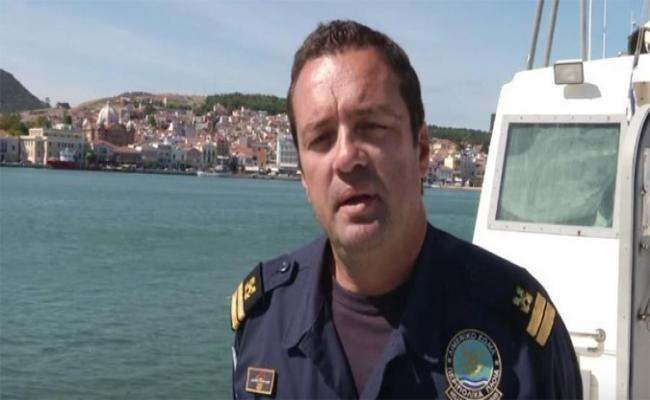
The coast guard captain in question is KyriakosPapadopoulos (photoabove), a naval officer who, after working on freight ships for a few years, decided to come back and settle on his beloved island of Lesvos, where he dreamed of a quiet life. Little was he to imagine what was in store for him and his crew, on the by now legendary coast guard launch “602”.
The first sea rescue in Lesvos took place in September 2001, when they picked up ten Afghans off the coast. This became the talk of the island. The war in Syria changed all that. In 2014 around 50-100 people washed up on the island daily; and, by the beginning of 2015, this number had risen to thousands every day. More than half of the one million refugees who arrived in Greece that year came to Lesvos, and most of those were picked up by Kyriakos’s boat.
Usually, rescues take place in bad weather conditions. Kyriakossays: ‘We come upon boats that are half sunk – we know we need to act fast, people can drown before our eyes. We need to pull around 60 people into our boat in less than five minutes. It’s a huge responsibility.’ Psychologically, this is tough, and has taken a toll on him and his crew. Kyriakos has two daughters, aged 15 and 7,5. At sea, he sees their faces in the faces of the children who lift up their arms to be saved. ‘You can never get used to this. However, none of us has entertained the thought of giving up. Saving people gives us the strength to continue. Especially the smiles of the children, when they see us.’ (Translated from an article in Kathimerini, January 28, 2017).
Kyriakos has been given an award for his work by the Academy of Athens, and the documentary has been nominated for an Academy Award. What pleases him most, though, is the fact that through the screening of the documentary, his friends and family have seen for themselves what he and his crew are going through. Because they find it impossible to talk about this to anyone; they only discuss it amongst themselves, on the advice of psychiatrists – to exorcise the images they’ve had to witness. He also hopes the world will see the film, and offer some help.
I watched the film, and I warn you it is harrowing. An incongruous thought kept going through my mind: at least there are no killer sharks in Greek waters.
Today we have a guest post written by a good friend of mine, Mark Stephenson. It is a review of his favorite novels with a Greek background. In fact, his love of the country has inspired him to set a large part of his own debut novel, a thriller called TheLastMessenger, on the island of Crete. It is to be published later this year, so stay tuned. Meanwhile, you could visit his blog here.
Read on:
My favourite novels setinGreece
It’s over forty years since my first visit to Greece. The collapse of the military junta had only just occurred and tourism was nowhere near as sophisticated as it is now. Package tours were available to the larger islands of Corfu, Rhodes, Crete and Kos but if you wanted to find the real Greece your best bet was to fly into Athens and head down to Piraeus and hope for the best with a ferry. Island hopping in those days required plenty of time as ferry timetables, unlike now, were erratic. We didn’t have much time so took an old Russian-made hydrofoil to the Saronic islands of Poros, Hydra and Spetse which were just a short journey from the Athens port. I was desperate to go because I’d just read The Magus. My list is a personal one, in no particular order of preference. Please let us know if you recommend any other novels with a Greek setting which are not included here.
THE MAGUS by John Fowles
The Magus is set on the fictional island of Phraxos which the author admits is based on the island of Spetse. It is a book that is beguiling in many ways and is regarded as a classic (published in 1966). I read it in my twenties and it made a great impression on me. It is not for everyone, especially if you don’t like a story which often escapes from reality and can be misogynistic in tone. There are twists and turns and improbable story lines. It is a mystical journey on the human condition and the meaning of love. Perfect if you want to be submerged in the romance and spiritual presence of the Greek landscape.
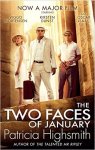
THE TWO FACES OF JANUARY by Patricia Highsmith
If you enjoyed the Ripley novels, you will enjoy this one which has a perfect command of its setting in Athens and Crete. This is a crime novel involving a war of wills between two American men in Greece who are both running away from something. Chester is a conman and Rydal, a young drifter, hanging around Athens seducing the tourists, is looking for adventure. Chester reminds Rydal of his father who he doesn’t get on with. Colette, Chester’s wife, is caught up in a menage a trois between the two men who become increasingly entwined when Chester’s life of deception catches up with him.
CAPTAINCORELLI’SMANDOLIN by Louis De Bernieres
If you’ve seen the film starring Nicholas Gage and Penelope Cruz, you may have decided not to read the novel because you know the story. My advice is don’t be put off if you love reading because the emotions of the characters and the historical background of the story are so much better described in the novel. Set in Kefalonia, the early part of the novel is full of humour and the joys of life. The onset of the Second World War does not seem to affect this idyll even when the Italians occupy the island as Captain Corelli and his men prefer to play music and make love not war. The contrast at the end of the novel when the Germans arrive on the island is shocking and deeply moving.
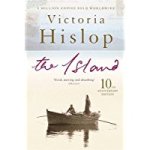
THE ISLAND by Victoria Hislop
Another fictional story built around historical fact. This time the story is set in Spinalonga, a leper colony off the coast of Crete. I’ve visited the island which is no longer occupied and I can understand why Victoria Hislop was inspired to write the story. You can still see the buildings where the lepers lived and gain a sense of their community even though they were afflicted by this terrible disease. This book is not a classic piece of writing but is an easy beach read which addresses a serious subject about how leprosy affected the lives of ordinary people.
ZORBA THE GREEK by Nikos Kazantzakis
This is a must read if you want to understand the spirit behind all that Greek dancing you’ve done on your holiday. Zorba’s personality encapsulates a love for the joys of life and to hell with the consequences. He is contrasted with the narrator who is Kazantzakis lacking the confidence to live dangerously. They have many adventures together and you are left with a feeling that living for the moment is not such a bad idea. If you like Kazantzakis then also read Report to Greco which is an autobiographical account of his travels through Greece.
OFFICERS AND GENTLEMEN by Evelyn Waugh
This book is the second in the so-called Sword of Honour trilogy. I’ve chosen this novel for its brilliant writing and humour. It finds its way into this list because it describes the evacuation of troops from Crete after the German invasion. Although about a third of the novel is set in Greece, the story’s main theme is about the chaos of war.
THE SONG OF ACHILLES by Madeline Miller
This retells the story of The Iliad in a sexy and exciting way. The love story between Achilles and Helen is one of the legends that we all know but few of us admit to reading Homer’s poem from beginning to end. This book makes the story much more accessible. When you visit Greece and see one of its many ancient monuments, it’s books like this that turn those pile of stones you are staring at into something much more evocative.
OTHER CRIME FICTION SET IN GREECE
There are several authors writing crime series set in Greece. Paul Johnston has Alexander Mavros who is a private investigator based in Athens. I’ve read The SilverStain which tells the story of murder on the set of a movie being shot in Crete. Murder inMykonos is the first book in the series by Jeffrey Siger. His protagonist is Andreas Kaldis, a former Athens detective. The story opens when a female tourist is discovered on a pile of bones under the floor of a remote mountain church. This starts a hunt for a ritualistic killer. My favourite writer in this genre is Anne Zouroudi who writes stories involving her detective Hermes Dicktoros. What makes these books stand out for me is the way Anne writes about the landscape that is Greece. She has only just published the eighth in the series which I haven’t read so I’ll confine my comments to quoting some of the blurb on Amazon. “The Gifts of Poseidon is a hymn to Greece, to its beauty, its people and its food. Against this delectable back-drop, it is above all a compelling and dramatic story of the extraordinary sacrifices ordinary people will make to protect the ones they love. Anne Zouroudi writes beautifully – her books have all the sparkle and light of the island landscapes in which she sets them… Lovely, delicious prose and plot – as tasty as one of those irresistible honey-soaked Greek confections. Diaktoros is a delight.” (Alexander McCall Smith).
NOTE: I’ve read most of the books above, and will read the rest in the near future. Still, I’d like to add some more options to the list.
Eleni, by Nicholas Gage, is the gripping and often harrowing story of a mother determined to protect her children from the ravages of the Greek civil War at all costs and ultimately her own life. A true story (about Gage’s mother) and a must for any fan of Greek history.
The books of Mary Renault about Ancient Greece. Here is what Hilary Mantel has to say about them: “Mary Renault is a shining light to both historical novelists and their readers. She does not pretend the past is like the present, or that the people of ancient Greece were just like us. She shows us their strangeness; discerning, sure-footed, challenging our values, piquing our curiosity, she leads us through an alien landscape that moves and delights us.” I read them all as a teenager and this has made me want to re-read.
The Petros Markaris mysteries, which feature Inspector Costas Haritos and could be compared to the novels of Donna Leon, only set in Athens instead of Venice. They give a comprehensive image of modern Greece.
I apologize for not putting in links to all the book but, frankly, I could not be bothered as it takes forever. They can all be found on Amazon.
Yesterday’s post was getting a bit long, so today I will do a follow-up on the new Acropolis Museum. The video below offers a virtual tour, where you can get a fair idea of the treasures on offer: the glass floor at the entrance through which you can see the ruins of the ancient city beneath your feet; the airy space allowing you to walk all around the statues; the Caryatids in all their glory; and the beautiful top floor mirroring the Parthenon where the marbles are exhibited.
The museum has a café and restaurant with a stunning view on the Acropolis. The food uses products and recipes from all over Greece and is served by smiling and kid-friendly staff. Go on their site for more information here. (Plan a trip to Athens! Totally worth it.)
For those interested in the campaign for reunification of the marbles, below is another short video, where you can also meet Professor Padermalis.














 THE MAGUS by John Fowles
 THE TWO FACES OF JANUARY by Patricia Highsmith
 CAPTAIN CORELLI’S MANDOLIN by Louis De Bernieres
 THE ISLAND by Victoria Hislop
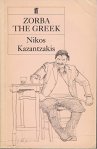 ZORBA THE GREEK by Nikos Kazantzakis
 OFFICERS AND GENTLEMEN by Evelyn Waugh
 THE SONG OF ACHILLES by Madeline Miller
 My favourite writer in this genre is Anne Zouroudi who writes stories involving her detective Hermes Dicktoros. What makes these books stand out for me is the way Anne writes about the landscape that is Greece. She has only just published the eighth in the series which I haven’t read so I’ll confine my comments to quoting some of the blurb on Amazon. “The Gifts of Poseidon is a hymn to Greece, to its beauty, its people and its food. Against this delectable back-drop, it is above all a compelling and dramatic story of the extraordinary sacrifices ordinary people will make to protect the ones they love. Anne Zouroudi writes beautifully – her books have all the sparkle and light of the island landscapes in which she sets them… Lovely, delicious prose and plot – as tasty as one of those irresistible honey-soaked Greek confections. Diaktoros is a delight.” (Alexander McCall Smith).
 Letters from Athens