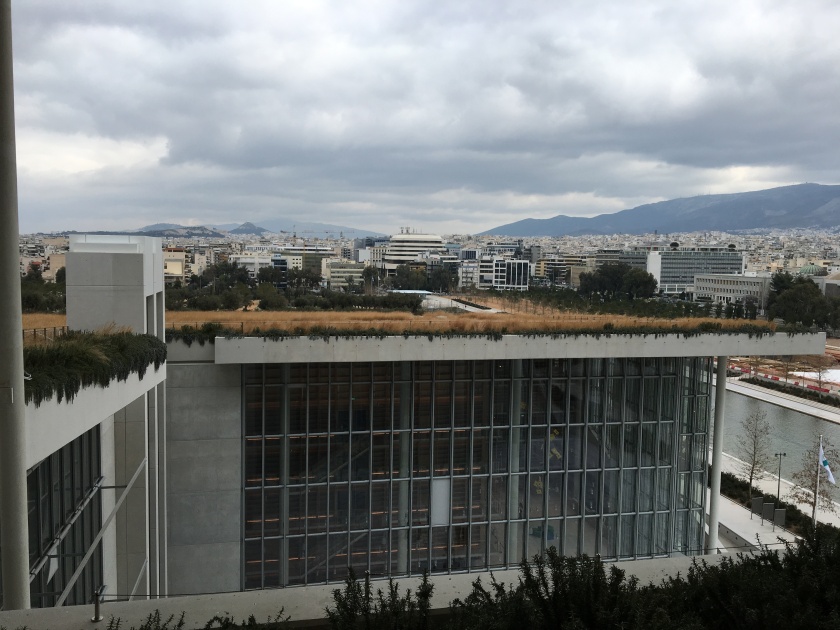
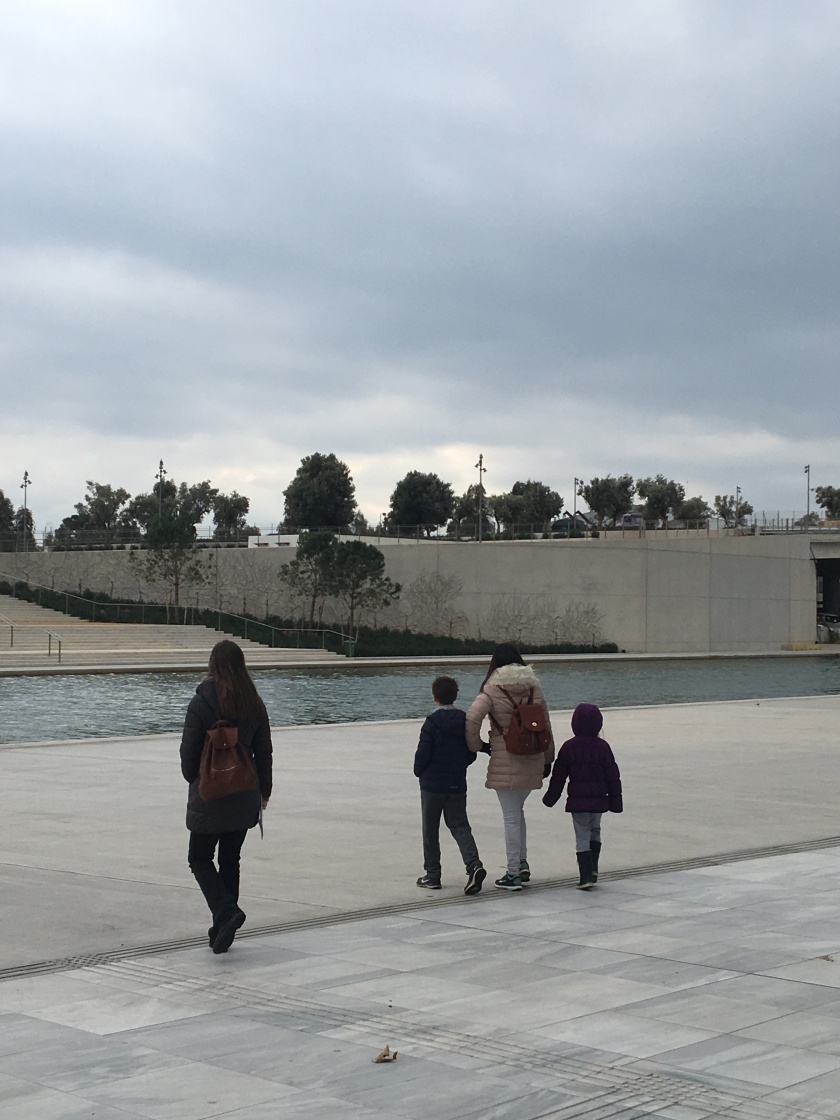
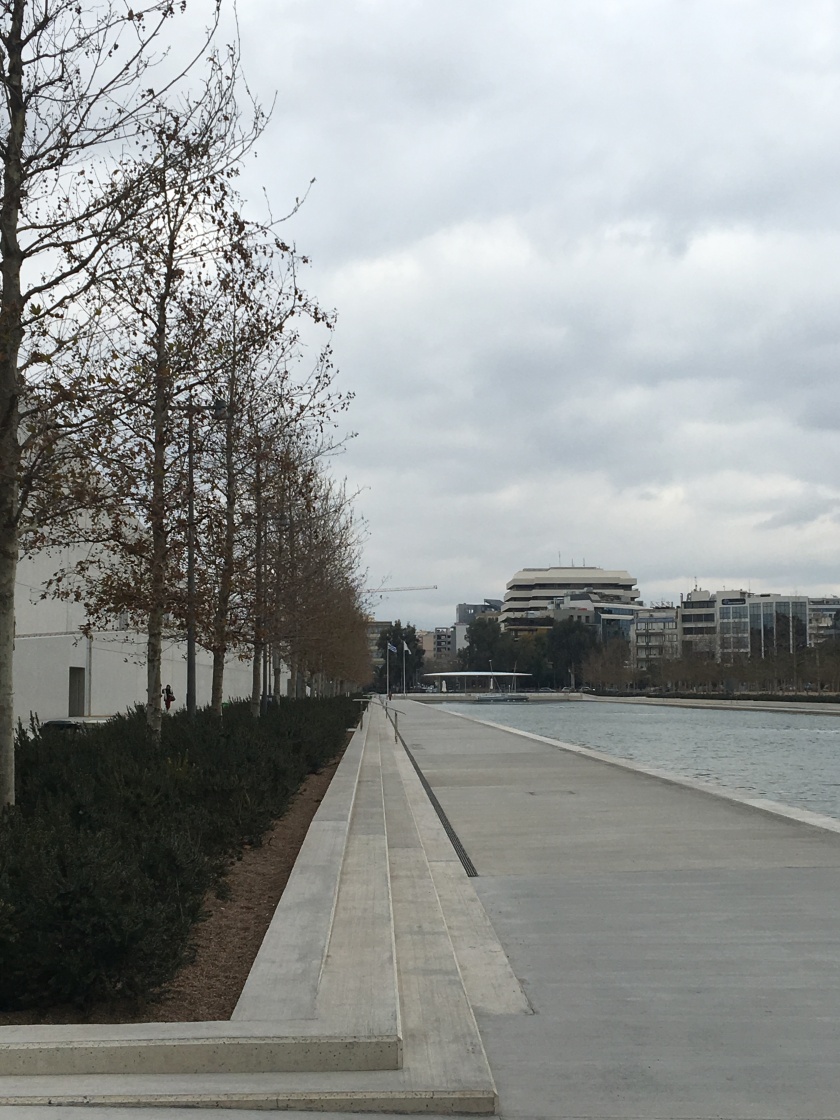
On a chilly, overcast morning we set out to visit the new jewel in the crown of Athens: the Stavros Niarchos Foundation Park and Cultural Centre. Athens, having grown exponentially and without proper planning in the last decades (a plan was made, but was ignored by successive governments for reasons I shall not go into here) is a city with the lowest per capita green space in Europe. The only relief is the easy access to the sea on all sides – otherwise it is drowning in urban concrete.
When the racecourse was moved from the bay of Phaliron to the town of Markopoulo on the occasion of the Athens Olympics, a large area was liberated. The Stavros Niarchos Foundation stepped in with a project, designed by the architectural firm Renzo Piano Building Workshop (RPBW), that includes the new facilities of the NationalLibraryofGreece, and of the GreekNationalOpera, as well as the StavrosNiarchosPark.
The Stavros Niarchos Foundation(www.SNF.org) is one of the world’s leading private international philanthropic organizations, making grants in the areas of arts and culture, education, health and sports, and social welfare.The SNF Cultural Center is the Foundation’s largest single gift, for a total budget of $867mil (€630mil). This huge investment is a testament and a commitment to the country’s future, and also hopes to be an engine of economic stimulus in the short and middle term.
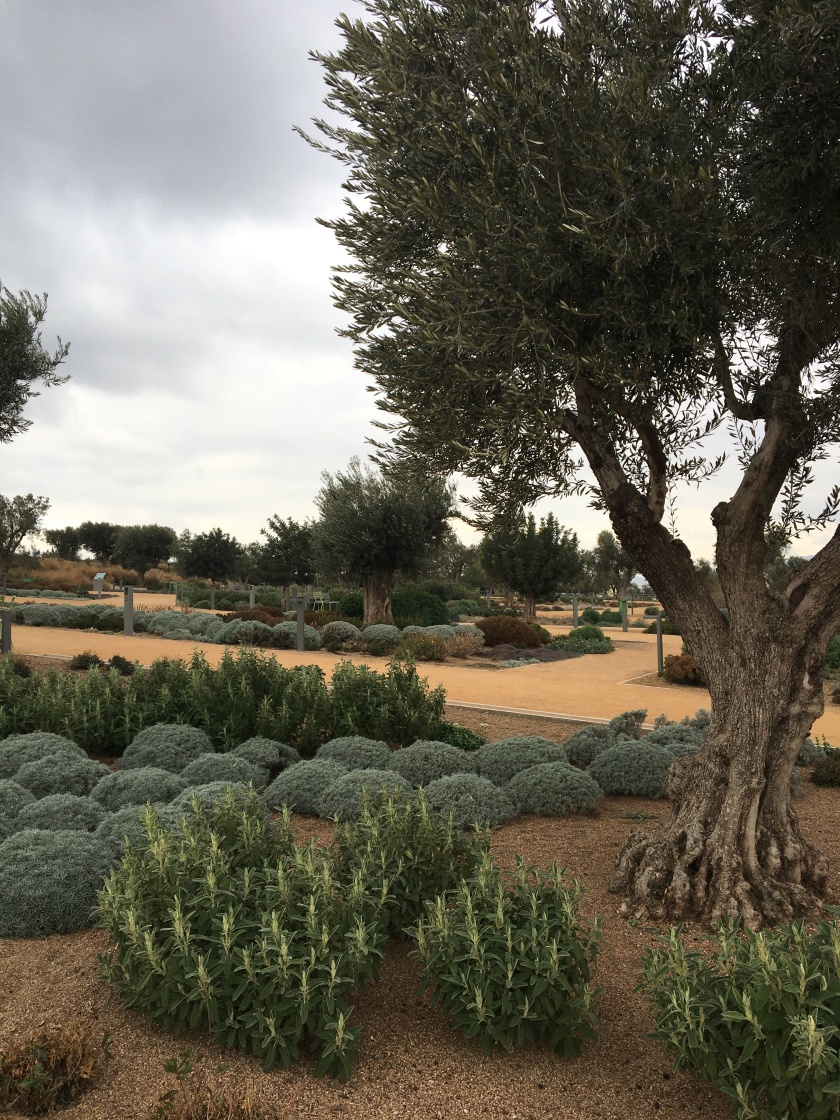
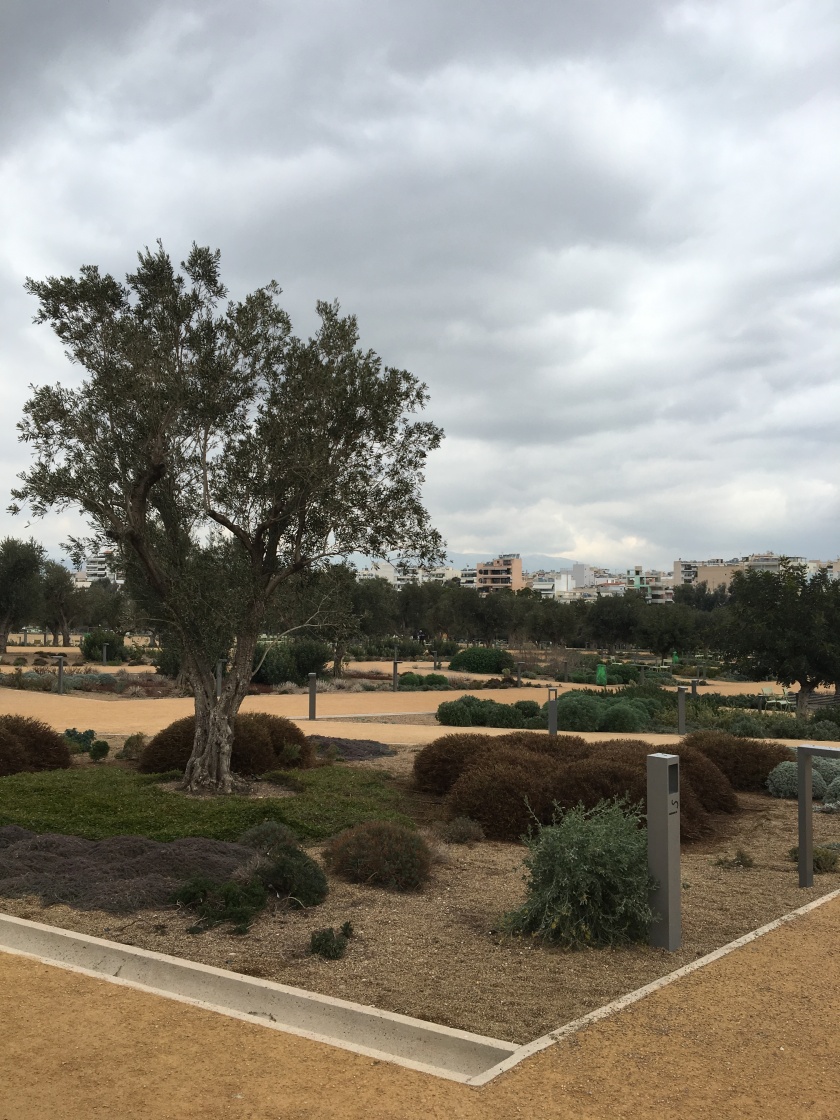
Although this is not the best season to visit gardens, it was immediately apparent that the whole park has been beautifully planted in a way that celebrates Greece’s horticultural tradition: the open, sunlit Mediterranean Garden.
Each month is meant to bring a new color, and each season to introduce a different combination of flowers or foliage. Each visit should be a sensual pleasure, with the proliferation of evergreen and other endemic plants such as boxwood, coronilla, cistus, and lentisc, salvia, oregano, thyme, lavender, rosemary, roses and euphorbias.
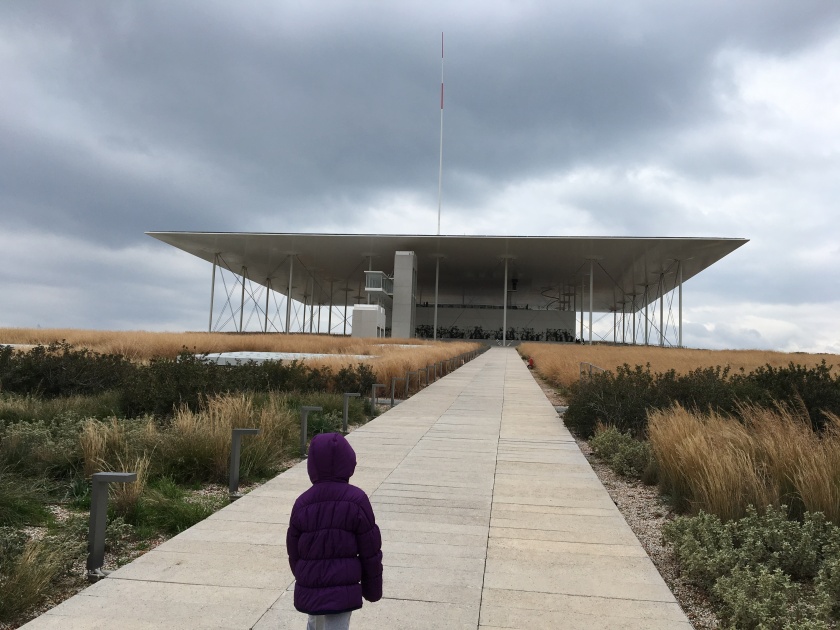
From the Mediterranean Garden, curving landscaped pathways wend their way up a gentle grade to the 32 m high summit of an artificial hill. Beneath the earth is the building that houses the Library and Opera House, making the hill the green roof for the structure. One of the largest in Europe, the green roof significantly reduces air-conditioning requirements.
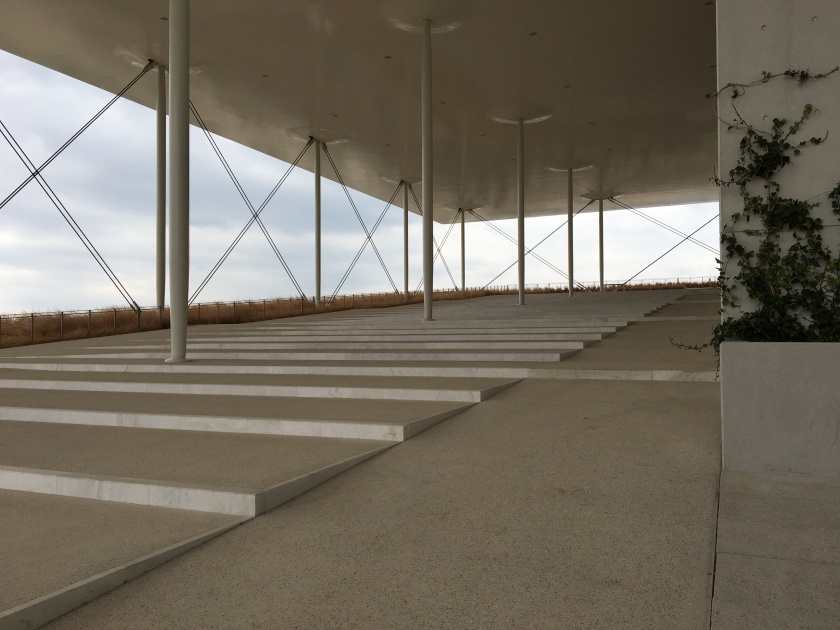
Architect RenzoPiano envisaged the SNFCC rising out of the ground like a dislodged piece of the earth’s crust. Soaring 14 m above the summit, a 100m x 100m photovoltaic canopy extends outward from its perimeter. A marvel of engineering and construction, supported by 40 sinewy metal pillars, it will meet the buildings’ energetic needs, as well as making a fascinating addition to the city skyline.
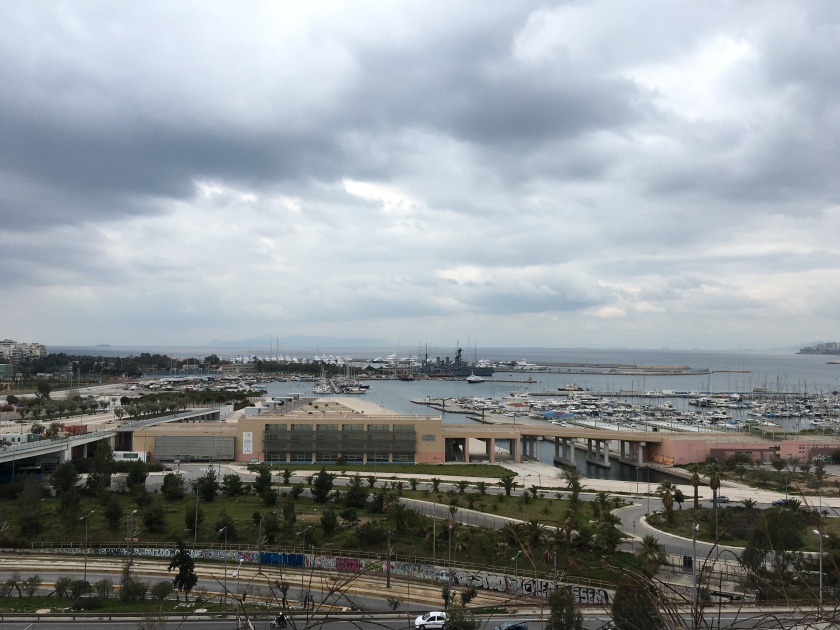
The summit offers spectacular 360-degree views of the sea to the west, the Acropolis to the east, and the cultural and educational park below. It certainly is breathtaking, although it did strike me how loud the traffic noise was, even up here!
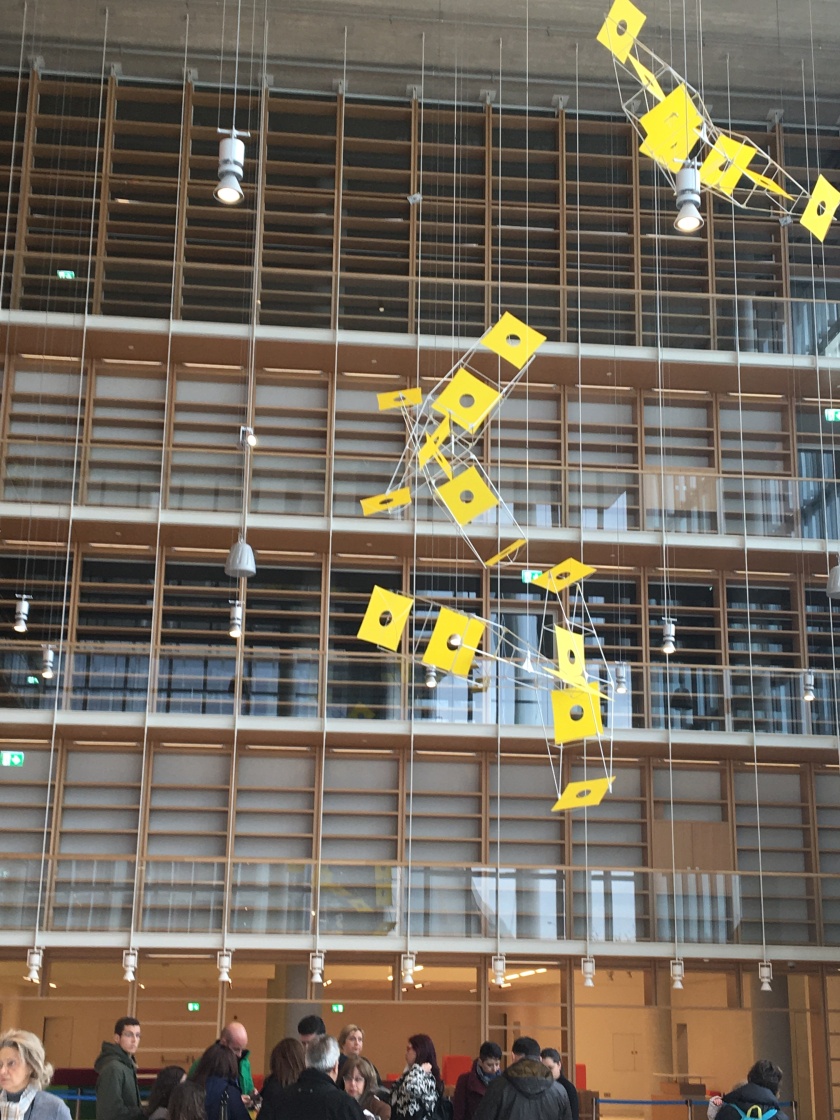
Berneath the green roof is the enormous Library, built on several levels around an open atrium.
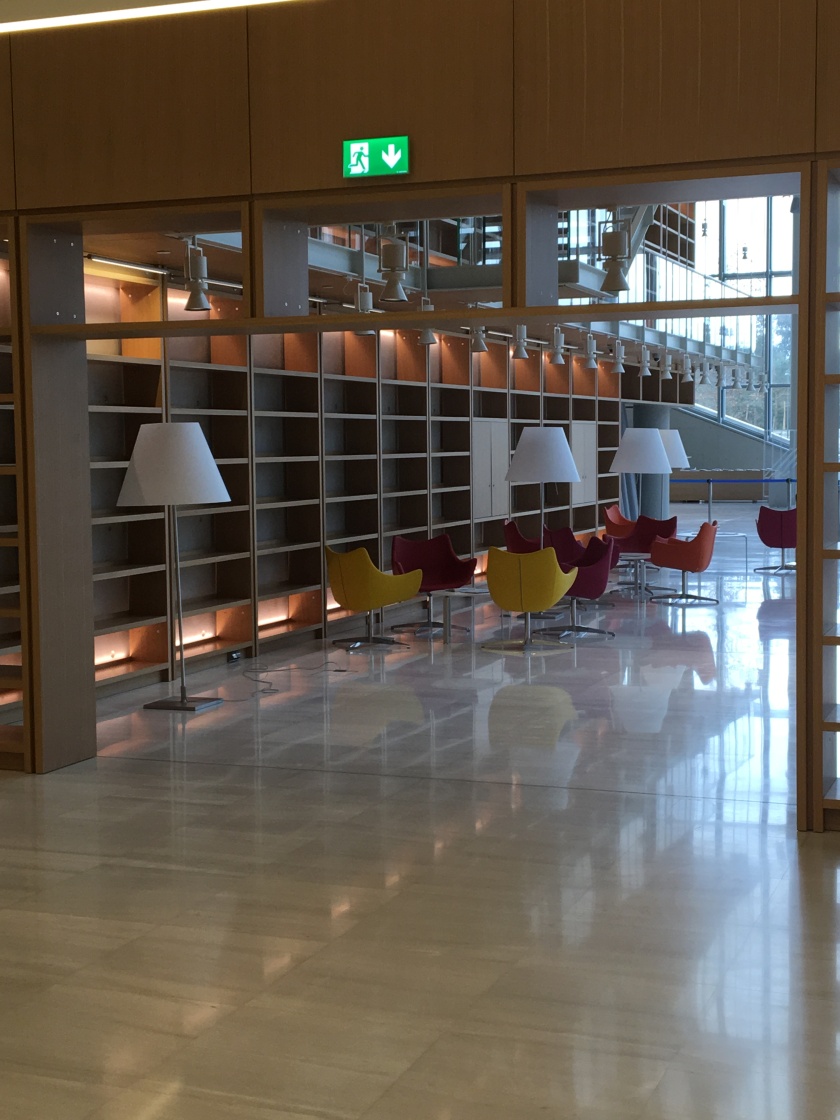
The shelves are still empty of books, but imagine when they are full! I loved the mobile suspended from the vertiginous ceiling.
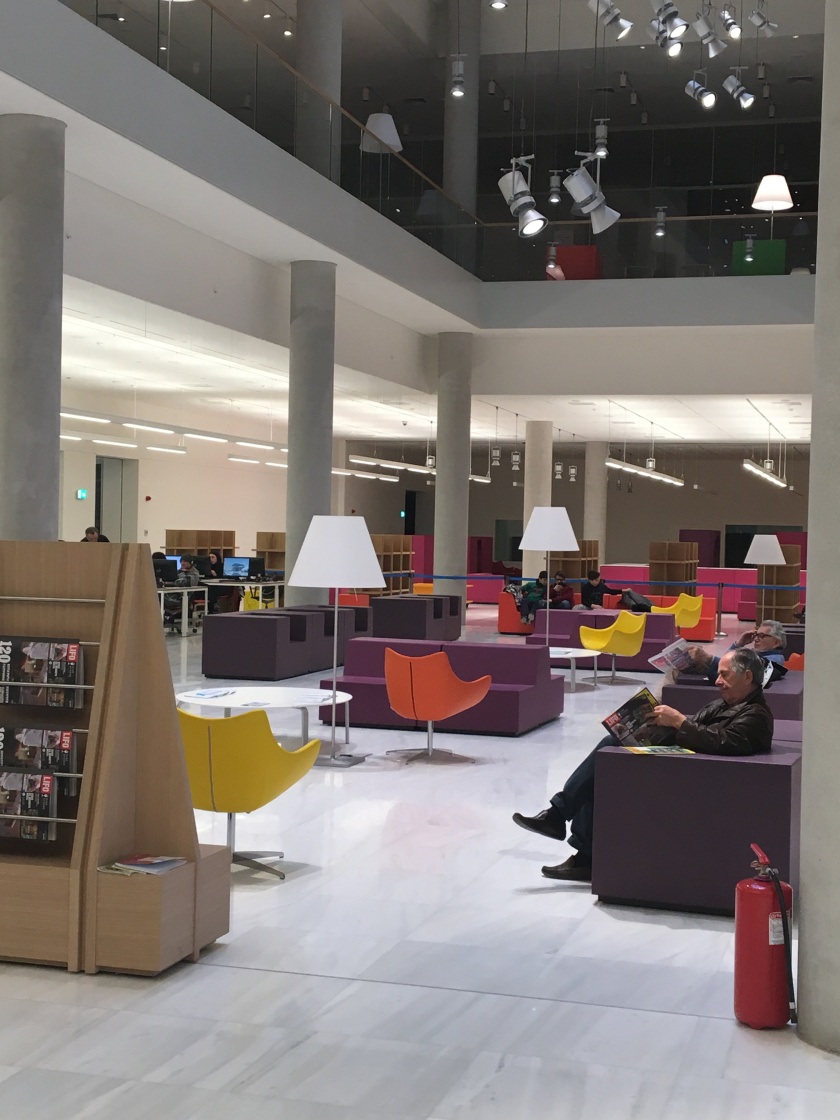
Cosy reading corners abound, and there are stands stacked with daily papers and magazines in different languages.
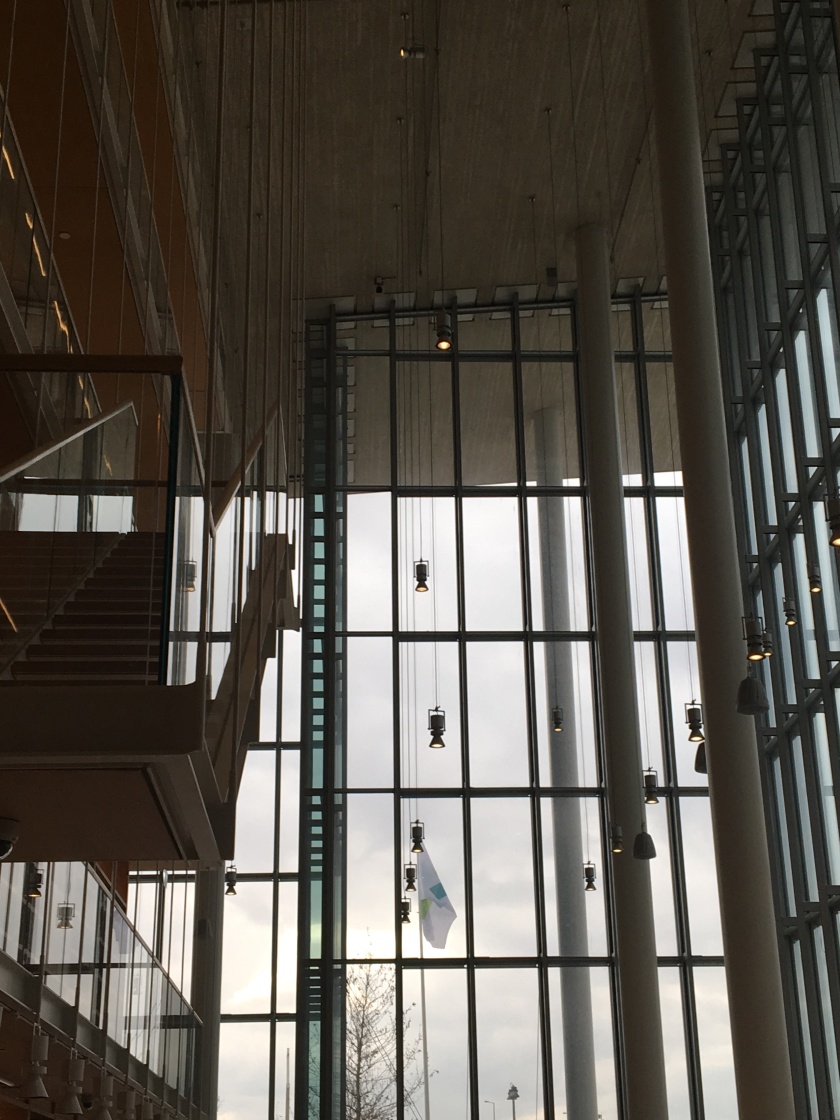
Enormous windows flood the library with light.
Walking out of the library, one comes out into the Agora, with its impressive water feature.
This is a huge space, where a multitude of events can be staged.
We did not visit the National Opera, because you can only go in if you join the guided tour, and they were fully booked. It is not totally operational, and has only staged a few experimental performances so far.
This is a huge undertaking and it is not entirely completed yet. One can only imagine how impressive it will be when it is functioning on all levels – mature gardens, well-stocked library shelves, a program of performances of all types. The only thing that worries me is that there is a plan for the complex to be donated to the Greek state in 2017 – in the present climate of disintegration, i wonder if it will be upkept and used to its full potential?
It remains to be seen. Meanwhile, for any of you planning a trip to Athens, be sure to add it to your list, together with the Acropolis Museum. Well worth a visit.
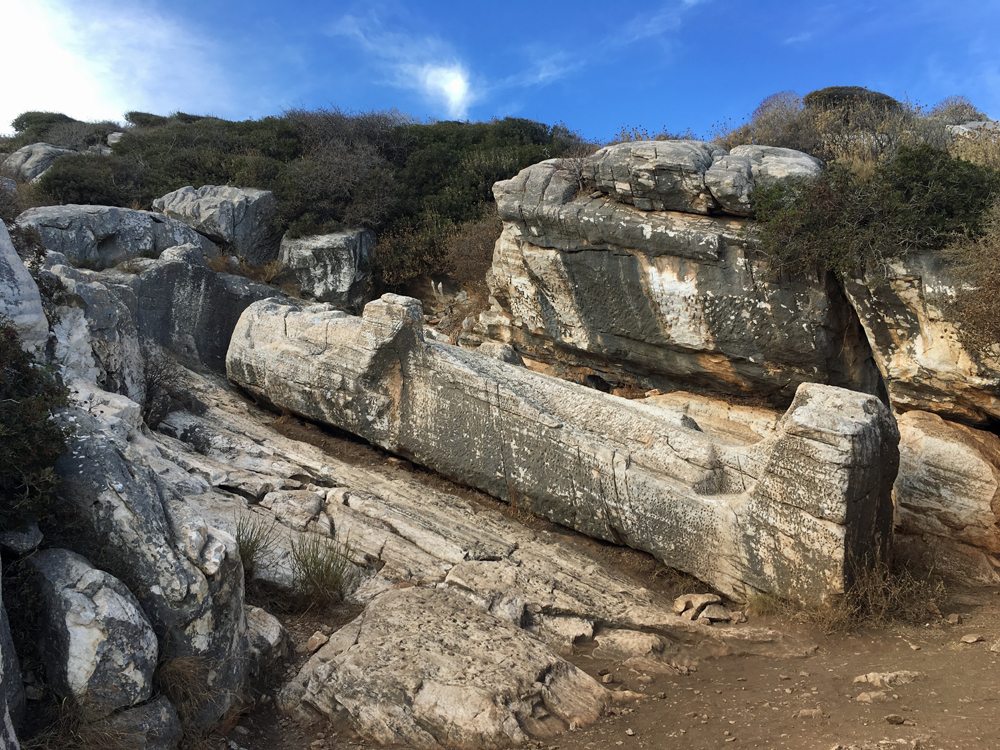
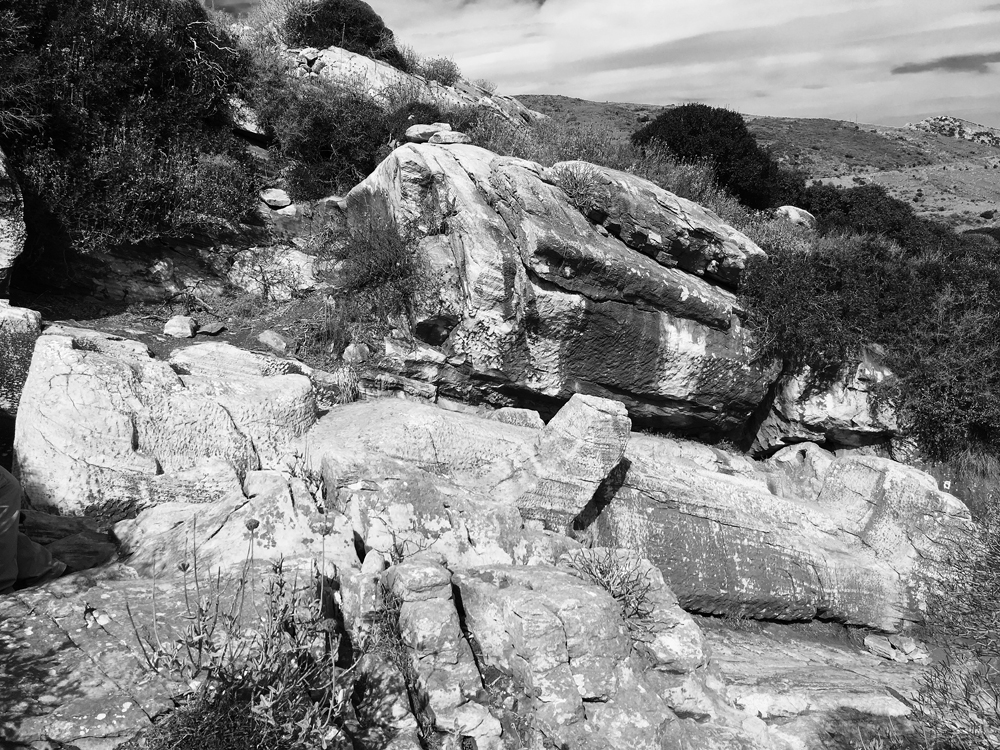
On a hillside on the northern coast of the Cycladic island of Naxos rests a blue grey marble colossus, rough hewn and almost complete. Sadly, something went wrong in the rough carving and he was abandoned in solitude. He has been resting here, set in his quarry bed for well over two and a half millennia.
Visitors come and go. I’ve seen early pre-19th century travel sketches and watercolours, old late-19th century black and white photographs, and many more recent tourist snaps of this giant unfinished statue.
He is almost 11 metres in length. The Kouros of Apollonas (the ancient town nearby) was his original name. But in the mid-19th century he was identified as the Greek god Dionysus, so is now called the Colossus of Dionysus. Whatever his name, he perpetually lies in his stone bed gazing out to sea.
Solitude: The Daily Post’s Weekly Photo Challenge.
After a break of a few months – I was not feeling inspired – I am resuming the interviews, but in a more free-form manner. I might include people living abroad, and perhaps modify the questions a little.
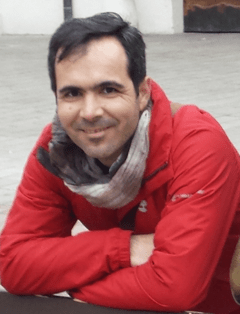
What better way to start than with the irrepressible Andonis Radistis, a free spirit and lover of adventure, who describes his life with such enthusiasm. In his own words, then:
Tell us a “little” about yourself (Andonis put the quotes around ‘little’)
Born and raised on the Greek island of Skopelos was both a blessing and a ‘curse’ for me. A blessing because there is nothing more beautiful and pure than growing up in one of the prettiest islands that Greece and the world has to offer. Having a carefree childhood without the pitfalls a child and then a teenager could be faced with when growing up in a city. Adjusting to each season on an island; from summer, (full of visitors, sun and the sea), to autumn and the winter, (dead quiet), makes you a stronger person.
A curse because there is something about the salty air on a Greek island. The never ending horizons and the many tales of adventures on raging seas. All this made me want to seek new worlds, people and challenges from an early age. I made a promise to myself to begin my journey and start quenching my thirst for the world as soon as I finished school.
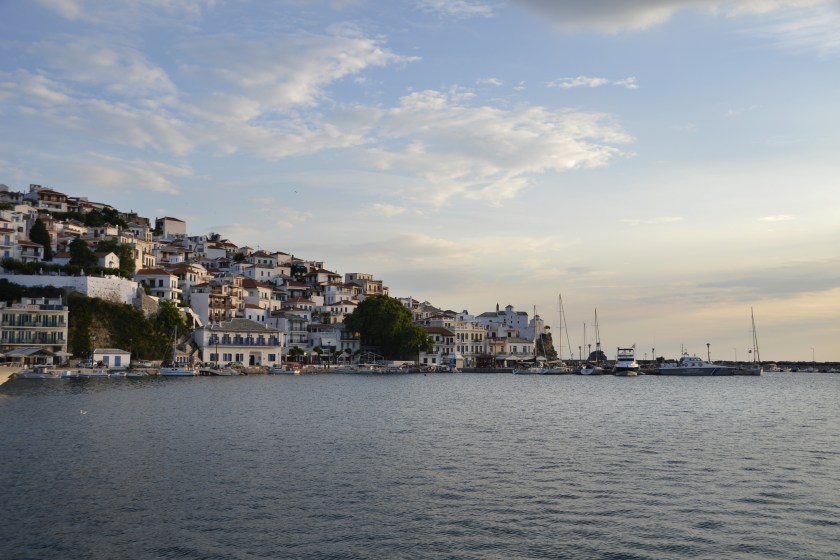
Andonis’s birthplace, Skopelos
My adventures began with a road trip to the UK and a person I hugely admired. Ended up staying there for 5 years, studying and working to make ends meet. The US was next and the beginning of yet another exciting chapter in my life. This was my year out for work experience, as part of my degree. What an eye opener that was. I remember feeling like I stepped on a different planet, when I walked out of Logan Airport in Boston. Upon completing that year, and heading back to the UK, I remember making yet another promise to myself. I needed to return back there and live the American dream for longer.
The universe conspires to assist you when you really want to achieve something. 2 years later, I was on another plane and heading back to the US. A two year contract and a working visa, sent me to the American south. On a tiny dot of an island in the middle the Gulf of Mexico this time. This was an equally mind-blowing experience, both in terms of work as well as personally. I met some amazing people down there and will have fond memories that will last throughout my lifetime.
It was brooding in my mind though. The idea of returning to Greece was getting overwhelming. During this time, I realised that no matter how good a time I was having I couldn’t be away from my beloved country. I even had a newborn nephew that I did not get to meet until he was 2 years old!
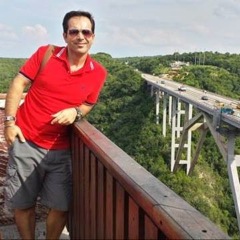
Once back in Greece, I enjoyed the rest of the summer before I headed straight into my Military Service, which got me into the Greek Navy for a year. A little older than most, I quite enjoyed the carefree year I had there. Try explaining US adventures to 18-19 yr olds: the great times I had in Key West and how it felt to be living in one of the most sought-after holiday resorts in the world. Clubbing, the night scenes of Miami and seeing the sun rise in a convertible while driving on the ‘7 Mile Bridge’. Needless to say, I was the ‘let’s have coffee and fascinate us with your experiences’ kind of guy. I really enjoyed that role for the year!
Straight after Navy duty, I headed to Athens to pursue my career in the Hotel Industry. Worked for a Multinational chain for about a year before I was asked to be one of the Executives in the Athens 2004 Olympic Games. Being part of the Torch Relay Team. I couldn’t say ‘no’ to this – it was my kind of challenge.
A few weeks later, I found myself organising exciting stuff for the Olympic Games. Locating and inspecting hotels all over Greece, in all the places the Olympic Flame had to stay the night. My team started the Games with the huge tour of the Torch Relay. We were on the road for almost 45 days. I will always remember the feeling of actually running with the flame myself and the goosebumps I got throughout the whole 500 meters I ran. The cheer from the crowds on the sides of the streets. The Opening Ceremony inside the Olympic Stadium, and how the flame was brought in and the ceremony started. Writing about it brings back those sacred moments I was privileged to have experienced.
The glory days passed much quicker than I thought. It was the 30th of September and the last day. Packing up the Athens 2004 Headquarters was an experience in itself. I felt a different person. All my colleagues felt the same. We had shared some amazing moments that would never be forgotten.
I didn’t let anyone discourage me those days with the stress of finding another job! I sent out a few CVs, attended a promising interview; 3 days later and by the end of the 1st week of October, I found working for a sweet boutique hotel in the north suburbs in Athens. I hadn’t even had time to fully rest.
Fast forward to about 1 year later and another new beginning! Yes I know, I hadn’t grown tired of changes and challenges yet, (and not for many years more). I wanted to create my own business on my beloved island of Skopelos and live my own dream. Once back, I made my plans as carefully as I could, and 2 years later, we were opening the family business. Skopelos Country Villas was a dream come true. Comprising two self-catering Country Villas with private pools, idyllic location and breathtaking views, it meant holidays in Skopelos would create beautiful memories for many harsh winters ahead. We first operated in the summer of 2007 and hopefully we will still operate for many more years to come.
During that time I also worked in another hotel locally, and almost 4 full years went by where I practically did not set foot outside the island. Subconsciously, I was already making plans for another adventure by that time. I felt that I had finished the hard part of building the family business and since that part was over, I was left without something adventurous to do.
But, as they say, be careful of what you wish for! Life has an interesting way of granting you your wishes sometimes. A few months later I was on a plane heading somewhere I had never really thought of going, let alone live there.
My plane landed in the Middle East, (Jeddah in Saudi Arabia to be exact). I was literally embarking on a luxurious motor yacht for an experience that changed my life, (in a ‘fall flat on your face’ kind of way). I had a posh title and was in charge of Hotel Operations & Provisions – everything looked promising. This place is ideal for those seeking to redefine their life values. Mine were re-evaluated in many ways and made me appreciate life even more. My experience there lasted for almost 2 years. Travelling with a multitude of personalities on board to cosmopolitan and high end places in the Med, was something to remember. Going back at the end of each travelling season to the harsh reality of the Middle East was certainly overwhelming to say the least.
Working aboard floating palaces, the endurance and self perseverance that one has to discover and unleash somehow, are vital. The fact that the work was at sea, where totally different elements of survival play a key role in everyday life, was another matter.
Then, after another stint in Athens and one more in the U.K., I ended up in Skopelos once again – back to safe grounds and familiar waters.
What were the major difficulties you’ve faced in the last five years?
As most people who live in this beautiful country, I’ve been hugely disappointed with its gigantic bureaucracy that has no end. The incredibly heavy taxation that was imposed overnight on small businesses and individuals which continues to increase without any viable strategy. The decimating of entrepreneurship and how unsupportive the government is of young people who want to start a business of any kind. Seeing my parents’ pensions cut down drastically without any logic whatsoever. Feeling massively frustrated every time I try to use any public service to do anything bureaucratic.
Did anyone in particular inspire you or help you?
I was extremely lucky to have met some pretty amazing people from quite an early stage in my life. These people I met either came into my life for a reason, a lifetime or both. They are the people I call my ‘stepping stones’.
Apart from my family (my parents and my three sisters), who needless to say supported and helped me every step of the way, these people came into my life and ‘pushed’ me forward in ways I hadn’t at the time thought of. They inspired me to think outside the box. They encourage me to take the next step forward. A few have passed on to the next realm, and are carrying on the inspiration, (like Sara and Terry), others I’m lucky to still have around, (like Eileen). They have shaped my past and will continue to shape my future, (like Madge and Toula).
All of these amazing people laid down ‘stepping stones’ along my path and helped me either in my career, my personal life and sometimes both. Has anyone else noticed they are all female? 🙂
What are your hopes/plans for the future?
I would really love to see my new venture, The Travelling Cookie, take off, so I can stand back some years from now and be proud that I helped travellers visit our beautiful country. I am also hoping that I can offer some great trips to Greeks, to visit other, favourite parts of the globe, (like the US).
In addition, I would like our family business, (Skopelos Country Villas), to continue being successful and have guests exploring this small paradise!
I would also like to stand back and say how I have now conquered the world and travelled to roads less travelled around the globe! I guess part of the reason for starting The Travelling Cookie was so that I could also help myself as well as others travel more.
Additionally, I have a new project in the works, SITEnDESIGN , to express my love for web design. An avid supporter and contributor of the WordPress Content Management System I started learning and experimenting with this ultimate web design and development tool in order to rebuilt the family business website. I never looked back since, and have built a number of websites, both for personal use, (my website), as well as for business use.
Why leave this?
Have you considered leaving? If so, where would you like to go, and why?
Leaving? My God, do I need to leave again? No thank you! I think I did my fair bit of leaving during the past 20 years of my life 🙂 After all this, I can safely say that no matter where I’ve been or may one day go again, (perhaps), I could never be far from Greece, the sweetest of all countries, (for me anyway), for more than half a year.
Despite all the difficulties, frustrations, disappointments, uncertainties! Despite everything that is going on or may still happen to us in the future, no one can steal this beautiful, eternal light. The light that makes us shine from within and gives us strength to continue.
Are you actively doing anything to help with the situation? Is there something you would like to do?
I would like to think that I am promoting Greece through The Travelling Cookie, my newly opened, Online Travel Agency. In collaboration with 3 big Travel Companies in the UK, (The Travel Network Group, Independent Travel Experts and Travel Trust Association), I am actively promoting Greece as The Destination, especially for UK and USA travellers looking for summer holidays.
Although The Travelling Cookie is still in its infancy stage, I have hopes that it will grow and be able to eventually stand tall and promote Greece in a wider market segment. Focusing on Personalised Services, (having such a huge hotel background will definitely help on this), I strive to provide excellent customer service throughout the trip planning process.
How do you see Greece in 5, 10 years?
I don’t think that there are many people that have this kind of foresight for Greece. Being an optimist of course, I would like to think that a huge change will take place in the political stage. I would love to see capable leaders take over. Leaders that will primarily care for Greece and its people – not just for banks and the imposing of new austerity measures.
Leaders that will be able to stand tall and defend the country, not surrender it to money-lending sharks who ruthlessly keep asking for more and more!
How do you cope withobstaclesandfrustrationsinyoureverydaylife ?
To survive in Greece nowadays you have to be resourceful, (although resourcefulness is a great trait to have anyway). I tend not too get too discouraged by bureaucratic obstacles that much, and when I do let frustration take over, I just leave my ideas aside and try again in a couple of months/years.
I also try to find ways around whatever it is I’m after – see if a similar, plan B can work for me. Then, there is a great saying too: ’Things happen or not, for a reason’’…so if I’m faced with too many frustrations/obstacles, maybe my plan is not meant to be. At least not for the time being!
So, if you’re thinking of a Greek vacation, or if you want to explore Europe, the US or anywhere else, Andonis has the resources to make it happen for you!
I know I keep harping on about the refugee crisis – most of you must be heartily sick of me by now. But it is something that I don’t feel the world as a whole can ignore – and not only in reference to the humanitarian aspect, but because it is a problem that, give the present situation, we will all have to face in the future, one way or another. And I don’t believe building fences everywhere is a solution.
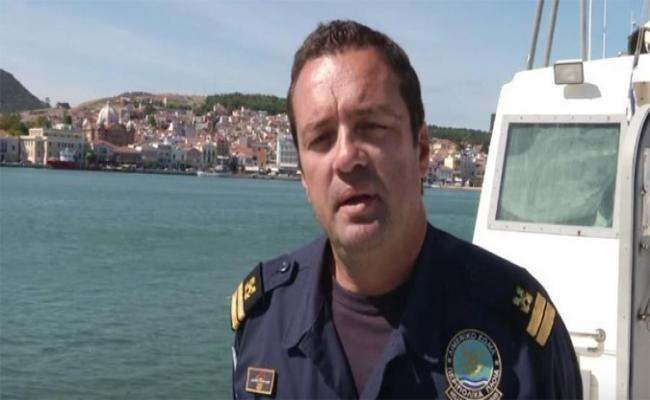
4.1 miles is a short documentary made by Daphne Matziaraki, a Greek filmmaker who lives and works in the San Francisco Bay Area. ‘4.1 miles’ refers to the distance between Turkey and the island of Lesvos, where she followed a coast guard captain for three weeks as he pulled family after family, child after child, from the ocean and saved their lives. All the events in this film were shot on a single day, October 28, 2015. Two additional rescues happened that same day but were not included.
She says: ‘The Greek Coast Guard, especially when I was there, has been completely unprepared to deal with the constant flow of rescues necessary to save refugees from drowning as they attempt to cross to Europe from Turkey. When I was there filming, Lesbos had about 40 local coast guard officers, who before the refugee crisis generally spent their time conducting routine border patrols. Most didn’t have CPR training. Their vessels didn’t have thermal cameras or any equipment necessary for tremendous emergencies.
Suddenly, the crew was charged with keeping the small bit of water they patrolled from becoming a mass grave. Each day, thousands of refugees crossed the water on tiny, dangerous inflatable rafts. Most of the passengers, sometimes including whoever was operating the boat, had never seen the sea. Often a motor would stall and passengers would be stranded for hours, floating tenuously on a cold, volatile sea. Or the bottom of a dinghy would simply tear away and all the passengers would be cast into the water. The coast guard felt completely abandoned, they told me, as if the world had left them to handle a huge humanitarian crisis — or allow thousands to drown offshore.’ (Excerpt taken from a NYT article, sept 28, 2016.)
The coast guard captain in question is KyriakosPapadopoulos (photoabove), a naval officer who, after working on freight ships for a few years, decided to come back and settle on his beloved island of Lesvos, where he dreamed of a quiet life. Little was he to imagine what was in store for him and his crew, on the by now legendary coast guard launch “602”.
The first sea rescue in Lesvos took place in September 2001, when they picked up ten Afghans off the coast. This became the talk of the island. The war in Syria changed all that. In 2014 around 50-100 people washed up on the island daily; and, by the beginning of 2015, this number had risen to thousands every day. More than half of the one million refugees who arrived in Greece that year came to Lesvos, and most of those were picked up by Kyriakos’s boat.
Usually, rescues take place in bad weather conditions. Kyriakossays: ‘We come upon boats that are half sunk – we know we need to act fast, people can drown before our eyes. We need to pull around 60 people into our boat in less than five minutes. It’s a huge responsibility.’ Psychologically, this is tough, and has taken a toll on him and his crew. Kyriakos has two daughters, aged 15 and 7,5. At sea, he sees their faces in the faces of the children who lift up their arms to be saved. ‘You can never get used to this. However, none of us has entertained the thought of giving up. Saving people gives us the strength to continue. Especially the smiles of the children, when they see us.’ (Translated from an article in Kathimerini, January 28, 2017).
Kyriakos has been given an award for his work by the Academy of Athens, and the documentary has been nominated for an Academy Award. What pleases him most, though, is the fact that through the screening of the documentary, his friends and family have seen for themselves what he and his crew are going through. Because they find it impossible to talk about this to anyone; they only discuss it amongst themselves, on the advice of psychiatrists – to exorcise the images they’ve had to witness. He also hopes the world will see the film, and offer some help.
I watched the film, and I warn you it is harrowing. An incongruous thought kept going through my mind: at least there are no killer sharks in Greek waters.
Today we have a guest post written by a good friend of mine, Mark Stephenson. It is a review of his favorite novels with a Greek background. In fact, his love of the country has inspired him to set a large part of his own debut novel, a thriller called TheLastMessenger, on the island of Crete. It is to be published later this year, so stay tuned. Meanwhile, you could visit his blog here.
Read on:
My favourite novels setinGreece
It’s over forty years since my first visit to Greece. The collapse of the military junta had only just occurred and tourism was nowhere near as sophisticated as it is now. Package tours were available to the larger islands of Corfu, Rhodes, Crete and Kos but if you wanted to find the real Greece your best bet was to fly into Athens and head down to Piraeus and hope for the best with a ferry. Island hopping in those days required plenty of time as ferry timetables, unlike now, were erratic. We didn’t have much time so took an old Russian-made hydrofoil to the Saronic islands of Poros, Hydra and Spetse which were just a short journey from the Athens port. I was desperate to go because I’d just read The Magus. My list is a personal one, in no particular order of preference. Please let us know if you recommend any other novels with a Greek setting which are not included here.
THE MAGUS by John Fowles
The Magus is set on the fictional island of Phraxos which the author admits is based on the island of Spetse. It is a book that is beguiling in many ways and is regarded as a classic (published in 1966). I read it in my twenties and it made a great impression on me. It is not for everyone, especially if you don’t like a story which often escapes from reality and can be misogynistic in tone. There are twists and turns and improbable story lines. It is a mystical journey on the human condition and the meaning of love. Perfect if you want to be submerged in the romance and spiritual presence of the Greek landscape.
THE TWO FACES OF JANUARY by Patricia Highsmith
If you enjoyed the Ripley novels, you will enjoy this one which has a perfect command of its setting in Athens and Crete. This is a crime novel involving a war of wills between two American men in Greece who are both running away from something. Chester is a conman and Rydal, a young drifter, hanging around Athens seducing the tourists, is looking for adventure. Chester reminds Rydal of his father who he doesn’t get on with. Colette, Chester’s wife, is caught up in a menage a trois between the two men who become increasingly entwined when Chester’s life of deception catches up with him.
CAPTAINCORELLI’SMANDOLIN by Louis De Bernieres
If you’ve seen the film starring Nicholas Gage and Penelope Cruz, you may have decided not to read the novel because you know the story. My advice is don’t be put off if you love reading because the emotions of the characters and the historical background of the story are so much better described in the novel. Set in Kefalonia, the early part of the novel is full of humour and the joys of life. The onset of the Second World War does not seem to affect this idyll even when the Italians occupy the island as Captain Corelli and his men prefer to play music and make love not war. The contrast at the end of the novel when the Germans arrive on the island is shocking and deeply moving.
THE ISLAND by Victoria Hislop
Another fictional story built around historical fact. This time the story is set in Spinalonga, a leper colony off the coast of Crete. I’ve visited the island which is no longer occupied and I can understand why Victoria Hislop was inspired to write the story. You can still see the buildings where the lepers lived and gain a sense of their community even though they were afflicted by this terrible disease. This book is not a classic piece of writing but is an easy beach read which addresses a serious subject about how leprosy affected the lives of ordinary people.
ZORBA THE GREEK by Nikos Kazantzakis
This is a must read if you want to understand the spirit behind all that Greek dancing you’ve done on your holiday. Zorba’s personality encapsulates a love for the joys of life and to hell with the consequences. He is contrasted with the narrator who is Kazantzakis lacking the confidence to live dangerously. They have many adventures together and you are left with a feeling that living for the moment is not such a bad idea. If you like Kazantzakis then also read Report to Greco which is an autobiographical account of his travels through Greece.
OFFICERS AND GENTLEMEN by Evelyn Waugh
This book is the second in the so-called Sword of Honour trilogy. I’ve chosen this novel for its brilliant writing and humour. It finds its way into this list because it describes the evacuation of troops from Crete after the German invasion. Although about a third of the novel is set in Greece, the story’s main theme is about the chaos of war.
THE SONG OF ACHILLES by Madeline Miller
This retells the story of The Iliad in a sexy and exciting way. The love story between Achilles and Helen is one of the legends that we all know but few of us admit to reading Homer’s poem from beginning to end. This book makes the story much more accessible. When you visit Greece and see one of its many ancient monuments, it’s books like this that turn those pile of stones you are staring at into something much more evocative.
OTHER CRIME FICTION SET IN GREECE
There are several authors writing crime series set in Greece. Paul Johnston has Alexander Mavros who is a private investigator based in Athens. I’ve read The SilverStain which tells the story of murder on the set of a movie being shot in Crete. Murder inMykonos is the first book in the series by Jeffrey Siger. His protagonist is Andreas Kaldis, a former Athens detective. The story opens when a female tourist is discovered on a pile of bones under the floor of a remote mountain church. This starts a hunt for a ritualistic killer. My favourite writer in this genre is Anne Zouroudi who writes stories involving her detective Hermes Dicktoros. What makes these books stand out for me is the way Anne writes about the landscape that is Greece. She has only just published the eighth in the series which I haven’t read so I’ll confine my comments to quoting some of the blurb on Amazon. “The Gifts of Poseidon is a hymn to Greece, to its beauty, its people and its food. Against this delectable back-drop, it is above all a compelling and dramatic story of the extraordinary sacrifices ordinary people will make to protect the ones they love. Anne Zouroudi writes beautifully – her books have all the sparkle and light of the island landscapes in which she sets them… Lovely, delicious prose and plot – as tasty as one of those irresistible honey-soaked Greek confections. Diaktoros is a delight.” (Alexander McCall Smith).
NOTE: I’ve read most of the books above, and will read the rest in the near future. Still, I’d like to add some more options to the list.
Eleni, by Nicholas Gage, is the gripping and often harrowing story of a mother determined to protect her children from the ravages of the Greek civil War at all costs and ultimately her own life. A true story (about Gage’s mother) and a must for any fan of Greek history.
The books of Mary Renault about Ancient Greece. Here is what Hilary Mantel has to say about them: “Mary Renault is a shining light to both historical novelists and their readers. She does not pretend the past is like the present, or that the people of ancient Greece were just like us. She shows us their strangeness; discerning, sure-footed, challenging our values, piquing our curiosity, she leads us through an alien landscape that moves and delights us.” I read them all as a teenager and this has made me want to re-read.
The Petros Markaris mysteries, which feature Inspector Costas Haritos and could be compared to the novels of Donna Leon, only set in Athens instead of Venice. They give a comprehensive image of modern Greece.
I apologize for not putting in links to all the book but, frankly, I could not be bothered as it takes forever. They can all be found on Amazon.
I’m reblogging this post from one of my favorite blogs, Champagnewhisky, because saving wildlife for our children and grandchildren is a subject close to my heart. I also thought the pictures were wonderful!
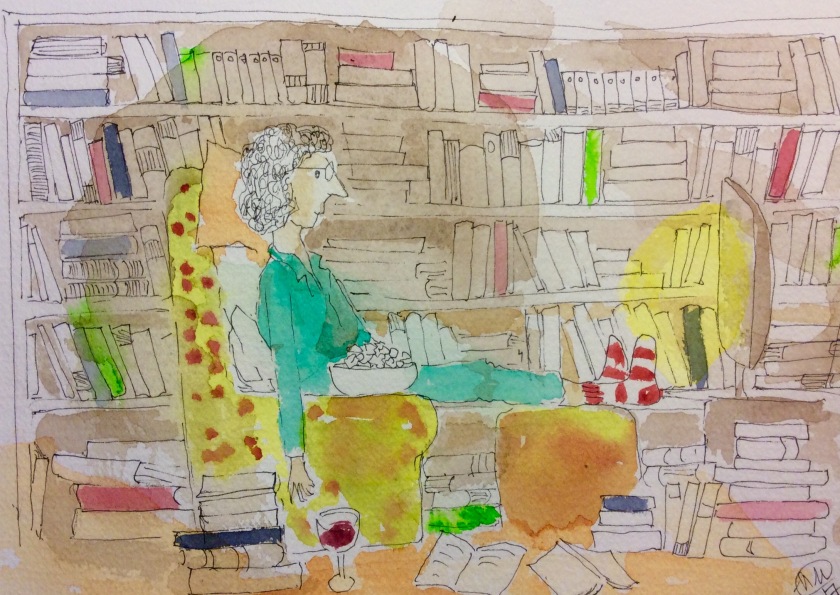
I recently came across the word Tsundoku which I find greatly amusing. According to Wikipedia:
“Tsundoku” (n.) is the condition of acquiring reading materials but letting them pile up in one’s home without reading them. “Tsundoku” originated as Japanese slang (積ん読) “tsun-doku”. 「積ん読」 came from 「積んでおく」 “tsunde-oku” (to pile things up ready for later and leave) and 「読書」 “dokusho” (reading books).
I’ve always been addicted to books, and like to be surrounded by piles of them, just in case I run out of – horrors – reading matter. And since the time when, on a trip, I finished my book and found myself with no access to a library or bookshop, I’ve also collected a number on Kindle. These are a safety measure, but lack the heft and presence of print.
In my defense, I do read them. I always have two or three on the go. But I will never get through my unread pile in my lifetime, especially since I occasionally like to re-read favorites. But have a clear out? Never!
As they say ‘So many books, so little time’ – or, ‘tsundoku‘!
For those of you who read my post TheSisterhood of theTravellingSketchbook, I have finished my contribution and I’m ready to pack it off to the next person on the list, Constanze, in Munich, Germany.
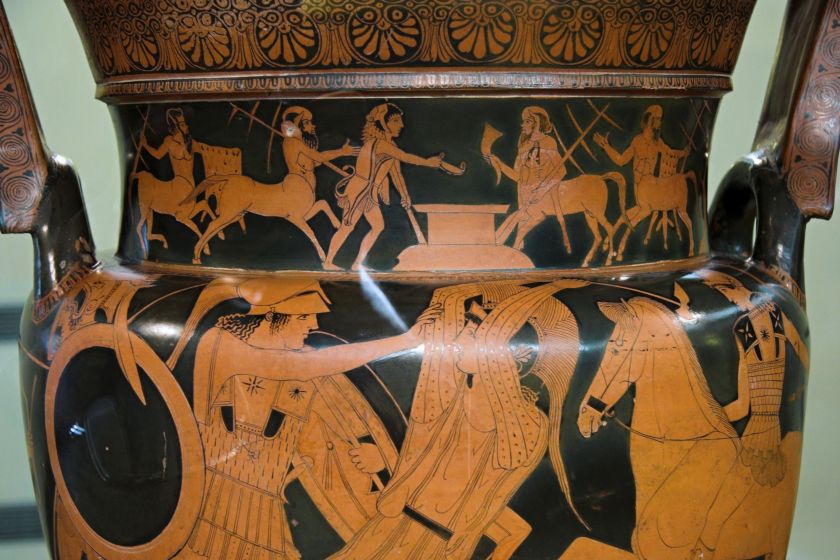
Centauromachy 460 BC. (Source:Wikimedia Commons)
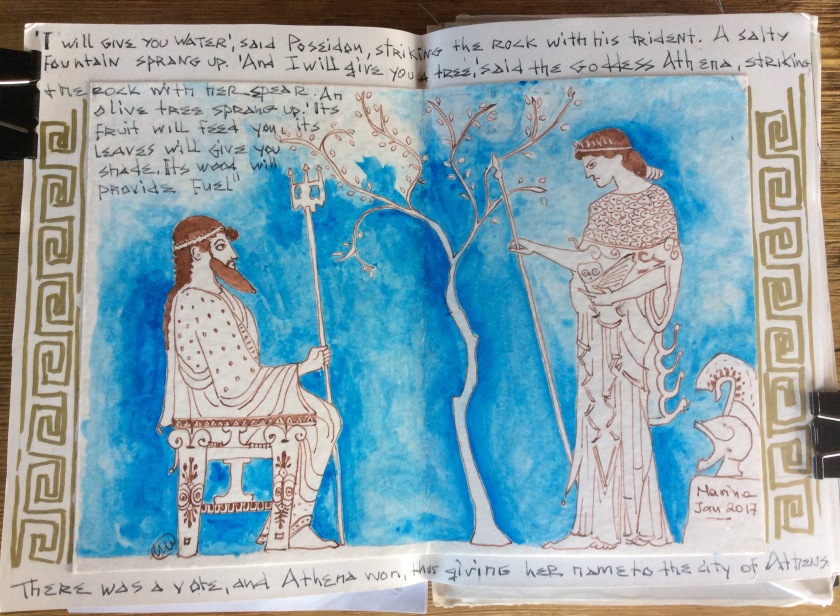
I wanted to do something referring to Greek history, so what better than the myth about the naming of Athens, which I’ve already written about, in my post Homage to the olive tree. To make the drawing I took my inspiration from the ancient black and red pots from which one can glean amazing details about life in Ancient Greece – the food, the sport, the fashion, the rituals and the stories. They feature a large cast of gods, goddesses, demi-gods and mere mortals, nymphs, centaurs and satyrs, athletes and animals, as well as household objects, furniture and accessories. A fascinating study.
And now feast your eyes on my masterpiece below:-)
My drawing in the Sketchbook
Standing on the Acropolis rock is Athena, having taken her helmet off, with a belligerent expression on her face. She has just produced an olive tree, using her spear. Poseidon, seated on an elaborate throne, has a rather sheepish look on his face, having lost the contest to a woman, albeit a goddess…
This has been a very amusing project, and I’m curious to see the remaining contributions. So tomorrow I will regretfully pack up the Sketchbook and bid it BonVoyage.
Despite everything, the end of the year is always a sort of celebration, as it heralds a new beginning. Why should things change, just because the date does? They probably don’t, but there is a feeling that they just might. Hope springs eternal!
However, today we woke to the news of yet another carnage, in Turkey. Wars are raging in many places. It is hard to feel optimistic. Still, life goes on, and rituals have a soothing effect on the soul.
In Greece we observe many traditions for the New Year, which I described last December in my post ‘Ringing in the New Year In Greece.’ It was all about smashing pomegranates on our doorstep, cutting the Vasilopitta (Basil’s cake) to find the lucky coin, about fireworks and gambling! For those of you who joined this blog recently, you might like to take a look (here).
Looking back through my year’s output, I thought it would be fun to see which posts were the most popular each month, based on likes (a rather random method most probably, but the only one available.)
In January, the honors went to GreekCuisine, featuring many delicious specialities (here).
In February, people loved ThefirstsignsofSpring, with its photographs of anemones and almond blossom (here).
In March, the most popular post was about the old tradition of CleanMonday, subtitled ‘A sky full of kites’ (here).
In April, TheMinoans, about a very ancient civilization, proved interesting to a good many people (here).
In May, DayTriptoMycenae, about another enthralling Ancient Greek civilization, took top honors (here).
In June, Brexit – Grexit, whatelse? captured the popular vote, the only political commentary to do so (here).
In July, you were very complimentary on my completing the WorldWatercolorMonth dare – a watercolor each day for a month. The post was entitled I didit! (here)
In August, the most popular post was MidsummerBlues – photos of lavender, figs, a cat and the sea (here).
In September, the MonthlyQ&A, of poet SofiaKioroglou, was the first to be most popular post in a month (here). This feature is always well received, but never made it to the top before. It was followed closely by ‘A short meditation on walls’ and ‘Messing about with clay.’
In October, everyone fell for Aubergines – thenewsuperfood (here). This was quite a productive month, as I also wrote about seahorses, an inspired chef, and the colors of fall.
In November, a lot of interest was shown in the TheAncientsGreeksandtheTerracottaArmy, a fascinating theory about an incredible work of art (here).
In December, people were captivated by the SisterhoodoftheTravellingSketchbook (here).
So, moving on, what does this tell me? That you love food, art, photos of flowers and lovely landscapes, history, finding out how people live in another country… These are the things I write about, anyway, so the survey is somewhat irrelevant, especially since there were no huge differences in the number of likes. But still fun!
Regarding the number of posts, my aim was to post about twice a week, so around 8 per month. I’ve achieved an average of 7 per month, so not too bad…
And so, 2017 has started. Happy New Year, everyone!
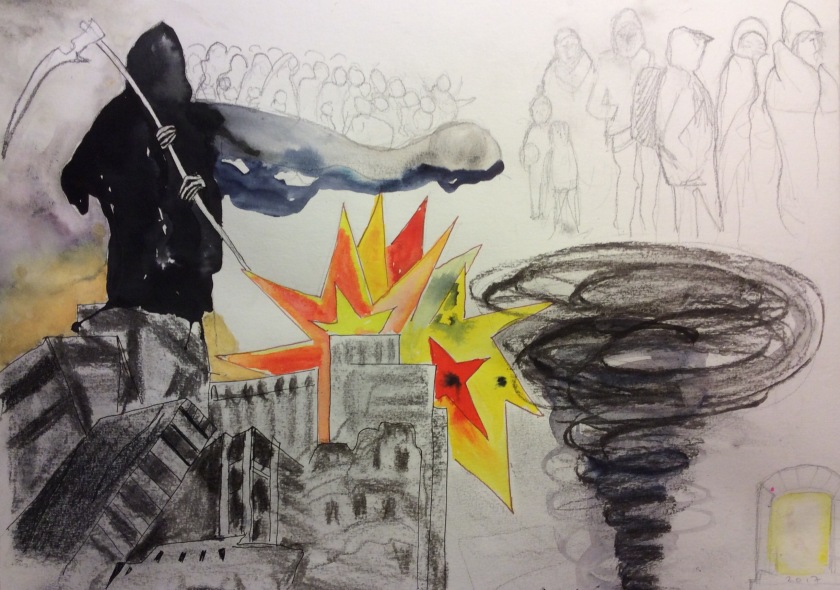
As the year draws to an end, many among us are reflecting how happy we’ll be to see it go. It has been a very turbulent year, to say the least. A violent year, too, full of wars, terrorist attacks and mass shootings. The situation world-wide is precarious, with Europe teetering after Brexit and America about to embark on a potentially dangerous adventure. Elsewhere, dictators and virtual dictators rule. In the third world, populations are exploding, without the backup to ensure all these people can be fed and employed, thus making the immigration question loom ever larger.
Whether due to man-made climate change or natural causes such as storms on the sun, weather has been both strange and excessive. Floods, earthquakes, tempests and unseasonal heatwaves have been wreaking havoc in many places.
The distribution of wealth is also out of control. Disproportionately huge sums are being earned by some (even, shockingly, by people who work for charities) and spent at art auctions, on racehorses, yachts and other luxury items, while the middle classes are struggling to maintain a reasonable standard of living. Many public institutions are going bankrupt, perhaps because funds have been squandered or misappropriated for years. It is always disturbing to see people sleeping in the streets next to luxury shops in the capitals of the western world – and apparently now 25% of the population of Europe faces slipping below the poverty line. A quarter of the population – it seems incredible.
In Greece, this number is 35%. Between the incapacity of the government and the misguided (self-interested?) handling of the European ‘lenders’, I feel things are going from bad to worse. I see no incentives given for a re-start of the economy, and measures taken to combat corruption and bolster institutions are implemented extremely slowly.
The refugee crisis also remains acute – and will continue to do so, as long as wars and atrocities do not abate. The situation of most of these people is dire – and, because they need to survive somehow, microcosms are formed with a dynamic of their own (for example, the Jungle in Calais) which pose problems to the host country and can only be dismantled at huge cost to all involved. It is frightening to think of the future (or lack of) faced by so many children on our planet in the 21st century. Displaced, dispossessed, uneducated – in a time where normally health and opportunities have improved and should still be improving.
Another worrying development is a rise in intolerance related to immigration but not only. I was shocked to read the following excerpt, from an article in UK newspaper The Daily Telegraph: “Some of Britain’s leading universities are becoming no-go zones for Jewish students because anti-Semitism is rife, the first ever higher education adjudicator has claimed. Baroness Deech, a cross-bench peer, said that institutions may be failing to combat hatred against Jews because they were “afraid of offending” potential benefactors from Gulf states.”
I will make no comment on the above.
This year has also been catastrophic for the music industry and its fans and followers, with the deaths of such icons as David Bowie, Prince, George Michael, and Leonard Cohen, to name the most prominent. Also of other bright names, such as actors Alan Rickman, Carrie Fisher and Gene Wilder, as well as Mohamed Ali, Fidel Castro and astronaut John Glen.
However, the year cannot have been all bad – or bad for everyone. There were successes (for example, I don’t think Usain Bolt is complaining), babies born, art and music made, things built. When I Googled ‘Good things that happened in 2016’, I got the following:
– A few animals came off the endangered list (however, quite a few others went on, so I don’t know how it balances up.)
– A solar powered plane circumnavigated the world.
– A number of scientific advances were made (especially in curing disease), including the 3-parent family (look it up, guys!)
– 70,000 Muslim clerics declared a fatwa against ISIS (about time, I should think)
-AND….wait for it…there was the launching of Pokémon Go! I joke not – this was mentioned on various sites as a major event of 2016…
This was my – no doubt biased – view of things. But maybe some of you can add to the list?
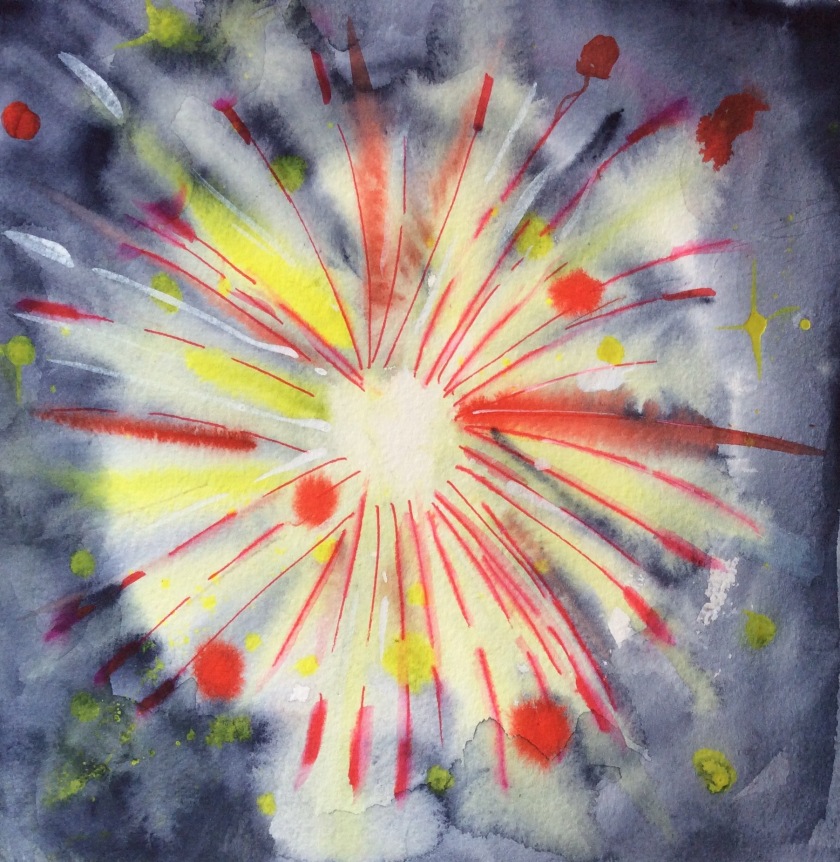
Above is a painting I’m doing for the December ArtDare which is set by RISD professor Clara Lieu at art.prof. The theme is ‘2016’. I’m trying to portray the year as I saw it – troubled and violent, as I said above. Still a work in progress.




 THE MAGUS by John Fowles
 THE TWO FACES OF JANUARY by Patricia Highsmith
 CAPTAIN CORELLI’S MANDOLIN by Louis De Bernieres
 THE ISLAND by Victoria Hislop
 ZORBA THE GREEK by Nikos Kazantzakis
 OFFICERS AND GENTLEMEN by Evelyn Waugh
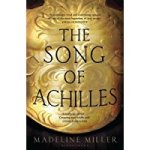 THE SONG OF ACHILLES by Madeline Miller
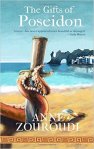 My favourite writer in this genre is Anne Zouroudi who writes stories involving her detective Hermes Dicktoros. What makes these books stand out for me is the way Anne writes about the landscape that is Greece. She has only just published the eighth in the series which I haven’t read so I’ll confine my comments to quoting some of the blurb on Amazon. “The Gifts of Poseidon is a hymn to Greece, to its beauty, its people and its food. Against this delectable back-drop, it is above all a compelling and dramatic story of the extraordinary sacrifices ordinary people will make to protect the ones they love. Anne Zouroudi writes beautifully – her books have all the sparkle and light of the island landscapes in which she sets them… Lovely, delicious prose and plot – as tasty as one of those irresistible honey-soaked Greek confections. Diaktoros is a delight.” (Alexander McCall Smith).