Happy Easter The Chios Way. And Killer Bunnies

Read about a crazy, dangerous Greek Easter tradition on the blog of Nicholas Rossis. I don’t think I’ll be celebrating Easter there any time soon!

Nicholas C. Rossis's avatarNicholas C. Rossis

Vrontado, Chios | From the blog of Nicholas C. Rossis, author of science fiction, the Pearseus epic fantasy series and children's books Resurrection Rocket War on Vrontado, Chios. Image: Atlas Obscura

Today, at midnight, Easter is celebrated by both Orthodox and Catholics. I’ve written in the past about Greek Easter customs, mentioning in passing how, in most places, the celebrations include fireworks.

There is one place, however, that takes this to the next level: Vrontados, on the Greek island of Chios. Here, two rival parishes engage in a most unusual and dangerous Easter tradition that has been taking place quite possibly since the Ottoman era. The churches, Agios Marcos (St. Mark) and Panaghia Ereithiani (Holy Mary on Erythai-the ancient name of Vrontados), sit on opposite hillsides about 400 meters away from one another. Every year, they recreate a yearly “Rocket War”, which is exactly what it sounds like.

According to Atlas Obscura, real cannons were used until 1889 in this annual performance, which no one really seems to…

View original post 292 more words

Easter Lilac

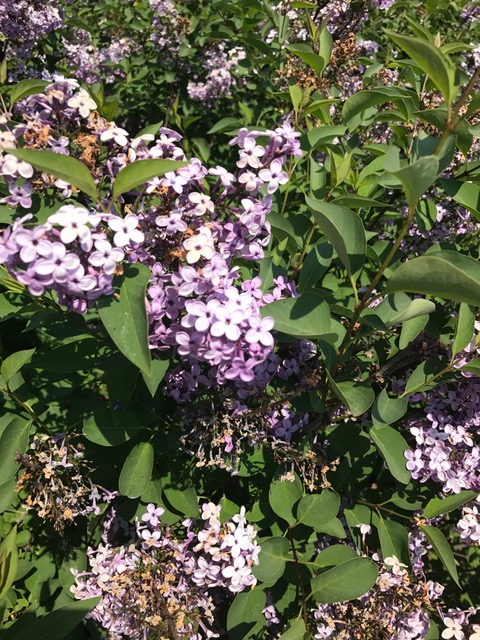
Πασχαλιά (Paschalia) is the Greek name for lilac: the Paschal flower. It always blooms for Easter.


For Greeks, Easter is a more important holiday than Christmas: a time for fasting and feasting. A celebration of spring. Even people who are not religious will go to church at least on Good Friday and then Saturday night for the Resurrection, in order to join in the festivities. Sunday is spent with family and friends, preferably in the countryside, which is covered in wild flowers, with the aroma of roasting lamb wafting about in the breeze.


For those who have not been following this blog for long, last year I wrote a post on Greek Easter traditions which you can read here.


The date upon which Easter falls is calculated according to the moon and the vernal equinox and Greek Easter this year coincides with the other Christian churches – it doesn’t always, since the calculations are based on different calendars (Julian versus Gregorian). So, for all those who celebrate this holiday, whatever their customs and traditions, I wish you a very joyful and happy time!


I couldn’t resist making a quick sketch of the lilac bush in our garden.

Horiatiko Phyllo

Introducing My Kitchen Witch, the blog of Debi, an American based in Athens. Delicious recipes!

Debi @ An Evolving Life's avatarAn Evolving Life

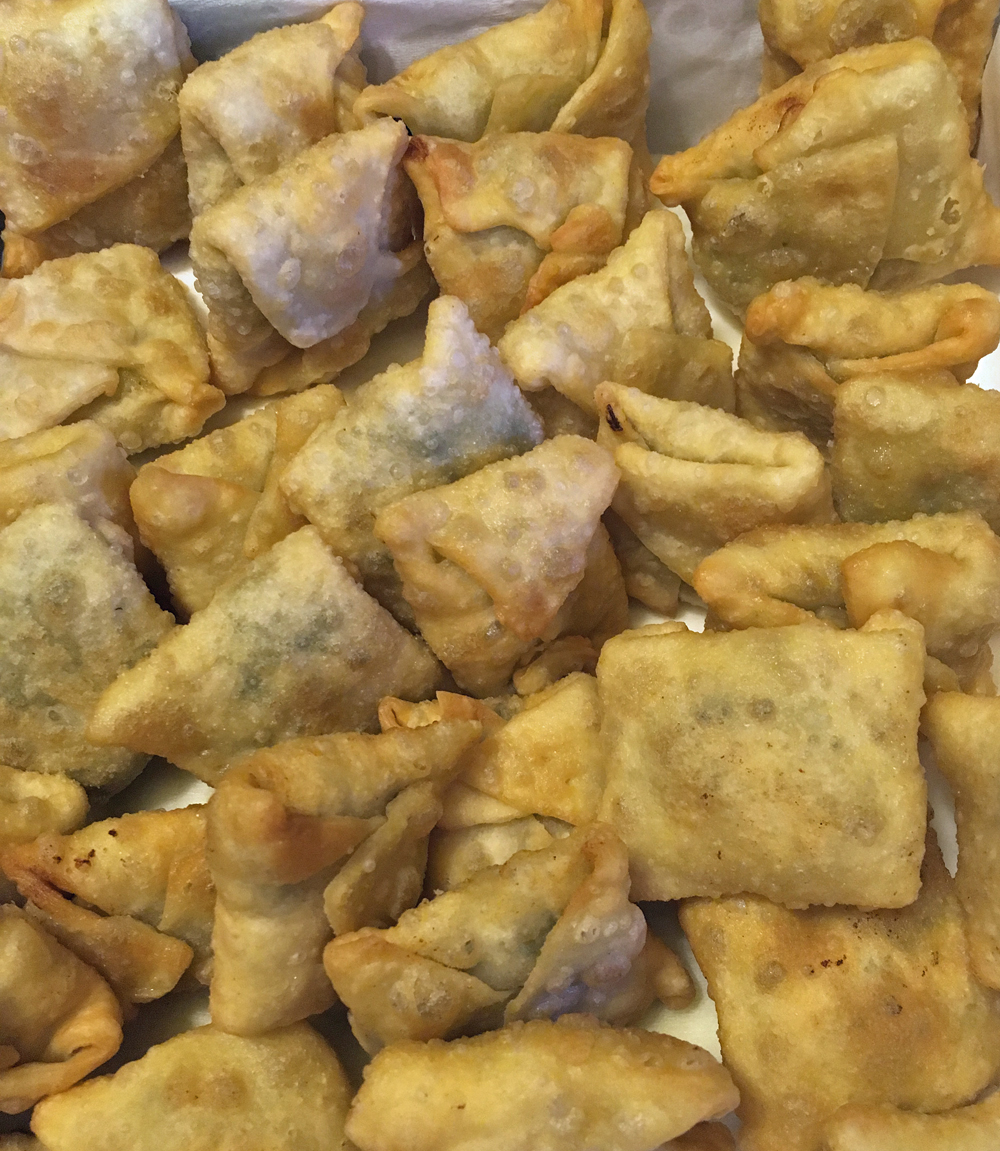
The first element to consider in any Greek pie is the pastry – in this case, homemade phyllo pastry. It is often refered to as horiatiko phyllo, village phyllo, and is generally thicker than the machine-made store bought stuff. Pie fillings vary, but a popular one is based on seasonal greens. Here – as an example – I’ve made little pies (pitakia) with tsigarista, a winter dish of sautéed wild greens. It really doesn’t matter what you fill your little pies with, this post is primarily about the homemade phyllo!

Homemade Phyllo
When making Phyllo for a sweet pie, a teaspoon or two of sugar is added with the flour.

  • 1kg flour
  • pinch salt
  • 30ml red wine vinegar
  • 60ml olive oil
  • Up to 500ml water

Place the flour and salt in a large bowl. Make a well in the centre and add the vinegar and oil…

View original post 258 more words

Skiing with a view of the sea

Did you know it’s possible to ski in Greece? Yes, we are not just about idling on the islands – we have beautiful mountains, too. When I was in high school, a bunch of us used to climb onto the Mountaineers’ Club bus on a Friday afternoon in winter. After five or six hours, including a stop in Volos for bougatsa, a cream-filled pastry, we’d arrive at the parking lot on Mount Pelion. From there it was a mere 25′ walk in the dark along a snowy track, carrying backpack and skis, to the refuge. Us kids would hurry along, so we’d get there first and grab a room with no ‘oldies’ in it. Next morning, we’d ride up on the t-bar and snowplow down the slope in a row, arms linked, in order to ‘groom’ the piste, so proper skiing could commence. Evenings were spent singing along to someone’s guitar and playing board games. There was no way of ringing home – our parents saw us again on Sunday night, when they came to collect us off the bus. I wonder how many parents would be ok with this nowadays?

Now, of course, it’s all properly organized, with chairlifts and snowplows and instructors. And the beauty of it is that in the early spring, with a bit of luck, you can ski and swim on the same day. Ski in the morning on Mount Parnassus, then, when the sun turns the snow to soup, drive down the mountain and go for a swim in Galaxidi bay. The same can be done on Mount Pelion and the Aï-Yannis beach.


Photo from Google


If anyone’s interested in doing that, or even just skiing with a view of the sea, or hiking in the Greek mountains, Christian Mayer, an official at Germany’s Federal Ministry of Finance who spent more than three years based in Athens, has written a book with all the necessary information on how to go about it.

After climbing Mount Ziria one summer in order to escape the Athens heat, Mayer, a skilled skier, got acquainted with Greece’s mountaineering community, making friends with people who had the same interests and exploring the Greek mountains extensively. He kept a journal, and eventually he turned his notes into a book, Ski Touring With Sea View, with beautiful photographs and detailed descriptions of 23 routes on the Greek mountains.


As well as being a great guide for skiing, the book is useful for summer hikes.  It contains practical information about the different locations, such as maps, starting points, mountain refuges or other places to stay, altitudes, potential dangers like a risk of avalanche and necessary attire.  It also seems refuges and tavernas mentioned therein and will give you a 10 percent discount if you have the book with you!
A must for everyone who loves mountains and wants to explore Greece. Amazon link


Christian Mayer in the Greek mountains (source: Kathimerini)

For Sale

In 2008, residential property prices in Greece were through the roof, boosted by the success of the Olympics, and the denial syndrome that made people refuse to acknowledge the approaching crisis. Today, they are down by 42% (-45.3% in real terms). And everybody wants to sell – or rather, needs to sell.
People can’t afford to keep the summer villa on the islands, or the large house in the suburbs which they built with such pride and is now costing them an arm and a leg.

To revive the housing market, the Greek government recently offered residence to non-EU investors purchasing or renting property worth over €250,000. This is known as the “Golden Visa” program and has resulted in a spike in the demand for property by foreigners – especially houses – according to research published  by “spitogatos.gr”,  a website focusing on property investment in Greece. The rise in interest has been particularly evident in January and February 2017 by nationals from Arab states, China, Germany and Turkey.

This might come as a welcome respite for some Greeks; it might also be the perfect opportunity for foreigners to acquire the house of their dreams on a Greek island. And we do want foreigners to keep coming, dont get me wrong – tourism is very important to us. But there is a very dark downside to be considered.


The ancient theatre at Argos

At the same time, the Greek government has been implementing a selling-out of public assets in an unprecedented scale and in ways that are mostly suspect, if not downright illegal.

Ports, airports, huge pieces of public real estate including beaches, land and wetlands, dozens of properties abroad, dozens of listed and non-listed monuments, Olympic facilities, national roads, military installations, natural gas, the defense and oil industries, railways, post offices, and profit-making enterprises – all have been sold, or are for sale.

The European Union has a hand – and, of course, an interest – in this (and some countries more than others!) Reading articles about it makes my head ache – the politics and shenanigans involved are surreal. The complications and different opinions are impossible to unravel.


Loutsa beach near Athens

History repeats itself – we are a small country coveted by many, because of our climate, natural beauty and geographical position. We are preyed upon, while being in some way complicit in our own destruction.

In twenty years, will Greece still belong to the Greeks? Or will we be the servants of higher powers, in a country where others live in our houses and profit from our natural wealth? Thinking about it makes me scared, and sad.


Haute Couture on the Acropolis

January 2017: The Central Archaeological Council (KAS) has turned down a request from Gucci to hold a fashion show in front of the Parthenon, the most famous monument of the Acropolis of Athens.

Gucci’s proposal for the fashion show included the setting up of a runway in front of the Parthenon, on the “Sacred Way”; seats for an audience of 300 selected guests, among them Hollywood stars and fashion editors; a huge tent next to Erechtheion for the models to change clothes and have their hair and make-up done and a place available for a music accompaniment.

However, and despite the fact that Gucci was prepared to pay a sum rumored to be around $2 million, the Directorate for Antiquities that oversees the archaeological site of the Acropolis was reluctant about the idea from the very first moment, and KAS unanimously voted against it. They announced that: “The particular cultural character of the Acropolis monuments is inconsistent with this event, as these are unique monuments, world heritage symbols and Unesco World Heritage sites.” KAS also pointed out that, according to the law, the Parthenon is not a leasable asset.

I do agree, although perhaps KAS could have done with the cash, but I was amused to see the following picture in the paper today:


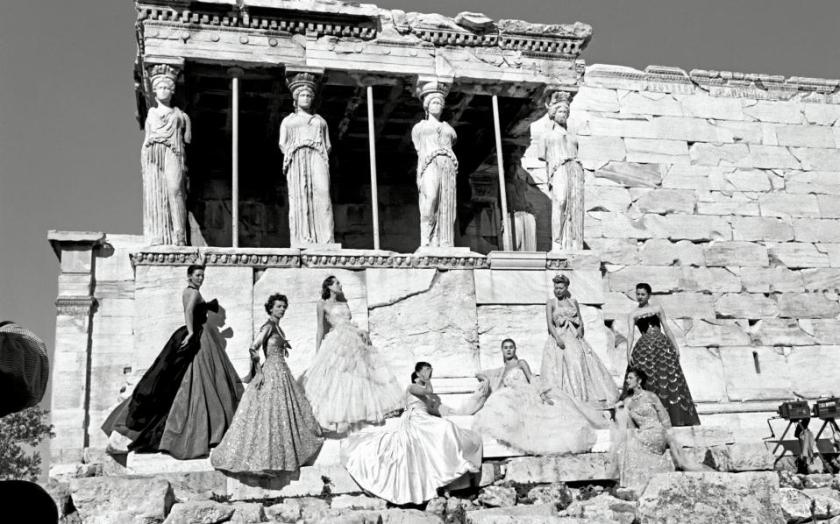
Photo by Jean-Pierre Pedrazzini (source: Kathimerini)


December 1951: Eight models in Christian Dior evening gowns photographed before the Erechtheion Temple of the Acropolis of Athens by Jean-Pierre Pedrazzini for French magazine Paris Match. A moment when fashion climbed upon the sacred rock, at a nostalgic time when Greece, emerging from war and struggle, was ready to forge its way forwards. A very different time from now.

SNFCC’s handover and believing in Greek culture during the crisis

For everyone who is interested in the fate of the new park and cultural center in Athens that I wrote about in my post ‘A walk in the park’, it has been handed over, as planned, to the Greek state, in a ceremony described in the blog Art Scene Athens. Let’s all keep our fingers crossed about its fate.

art scene athens's avatarart scene athens

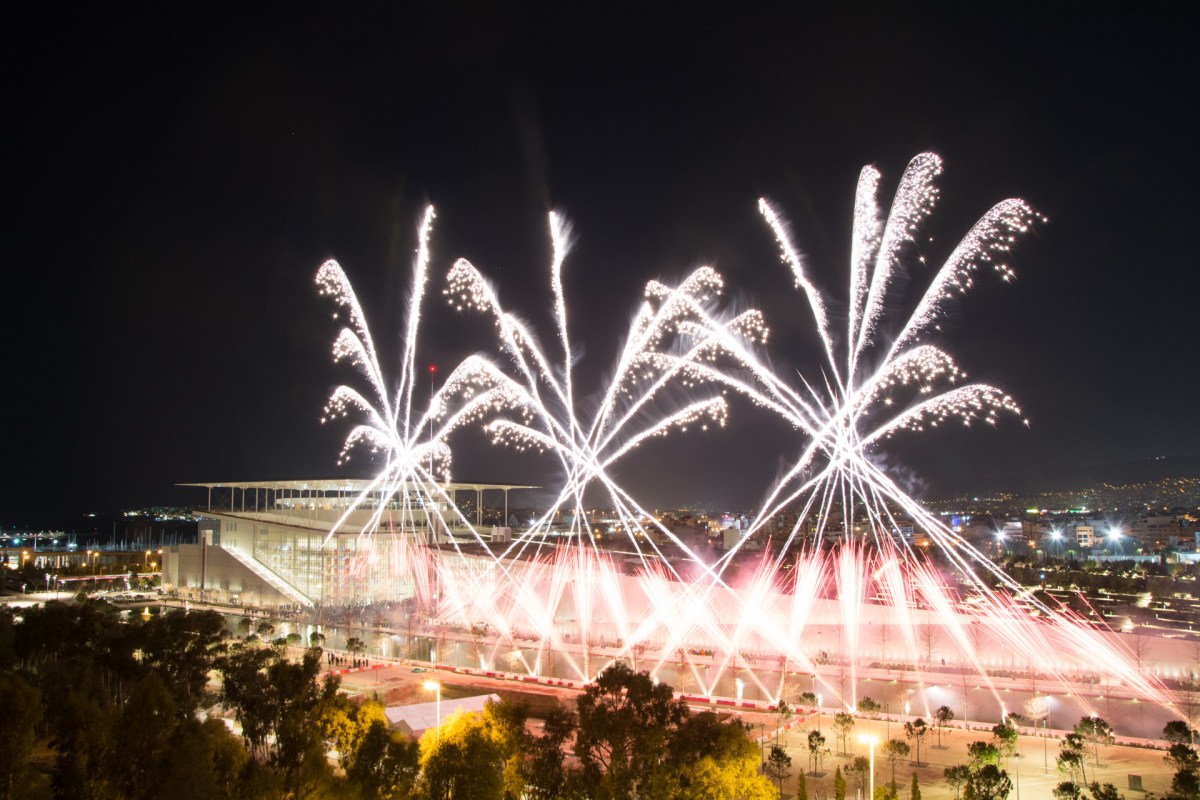
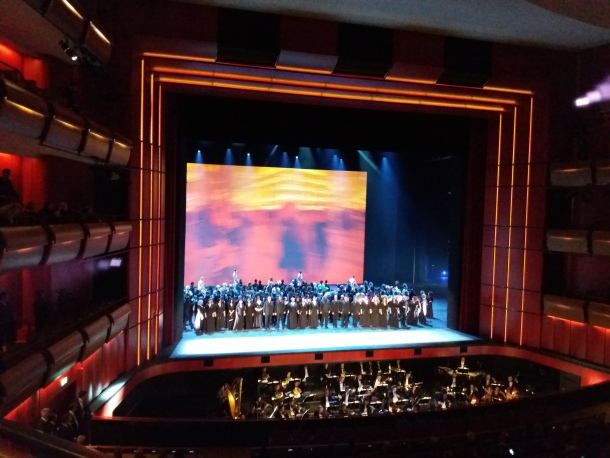
THE STAVROS Niarchos Foundation Cultural Centre (SNFCC), has witnessed around 25,000 visitors per week since August. On February 23, the 620 million euro centre which was solely funded by the Stavros Niarchos Foundation (SNF), was officially handed over to the Greek state. The SNFCC is the new home of the Greek National Opera (GNO) and the Greek National Library (GNL) and also boasts a fantastic park land, used for open air concerts, comprising sports facilities and more. The signing ceremony included speeches by Prime Minister Alexis Tsipras, President of the Hellenic Republic Prokopis Pavlopoulos and SNF Co-President and Director Andreas Dracopoulos. A spectacular performance with artists from various fields followed, the highlight of which was world-renowned soprano Sumi Jo’s performance of the aria ‘Casta Diva’ from Bellini’s ‘Norma’; An apt choice, considering that another famous interpretation of this aria was rendered by the great Greek diva of opera, Maria Callas.

20170223_195450

President…

View original post 882 more words

Kites and art

In Greece, this is the last weekend of Carnival, and little kids are roaming the streets dressed in those ghastly plastic Superman costumes with fake abs. This year, trending among little girls is ‘Policewoman’, complete with holster and gun (I found this vaguely disconcerting), closely followed by ‘Pocahontas’ and ‘Skeleton’.
The end of Carnival heralds Clean Monday, a day of flying kites and feasting on delicious seafood and other delicacies to mark the beginning of Lent. For those of you who missed it, I wrote about this holiday last year, and you can read the post here.


img_4553


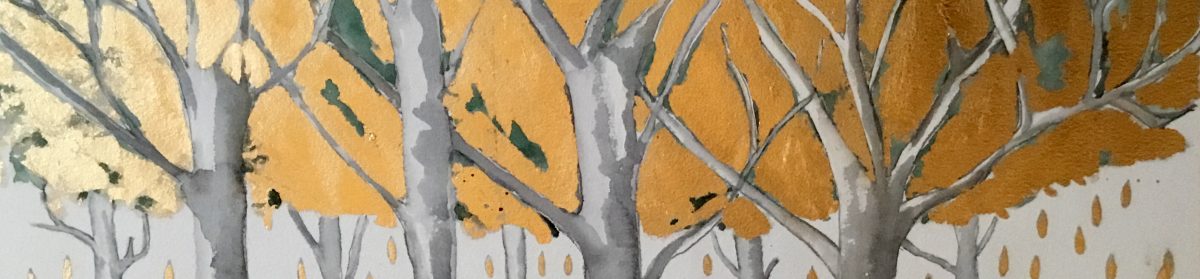
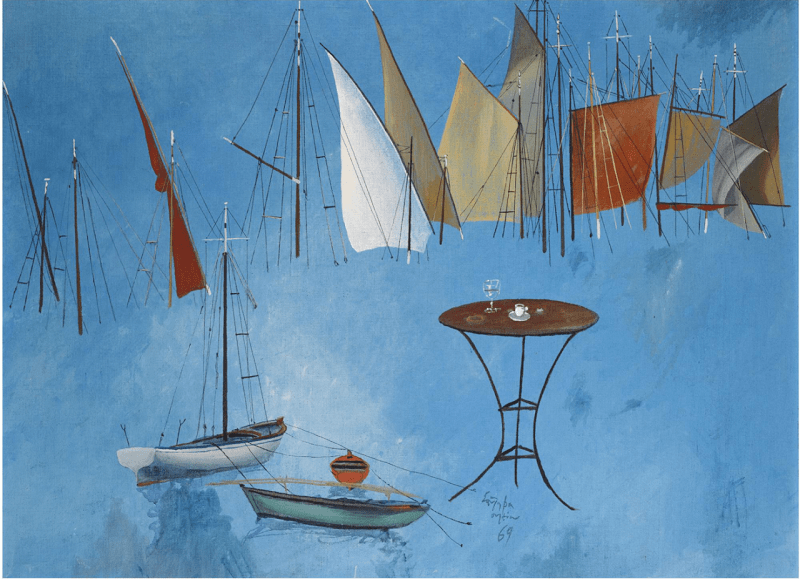
Since I’ve been on a roll regarding Greek artists, I realized that the iconic images about Clean Monday and other holidays are often by Spyros Vassiliou ( Σπύρος Βασιλείου; 1903-1985), a Greek painter, printmaker, illustrator, and stage designer.

Vassiliou painted the objects that define special moments: the May wreath, the little table by the sea with its glasses of ouzo and plate of olives. And landscapes with fishing boats, and little white chapels, and the blue of the sky and sea.


img_4555


The townsmen of Galaxidi, where Vassiliou was born, collected money to send him to Athens in 1921, to study at the Athens School of Fine Arts under the famous painter Nikolaos Lytras.

Vassiliou started becoming recognized for his work in the 1930s, when he received the Benaki Prize from the Athens Academy. The recipient of a Guggenheim Prize for Greece (in 1960), his works have been exhibited in galleries throughout Europe, in the United States and in Canada.


img_4560


Spyros Vassiliou became recognized as a painter of the transformation of the modern urban environment, depicting with an unwavering eye the sprawl of urban development that surrounded his home in Athens, under the walls of the Parthenon. He combined monochrome backgrounds with the unorthodox positioning of objects, and paid homage to the Byzantine icon by floating symbols of everyday Greek life on washes of gold or sea-blue color, very much like the religious symbols that float on gold in religious art.

For many years, Vassiliou taught theatre, and designed sets and costumes for the stage. He also worked in film. During the years of the German occupation of Greece (1941-1945), when painting supplies were scarce, Vassiliou turned to engraving and woodcuts.


img_4559


I once visited Vassiliou in his studio, for a ‘lesson’; this was organized by a well-meaning friend of my parents who knew I loved to paint. Vassiliou was a tiny, rotund old man, and I was a hulking, awkward teenager who literally towered over him. He let me paint on one of his monochrome backgrounds – I had never painted in oils and produced an indifferent fish – but, although he was very amiable, I was too shy to pick his brains or even snoop around amongst his canvases and we did not establish a rapport. But he did ask me to visit a theatre where he was making the scenery for a play, and I have fond memories of both occasions.  I still have that small canvas with a boring fish on it somewhere.


img_4562

In dialogue with Zoi Pappa: ‘Artwork is an idea, a feeling, a knowledge’

After my last post on ‘classic’ Greek artists Tsarouchis and Bokoros, here is a young, cutting-edge artist, Zoi Pappa, whom I discovered just now on the blog Art Scene Athens. I encourage those of you interested in art to browse through this blog, it has lovely articles including, lately, on Kounelis and Mytaras, two major Greek artists.

art scene athens's avatarart scene athens

zoipappaportrait

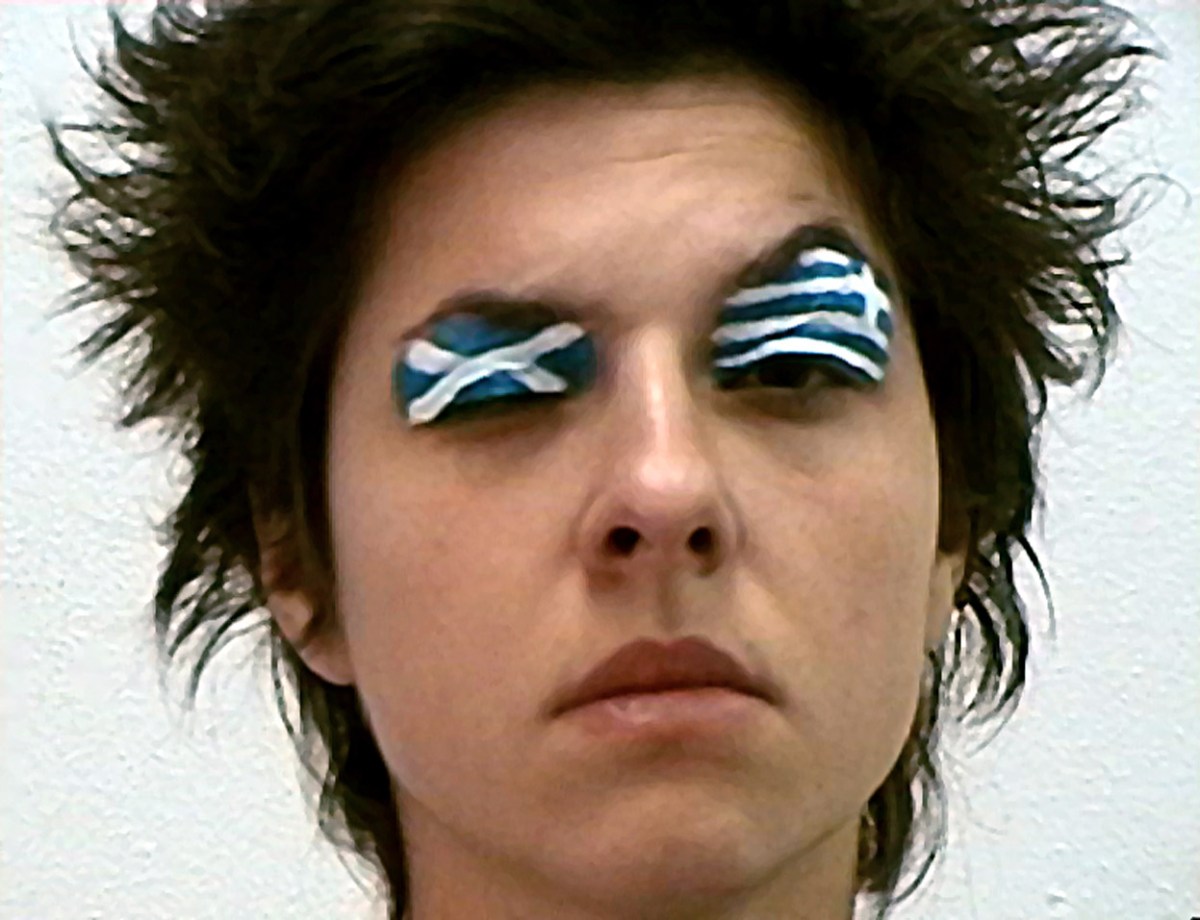
ZOI PAPPA has achieved what many young Greek artists are striving for these days: the growing appreciation and successful exhibiting of her work abroad. She just found out that she will be participating in the Arte Art Prize Laguna, taking place at the Arsenale of Venice (March 25 to April 9), about a month before the 57th Venice Biennale kicks off. A good time to be in Venice! Pappa’s Duchampian spirit also led her last year to be selected for the show ‘Bicycle Wheels – Homage to Duchamp’, in Italy’s Ortigia. Furthermore, this artist (whose work also features in the ‘Saatchi art’ online gallery), is a winner of international art prizes, a curator of controversial shows, and an artist with a dual identity. She is also an art teacher, and a mum.

In recent years, Pappa has managed to spread her wings and to exhibit her works in exciting shows…

View original post 4,969 more words