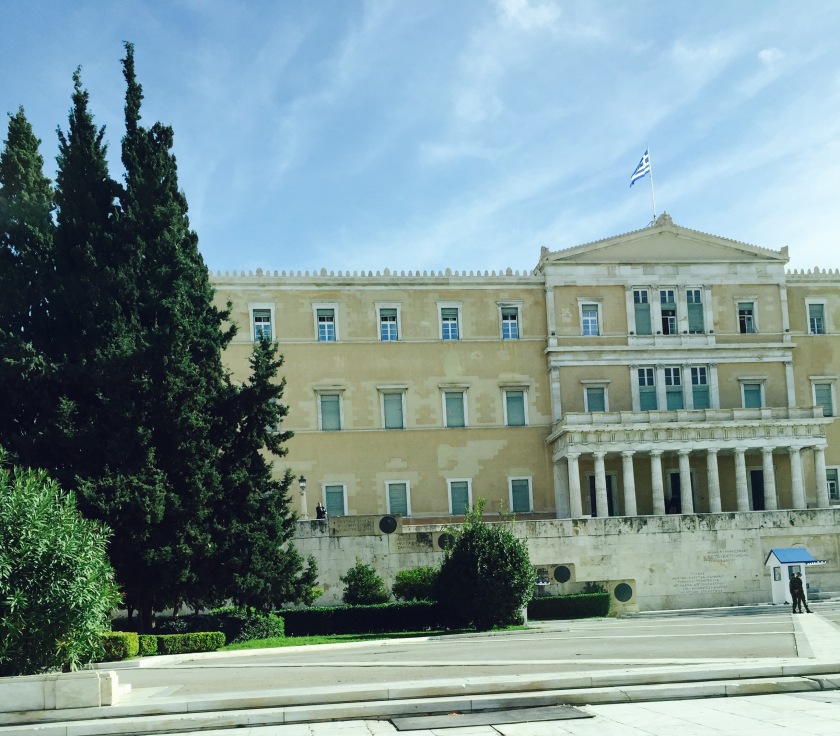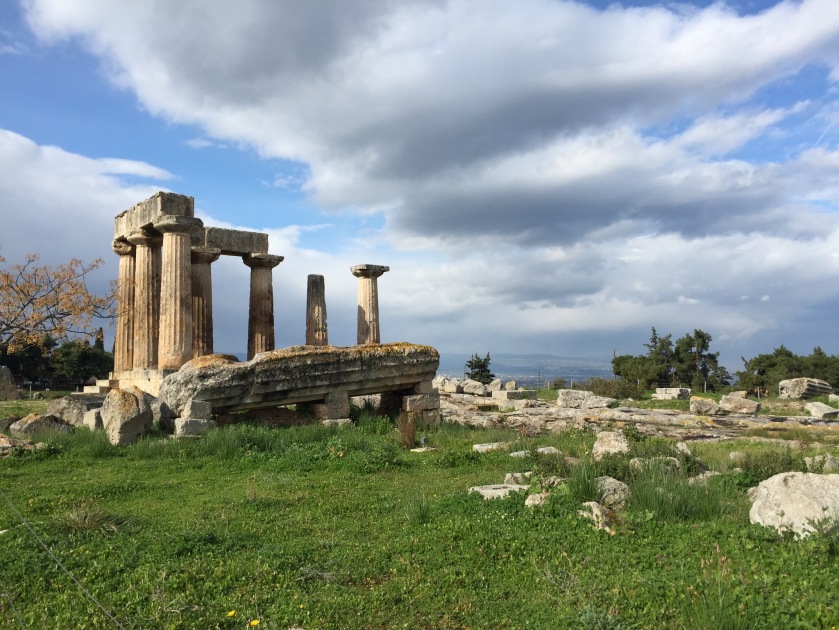
City break: Athens in the winter

Most people think of Greece as a summer destination. The sea, the islands, guaranteed sunshine. But in the summer one is too hot and lazy to do much. You get into a routine of late breakfast, swim, lunch, siesta, swim, dinner. You can’t be bothered to move.

image


In the winter, you still get plenty of sunny days. Athens is a lively, bustling city, and it is easily accessible from most European countries. So, if you have a free weekend, book a flight.


There are plenty of things to do, even if the weather is bad (we do have a winter, and you might just be unlucky). Here are some ideas:


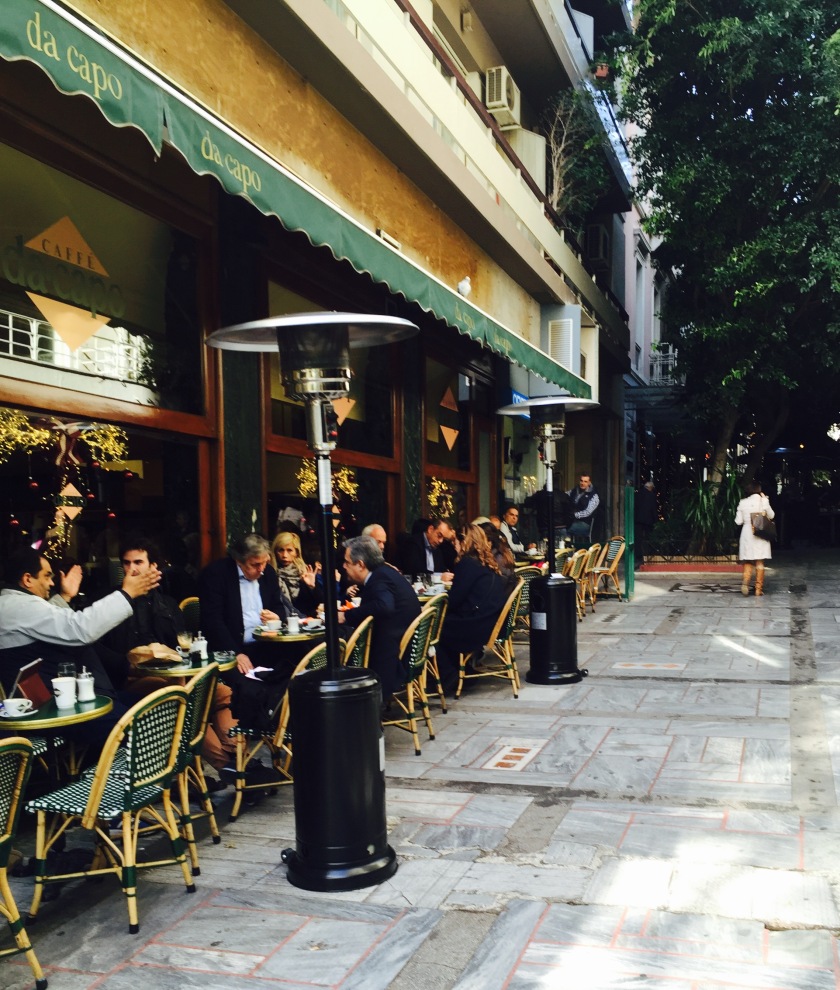
Walk in the streets. Window shop, sit in cafés and people watch, sample street food. Plaka, the old town beneath the Acropolis, is stunning. Wander around the stalls in Monastiraki market.
image

Visit. The Parthenon and the Acropolis Museum should be on everyone’s bucket list. But the city is full of antiquities, beautiful museums, Byzantine churches and art galleries.
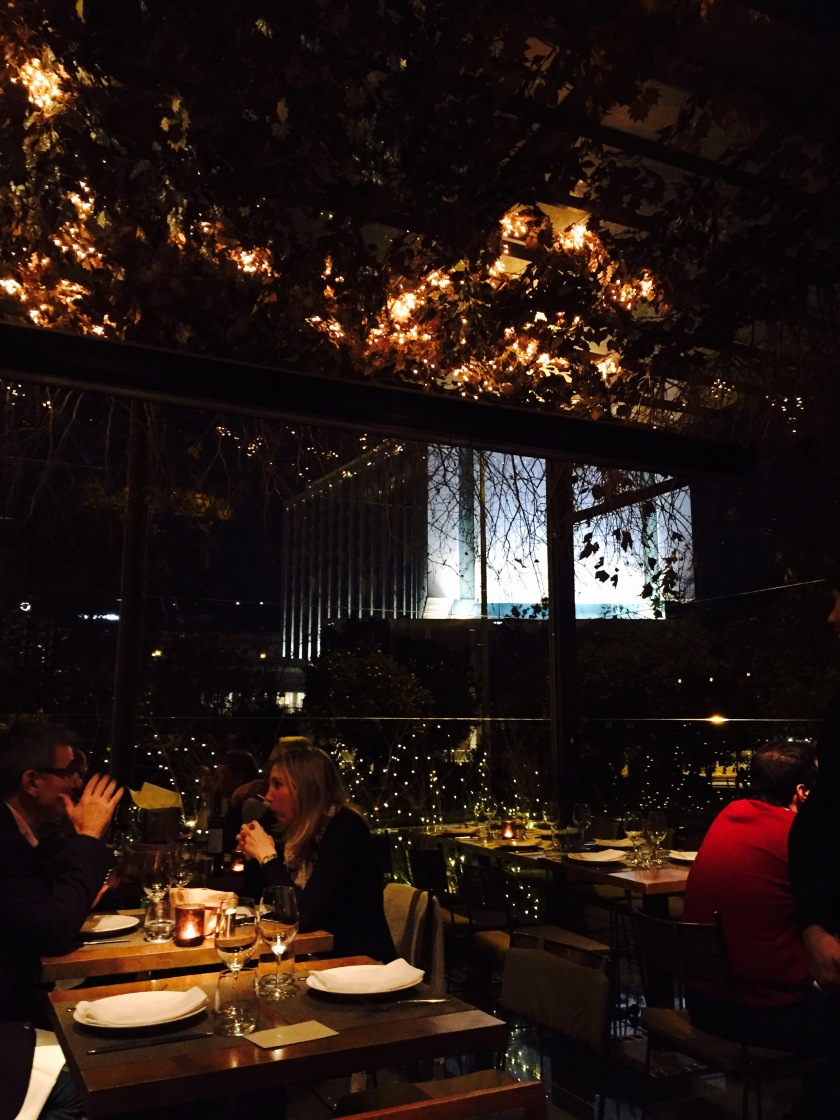
Eat. There’s something for every taste, from luxurious gourmet restaurants to neighborhood tavernas. Great fish, in many places with a view of the sea. And ethnic: sushi, Chinese, Thai, Indian, Mexican…
image

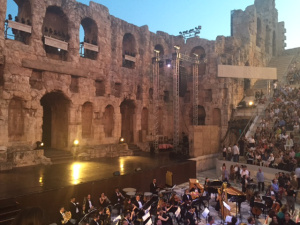
Take in a show. Films are not dubbed in Greece, and sometimes there are plays in English. Concerts, classical music, jazz, rock… Dance, classical and modern.

Athens is famous for its nightlife. Bars, discos, Greek bouzouki music.
image


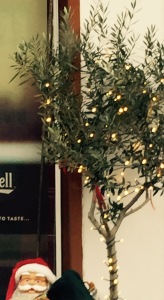
If you like sports, you can indulge: Sailing, windsurf, golf courses. A lot of people don’t know this, but you can ski on Parnassos, two hours out of Athens. The trails are not huge, and on the weekend there are queues, but if you go midweek on a sunny day, it’s brilliant. The mountain is beautiful, the ski instructors are great. You can ski until two, then go down the mountain and have a late lunch in Arachova. Or you can stay in Arachova and visit the temple of Apollo at Delphi the next day. In the spring, you can ski in the morning, then drive down the mountain and through a lovely olive grove to swim in Galaxidi.


image

If you can stay more than a few days:

Rent a car and get out of town (or join a bus tour) for a day trip or overnight stay. The are so many stunning places to visit: Delphi, the Metéora, Nafplion, Korinth, Epidaurus, Olympia.
On a sunny day you can take a day trip to one of the nearby islands. Within an hour or two, you’re in another world. The islands are different in the winter, green and covered in wild flowers. It’s calm, the locals go about their business. At lunch in one of the tavernas, you’re likely to come upon the local policeman eating with the village priest. The owner’s kids will run in after school, and sit at a nearby table to have their lunch and then do their homework. The pace of life is slow and relaxing.

So, take a look at the weather report, and book a flight!

From Greece –Guest Author — M.L. Kappa

Charles Roger Clanton kindly invited me to write a post for his blog. Do wander over to read his “Reflections based on poetry, music, visual art, book reviews, history of science, first-person history and philosophical essays”. There is something there for everyone!

clanton1934's avatarCharles Clanton Rogers

image1

international Blogging Guest – M.L. Kappa 

Greece #1

Summer Festivals

How many people associate a visit to Greece with going to the theatre? It would be interesting to know. But, time it right, and your trip could afford an unforgettable experience. Imagine sitting in the same place as a Greek or Roman did thousands of years ago, to watch a play under a starlit sky – although in those days, plays were held mostly during the day to take advantage of natural light. Some of Greece’s ancient theatres are still used for selected performances every summer. Obviously a lot of those are plays by Aristophanes, Sophocles or Aeschylus, and would be incomprehensible unless you speak Greek. However, a wide variety of high quality shows are put on every July and August during the Summer Festivals.

self portrait

Author’s “self portrait” M.L. Kappa

Many important theatres were built by the Greeks, in Thoricos and Corinth…

View original post 678 more words

Autumn’s bounty

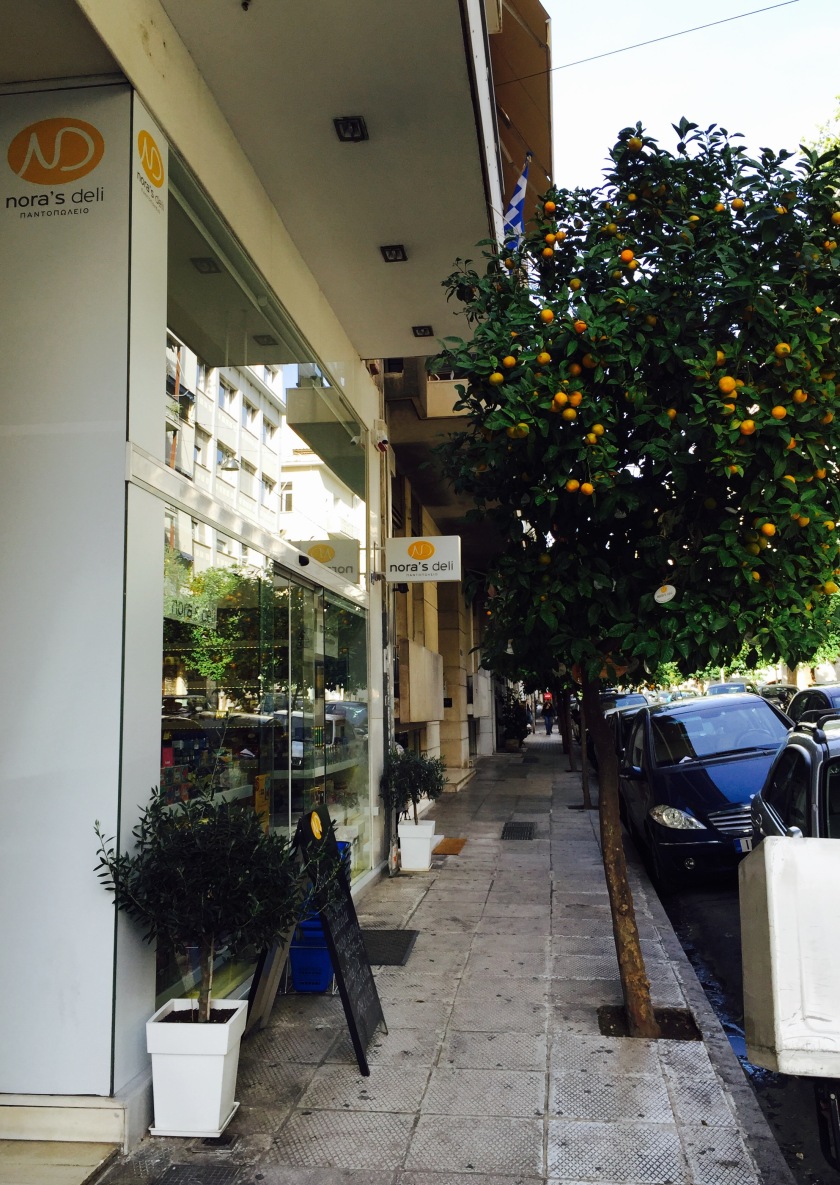
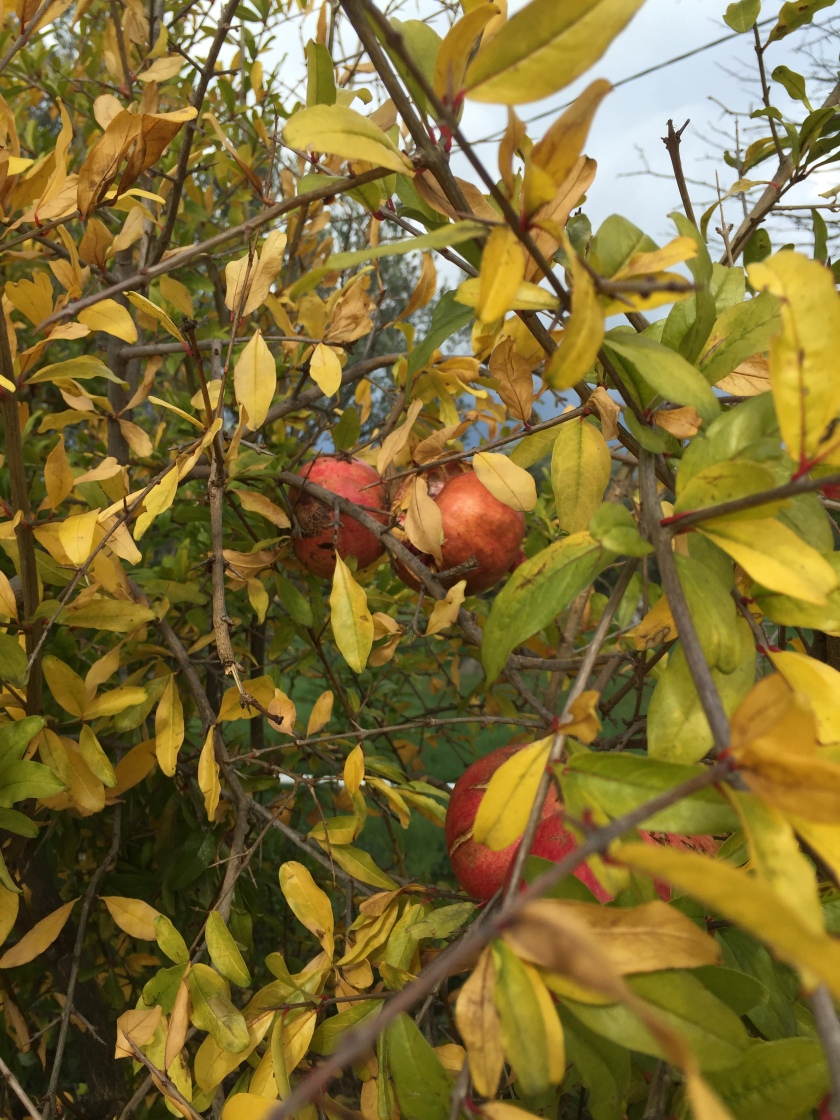
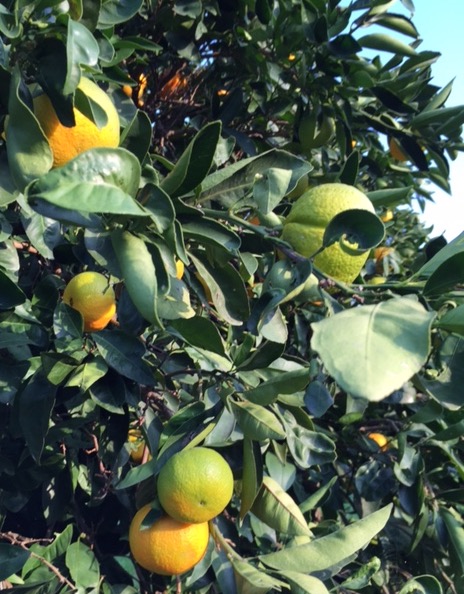
While the last of the pomegranates are splitting on branches now covered in bright yellow leaves, the oranges are ripening.

image

image


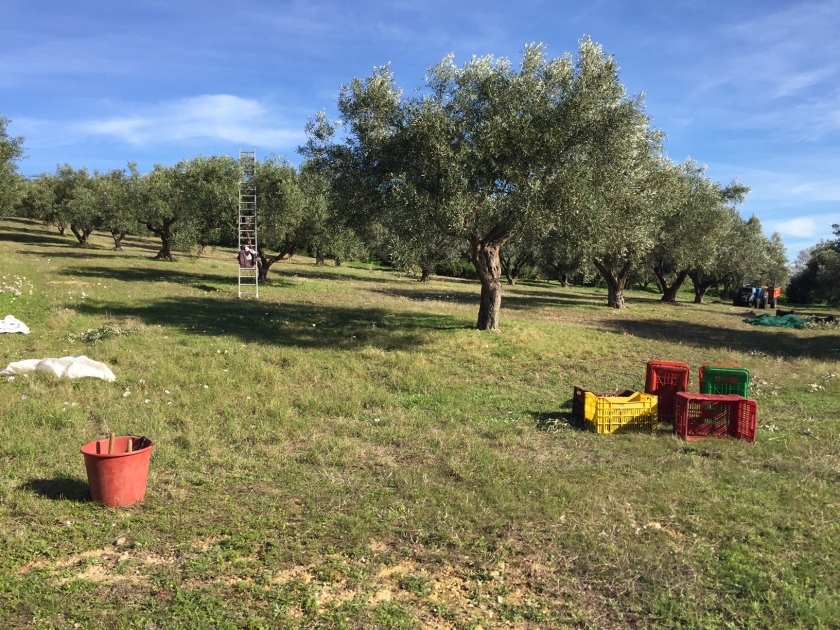
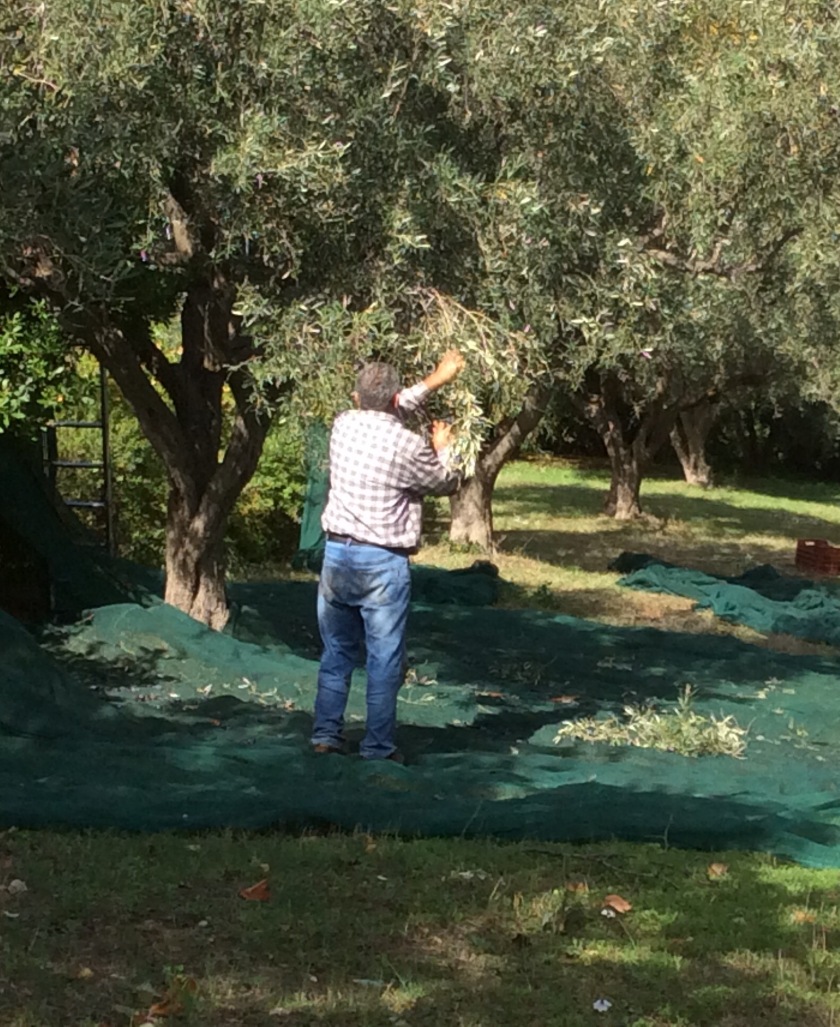
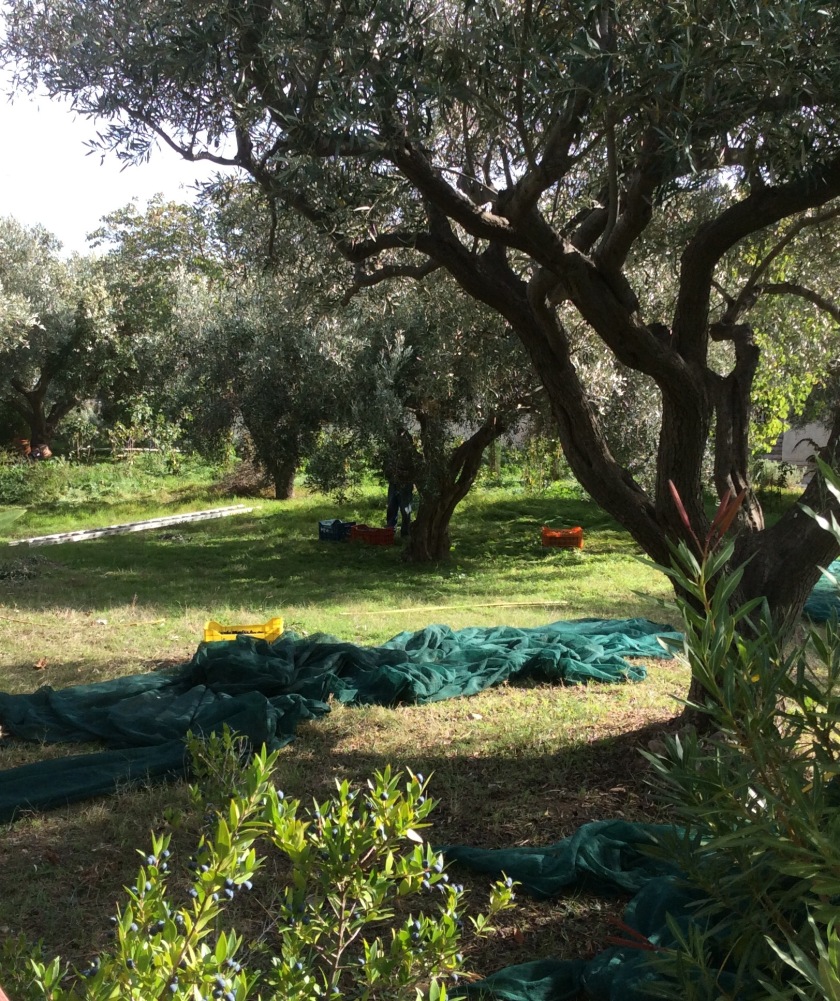
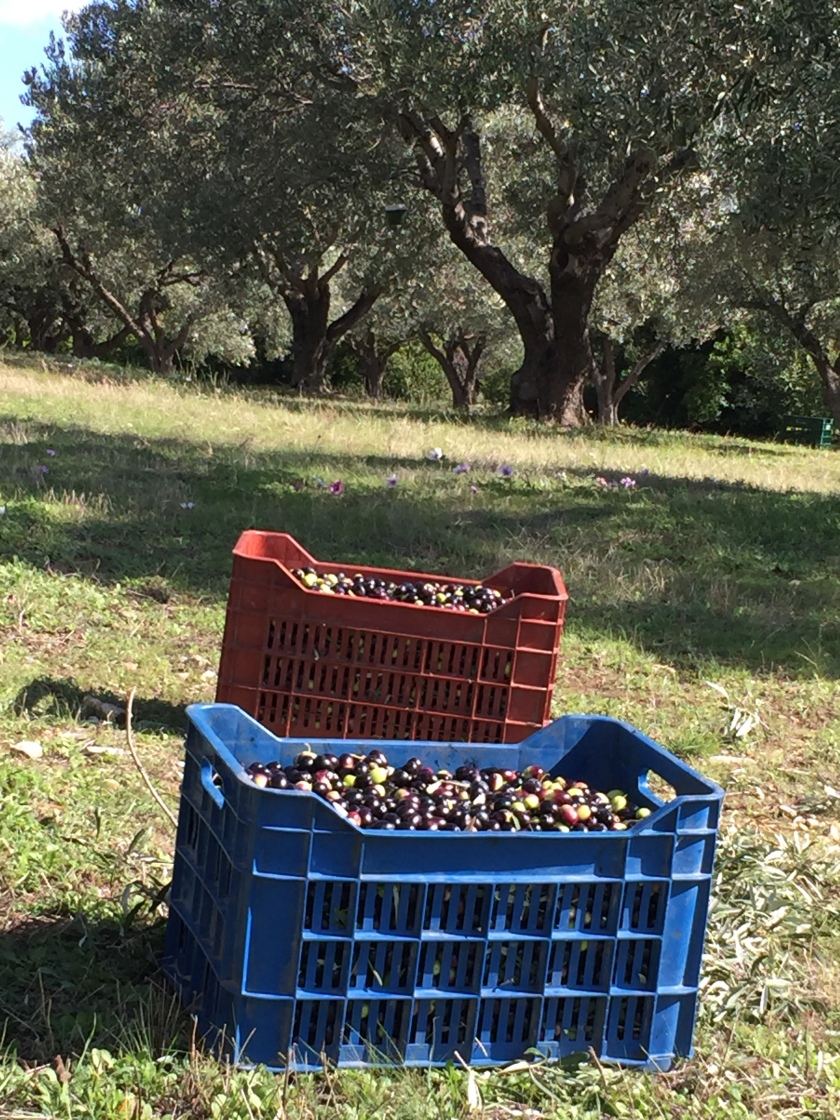
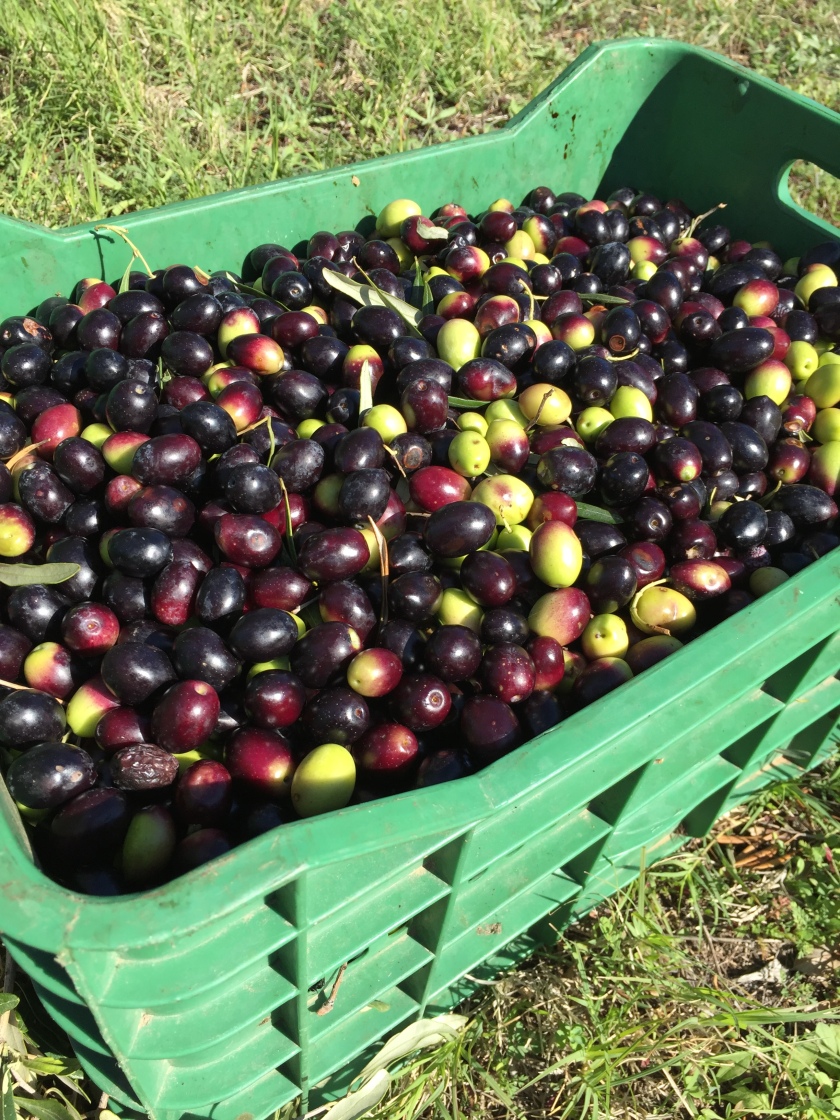
It’s olive picking time.
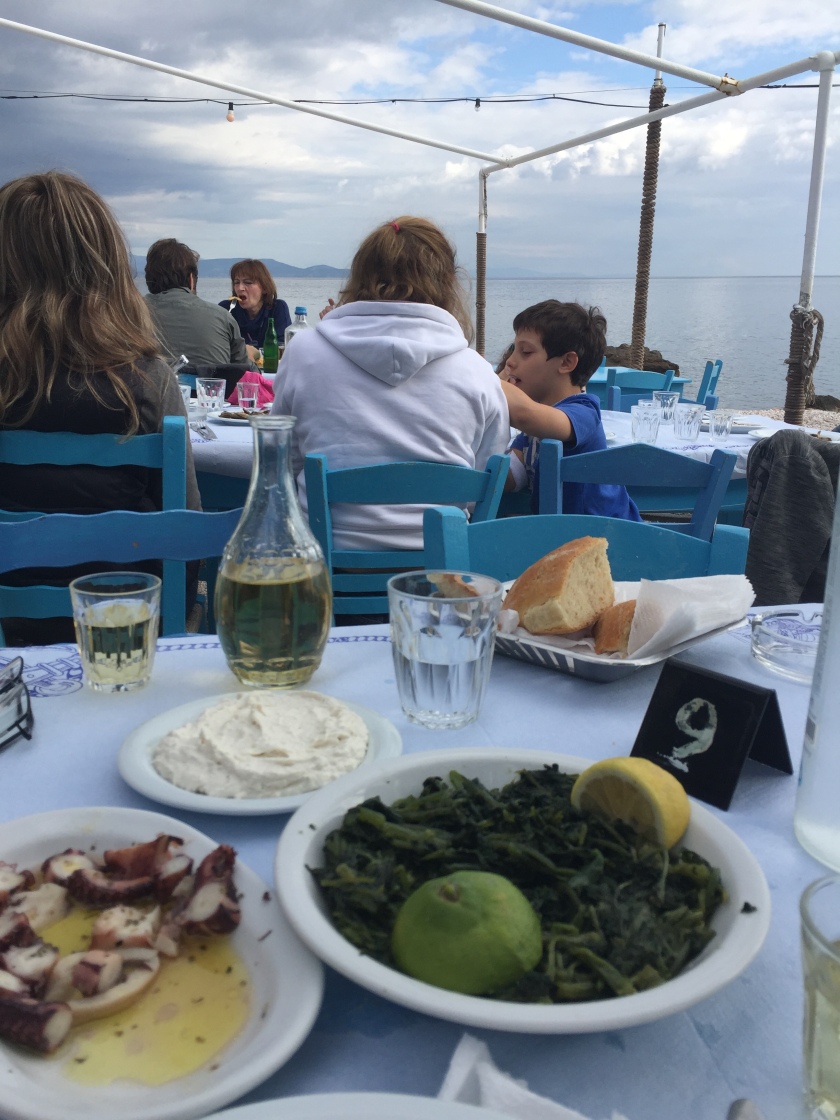
Soon the newly processed oil will be on our tables, and what better way to appreciate its aromatic flavor than as a dip for fresh, crusty bread. Bread and oil, with maybe an onion added – the poor (Greek) man’s caviar!

image

image
imageimageimage

The cyclamen have been replaced by pale blue crocuses and tiny green orchids, as well as the first anemones, fooled into flower by the unseasonably warm weather.

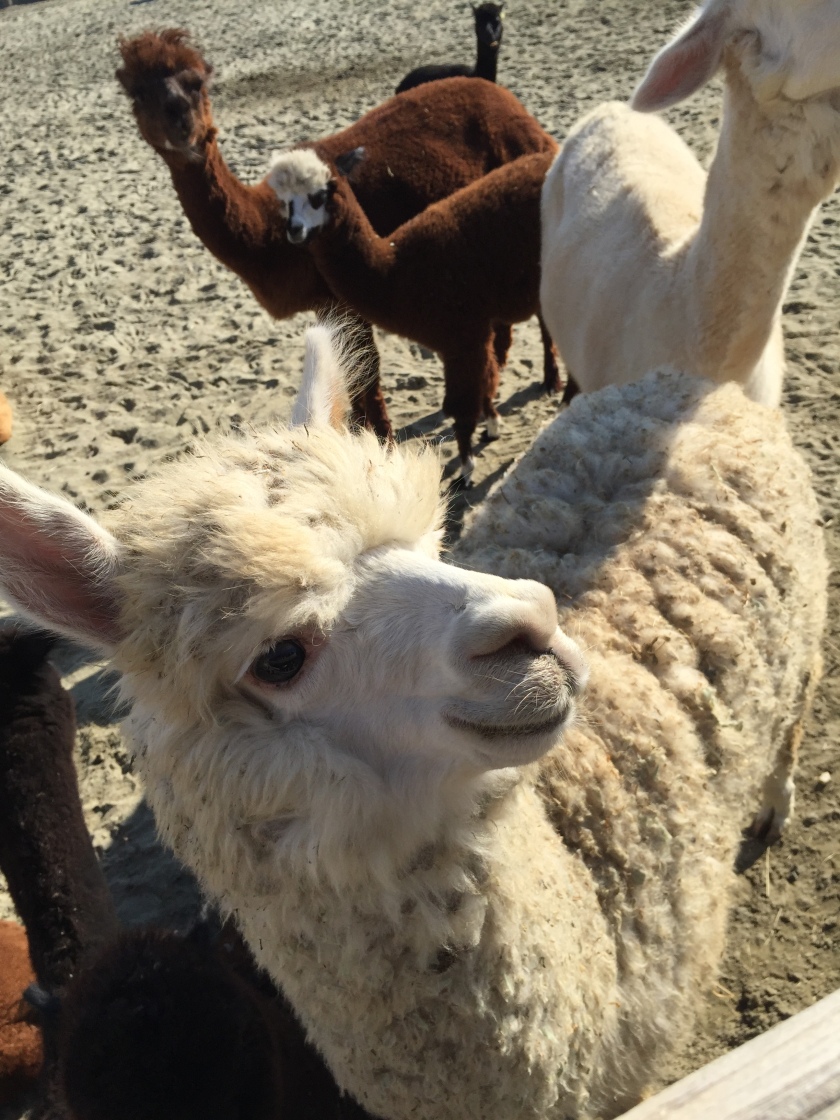
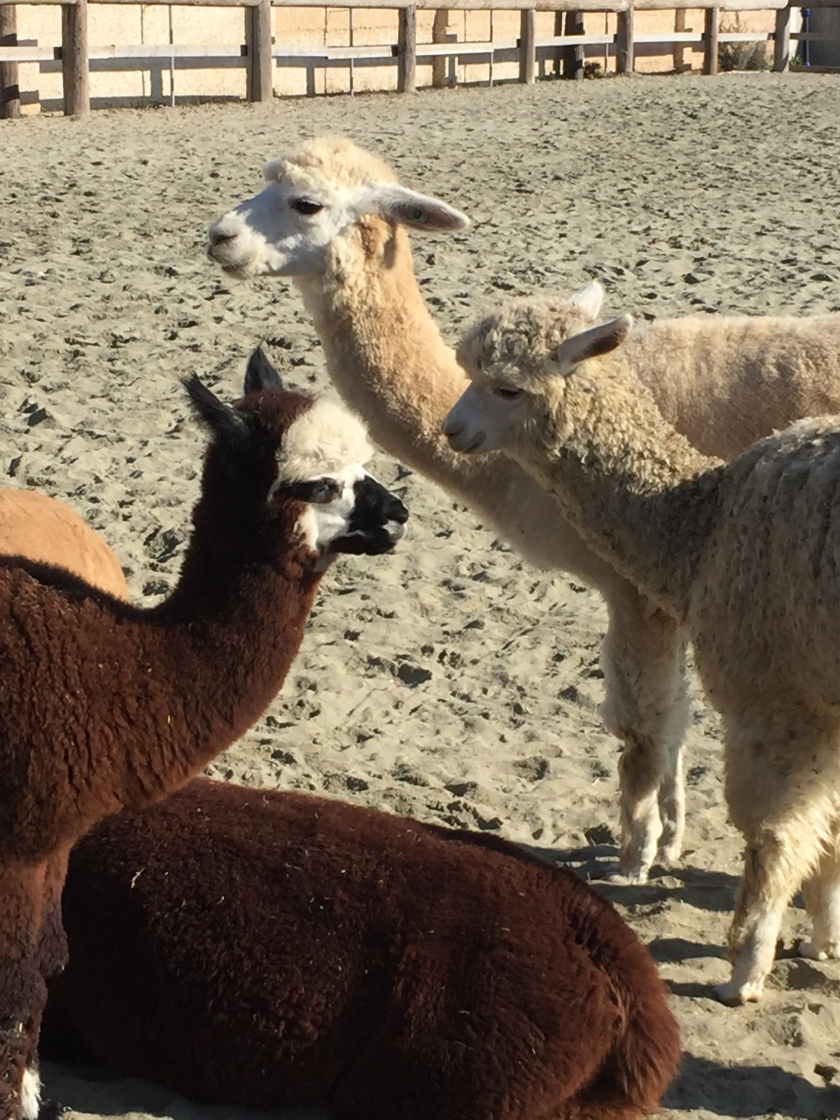
We took advantage of this to visit the Haris Estate where, amongst other cute creatures like bantam hens and miniature ponies, they keep alpacas – yes, alpacas in Attica! They hang about, looking woolly and making a high-pitched ‘mmmmmmmm’ sound – really too adorable! I want some!
image image


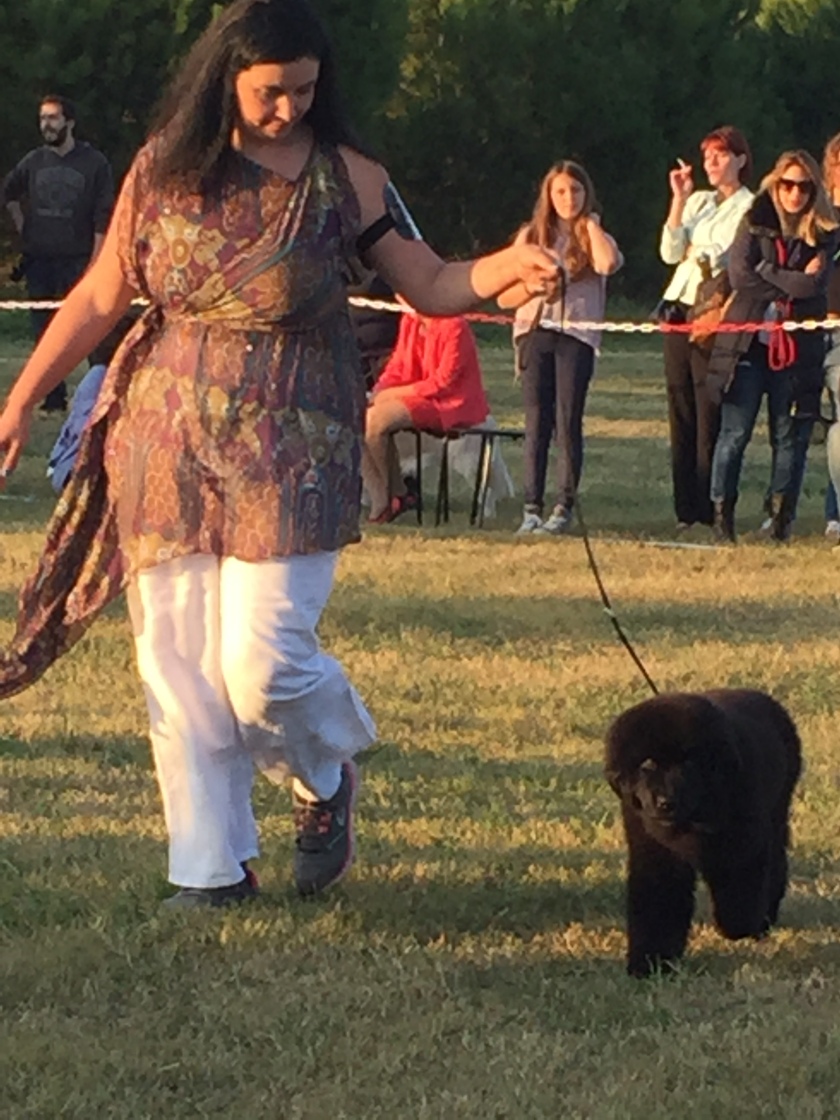
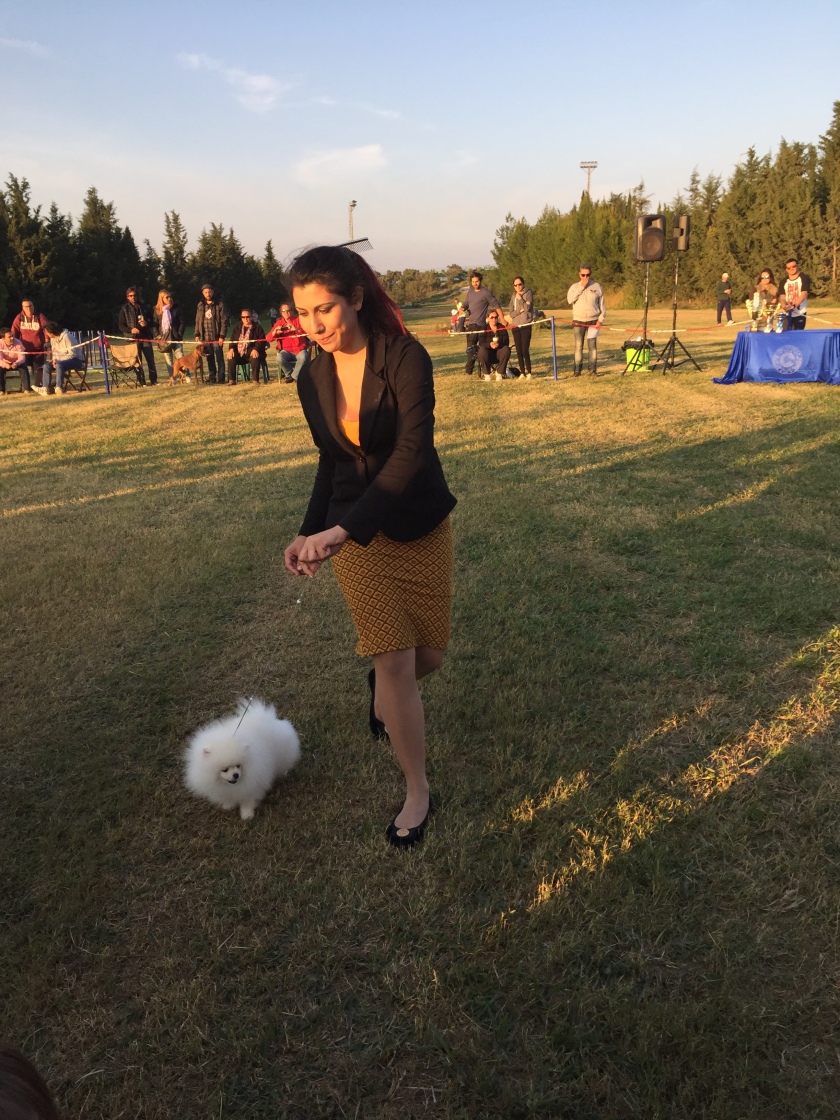
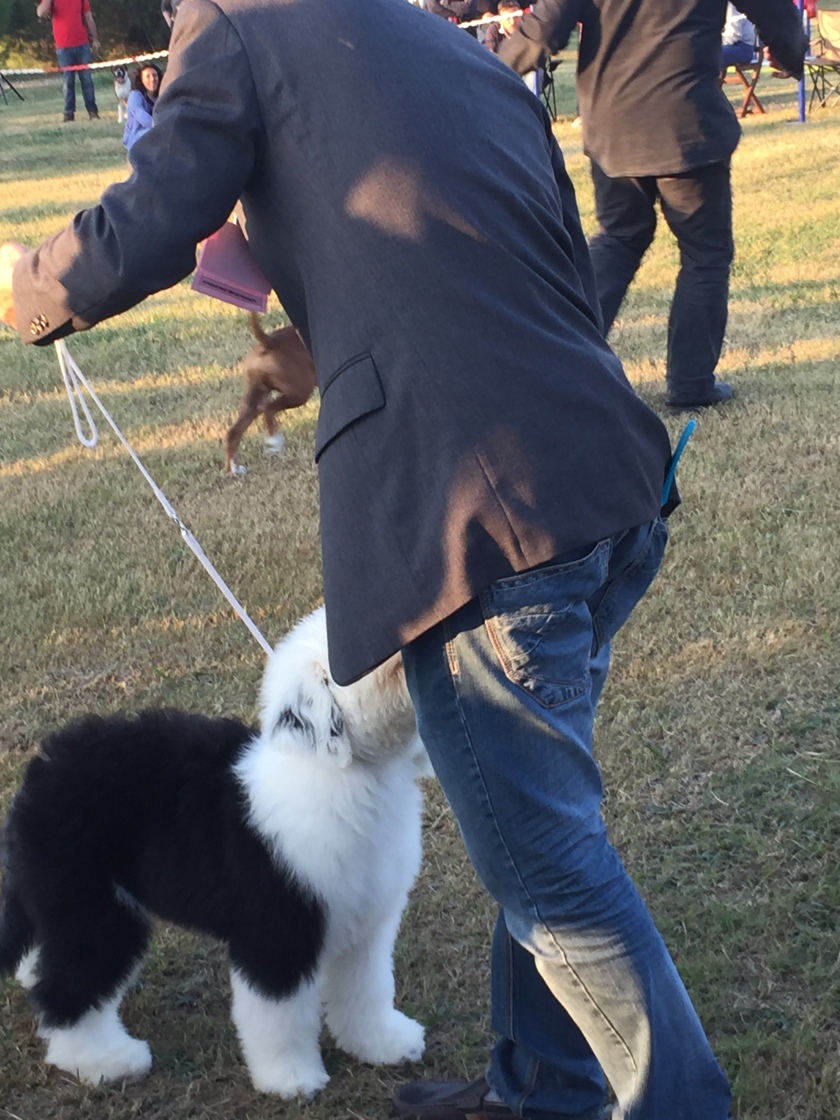
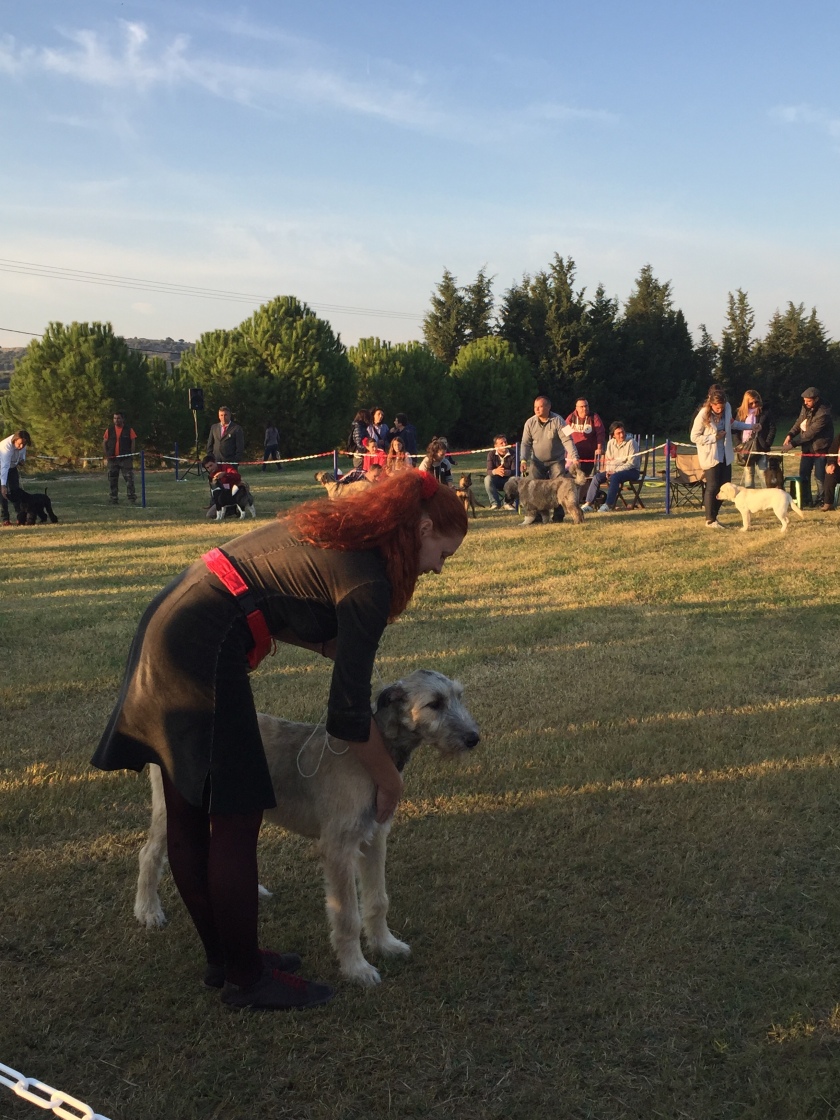
We also went to a dog show where a friend was exhibiting her champion ridgebacks. There was the usual hilarious array of enthusiasts with their pooches, from a huge white Pyrenean mountain dog to the tiniest, fluffiest, pristine Pomeranian. The dogs were all beautiful (otherwise they wouldn’t be there, I guess), there were lots of kids milling around, music, souvlaki at the canteen. Everyone was enjoying themselves.

image

imageimageimage


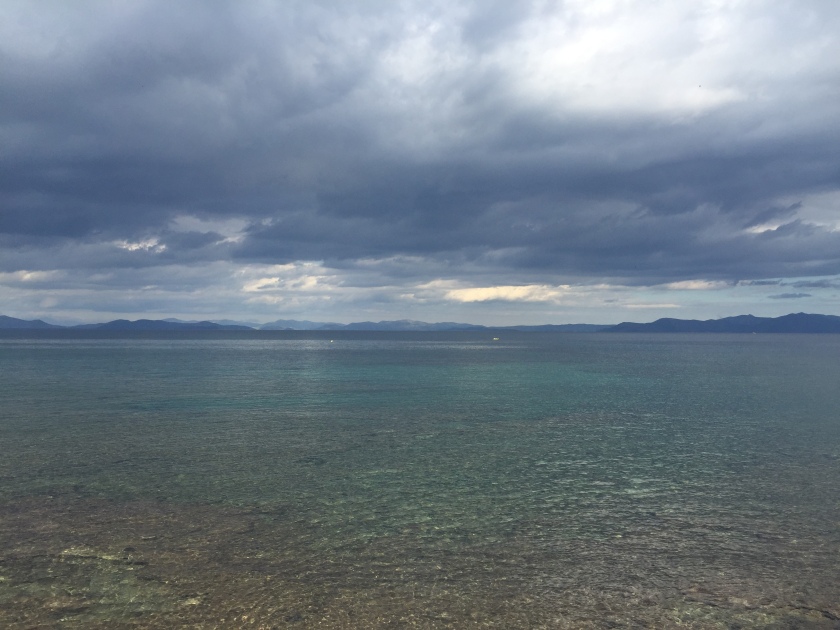
It’s still been warm enough to have lunch by the sea – outdoors! Note the kid in a t-shirt. As we ate, someone on a paddle board went by. No wind, so no windsurfers today – but quite a few swimmers. The sea is still warm, warmer than it will be in early June.

image


imageAs we head into winter, it’s good to make the most of this beautiful weather.
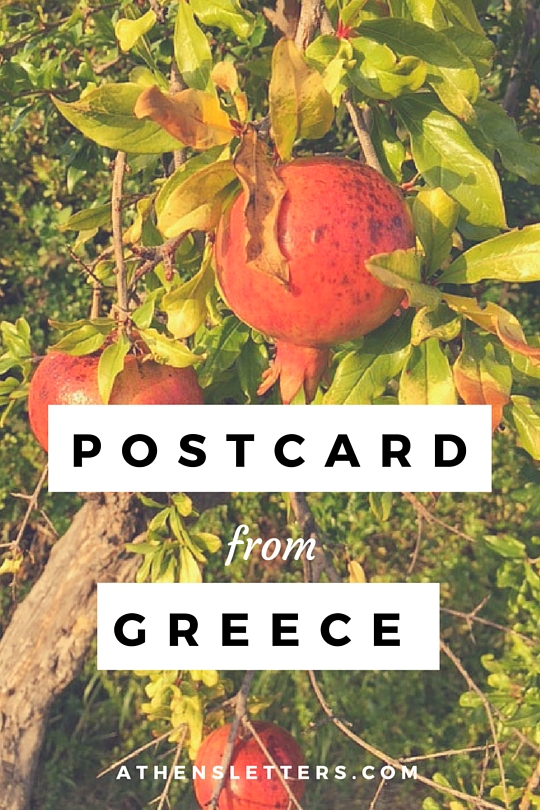
Speaking of poor man’s caviar and looking at the photograph of food,  I wanted to mention the guest post, called Postcard from Greece, which my friend Nadya invited me to write for her blog, The Exceptional. I re-blogged it without managing to write a few words – this is the first time I’ve done a re-blog, and I must have hit the wrong button! I wanted  to thank Nadya for asking me, and to urge everyone to wander over and take a look at her blog about her life as a PhD student and mom.

Postcard from Greece

nadya's avatarmagerei

Postcard” is a monthly column featuring guest bloggers from around the world. Today we received a postcard from M. L. Kappa (Greece) who blogs at athensletters.com. Do check out her exceptional blog about life and times in Greece, it’s highly recommended! If you’ve been wondering how things change and how the Greeks cope with ongoing crisis, M. L. Kappa shares with us the individual and social choices that people make in terms of food. Let’s read her thorough postcard:

Most people love to eat – they like to go out to restaurants and cook at home. Food is a large and enjoyable part of life. But what happens when money becomes short?

In the last five years, two things have affected eating habits in Greece: the trend for fitness and the crisis. We want our food to be healthy, and we need it to be cheap.

Greeks have…

View original post 1,249 more words

Blogroll

Has anyone even noticed my fantastic BLOG PARADE page? 

It’s right there in my menu bar and features an eclectic array of interesting blogs I’ve come across in my wanderings around the blogosphere. There’s something for all tastes – or almost: no erotica, classic cars, gardening or fashion, I’m afraid (at least yet…). So whenever you’re bored with twittering, facebooking, instagramming or reading a book, take a peep. You might find something of interest.

imageI will be updating it regularly.

Battered by the daily news

The morning news make for grim reading at the moment. I take a quick glance through the headlines, my stomach knotting. It’s all a big mess, worldwide. Violence. Terrorism. Domestic murders. Killers on a rampage. Scandals. Corruption. Fighting. Destruction. Climate change. Of course it’s all fact, but sometimes the press seems to enjoy wallowing in it as well. After a summer spent stuck in front of various screens, I avoid turning on the television as much as possible.

In Greece things are still looking bleak. The private sector has mostly borne the weight of the crisis so far, the public sector being traditionally regarded by every government as an untouchable holy cow. It is enough to note that salary reduction in the private sector has reached 20-23%, whereas in the public sector it is barely 12,5% – without even mentioning the fact that most public offices are still employing a large number of people, many of whom do nothing. The increase in unemployment is also much higher in the private sector. Capital controls are still in place, and every new law passed seems to contradict the one before.

While being unemployed is horrible whatever your job, surely having a vibrant market would benefit everyone in the long run. This policy has created a downward spiral: international competitiveness is at an all-time low and every means of getting out of the crisis has been scuppered. A increasingly large number of firms, including shipping companies, are getting out and basing themselves elsewhere, mostly in the Balkan countries and Cyprus. There is also a huge loss of human capital as individuals are emigrating as fast as they can get a job abroad.

image

Not only are people given zero incentives to stay, but often special opportunities are lost as well. For example, a few weeks ago I read that Jason Bourne’s next adventure, set against the backdrop of the Greek financial crisis, is being shot in the Canary Islands rather than Athens. Why? Because the film’s makers were put off by red tape and a lack of tax breaks.
Last year culture minister Nikos Xydakis had proudly announced that the Bourne film would be made in Athens — claiming the effect on local jobs and trade would be akin to setting up a “small factory”. But afterwards the government failed to make good on promises of tax breaks offered in most countries. So now Spanish advertisements and street signs in Santa Cruz de Tenerife have been covered over with ones in Greek, while a local plaza is doubling as Syntagma, Athens’s central square. Walls have been daubed with graffiti in Greek and locals signed up to stage anti-austerity rallies.
It makes you want to pull your hair out.

And who is doing something about all this? Not our politicians, that’s for sure. As has always been the case in our long and troubled history, they are busy squabbling (still).The government is in above its head – rumors abound they’re not going to last long – and often does not even get the support of its own party; and as for the opposition, they’re having a ridiculous and costly fight over electing a new leader.

Christmas is approaching. I wonder how we will be able to conjure up a seasonal festive spirit this year.

November Q&A: The hotelier

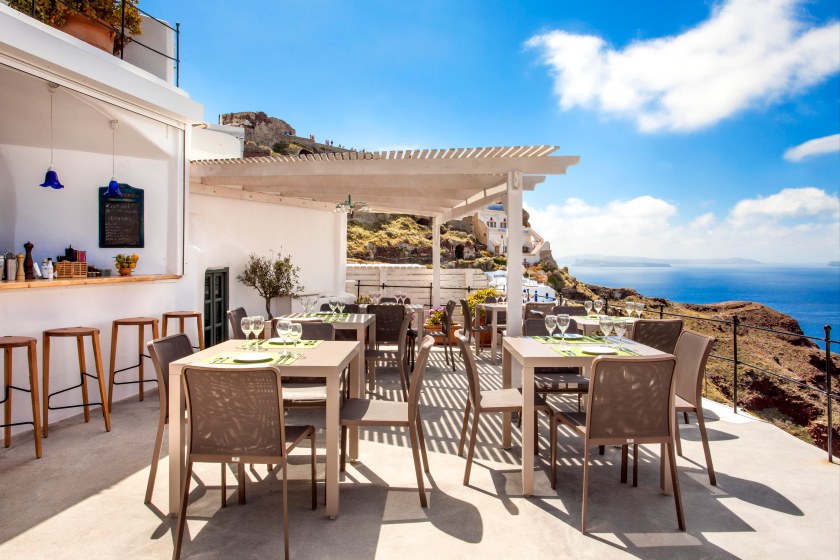
imageIoulia Mavrelou works in her family’s hotels. One, the ESPERAS, is a dream destination on the beautiful island of Santorini, with its black volcanic beaches, its town perched high above the sea and its stunning views. The other, the MYRTO, in the old quarter of Athens, Plaka, is at the moment undergoing renovation. Ioulia’s husband works alongside her and they have three young children.
Tell us a little about yourself.

I was born and raised in Athens by a rather conservative family. After school, I left to study Hotel Management at the Ecole Hôtelière de Lausanne. I also have a BA in Tourism and Hotel Management from Surrey University in the UK and an MBA from ALBA University in Athens

After my studies I worked in prestigious hotels in Europe and the USA, and I also taught Operations and Administration for Hotels at BCA University in Athens. In 2001 I returned to Greece full time, and became the Managing Director of my family’s HOTEL ESPERAS in Oia, Santorini, and later a VP of Operations at Hotel Myrto in Athens.

What were the major difficulties you’ve faced in the last five years?

It’s been hard, for reasons both economical and psychological. The fear people had of traveling to Greece due to the unstable economic and political environment meant we’ve had to face and overcome financial problems. Decisions made by Greece’s politicians result in continued uncertainty and distrust, so it’s a constant psychological roller coaster.

Did anyone in particular inspire you or help you?

During the last five years, my father and my husband have been the inspiration that drives me forward. My father taught me about hard work, and to be patient; to wait and to act at the right moment. My husband inspires me to pursue things until the end and not to give up.

imageWhat are your hopes/plans for the future?

I hope that the economic situation in Greece will become stable and that we will have the opportunity to grow our company.

What are your hopes for Greece? What changes would you like to see happen?

In my opinion radical changes need to be made in order for the country to survive. Unfortunately I don’t believe that any Greek government is willing to implement those changes in areas such as education, pensions etc. or to allow privatizations and implement measures to help entrepreneurship and allow the country to move forward.

Have you considered leaving? If so, where would you like to go, and why?

We are considering leaving as a family and moving to an English-speaking country since we feel that the adjustment will be easier, especially for our children. Of course, the fact that we work in our family business plays a major part in this decision, making it particularly difficult.

If you have already decided to leave, what would make you stay?

A complete and radical change in Greece, which would force the Greek people to change their ways as well.

Are you actively doing anything to help with the situation? Is there something more you would like to do?

I feel that I am – and have been all my life – doing my part as an entrepreneur by paying all my taxes and creating jobs for honest folks.
Tourism is a major source of income for Greece. In spite of all the difficulties, last summer was a reasonably good season for us and bookings have remained steady for 2016.

How do you see Greece in 5, in 10 years?

Unfortunately I see my country in the same situation if not worse than today. Observing the measures taken so far does not allow me to be optimistic.

How do you cope with obstacles and frustrations in your everyday life?

I am blessed to have a loving family and friends I can count on, who have been next to me when needed.

What are the positive sides of living in Greece? Have you had any good experiences lately?

The climate, our extended families and all the assets we have in Greece are the biggest reasons for staying. The summer vacation I spent with my family were exactly what holidays by the sea should be…

imageIoulia kindly agreed to be the Guinea pig for this feature, so any comments about improvements are welcome. If you want to see the site of the stunning ESPERAS HOTEL, just click on the name.

Red Alert

I feel so sorry for the people in Paris who went out to have a drink on a Friday night and lost their lives. I feel for their families and friends. But I feel a lot of anger as well. Have we lost the right to even walk in the street safely anymore? Is this the new face of 21st century Europe?

imageIs it just me, or is there a dire lack of leadership in the western world? They all meet at vast expense to the taxpayer and a huge carbon footprint (five star hotels, fleets of planes and cars, police escorts…) but – whether about the climate, the refugee crisis or the terrorists – nothing gets done. A total lack of a coherent policy on which everyone agrees. It’s frightening. After each terrible event, people get arrested, words of bravado are flung around, the dead are remembered. But – do we feel something is actually being done to protect us? Not enough, with all due respect. I ask, what is the use of bombing in the Middle East, when most of these terrorists have French, British or Belgian passports?

Greece is now facing the borders being closed, and we’ll be stuck with half a million refugees in a tiny country with a population of 11 million (of which one million are already immigrants, mostly from Eastern Europe). Compared to this, the USA has said it will take 30.000 over the next two years… And who meddled in those countries, creating all those refugees, may I ask? Not Greece, that’s for sure. It’s all about financial interests, oil, the arms industries, etc. And, everywhere, it’s the man in the street who pays. The taxpayer, the citizen who wants nothing but a quiet life, as well as the true refugee who will now be regarded with suspicion by all.

Forgive the rant, but does Europe really need to be dragged into another war?

A few of my favorite things

I felt so gloomy after writing my last post (to say nothing about reading the morning papers) that I decided to make a list of my favorite mood-enhancers. Here goes – not necessarily in order of preference.

A bowl of pomegranates. Smooth on the outside, crammed full of juicy bits.

image


Art supplies. Anything to get the hands dirty.

image


A stack of books. Some unread – and some old favorites.

image


A puppy. Need I say more?

image


A cat, ignoring you.image


A bunch of flowers.

image


A ray of sunshine behind a cloud.

image


The sea.

image


Watching fish swim. Very soothing.

image


A sunset.image


A soaring kite.

image


Autumn leaves.

image


Cake!

image


Luckily, there are many more. Babies, rainbows, music, the smell of toast… Easy on the senses, easy on the brain. Feel any better?


Many thanks to Eleni Koryzi and Anna Koenig for providing some of the photos

The tip of the iceberg

Embed from Getty Images

A few days ago I had lunch with a friend who is very involved in the refugee crisis, since she works with the European official in charge. They had come to Greece in order to meet with various members of the Greek government and to visit  Lesvos (they had previously stopped by Lampedusa). The things she told me make for scary reading.

Firstly, the measures decided upon – after much debate – are simply not working.  The relocation project dependant on ‘hot spots’  being set up to process people is proving ineffective, even as Greece is asking for €480 million to implement it (less than six have been approved so far). The reason is the following:
Refugees must go to the nearest hot spot to be fingerprinted and given identity papers; then they will have to wait until they are sent to the country they are allocated to. This might take months, given the numbers involved and the usual bureaucratic delays.  So why would they want to do that when – by other means – they can be in the country of their choice in four days? Nobody wants to stay – and almost nobody stays.

It also appears they have to be persuaded, rather than told, to have their fingerprints taken. It’s their choice – whereas all Greek are obliged to be fingerprinted for their identity cards. A few days ago I  read in the papers that – so far – only 15 Syrians have elected to stay. But if people are undocumented, it is very difficult to implement any kind of coherent policy for dealing with them.

Secondly, desperate people do desperate things. There are more and more babies and children coming in, because parents with children get automatic priority. There are more and more unaccompanied minors, sent by families hoping they’re going to a better, safer life. But I don’t need to point out the dangers they face traveling alone, and who knows how many don’t make it – and how many are abused and exploited along the way?
Worst of all, people have started to steal kids because they can use them to get preferential treatment. When they arrive at their destination, they dump them. More money is now being spent on a campaign to try and locate their families.

Only in the last two months, more than 100 children have drowned in the Aegean Sea, while in the last couple of days, 31 kids lost their lives in 7 separate shipwrecks. The mayor of Lesvos has asked that identification of the refugees is done in Turkey, to avoid so many drownings. Meanwhile, the local morgue is full of bodies and there is need for a new burial ground. And for the ultimate irony:  an airplane ticket from Turkey to Germany costs around €400. These people are paying well above €1000 to cross over on a floating death trap. Surely there is a moral in this somewhere.

Something else I didn’t know, and which I found quite shocking, is that sending people back home is often not possible, because their own countries WON’T TAKE THEM BACK (I’m not talking about war-torn zones like Syria here.) They prefer their citizens to stay abroad, since that means a lot of foreign currency will be coming in, and it also helps with local unemployment.

It seems every measure taken has a huge downside. The more people are saved, the more come over. In October alone, 218.00 people have crossed the Mediterranean, and of those, 210.000 have ended up in Greece.

imageWe are witnessing the biggest movement in populations in the history of mankind. 60 million people, from Syria and Afghanistan, Gaza, Iraq, Haiti and a dozen African countries have fled endless wars and disastrous governments. And it’s not over yet. The wars are far from ended, ISIS and the Taliban are still preying upon entire populations, religious minorities are being hounded from their homes. The floods and droughts brought on by climate change exacerbate the problem. It would only take one typhoon in the Bay of Bengal to displace millions in Bangladesh.

To top it all, my friend has worked for a long time in Ethiopia – and the scariest thing she told me is the following:

In the next few years, immigration from Africa is set to increase exponentially.
Many of the young African countries are doubling their population every twenty years. Most of their current population is under 30 years old, while their governments are not doing much in terms of job creation and services. We’re talking billions here, a large number of whom will want to come over. Recent studies have shown that in developing countries, more than half wish to move to the west.

All this is bound to lead to a rise of the extreme right in European countries, something which has already started. Tensions are growing – the refugees are at the end of their tether, but so are a lot of the people assisting them, who sometimes feel they are not grateful enough for the help they’re getting. Many are demanding that borders be secured. The Schengen concept is in real danger, even though Angela Merkel is warning that border closures and fences to stop refugees “could cause military conflict” in the Balkans. The face of the world is changing, and most of us have yet to realize it.

I’m sorry to keep harping on about this subject. In spite of everything, some people remain optimistic that the refugees can eventually be absorbed by EE countries. Today, I read that 30 refugees were flown to Luxemberg for resettlement – a drop in the ocean, but still, some kind of start. Others just do their best to help, like Britons Andrew Davies and Wendy Wilcox, who set up  Solidarity Symi on the island of Symi, to help the people coming through. I also heard that young men on the islands are going out on jet skis, braving huge waves, to rescue people from shipwrecks.

Meanwhile, winter is approaching, and the refugees will have to face weather a lot of them are not used to, in many cases being obliged to live outdoors. Some parents are already wrapping their kids in rubbish bags to keep them dry…The seas are getting rougher and more dangerous, but the flow is not lessening. It is possible that because of all the talk of frontiers closing, many people feel it’s now or never.

So they take the risk.

image