Twitter Art Exhibit


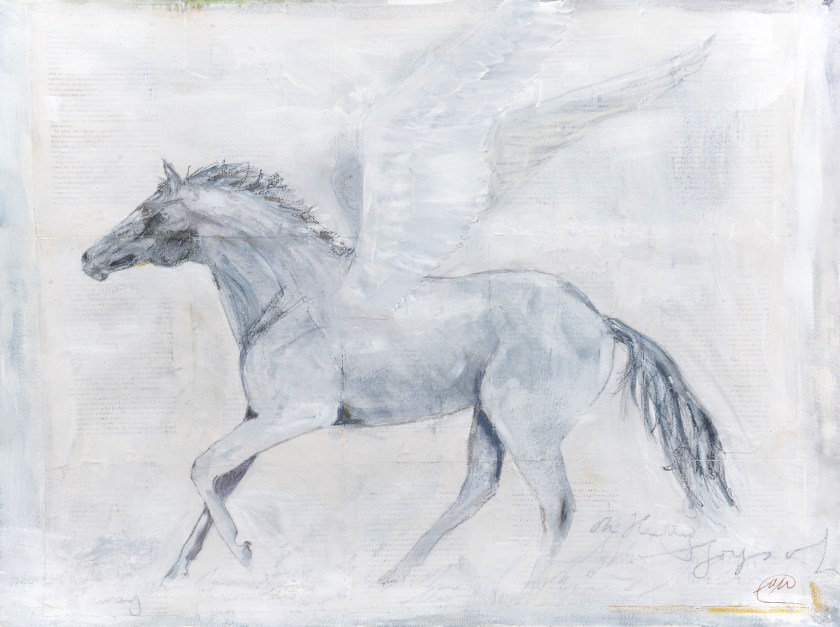
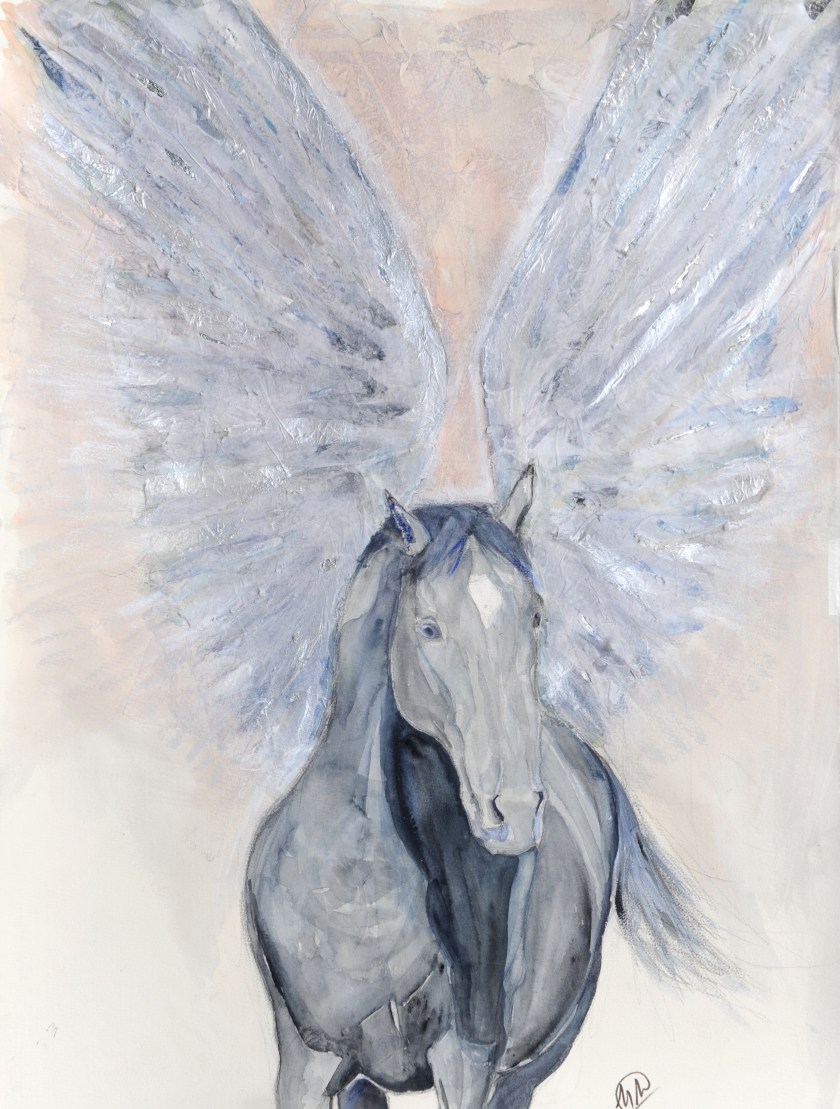
Last year I chanced upon the Twitter Art Exhibit ,  an organization  which has devised an original and fun way to help various charities. Artists of all kinds are invited to donate a postcard-sized piece of original art, to be sold at an exhibition and, for the pieces that are not sold, online.


There is no entry fee, no theme, there is nothing to win, and everyone is included. It is a way to give back, and, for amateur artists who might not otherwise get this opportunity, to see their work featured in an international exhibition. It’s also fun to follow TAE on Twitter or Instagram and see the huge variety of work submitted. See below a wall from a previous exhibition.


As I said, I only stumbled upon this last year, but TAE was set up 10 years ago by artist David Sandrum to help buy books for the children’s department of a library in Norway.
The social media-powered exhibition has since then gone from strength to strength, and the sales have raised around $64.000 for various charities around the world!
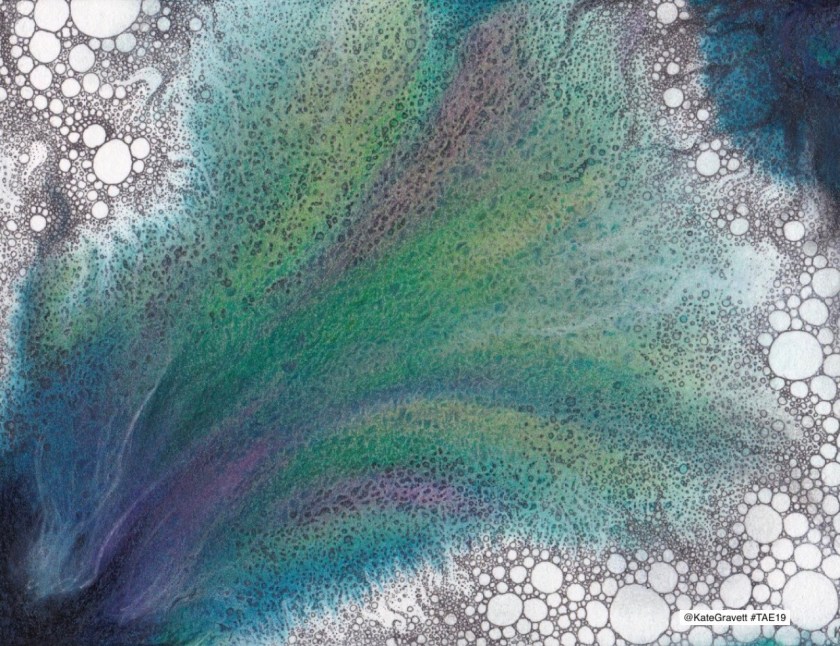
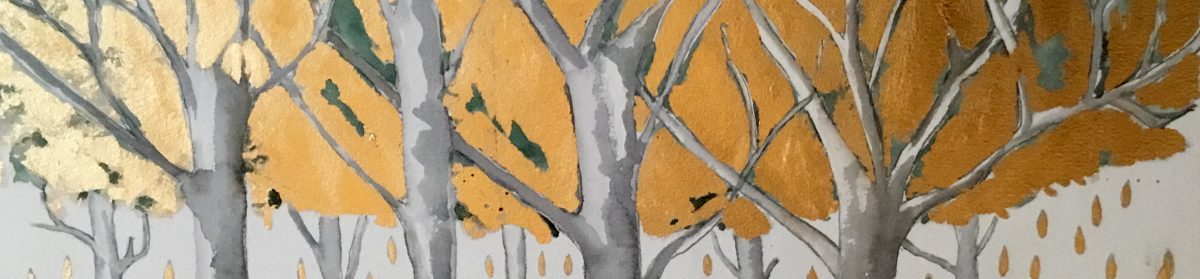
Each year, over 1000 artists of all levels sign up to donate a piece of their art. See below my own contribution for 2019.


This year, Twitter Art Exhibit is curated by artist Sam Banister, and takes place in Scotland’s historical capital city of Edinburgh, in support of the local charity, Art in Healthcare ( click here to find out more).

Their mission is ‘to use visual art to improve health and wellbeing’, a concept I cannot but endorse, since I really believe in the power of art as therapy.


The opening day of the exhibition is Saturday 11th May 2019, the show will run until the 13th, and thereafter sales will continue online.


I encourage any one of you out there who has the slightest interest in making things, to have a go. It doesn’t need to be fancy, it could just be a simple collage or a crazy doodle! What have you got to lose, nobody will judge you, and it’s all in a good cause. The deadline is April 29, 2019, but if you want your card to be included in their lovely catalogue, make sure your entry is in by April 12.


A Greek director at the BAFTAS

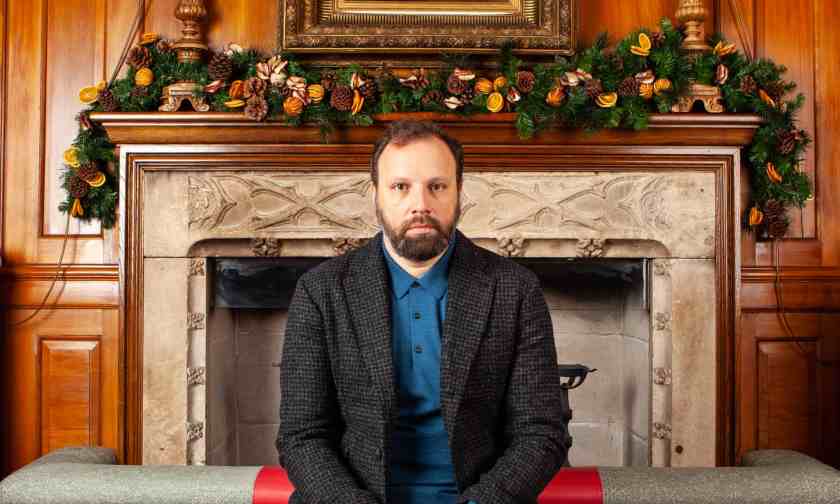
I must confess I have seen none of Yorgos Lanthimos’s films so far,
because they are dark and bleak and I never seem to be in the right mood for them. However, he has been going from strength to strength, and I am now rather tempted by his latest offering, which was a huge success at the BAFTAS.

Lanthimos was born in Athens in 1973, and went to film school in Greece, hoping to make commercials—the prospect of making films in Greece in the 80s and 90s was dim, to say the least.


Through the 1990s he directed a series of videos for Greek dance-theater companies, moving on to TV commercials, music videos, short films and experimental theater plays. He was also a member of the creative team which designed the opening and closingceremonies of the 2004 Summer Olympics in Athens.

Lanthimos, realizing his youthful ambitions, then went on to make feature films—and, just under a decade ago, released Dogtooth, a grim tale of a father keeping his family in total isolation.  It was nominated for Best Foreign Language Film at the Academy Awards, but was booed and hissed by voters during a committee screening, and lost to Susanne Bier’s In a Better World. After that, Lanthimos became notorious for his wild imagination and bleak inscrutability.

However, his first English-language film, The Lobster (2015), proved a significant art-house hit, being set in a world where single people must find partners or be transformed into animals. Its follow-up, The Killing of a Sacred Deer (2017), is a bloody revenge drama infused with classical mythology—while his characters keep having absurdly mundane conversations.

He became a leading member of the ‘weird wave’, Greek film makers who were anti-commercial and aimed to provoke, if not to shock. Nevertheless, over the course of his six films, he managed to escape his image as a European oddity, acquire global recognition and achieve significant box-office success, attracting top actors such as Nicole Kidman.


His latest film, The Favourite, is an opulent period drama set in the court of Queen Anne and featuring stellar performances by Olivia Colman, Emma Stone and Rachel Weisz.

Based on fact, it is the story of two women vying for the attention of Queen Anne, who, plagued by gout and haunted by the 17 children she’s lost over the years, has basically given up governing her country.


According to reviews, it is supposed to be less disturbing than his other films, although still dark, and features a witty script spiked with anachronisms, and lavish costumes and scenery.

The film won seven awards at the BAFTAs (British Academy of Film and Television Arts), including outstanding British film, original screenplay, leading actress for Olivia Colman and best supporting actress for Rachel Weisz.


Next stop, the Oscars? Not bad for a Greek boy who wanted to make commercials.

Perhaps it’s time to reconsider and give The Favourite a chance.


All photos from Google
The joyfulness of Joan Mirò

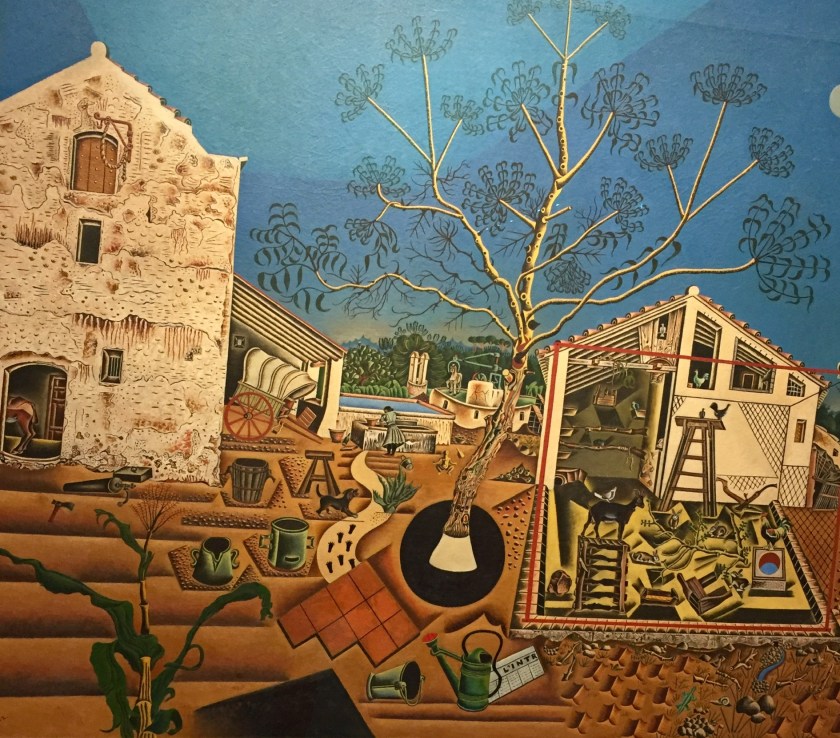
I finally managed to make it to the Mirò exhibition at the Grand Palais in Paris, just before it closed. Mirò was far from being my favorite artist, but these retrospectives always contain a number of treasures, and I was not to be disappointed. Although there are always too many people in blockbuster shows, they also feature paintings from private collections or faraway museums, which you would never get the chance to see otherwise.


Joan Miró i Ferrà was a Spanish painter, sculptor, and ceramicist. He was born in 1893 in Barcelona, the son of a silversmith and watchmaker.


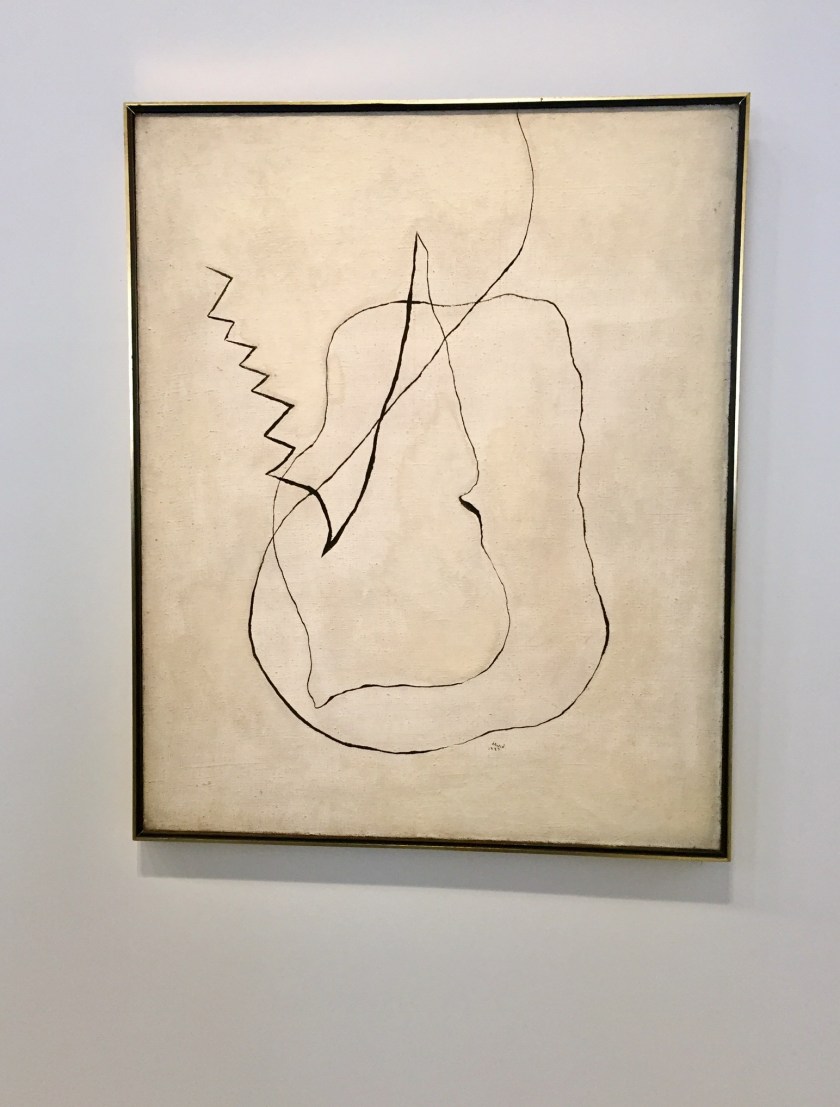
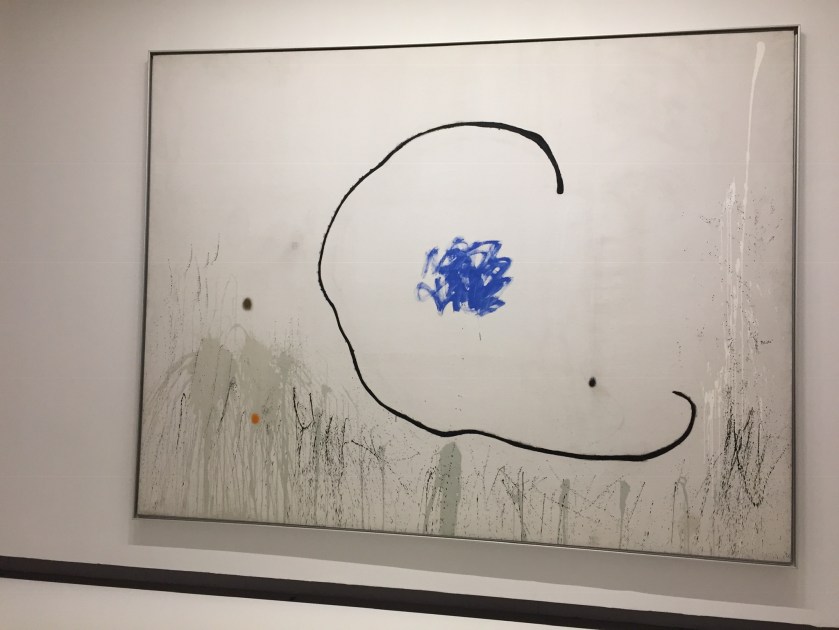
He began drawing classes when he was 7, and at 20 he moved to Paris and joined the art community in Montparnasse. Below is a surprisingly monochrome but strangely alluring painting.


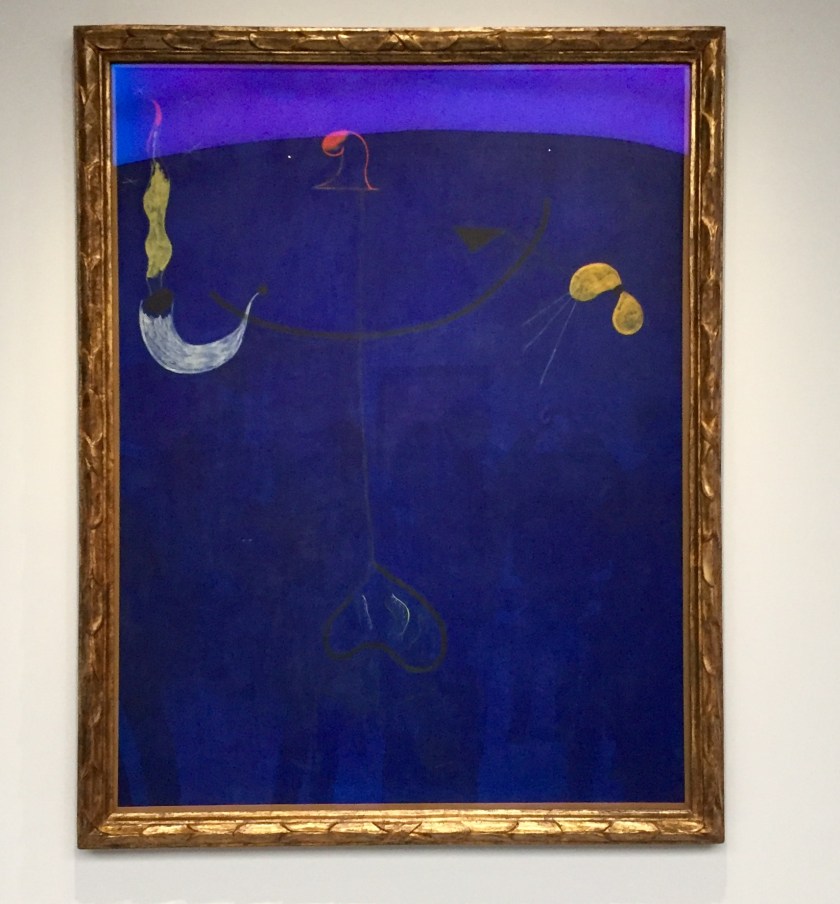
Mirò is considered a pioneer of surrealism. He tried to portray the subconscious mind, to recreate the child-like and also subvert what he saw as the art of a bourgeois society. He loved color and used it in unexpected combinations.


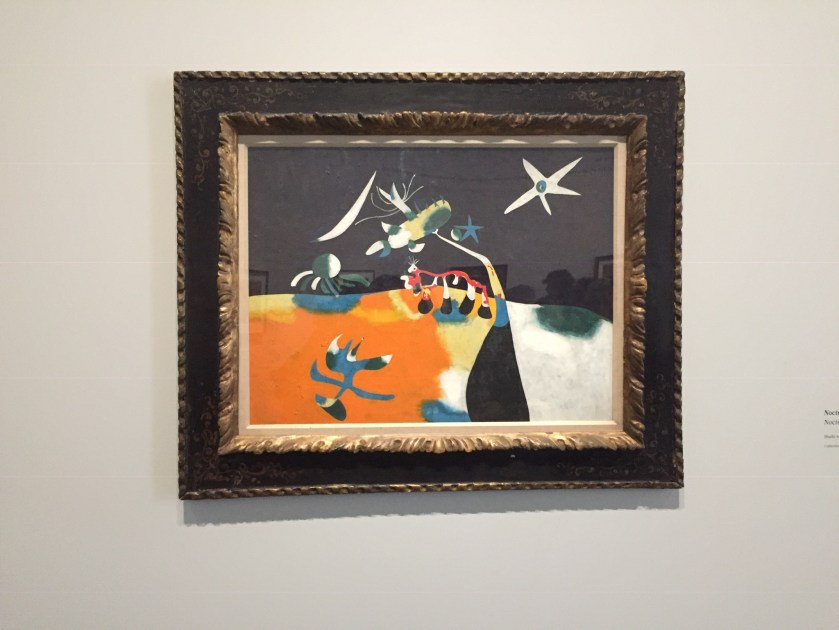
During the German occupation Mirò fled to Spain, and between 1940-1941 he created the 23 gouache series Constellations, on of which you can see below. They are small, delicate compositions, and gain nothing through my phone photos.


Mirò was always testing out new territory, and experimented with all available mediums, trying his hand at collage, sculpture, and even tapestry. He kept working until late in life, creating amazing large-scale works in his 80s—including a tapestry for the World Trade Center, which was lost in the September 11 attack.

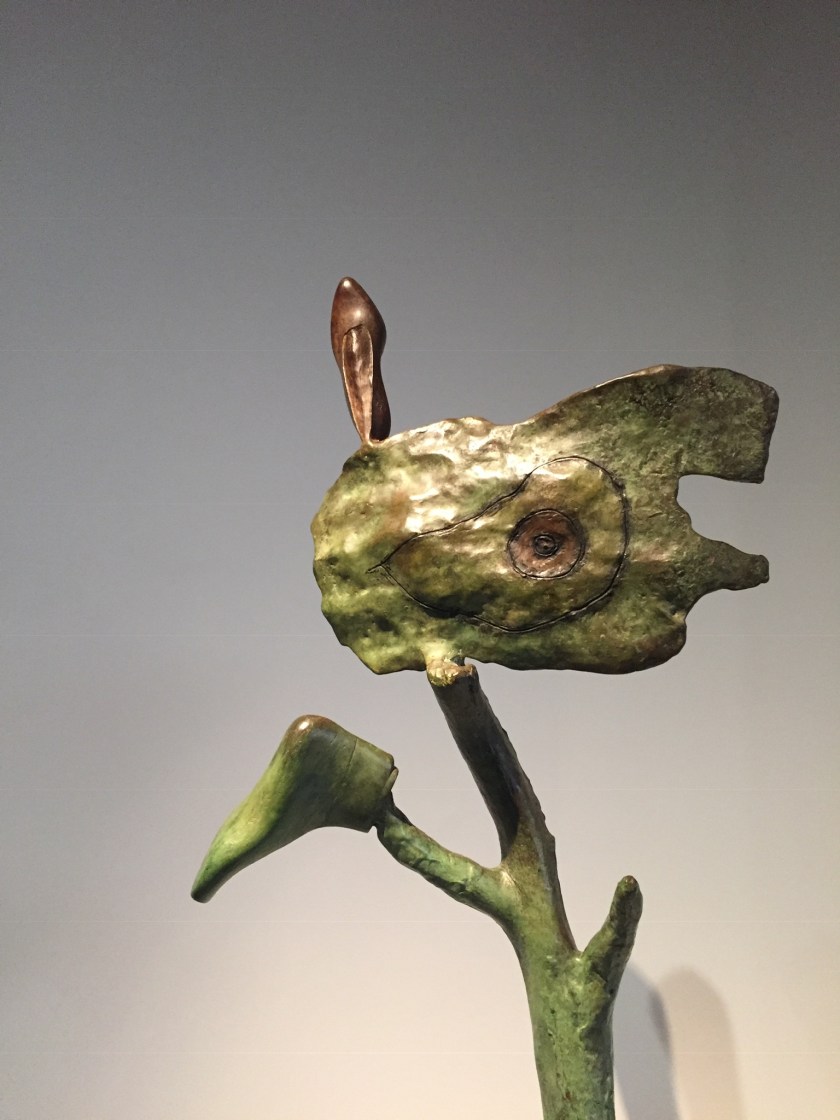
Below is a detail from one of his sculptures, in which one can see his irreverent and playful spirit.


I came away with a new-found appreciation of his work, being especially drawn to his joie de vivre and explosion of color.


The spitzmaus mummy and other treasures

Who could resist reading an article with a title like that? Who even knows what a spitzmaus is? Clue: the article was about an exhibition at the Kunsthistorisches Museum in Vienna, so the obvious guess was that it’s German for some kind of rodent. So far, so intriguing, but what was more, the exhibition in question was curated by Wes Anderson, of whom I am an ardent fan. A trip to Vienna started looking like a tantalizing prospect, especially since there was another blockbuster exhibition on in the same museum, a collection of paintings by Pieter Bruegel the Elder. A mini- break with friends was duly organized.

In 2012, the Kunsthistorisches Museum Vienna started a new series of exhibitions where creative individuals were invited to put together their own personal selections of objects drawn from the museum’s historical collections, which number more than four million objects, and span a period of five thousand years. The first was curated by the painter and draughtsman Ed Ruscha, and the second by the British ceramicist and writer Edmund de Waal (whose book, “The Hare with Amber Eyes”, is about a collection of special objects.)


For this year’s exhibition, cult director Wes Anderson (“The Grand Budapest Hotel”, “The Darjeeling Limited”, “The Royal Tenenbaums”) partnered up with costume designer and author Juman Malouf to sift through the museum’s vast collection, probably driving the staff mad in the process, which took two years. They came up with an eclectic selection of 423 objects, of which 350 came from the museum’s warehouse and have never before been shown to the public.

The collection is quirky, just as expected. Totally disparate objects are lined up next to each other, sometimes the only obvious connection being that they are of the same color. Below, in the green room, a huge emerald in front of a green dress worn in a production of Hedda Gabler.


The exhibits come with no explanations written on the cases, so that the viewer must figure out the connections for himself, without distraction ( however, booklets are provided with lists where you can look the exhibits up). And, speaking of cases, one of the rooms is entirely devoted to just that—weirdly shaped decorated boxes containing such disparate things as a scepter, a collection of flutes or a crown. There is ‘a suitcase for the war-robe of a Korean Prince’, and a ‘case for one hundred ostrich feathers’. And there is a large, completely empty glass case—the premise here being that we seldom look at the cases themselves, only at their contents.

The main object of the exhibition is to point out invisible affinities between very different worlds.

Next to the room mentioned above, with the exclusively green objects of every kind and every era, there is another with an assortment of animals, some stuffed, some carved, and three black emu eggs in a custom-built case that looks like an incubator. All are arranged around the famous spitzmaus, an Egyptian mummy of a shrew, in its own tiny wooden sarcophagus with its portrait pained on the side. By the way, I looked it up, and a shrew is not a rodent at all.


There are also 16th century portraits of the Petrus Gonsalvus family, all suffering from hypertrichosis (see one of their unlucky offspring below), and 22 exposed busts, arranged not in chronological order but according to size.


There are miniature snowshoes,


And miniature musical instruments.


And a room devoted to portraits of children.


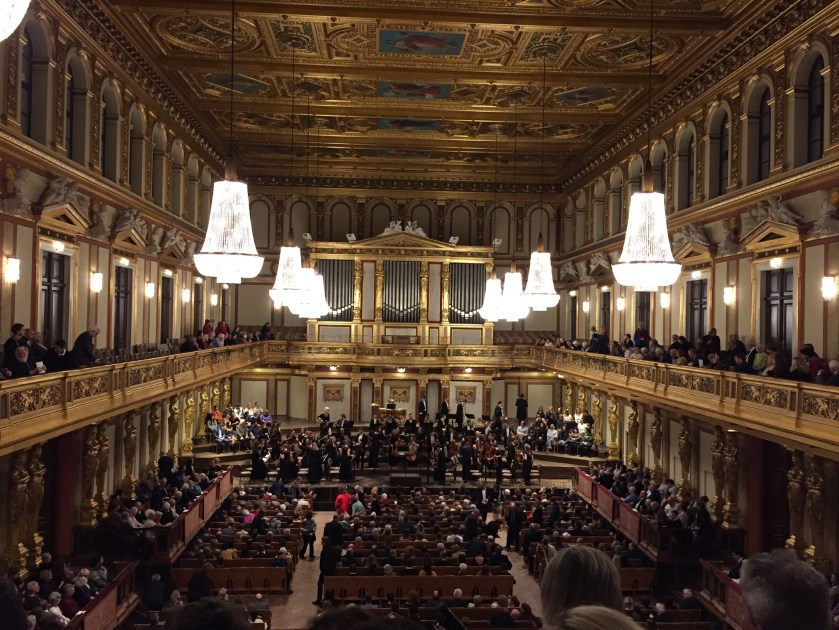
The exhibition was wonderful—and outside, there was Vienna,  and concerts


and statues, and Christmas markets.


And to eat, schnitzel, and strudel, and hot chocolate. And of course, the Breugel exhibition, of which more to follow.


Bleu et rose. Picasso

There’s no need to describe Pablo Picasso—everyone knows about him, and most of us have come across one or more of his works in an exhibition or museum, since he was extremely prolific.
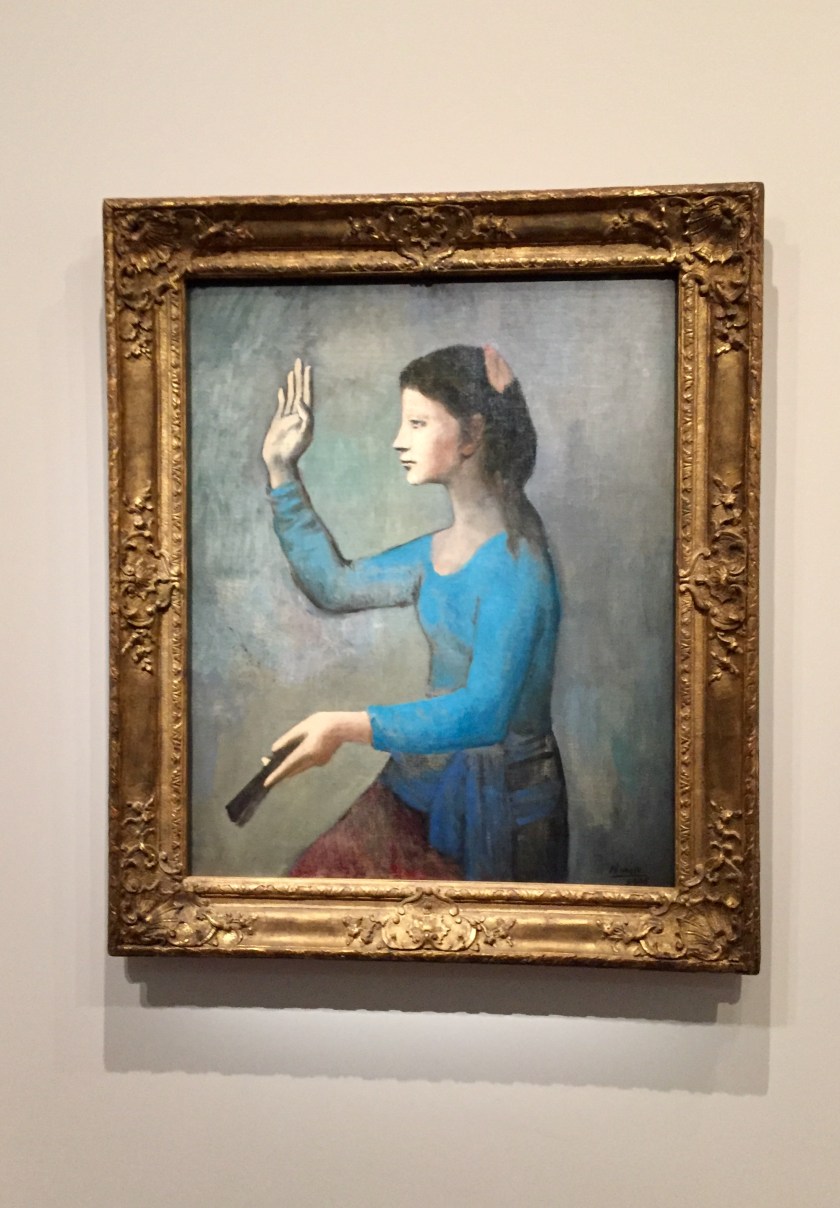
For me, most enchanting were his early works, the Blue and Rose periods, which visitors to Paris have the chance to admire at the Musée d’Orsay. The exhibition is a collaboration between the museum and the Musée National Picasso, and has gathered major works that focus on the period from 1900 to 1906.


Picasso was a fantastic draughtsman, and could produce detailed academic drawings with great ease. In his paintings, however, he expressed his highly personal viewpoint, often distorting body parts, foreshortening limbs or elongating fingers.


It is difficult to comprehend today, but at the time he was derided  for this by art critics, and floundered in the teeming artistic milieu of Paris, until he was picked up by American art patron Gertrude Stein. Although they did not speak each other’s language, they became friends, and she had a major influence on his career. He painted her portrait, which everyone agreed did not look at all like her, but which eventually became one his most famous portraits. After 1919 he was giving her paintings for free, since he had become so successful that she could no longer afford to buy them!


Picasso painted prostitutes, blind men, drunks, but also babies and children. He was moved by the notions of family and motherhood. His palette made up of blues gives off an aura of melancholy. He was also inspired by other artists of his time, such as Van Gogh and Gaugin, whose influence can be seen in some of his work.


It is amazing that these paintings were made when Picasso was only 20 or 21. The blue period lasted until 1904, when hints of pink started creeping into his palette, to evolve into the rose period,  where joyful pinks, reds and  oranges dominated, and his subjects were harlequins and circus people. This lasted for just two years, and ended with the Les Demoiselles d’Avignon, the first painting of the cubist period.


It is also astonishing how prolific Picasso was. He left behind tens of thousands of works,  even though, when he was young and broke, he reused canvasses and even burnt drawings for warmth.


Anyone within reach of Paris should go and see this exhibition—it is just wonderful. I left unsure whether to be greatly inspired or simply throw my pens and brushes in the bin and take up knitting!


Dance with Carlos Acosta

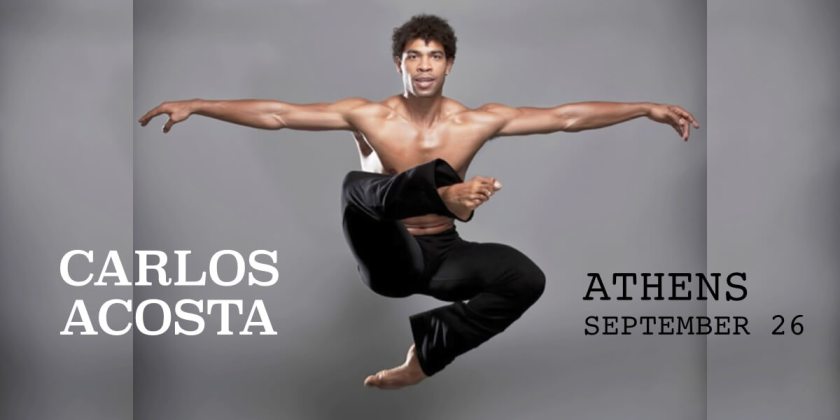
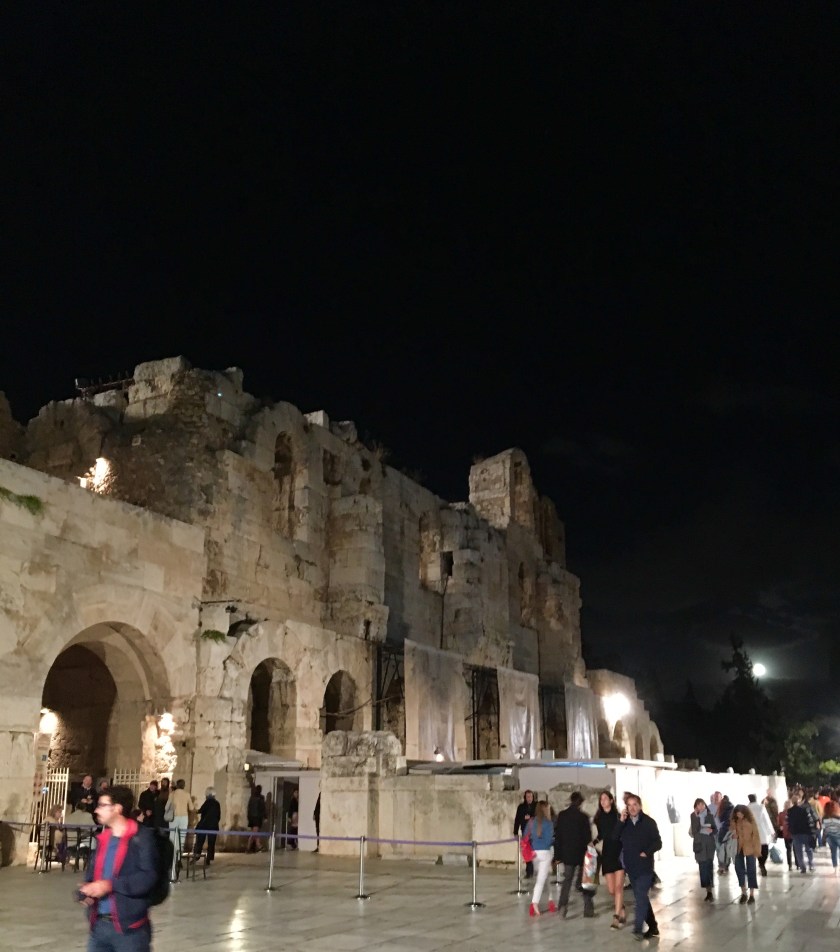
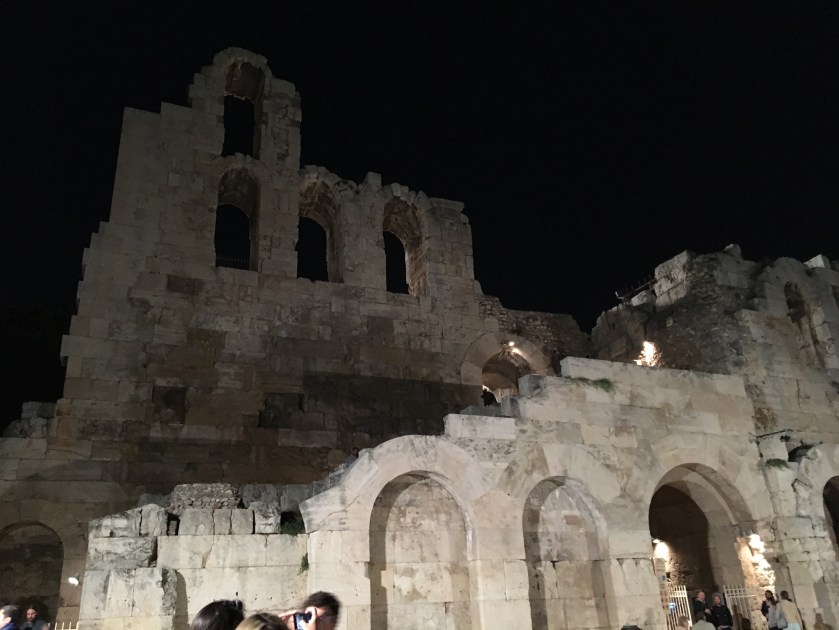
In contrast to the depressing news from Athens I have been reporting lately, a magical evening awaited us at the Odeon of Herodes Atticus,  where the star dancer Carlos Acosta and his company performed for one night only.


At the entrance to the ancient theatre a huge full moon greeted us—during the performance we could see it rising slowly above the stone walls.


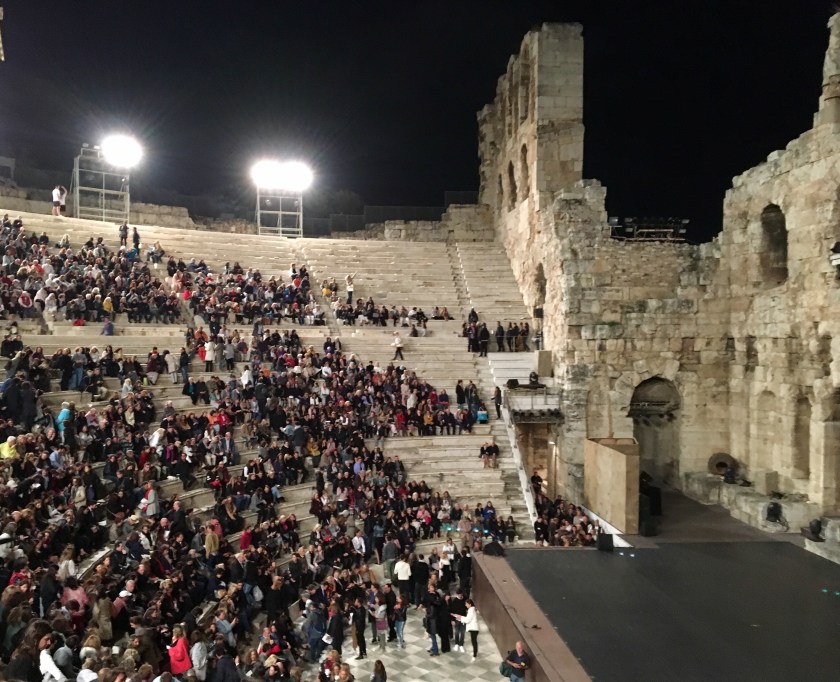
Despite a brisk breeze which meant people were wearing jackets (the side effects of a weather front aptly named “Xenophon”), the stands were packed with an enthusiastic audience.


People still trickling in

The performance itself exceeded all expectations. The music was a mixture of contemporary, flamenco, and tribal African, and the repertory included works by the Belgium-based Sidi Larbi Cherkaoui, Cuban choreographer Marianela Boán and company member Raúl Reinoso. The last piece was accompanied by a medley of old Rolling Stones favorites, such as Little Red Rooster, Lady Jane and Play With Fire.

The 25-member Danza Acosta company is made up of a racially diverse group of young people who combine grace with unbounded energy and exude joie de vivre. They are agile, well-trained young Cubans, many of whom gave up good positions in prominent dance troupes to follow the call of a national hero. Acosta is undoubtedly the star of the show, but he didn’t hog the limelight. Everyone got their chance to shine.


Acosta was born in a very poor neighborhood of Havana, Cuba, on  June 2, 1973. He was the 11th and last child in his family, and grew up occasionally shoeless, with no toys. He was over-energetic and his father, a truck driver, was worried he’d end up on the street, so he made him audition for the national ballet school, which was state-funded and also provided students with a free lunch. From there he rose to the top, finally joining the Royal Ballet in Britain, where he became an international star. He stayed 17 years, and retired at 43, to form his own company—back in his beloved country, which he’d left but never forgotten.


We felt privileged to be there on such a beautiful evening, which was a rare reminder of the benefits of living in Greece.


Parts of the proceeds of the show will be donated to the organisation Coeurs pour Tous Hellas  (Hearts for All), set up in 2015 for Greek children with congenital heart disease, which has so far supported 106 children with the disease.

Awed by the abstract

When artist Zao Wou-Ki left China to come to Paris in 1948, his whole family gathered on the quay in Shanghai to bid him farewell. They were dressed in western clothes, the men in coats and felt hats, the women with Lauren Bacall hairstyles, flat shoes and leather gloves. His wife Lalan was coming with him, but they left behind their son with his grandparents, because they were only planning to stay for two years. By the time he came back to visit his mother, it was 1972 and his beloved father had died four years earlier.


Zao Wou-Ki had to wait two years to get his passport and visa, and months to get a passage—boats to Europe were rare. He disembarked in Marseilles after thirty six days of a voyage that filled him with boredom. But he was determined—he felt he had to get away from China or he would die.


Hommage à Claude Monet


Zao had been obsessed with painting since childhood, a pursuit encouraged by his father, a banker. At fourteen, he left home to study at the school of fine art in Hang-Cheou, 300km from home. But he felt stifled by Chinese art, which he thought mired in convention and rules. He wanted to free himself and his creativity. So he ended up in Montparnasse, where he remained. He did, however, travel extensively to New York and Hong Kong.


Le vent pousse la mer


In Paris, Zao was influenced by major artists of his time, such as Paul Klee, Picasso, Matisse and Cezanne, and developed close relationships with Jean-Paul Riopelle, Alberto Giacometti, Joan Miró, Joan Mitchell and Sam Francis, among many others. But he was also inspired by poetry and music. Two of his best friends were poet Henri Michaud and composer Edgar Varèse. His work became increasingly freer, and he produced his marvelous glowing large works.


In memory of May


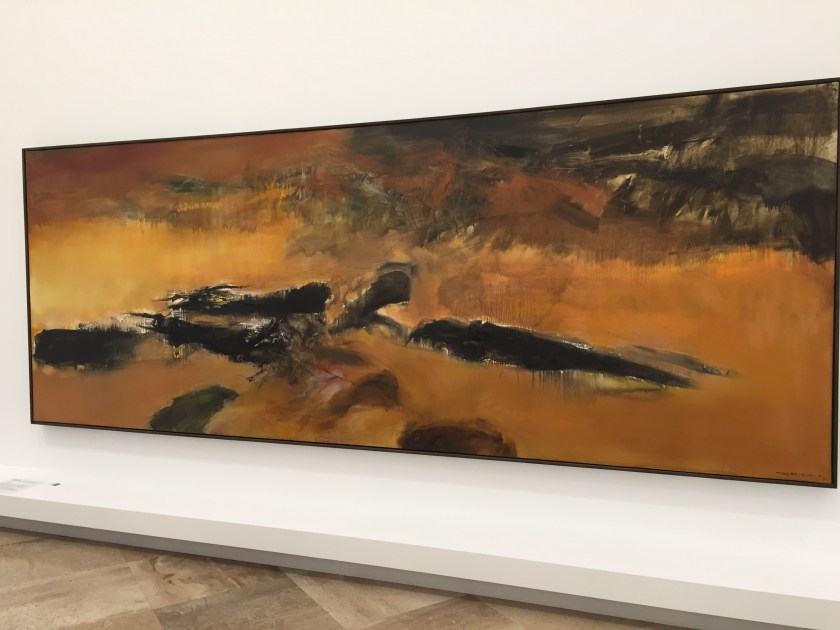
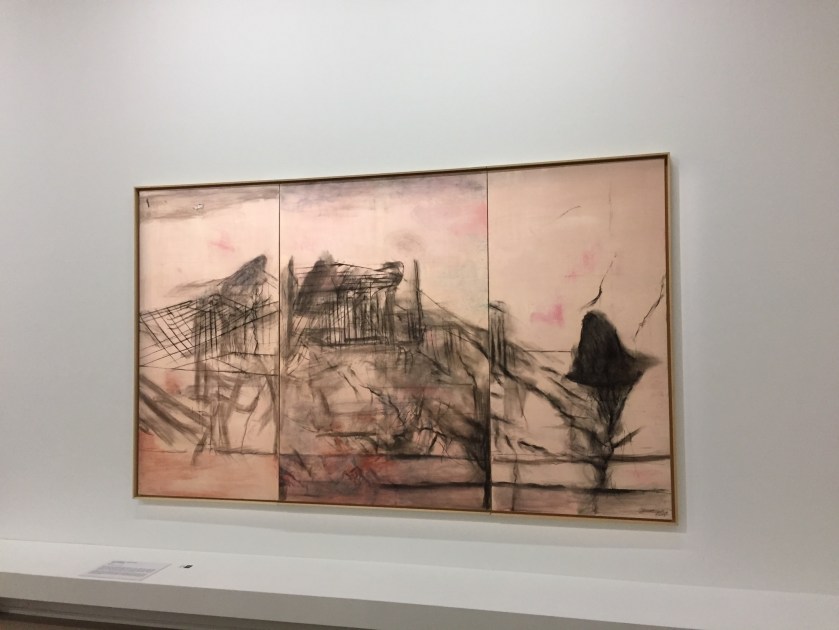
It is difficult to reproduce the depth, subtlety of color, and brilliance of these paintings in photographs, especially ones taken on a phone. But this is art to soothe and elevate the soul.


Across his career, Zao sought to create works that captured ‘the presence of nature’. He had rejected the classical conventions of Chinese calligraphy and landscape painting, but, by 1971, he returned to the brush-and-ink technique in which he was trained in China, with work that reflected its sources in Chinese traditions. Zao explained in a 1962 interview with the French magazine Preuves, ‘Although the influence of Paris is undeniable in all my training as an artist, I also wish to say that I have gradually rediscovered China.’ He added, ‘Paradoxically, perhaps, it is to Paris that I owe this return to my deepest origins.’


Zao was a member of the Académie des beaux-arts, and was considered to have been one of the most successful Chinese painters during his lifetime. He died in 2013.


The temple of the Han

Exhibition at the Musée d’Art Moderne de la ville de Paris.

An Antique tomb

The Egyptian Ministry of Antiquities has announced that an unusually large, untouched sarcophagus has been discovered in the Sidi Gaber district of the city of Alexandria. The tomb was uncovered during work on the foundations of a new building and is believed to belong to the Ptolemaic era, more than 2000 years ago.


Source: Google
Alexandria was founded by Alexander the Great in 332 BC, one of around twenty cities bearing his name. Alexander the Great succeeded his father on the throne of Macedonia at the age of twenty. He died in Babylon at the age of 33, having in this short time created an empire that stretched from Greece to northwestern India. He was undefeated in battle and is widely considered one of history’s most successful military commanders. His reign, while being undoubtedly bloody and violent, nevertheless resulted in the spread of Greek culture in the east. This led to a new Hellenistic civilization, aspects of which were still evident in the traditions of the Byzantine Empire in the mid-15th century AD. It is amazing that people spoke Greek in central and far eastern Anatolia until the 1920s! Alexander became legendary as a classical hero in the mold of Achilles, and is often ranked amongst the most influential people in history.


Source:Google

Alexander’s tomb has never been found, but it is widely believed to be in Alexandria. The reasons for this are multiple:

Ancient sources often mention Alexander’s tomb, all placing it in Alexandria. Amongst the people who are thought to have visited are Julius Caesar, Octavian, Caligula and others, according to ancient texts. There is no definite proof, but there is however a strong probability, given that after his death Alexander’s body remained in Babylon for two years, before starting on the long journey home in order to be buried in Macedonia. It is said that Ptolemy, the governor of Egypt, waylaid the mission and kept the body in Alexandria until at least the 4th century AD. Possibly it was destroyed there during the persecution of Christians. The fact that the royal necropolis was never found could also be due to the ravages of natural catastrophes such as earthquakes and tsunamis, or the later destruction of pagan temples by Christians.

Finally, Alexandria has progressively grown into a thriving modern city of five million inhabitants, making it difficult for archaeologists to conduct digs there.

This new discovery is a rare specimen sculpted out of black granite. It is exceptionally large, measuring 2.65m in length, 1.65m in width, and 1.85m in height. The lid is sealed with mortar, which is an indication that it probably has never been opened, and that in itself is unusual, given that most ancient graves have been desecrated by robbers.

Given that it weighs around 30 tons, it will probably need to be opened on site.


Source: Google

Could this be the sepulchre of Alexander the Great? Doubtful, although it probably belonged to a prominent, wealthy man. However, it not luxurious enough for a king, especially one of Alexander’s radiance. An alabaster bust was found in the grave, believed to be that of its owner, but unfortunately its features are quite eroded.

Archaeologists are now all agog to open the sarcophagus, hoping to find clues to its owner inside.

Stay tuned for developments.

Experiments in eco printing


I tried eco printing some time ago, having seen some interesting posts on Instagram. Eco printing consists in creating marks on paper or cloth, using vegetable material. As you can imagine, depending on the type of paper or cloth, the results vary widely. Cotton will dye differently from silk, and watercolor paper differently from rice paper. Various plants and flowers also leave more or less color, in more or less distinct patterns. Apparently red cabbage makes bright blue marks, something I have yet to try.


It is necessary to use a mordant such as alum powder or rusty metal to help the color adhere to the material better. After that, the plants are placed upon the paper, tied in bundles, and either left in the sun for a day or more, boiled, or steamed. Some people place paper sheets flat between boards, others roll them up in a bundle tied with string. The whole thing is a lot of fun since you can never be sure of the result—only perhaps if you have done this for years? But even then, I saw on Instagram that people are always getting surprises. The idea is to experiment as far as your fancy takes you.


The first time I tried it, I soaked the paper in water with alum and used dead leaves, mostly maple and oak, since it was the autumn. The results were quite satisfying, and I painted moths and insects on top, and even a lizard.

This time I wanted to created material I could use for collage, in a series of paintings I’m planning about Greek nature. As some of you might know, I’m very into layers and textures at the moment, so I thought this would provide an extra dimension. I wanted to try rice paper, because of the transparency, so I used some of that, plus normal watercolor paper I had left over from last time and kadhi paper, which is made from cotton rag. At the last minute, I threw in some tissue paper too.


For the plant material I gathered a collection of fresh green leaves and flowers: bougainvillea, oleander, lavender, along with fig, olive and plane tree leaves. And some sprigs of rosemary.

As I wanted to get quite a subtle effect, I used vinegar and rusty metal as a mordant instead of alum. The results were full of surprises, as always.

Strangely, the bougainvillea flowers left almost no marks on the paper, despite their bright coloring. Generally colors were a lot less bright than on the paper which had been soaked in the alum solution, and marks a lot more distinct on watercolor paper than on the rice paper.

The rice paper sheets stuck to each other and tended to tear when I tried to separate them. Of course, I did so while they were still damp, so maybe I should have been more patient and let them dry first. The tissue paper came out like a wad of used Kleenex, and I only managed to salvage a few scraps.


As seen above, the results look rather a sorry lot. However, they will still do my job, since I will be tearing pieces off, glueing them to my paper and painting or drawing on top. So I have ended up with a large pile of very interesting material to experiment with, and can’t wait to get started!

I have not here included instructions for making eco prints, as these vary wildly and there are many to be found easily by googling. However, I will recommend two Instagram sites: Fallowflora and book.and.paper.arts have some great examples and are worth taking a look at.

If anyone has done or does this and has some tips or remarks for me, I would be very pleased to have them!