The Morozov art collection

It was a great treat to visit the Morozov Collection at the Louis Vuitton Foundation in Paris. The show, presented for the first time outside Russia, includes some 300 impressionist, post-impressionist and expressionist masterpieces amassed at the turn of the 20th century by the vastly wealthy Russian brothers Mikhail and Ivan Morozov,  before being swept away by the Russian Revolution.


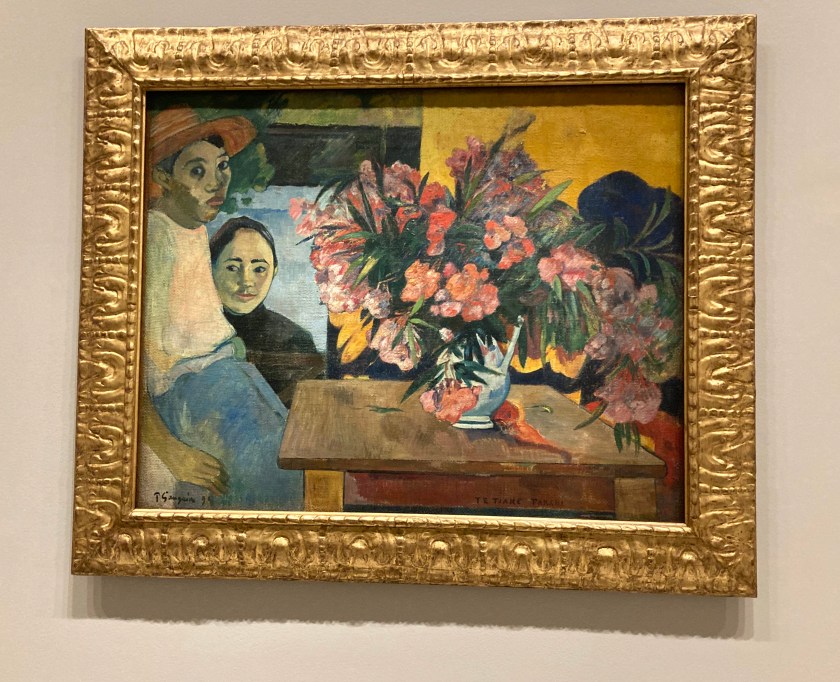
Paul Gauguin

The brothers, born in 1870 and 1871 respectively, were the great-grandsons of a serf. With five rubles from his wife’s dowry, their ancestor set up a ribbon workshop, which he developed into a factory, and bought his family’s freedom. In a few generations, the family became wealthy, philanthropic industrialists.


Edvard Munch

Besides being fabulously wealthy, the brothers had very avant garde tastes, and built up the stunning collection which includes works by Russian as well as French artists. At the turn of the last century, the upper social echelon in Russia spoke French and the Morozov brothers created their collection on the advice of Parisian dealers such as Paul Durand-Ruel and Ambroise Vollard. Mikhail, who died prematurely from a heart attack at the age of 33, discovered Bonnard’s work in Paris and acquired the first paintings by Gauguin to enter Russia.


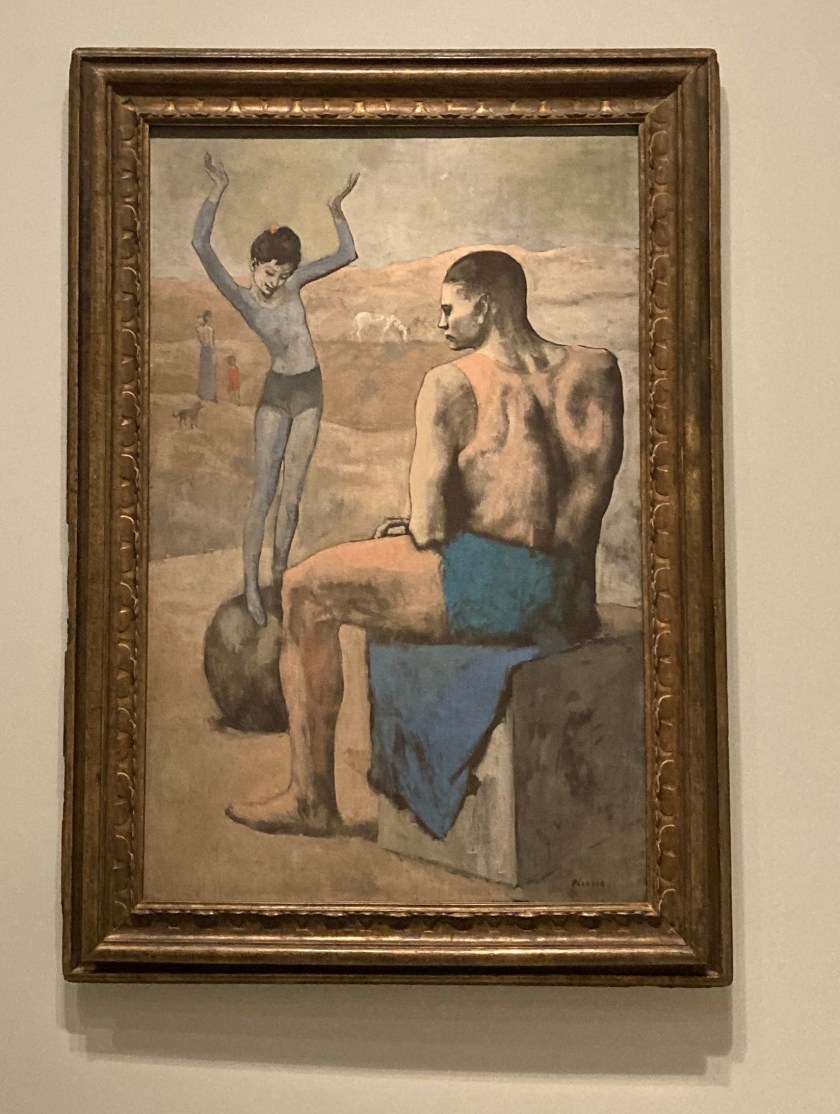
Picasso from the Rose period

His brother Ivan took over the family business, abandoning his dreams of becoming a painter, and kept adding more French impressionists, post-impressionists and Fauvists to the collection, his favourite artist being Cézanne. In 1912, he commissioned Bonnard to decorate the staircase of his opulent Moscow residence, resulting in wonderfully luminous panels.


At the same time, he became close to Russian artists of his generation who advised him on his acquisitions and contributed their own works to the collection. I discovered with great pleasure and admiration the lovely portraits by Valentin Sérov, a painter I did not know.
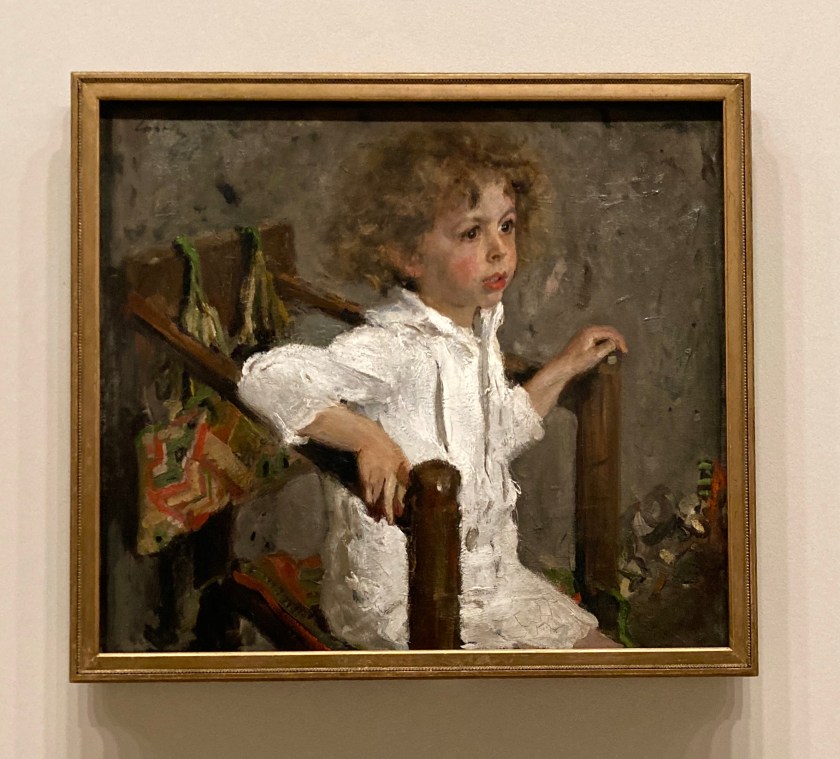
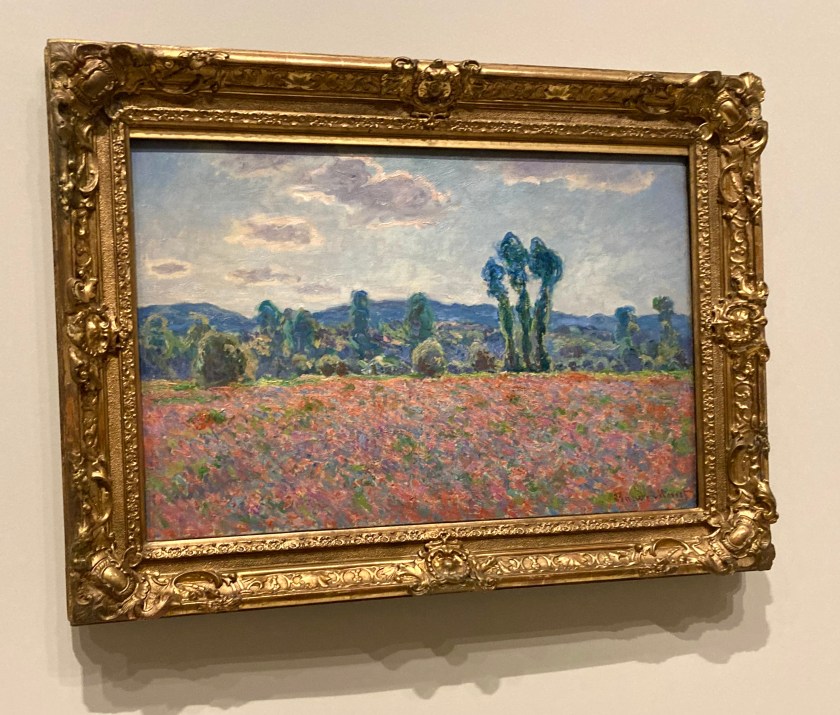
 

Valentin Sérov


In a twist worthy of fiction, it all ended with the Communist revolution of 1917 in Russia. Ivan was reduced to being ‘assistant curator’ of his own collection and his home became a state museum.


Claude Monet

In 1918, the Morozov manufacturing company, whose real estate value was estimated at 26 million rubles, was taken over by the state and later that year the collection of artworks was nationalised by official decree.


Matisse

In the summer of 1919, Ivan and his family secretly crossed the border to Finland and then emigrated to Switzerland. He died in Germany at the age of 49.


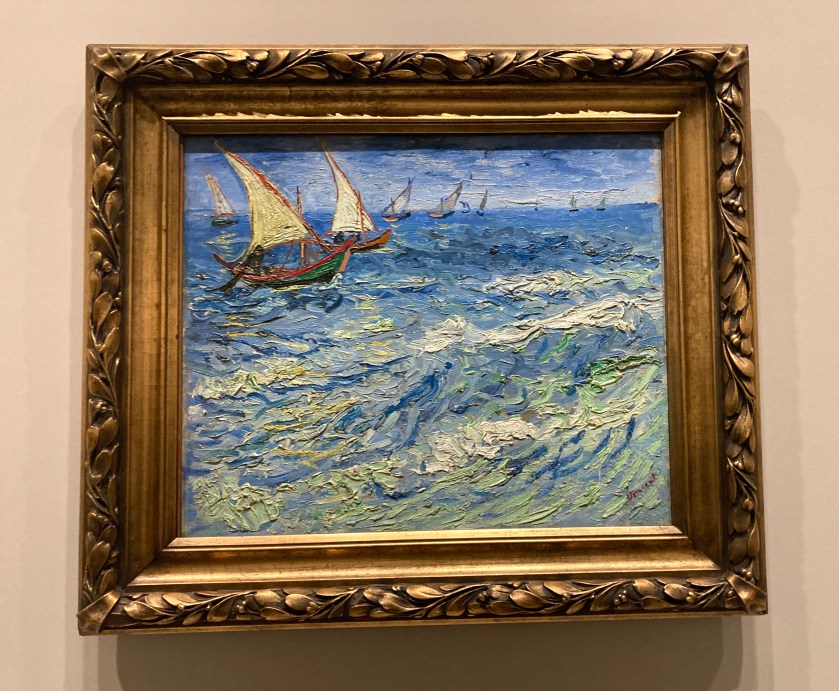
Van Gogh


When the Nazis invaded Russia in 1941, the paintings were sent to be hidden in the Ural Mountains, where they stayed fairly well-preserved by temperatures that often fell to -40 degrees.


Bonnard

It wasn’t until 1950s that the Soviet government decided to redistribute them among the Hermitage, Tretyakov and Pushkin museums.


Bonnard. The visitors give an idea of the scale of the work

One of the most unexpected paintings in the exhibition is Vincent Van Gogh’s The Prison Courtyard (1890), which he made while in the Saint-Rémy-de-Provence psychiatric hospital. The artist’s brother Theo had sent him a photograph of Gustave Doré’s drawing of a London prison’s courtyard which Van Gogh reinterpreted into a primarily greenish blue-hued painting, the conditions of the prisoners echoing his own

And finally, two more portraits, a self portrait by Alexander Golovine,

and a portrait of Ivan Morozov by Valentin Serov, which features one of his paintings by Matisse in the background.

Fire…

A terrible catastrophe is taking place in Greece, where a large number of wildfires, caused by the worst heatwave in years, are destroying the natural environment to an unprecedented extent, while also causing untold damage to personal and state property.

The fires are raging in the suburbs of Athens, where they have destroyed the pine forests of Varibobi and Tatoi, up the slopes of Mount Parnitha,  on the island of Euboea and elsewhere.

Photo Reuters

The situation is still at this moment far from being brought under control. Our neighbouring Turks are also fighting serious fires, so we are unable to come to each other’s assistance as we would normally do. Both countries have even been obliged to enlist the help of civilians. However, we have had assistance from Cyprus, France, Roumania, Sweden, Croatia and others, who have sent planes, helicopters and firefighters.

I will not go into details, which can be read in any newspaper. I would just like to express my gratitude to the firefighters; it is a real hero’s job in the worst possible conditions, especially since there are strong winds making everything inconceivably harder.

Wildfires have got much worse worldwide in recent years, which should certainly give us cause for thought. It is lamentable that governmental reaction to obvious phenomena is so slow, and always led by political and financial considerations rather than public benefit. The destruction of nature is really the saddest thing.

A repeat visit

It’s so lovely to be able to go to shows and museums again, albeit still with masks on. And let’s hope we will not be shut in again…

For now, though, on a hot and windy day in Athens, I took the opportunity to revisit the Eliza and Basil Goulandris Foundation, a museum about which I have written before.(here).

The couple’s collection is so extensive that it would take multiple museums of this size for everything to be exhibited at once, so there is a certain amount of rotation. It was an opportunity to see some new works as well as to bask in admiration of jewels such as this dreamy still life by Gaugin. The colours glow even in my moderate  iPhone photo. 


Gauguin, Bowl of grapefruit

I’m also posting a few different photos this time.

A large sculpture be Igor Mitoraj, in bronze with a brown patina, called Luci di Nara.


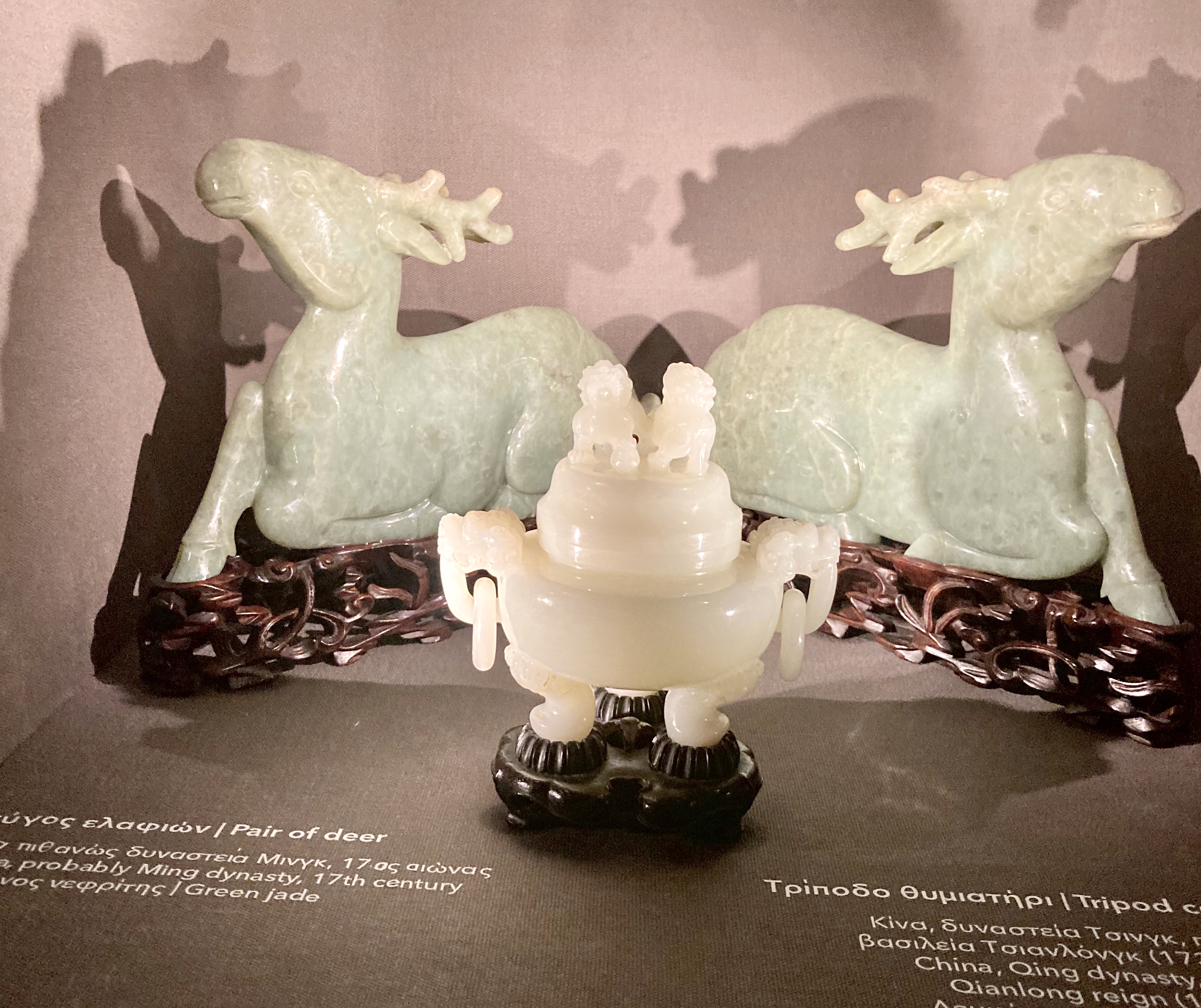
Two lovely jade reindeer from  the 17th-century Ming Dysnasty.


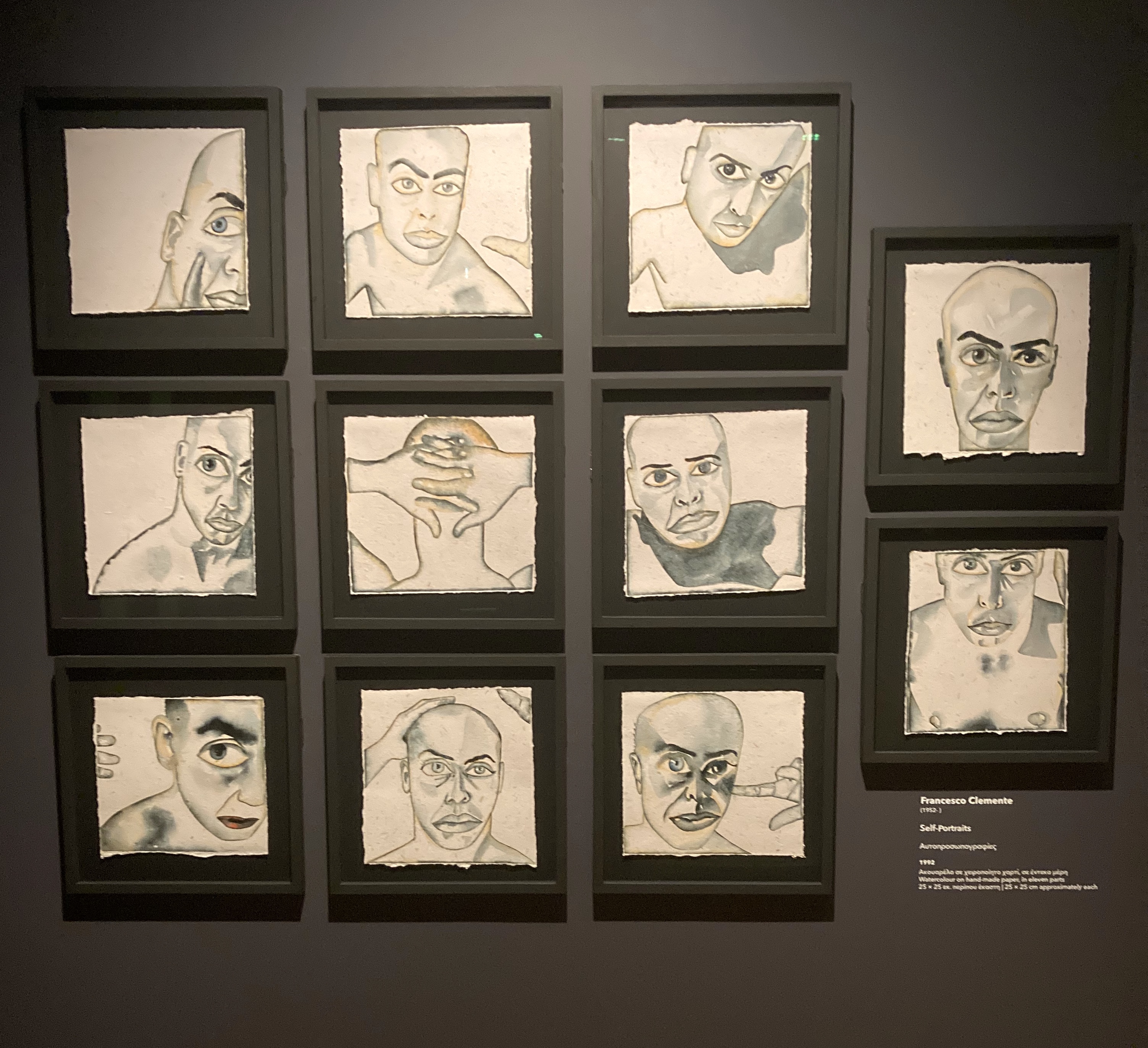
Some cool drawings by Francesco Clemente, always a favourite.


A sculpture by Barbara Hepworth.


An interesting monochrome by François Rouan.


And, last but not least, a mixed media abstract by Jean Fautrier. It’s called Manhattan, and represents an aerial view of the city at night. 


Enjoy! 

The start of the Greek summer

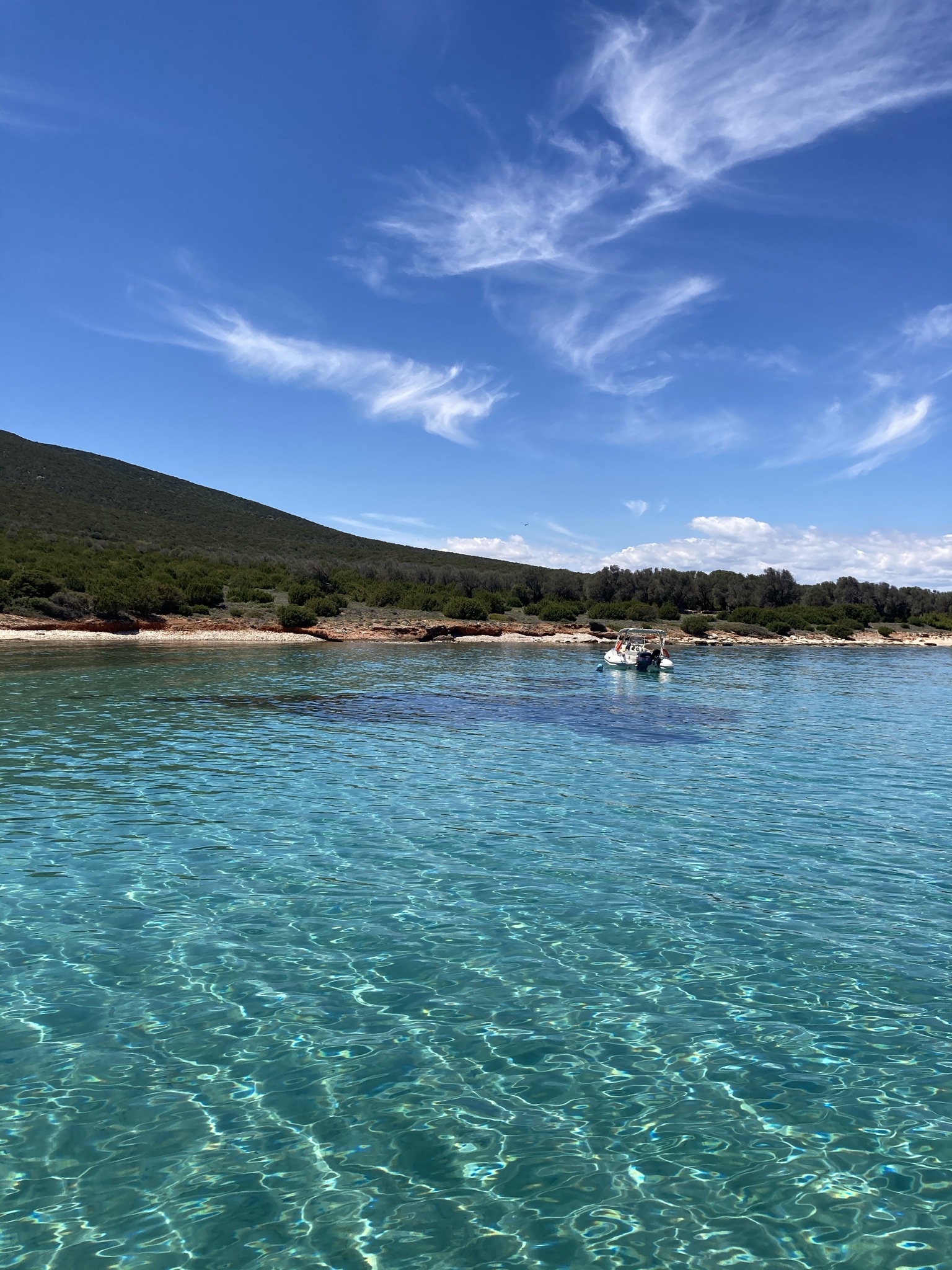
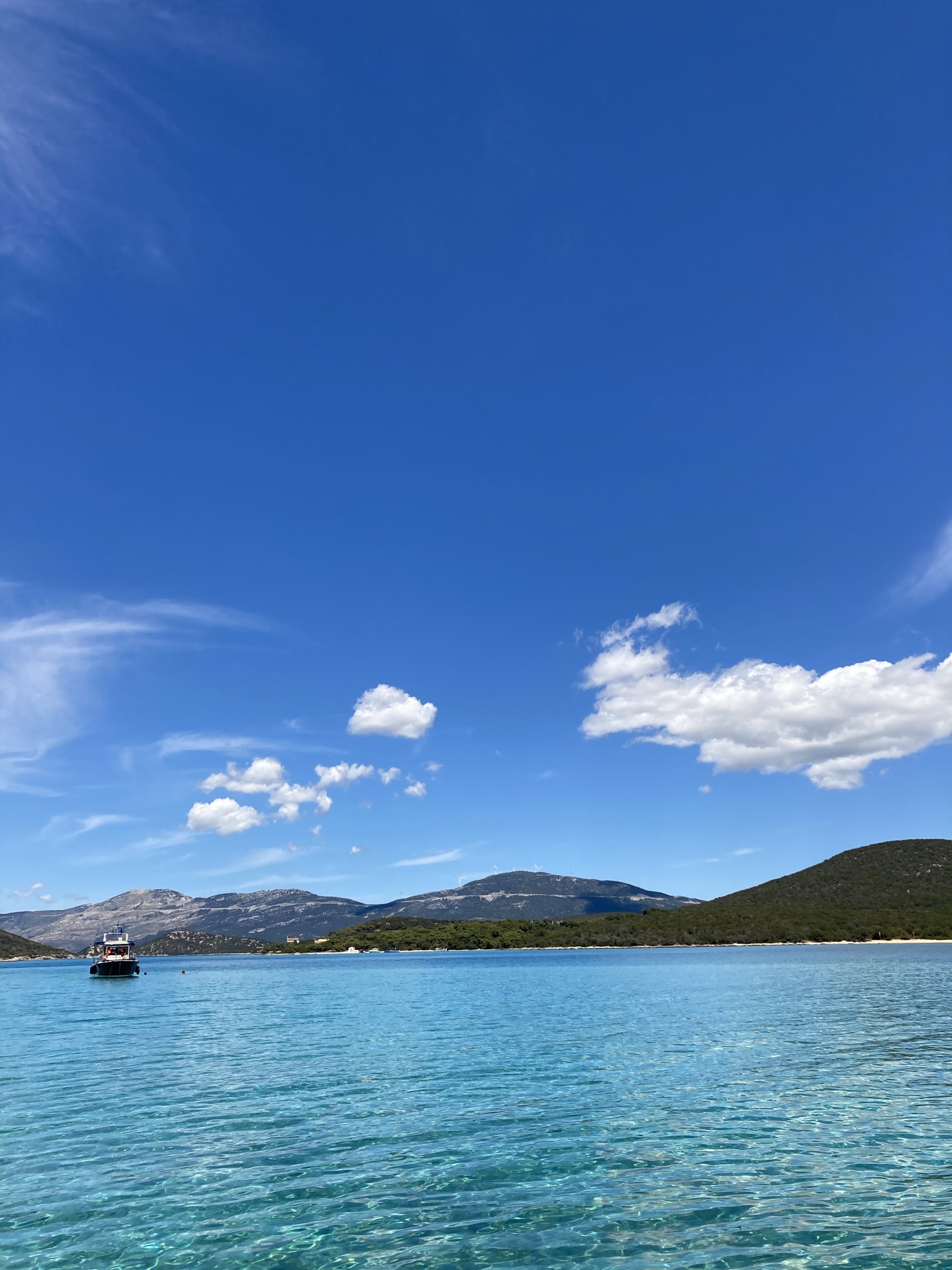
May is a beautiful season in Greece. Not too hot yet, brilliant sunny days interspersed with the occasional shower, a pure transparent sky.


The sea is still a little chilly but, once you’ve warmed up in the sun, the initial shock only lasts a few seconds. And the sense of well-being afterwards lasts for hours.


The sun is good for replenishing Vitamin D, and the heat seeps happily into the old bones.

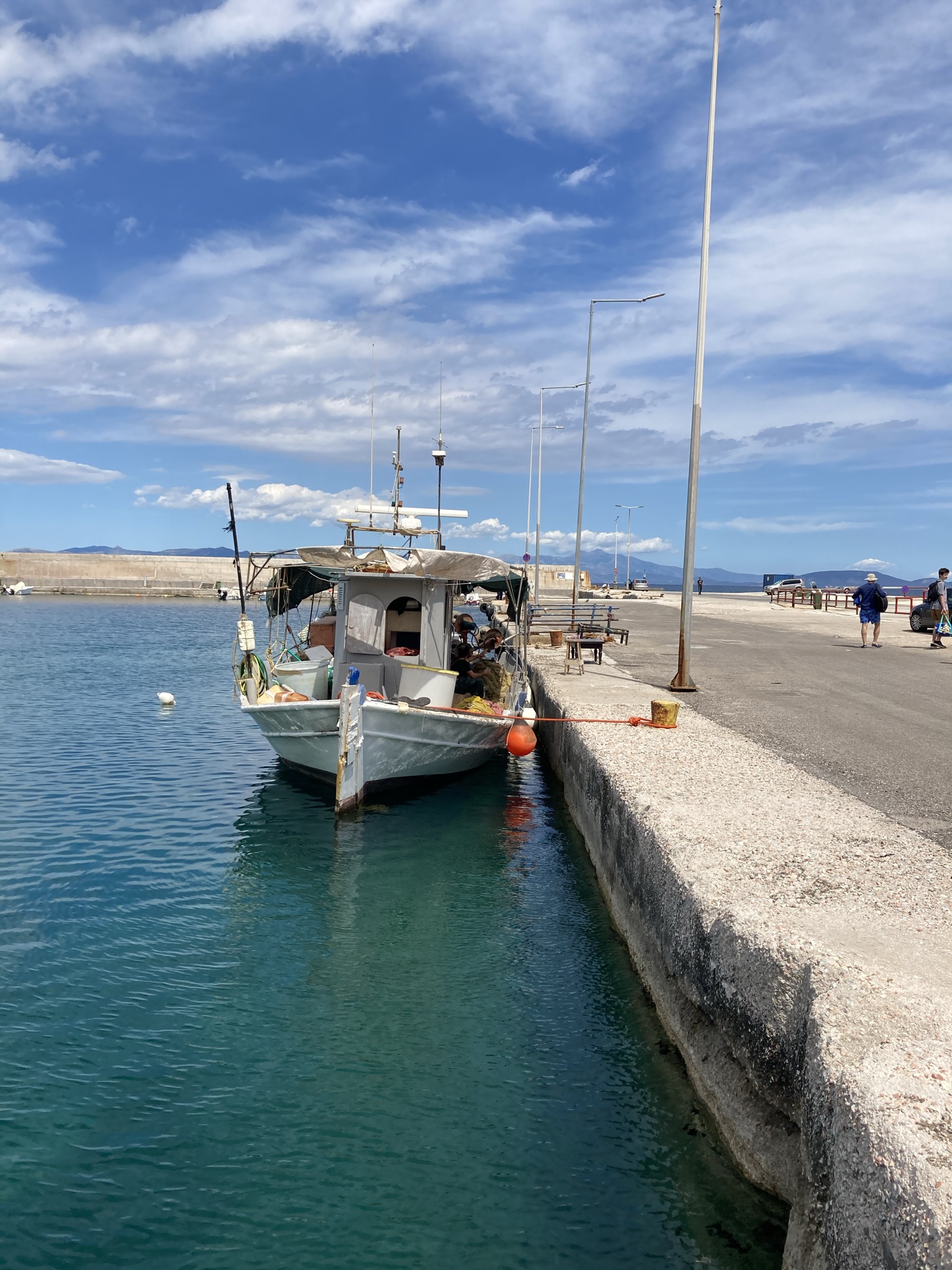
Below, fishermen mending their nets

Athens, too, is showing its best side. Cafés have opened their terraces, although people are still wearing masks in the street. And the bougainvillea is out in all its glory.


I’ve been volunteering to teach Greek online to a bunch of boys (unaccompanied minors in a refugee shelter belonging to the Home project, about which I posted a while ago) and we finally got a chance to meet in person, which was lovely.

Philopappos monument. Photo: Wikipedia commons


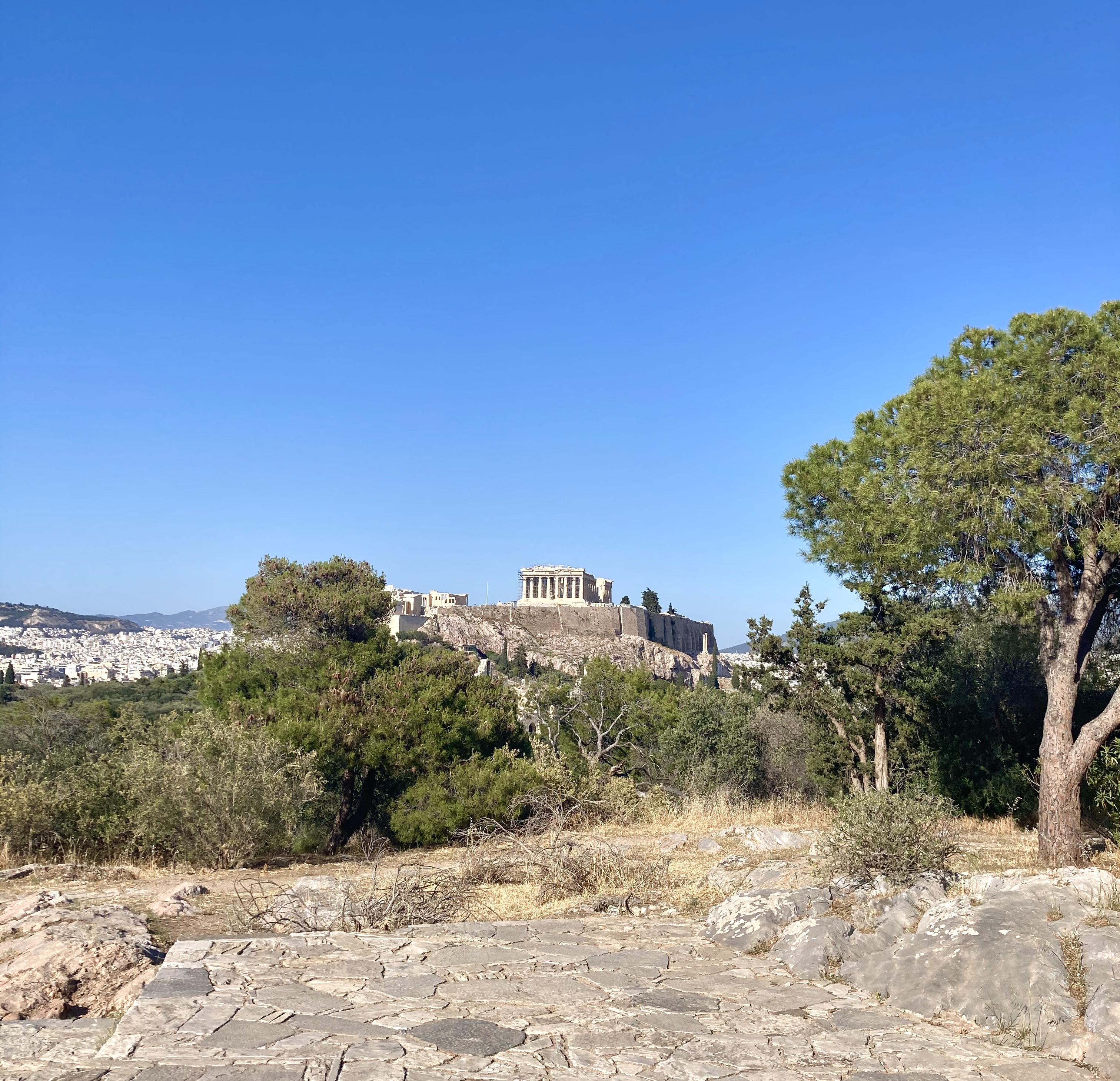
We went for a hike on Philopappos hill. This large park, which is known for the beautiful landscaping and stone pathways created by architect Dimitris Pikionis, is the home of many indigenous bird and a great variety of plants and trees. It is a favorite promenade of Athenians and presents the visitor with great views of the Acropolis, the whole city of Athens and the Aegean Sea that surrounds Attica. In 115 AD, a monument dedicated to the exiled Roman Prince Gaius Julius Antichus Philopappos of Commagene (a region in ancient Armenia) was erected on top of the hill. 
After his exile, Philopappos settled in Athens, became an Athenian citizen and held religious and civil offices. He was considered a great benefactor and was highly esteemed by the residents.


Best of all, the backdrop: the Parthenon, under a  brilliant Attic sky. 

How Odysseus traveled

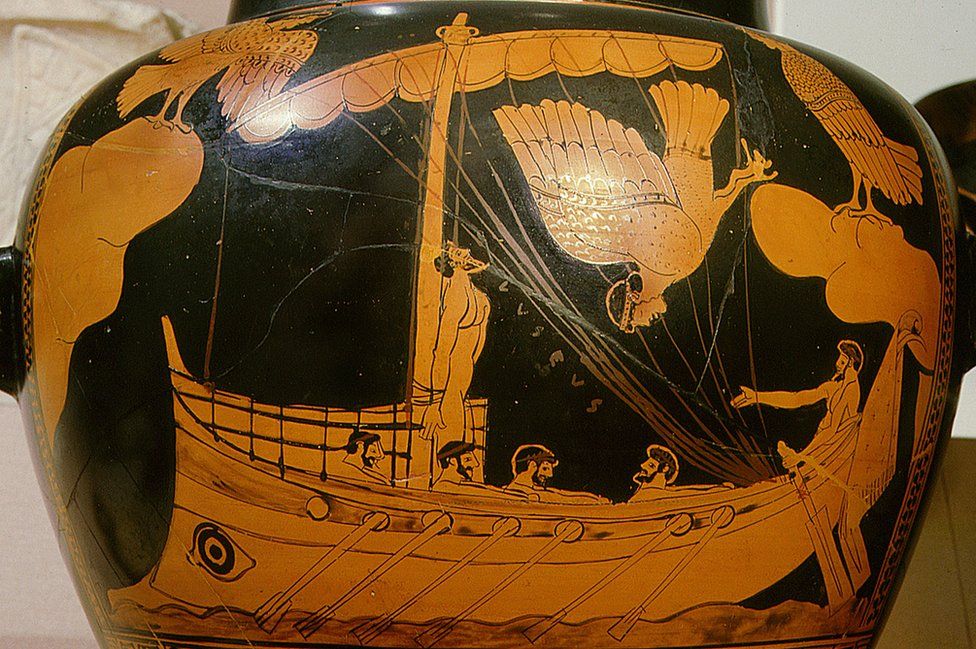
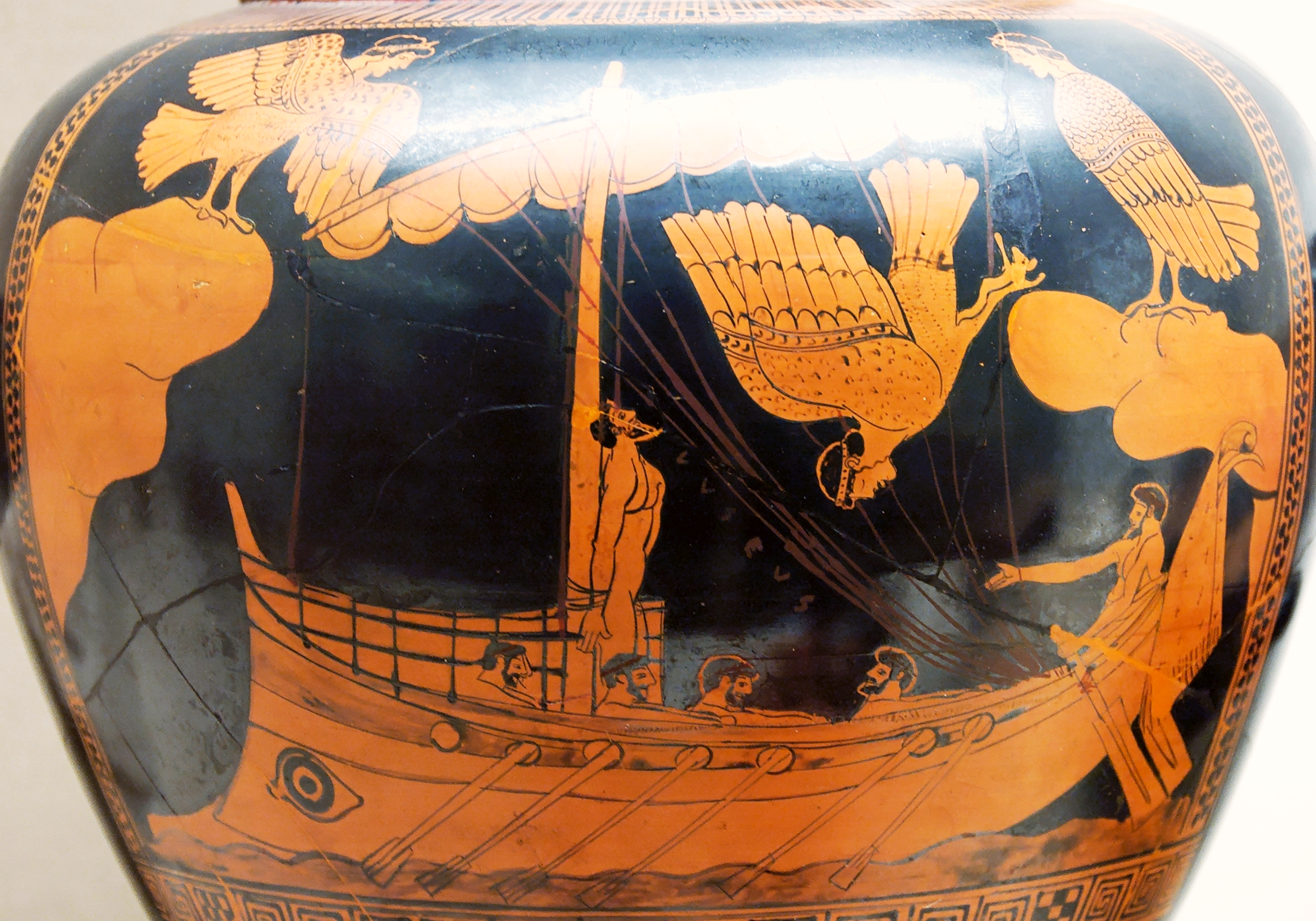
There have been many depictions of the familiar story of Odysseus and the Sirens. In Homer’s Odyssey, Odysseus (or Ulysses), following the advice of the sorcerer Circe, stopped his crew’s ears with beeswax so they’d be deaf to the sweet song of the Sirens, creatures half-woman and half-bird who lured sailors to destruction. He himself wanted to hear the song, but he had the crew tie him to the mast so he could not steer the ship off its course.

One such detailed depiction can be seen on the red-figure vase below, dated c. 475 B.C.


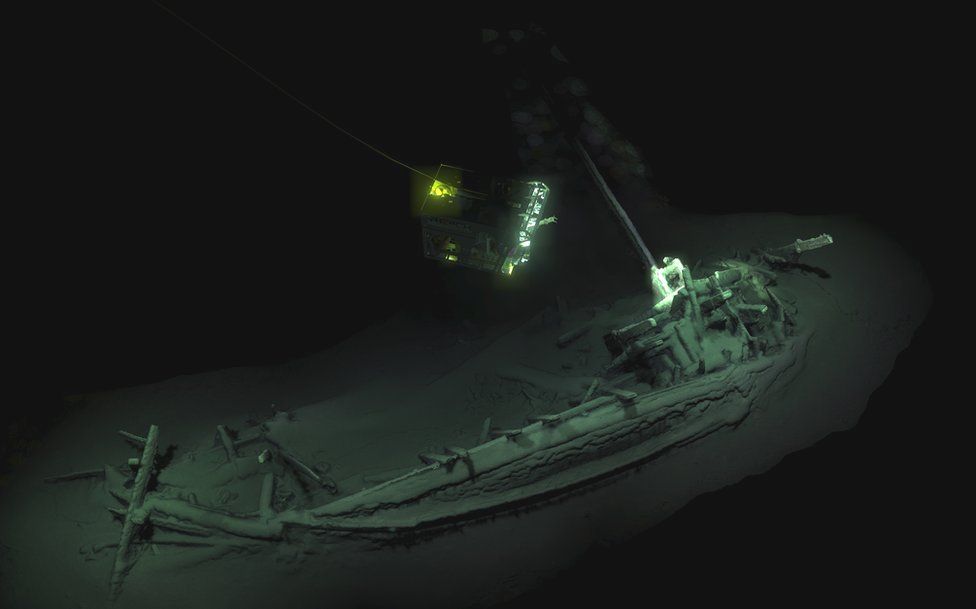
Amazingly, a ship which looks just like the one on the vase has been found by archaeologists using a ROV (remote operated vehicle) at the bottom of the Black Sea, off the Bulgarian coast.

The 23-meter vessel is thought to be a Greek merchant ship dating back more than 2.400 years. It is being hailed as officially the world’s oldest known intact shipwreck. The rudder, rowing benches and even the contents of its hold have been preserved  because at that depth the Black Sea water is anoxic, or free of oxygen. Lying more than 2,000m below the surface, it is also beyond the reach of modern divers.


The Anglo-Bulgarian team that discovered it used two underwater robotic explorers to map out a 3-D image of the ship and they took a sample to carbon-date its age. The vessel is thought to be one of many trading between the Mediterranean and Greek colonies on the Black Sea coast. As yet the ship’s cargo remains unknown and the team say they need more funding if they are to return to the site.

“A ship surviving intact from the classical world, lying in over 2km of water, is something I would never have believed possible,” said Professor Jon Adams, the principal investigator with the Black Sea Maritime Archaeology Project (MAP), the team that made the find. “This will change our understanding of shipbuilding and seafaring in the ancient world.”

Described as the most extensive underwater archaeology exploration to date, the Black Sea MAP (Maritime Archaeology Project) not only discovered or rediscovered a total of 67 shipwrecks from the Antiquity, the Middle Ages, and the Modern Era found on the bottom of the Black Sea in Bulgaria’s section, but it also explored the once flooded coast with its submerged prehistoric settlements, and even offered insights into the hypothesis that the Black Sea was the site of the Biblical Deluge.


Yayoi Kusama, again


Spring is finally coming to New York, with an exhibition in the Botanical Garden guaranteed to cheer up the grumpiest souls.

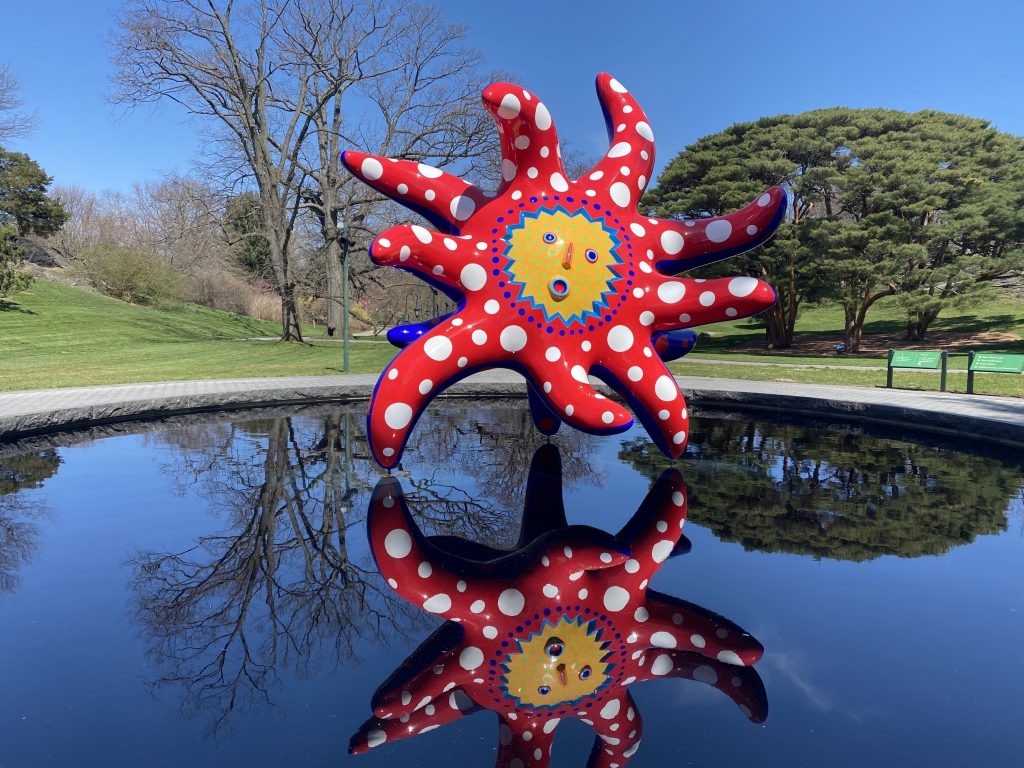
Yayoi Kusama, I Want to Fly to the Universe (2020) at the New York Botanical Garden. Collection of the artist. Photo by Sarah Cascone.


Yayoi Kusama has done it again, producing a number of joyful and exhilarating works, which people will be able to enjoy amongst the daffodils and blossoming cherry trees, without having to queue up for hours, as they did to experience her Infinity rooms.

The artist’s passion for nature—nurtured in her childhood since her parents made a living from the cultivation of plant seeds—is expressed in explosive exuberance.

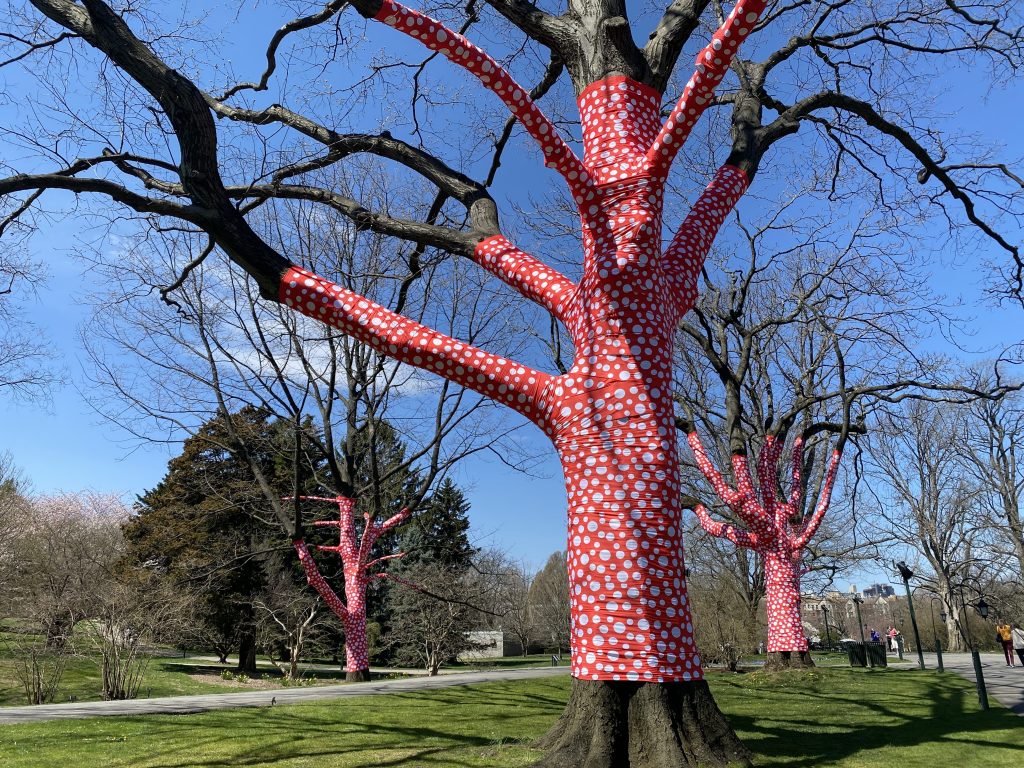
Yayoi Kusama, Ascension of Polka Dots on the Trees (2002/2021) Photo by Sarah Cascone.

Trees wrapped in polka dots lead the public from one work to the next

Dancing Pumpkin (2020) Photo by Robert Benson Photography, courtesy of Ota Fine Arts and David Zwirner.


Her iconic pumpkin has broken out legs and is dancing.


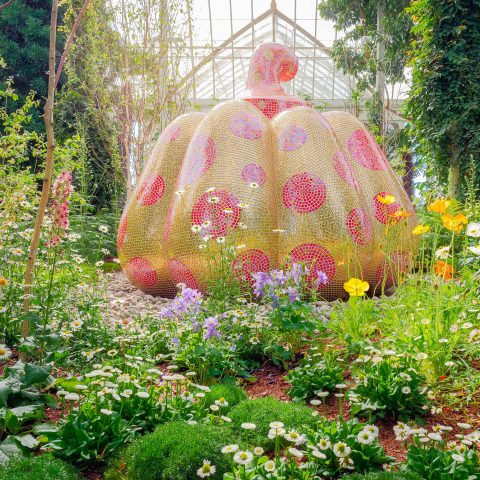
Yayoi Kusama, Starry Pumpkin. Photo by Sarah Cascone.

Another is blossoming in a greenhouse .

The exhibition is entitled Kusama: Cosmic Nature, and will be on until October.

I remain awestruck by this 92 year old artist who, despite her complicated familial and romantic history, and chronic mental problems—she permanently and voluntarily lives in a psychiatric hospital—still has the creativity and zest to produce such joyful works.


Previous posts about Kusama  here and here and here. Photos from Artnet News article by Sarah Cascone, April 8, 2021.

Celebrating Greek Independence

Today Greece celebrates 200 years of her declaration of the War of Independence, which freed the country from 4 centuries of Ottoman rule.
The Greek Revolution was waged between 1821 and 1830 by Greek revolutionaries against the Ottoman Empire. The Greeks were assisted in their efforts by Great Britain, France and Russia, while the Ottomans were aided by their North African vassals, particularly the eyalet of Egypt.

The start of the revolution. Photo: Benaki Museum


The annual national holiday of March 25th, despite being marred by coronavirus restrictions, is being touted as a new starting point after a very difficult decade. Years of painful austerity drove the country deep into poverty, making one in two young Greeks unemployed and forcing more than half a million people to leave the country to find work abroad. No sooner had the economy started to recover, than the coronavirus pandemic hit and Greece slipped back into recession. Greeks really need to herald a new, more hopeful era.

The entire world will mark the bicentennial, since the Greek Diaspora thrives in every corner of the globe. Iconic landmarks in all of those countries will be illuminated in blue and white in honor of the Greek people and their struggle for freedom 200 years ago.


The battle of Navarino. Photo: Wikipedia


It is sobering to think that, despite the weight of her history, modern Greece is still a young country which, having missed the Renaissance, has had to struggle to catch up with her European neighbours. At least we had the good fortune to escape being included in the communist bloc after the war, something which has cost our Balkan neighbours dearly.

Heroes of the Greek Revolution. Photo: Google


🇬🇷 Footnote: A well-known Greek actor has proposed that, in order to properly celebrate the bicentennial, Greek men should grow moustaches like the ones above.

Random thoughts (and drawings)

January and February have never been my favorite months—it’s still SO DARK! Usually I’m a morning person, but I find myself feigning sleep so the dog doesn’t ask to be let out at 7 a.m. She also has to be dressed, alas. See below the latest in dachshund winter fashion…


We have been deprived of many little pleasures of normal life: sharing a bottle of wine and a nice meal with friends (preferably prepared and served by someone else!), wandering around an art exhibition, taking in a show…Moreover, in any wanderings we are surrounded by people wearing masks, so even exchanging a smile is not the same.

We are lucky at least that we can enjoy some entertainment at home. I really enjoyed The Queen’s Gambit (about chess) and Dickinson (a very amusing takeoff on the poet’s early life), and a wonderful documentary called My Octopus Teacher. Remember I wrote about An Octopus in my House (A strange Pet)?Well, this one is even more remarkable, since it is filmed in the wild, underwater, in a kelp forest. Highly recommended. Unfortunately, it has quite put me off eating octopus, which I used to love. But, it inspired me to make an ink drawing.


There is only so much screen time I can take, but I’m a bookworm, so I’ve devoured some of my TBR pile: Where the Crawdads Sing,  by Delia Owens, about a girl growing up in a swamp—wonderful), two cozy mysteries: The Thursday Murder Club by Richard Oscan (very entertaining) and The Guest List by Lucy Foley (a page-turner), a thriller called Magpie Lane by Lucy Atkins (another page-turner). On a totally different note, Fresh Water for Flowers by Valerie Perrin (about a woman caretaker of a cemetery). And finally a memoir called The Lightless Sky, by Gulwali Passarlay, describing his journey, as a twelve-year-old boy, from Afganistan to the UK (mind-boggling). 

I do love to have a couple of books on the go, so now I’ve started Girl, Woman, Other, which won the Booker Prize for writer Bernadine Evaristo, together with The Mirror and the Light, the last in the Cromwell trilogy by Hilary Mantel (a huge slab, but I loved the first two, so I will persevere). I’m also dipping into The Lemon Table, short stories by Julian Barnes. Hope this list will inspire some of you.

Apart from chilly walks wrapped up in layers like an onion, I’ve also been drawing. I finished up a few Christmas present comissions.


The ones above inspired me to make a large elephant pencil drawing.


I find I’m more in the mood for drawing than painting at the moment. I added a couple of drawings to my ‘Travelers’ series.


My resolution for this year is to include more human figures in my work, and even, dare I say it, some portraits. I find I always collect portrait photos because I so admire the capability of artists to reproduce likeness and expression. I’m also drawn to portraits in museums because they show so much about each era. So perhaps it’s time to try for myself.


Celebrating Christmas

This year’s celebrations will be difficult if not nonexistent for a lot of people. Yesterday my thoughts were with the hundreds of truckers blocked on each side of the Channel who will not make it home to their families for Christmas. But it’s not only them: so many elderly persons living alone and unable to see family, so many families divided, so many displaced and homeless people. Those of us who have a roof over our heads and food in our plates already have a lot to be thankful for.

At a time when the news is relentlessly bad and the future is uncertain, what better way to celebrate than by listening to children’s voices, joyful and pure.


El Sistema is a social education program founded in Venezuela in 1975 by Dr. José Antonio Abreu, which aims to provide inspiration through music. It has expanded to more than 60 countries and, since 2016, El Sistema Greece has the goal of bringing music education to children and young people, including those in refugee camps in Athens and on the island of Lesvos. Thanks to music, these kids are given a platform for dialogue and togetherness across diverse communities.


One of the most fervent ambassadors of El Sistema Greece, world-famous Mezzo-soprano Joyce DiDonato has visited Athens many times, for performances and workshops. Now she joins her voice once again with the members of the El Sistema Greece Youth Orchestra and the El Sistema Greece Youth Choir, who come from 30 different countries, in a virtual concert hosted by the Stavros Niarchos Foundation.

I give you The First Noel, and wish you all a very happy Christmas!

https://youtu.be/ilqrly3FBWo


Athens turns up another treasure

Aiolou Street is named after Aeolus, God of the Winds, and is the first street to have been paved in Athens in the 19th century. It it to this day a major shopping street in downtown Athens, and it is in its sewage system—which has been undergoing a maintenance overhaul—that workers discovered a bust of Hermes, herald of the gods.


The marble head is bearded and with his hair in strictly arranged curls. In good condition, it was found a mere 1.3 meters under the road surface.

The bust dates from around 300 BC, and is believed to have been part of a stone pillar serving as a street marker. These pillars were called Hermae, and were used as markers and also to impart good luck to travellers, and ward off harm or evil. They were placed at crossings, country borders, in front of temples or public buildings such as libraries, gymnasia, and palestrae, and also in front of houses. They were quadrangular and plain, with the head sitting on top; sometimes male genitalia were carved at the appropriate height. They were called Hermae because the head of Hermes was the most common, since he was the protector of merchants and travelers. However, the heads of other gods and heroes, and sometimes distinguished mortals, were also frequent.


Photos from Google