Saving the seahorse

Diver Vassilis Mendoyannis was part of an archaeological team making an underwater inspection of the mining port in Stratoni, on the Halkidiki peninsula. Taking a detour to come out of the sea, he suddenly came upon a seahorse.
‘I was ecstatic,’ he says, ‘since, despite many years as a diver, I’d never come upon one of these creatures in the sea. Then we saw a second, and a third… The place was full of them! It was amazing.’
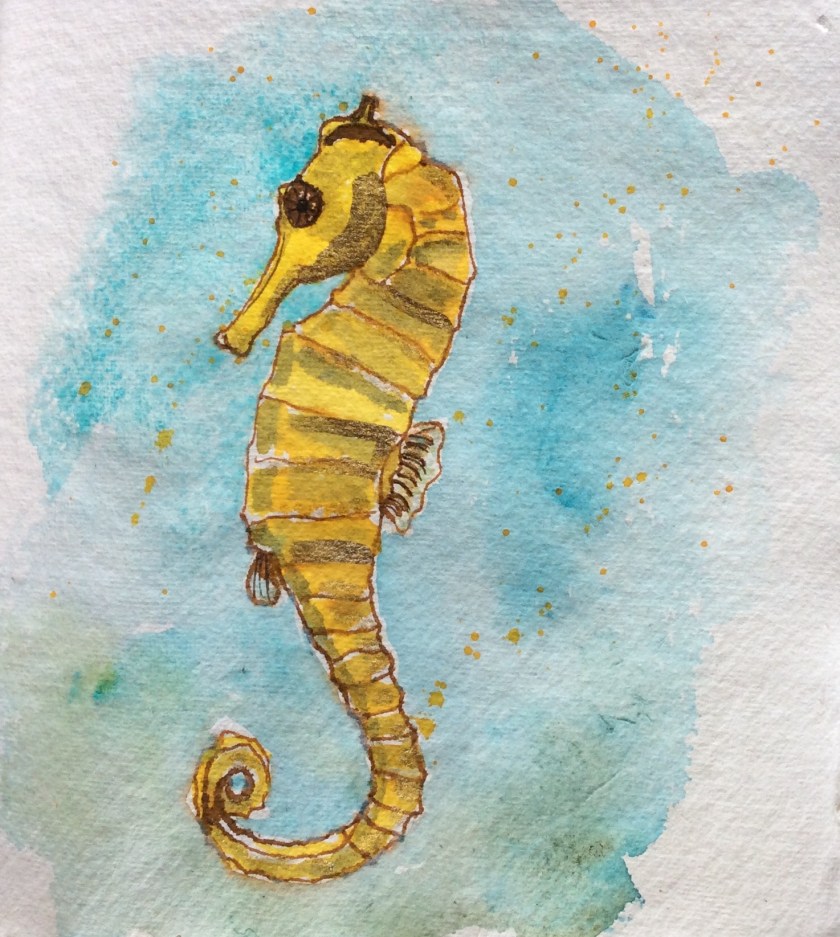
 

img_4018


Seahorses are fish. They live in water, breath through gills and have a swim bladder. However, unlike other fish, they have an exo-skeleton. They eat small crustacea, sucking up the food through their snout which is like a mini vacuum cleaner. An adult eats 30-50 itmes a day. Baby seahorses, which are amusingly called seahorse fry, eat a staggering 3000 pieces of food per day!

Mendoyannis returned to the spot a few months later, and again met with a plethora of seahorses. When he asked local fishermen about it they confirmed their presence in the area, showing him many that had got caught in their nets.
This was an important discovery, since seahorses are a vulnerable species, despite being masters of camouflage: they’re able to change color almost instantly and can grow appendages which make them resemble seaweed. However, they are slow swimmers and are easily entangled in nets, and their numbers in Greek waters have been steadily dwindling. So, researchers at the Hellenic Centre for Marine Research were interested in finding out how that particular spot supported such an important population.

Then, in 2010, a bad storm resulted in tons of silt being deposited on the area due to the flooding of a dry stream, burying the eco-system of the sea bottom. After that, the seahorse population was reduced significantly. Being poor swimmers, seahorses use their prehensile tail to grip onto eel grass and other weeds in order to prevent themselves from being washed away by strong currents and waves. All this seaweed had now disappeared.

Mendoyannis came to the rescue. His team created an artificial environment, putting a metal grid on the sea floor to which were attached ropes and fake aquarium plants, giving the seahorses the means to anchor themselves. Results were impressive: the seahorses quickly adopted this artificial sea garden and their numbers started increasing again.


Today the area is still monitored by the Hellenic Centre for Marine Research and the seahorses are being photographed using a special, digital method which allows individuals to be recognized, despite their minuscule size. This will allow for various studies to be conducted, and a special documentary Is planned about the presence of the species in Greek seas.

‘Seahorses are are attractive and romantic creatures,’ says Mendoyannis, whose friends tease him about having fallen in love with the species. He believes that is why is why the local fishermen reacted positively to the idea of protecting the area.

The Greek name for a seahorse is hippocampus (ιππόκαμπος) which is a combination of the word ‘hippos’ (horse) and ‘campos’ (Campi in Greek mythology was a sea-monster, whose body was half human, half snake.) Ancient writers like Pliny thought the hippocampus had therapeutic properties, and, to this day, the traditional medicine trade (TCM) industry takes approximately 150 million seahorses per year from the wild for use mainly as natural aphrodisiacs.  There appears to be a new trend for dosing Chinese children with seahorse pills in the belief it will spur growth. Seahorses have also been proven to have high levels of collagen, which is encouraging Chinese women to use them as a substitute for Botox. All this, as well as the capture of seahorses to make tourist souvenirs and to display in aquariums, has been endangering the survival of the species.

When I was a child, I had a dried seahorse given to me by some fisherman. It was one of my most treasured possessions. Seahorses are unique in that the female transfers her eggs to the male, who thus becomes ‘pregnant’ and gives birth to loads of tiny offspring. Below I’ve included an amusing and rather astonishing video.

 

Aubergines – the new super food

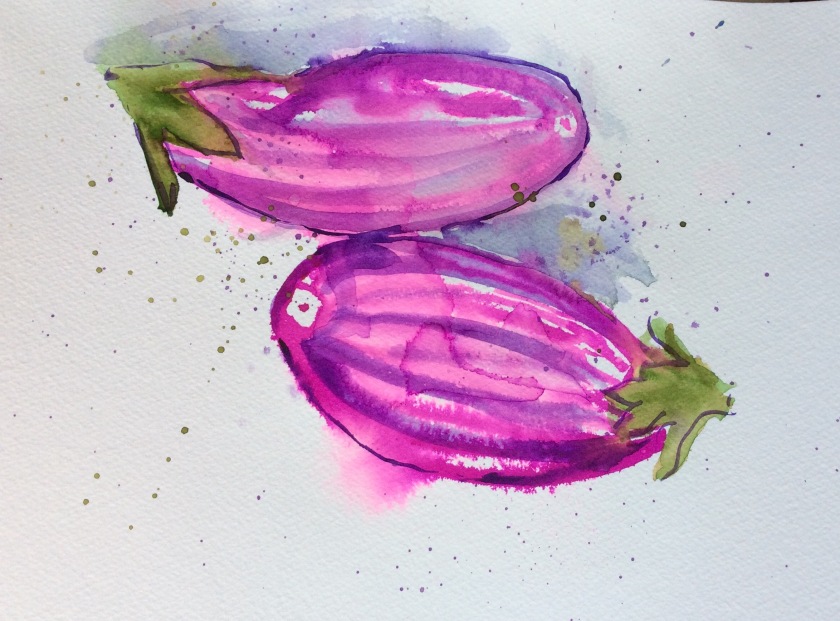
The English call it aubergine, the Americans eggplant. We call it melitzana. Well, apparently this glossy purple vegetable has now outpaced kale, avocado and broccoli to become the new ‘must’ in healthy eating.

Aubergines have always been a favorite in Greek cuisine. Fried crispy and sprinkled with salt, they make a delicious (if not super-healthy) starter in tavernas.
Braised with tomatoe and onions they become imam bayildi, a recipe we share with all our neighbors in the eastern Mediterranean: the name in Turkish means ‘the Imam fainted‘ – presumably due to the deliciousness of the dish, or, in another version, because he was horrified at the amount of oil used to cook it. An old folktale relates that an imam married the daughter of an olive oil merchant, whose dowry consisted of twelve jars of the finest olive oil. Each evening for twelve days, she prepared for him a succulent eggplant dish with tomatoes and onions; but on the thirteenth day, no dish appeared at the table. When informed that there was no more olive oil, the imam fainted.


Purple aubergines
Purple aubergines


Puréed and paired with stewed beef or lamb aubergines make the ultimate comfort food, Hünkar Beğendi, an inheritance from the Ottoman cuisine. There are two different stories surrounding the name of this dish, which literately translates as “the Sultan liked it.” The first one is that the dish was created for Sultan Murad IV (1612-1640) – either in the palace kitchens or in the kitchen of a house where Murad IV spent a night on his way back from a hunting trip – and he adored it. The second rumor is that the same dish was served to Empress Eugenie, the wife of Napoleon III, in Sultan Abdülaziz’s Beylerbeyi Palace in 1869, and she liked it so much that Abdülaziz promised to ask his chef to give Eugenie’s cook the recipe, something he was reluctant to do!

Layered with other vegetables, and topped with béchamel sauce, aubergines make up the ubiquitous moussaka. Another version is the very popular Italian melanzane alla parmigiana.

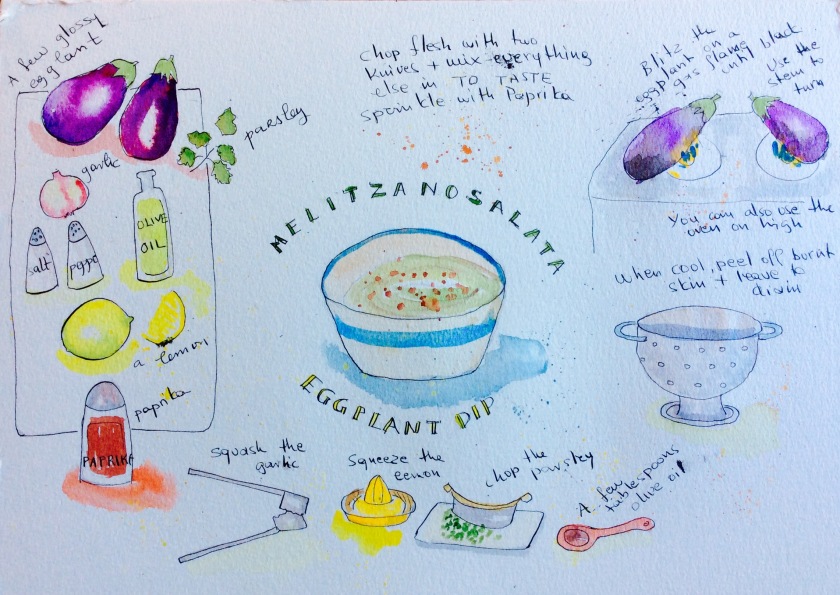
All the above recipes, though delicious, are hardly the stuff of a ‘healthy’ diet. For simpler dishes, try melitzanosalata (eggplant dip), a Levantine dish known in the Middle East, where they add tahini, as baba ganoush. The Arabic term means “pampered papa” or “coy daddy”, perhaps with reference to a member of a royal harem.
Aubergines soaked in ice water (otherwise they absorb too much oil) and gently braised in a covered frying pan with a clove of garlic, then sprinkled with basil leaves, make the ideal vegetarian lunch or an accompaniment for meat or chicken.


img_3919


So, how healthy are they?

Purple fruit and veg in general – think beetroot, blueberries, plums, red cabbage – are beneficial because the anthocyanin that provides their colour is a powerful antioxidant. Aubergine skin is also high in phytonutrients and chlorogenic acid.
Aubergines are an excellent source of dietary fibre, of vitamins B1 and B6 and potassium. In addition they’re high in the minerals copper, magnesium and manganese.

Aubergines are a member of the nightshade family; centuries ago, the common eggplant was referred to as “mad apple” due to belief that eating it regularly would cause mental illness. The vegetable produces glycoalkaloids, bitter compounds which are there to defend plants against bacteria, fungi, viruses, and insects. Glycoalkaloids are found throughout the plant, but their concentrations are especially high in leaves, flowers, and unripe fruits. They are known to overstimulate the nervous system, and have had deleterious effects in laboratory animals, however they are found in aubergines only in negligible amounts. So they are pretty safe to eat.

As to their relative merits, I think all vegetables are good for the health as well as delicious, so it boils down to a matter of taste.


Stripy aubergines
Stripy aubergines

Prophecies of doom

Prepare to be scared.

Most of us realise we live in a dangerous world – every day we wake up to news of one catastrophe after another: bomb explosions, rampaging gunmen, coups, forest fires etc. Where the cause of these disasters is natural (earthquakes, floods) there is not much the authorities can do about it, appart from taking some preventive measures. But in the case of man-made catastrophes, such as terrorist attacks, cataclysmic economic failures, the refugee crisis – it is amazing that every single time the authorities appear stumped and stupefied. They seem to find even perceptible problems impossible to predict; and, when something does happens, they try to bolt the stable door after the proverbial horse has fled, making speeches of regret and apology, and promising to alleviate the victims’ sufferings (unreliably) and manage things better next time (improbably).

To my knowledge, nobody had predicted the three major disasters of the last fifteen years (the attack on the Twin Towers in 2001, the collapse of Lehman Brothers in 2008, and the Arab Spring uprising in 2011), despite the existence of (highly-paid) analysts and think-tanks. On the other hand, when people make predictions, they often prove unfounded. For instance, P. Kennedy in his book The rise and fall of the great powers’, had foreseen the decline of the USA. Instead, Russia disintegrated, leaving the USA as the dominant world power.


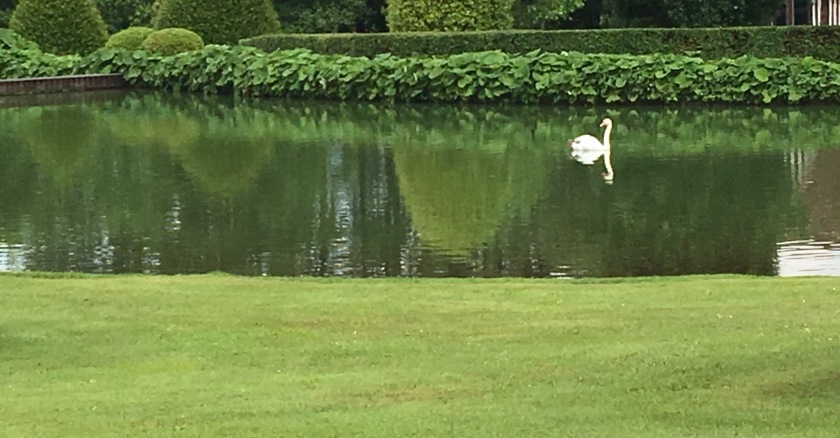
Soothing swan photo
Soothing swan photo


In an article written for the Books’ Journal, Greek professor P. K. Ioakimidis points all this out, and goes on to anticipate some possible major threats for the years to come:

The disintegration of the EU, which is experiencing an unprecedented crisis, enhanced by Brexit (see J. R. Gillingham’s ‘The EU, an obituary’).

An attack from Russia on Europe. Unlikely, perhaps, but not impossible (given Putin’s exploits in the Ukraine, Crimea and Georgia).

Nuclear war involving the US, Russia and China. A nightmarish scenario, but can an accident be precluded?

Use of the atom bomb by terrorists. Another apocalyptic development, should they happen to get hold of a dirty bomb and unleash it on a major capital city.

Revolution or civil war in China. China is going through a difficult transition, with all the dangers this entails. And the country is too big to be totally controllable.

Civil war in India, between Muslims and Hindus. This would cause huge repercussions worldwide because of the enormous population.

Revolution in Saudi Arabia, which is a very closed society with hidden undercurrents.

The globalization of the Islam conflict with the West.

A major technological accident either in the sector of physics or in the sector of biology.

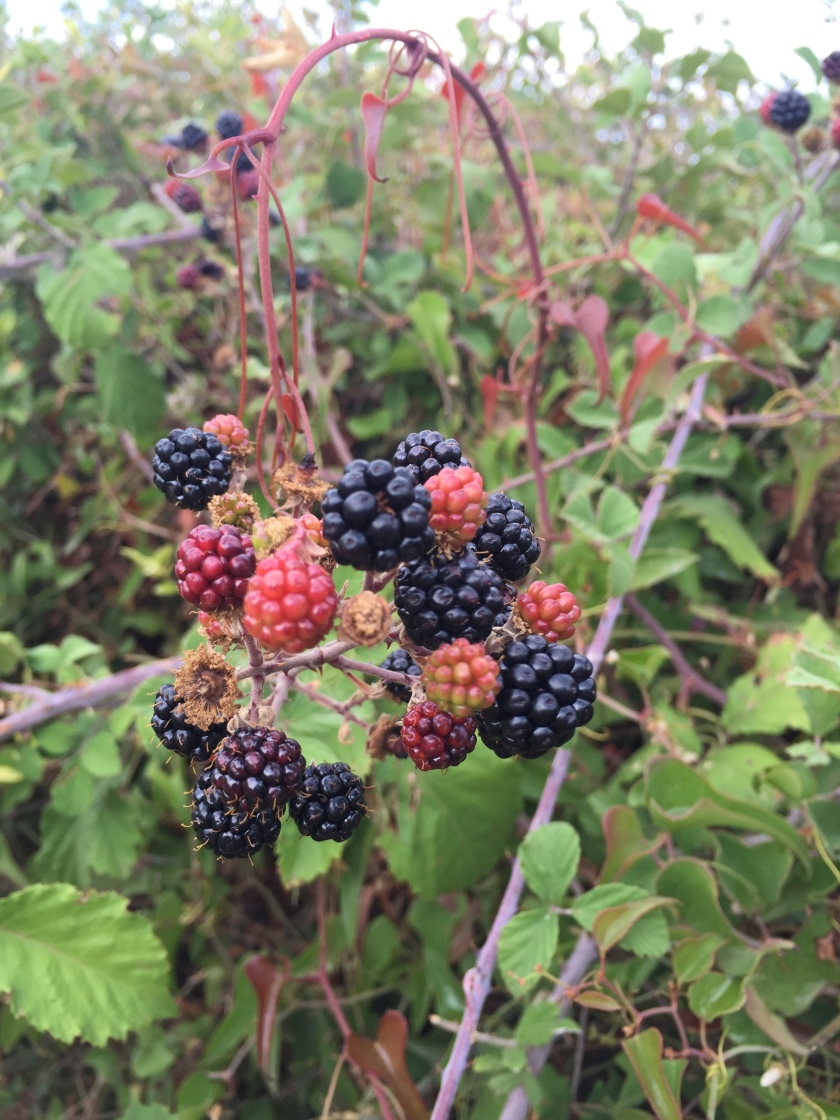
Autumn bounty
Autumn bounty

Hopefully, none of these fears will come to pass. Or, maybe something completely different will happen, with unforeseen consequences upon the world as we know it. As we speak, the increasing shifts in populations and the spread of terrorism, whether we want to acknowledge it or not – whether we believe it is our problem or not – are two things that have already had a major impact on most of our lives.

In Greece, at the moment, we are experiencing at first hand two potentially life-altering  events:
The first is the changing in the climate. All the Mediterranean region will eventually become sub-tropical. This apparently is due less to carbon emissions by cars, cows farting, aerosol cans, etc than to the effect of all the wars in the Middle East.
The second is the influx of a huge amount of foreigners, of a totally different culture, religion, and language, upon a population of eleven million, of which one are already immigrants. These have been remarkably well assimilated, so far, but there will soon be real issues of percentages, as well as of limited resources.

I wonder what everyone thinks about this – perhaps I am exaggerating, but it does frighten me to see how relatively little is done about all these issues. And history is not very reassuring, either.

A short meditation on walls

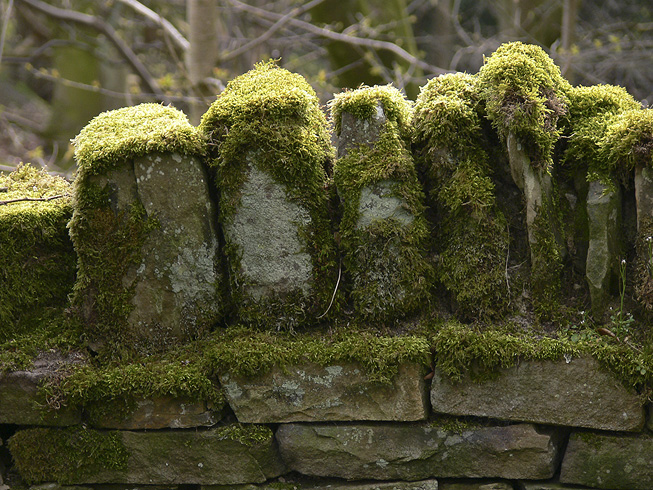
Something there is that doesn’t love a wall,
That sends the frozen-ground-swell under it,
And spills the upper boulders in the sun;
And makes gaps even two can pass abreast.

From “Mending Wall” by Robert Frost (1875-1963)


image


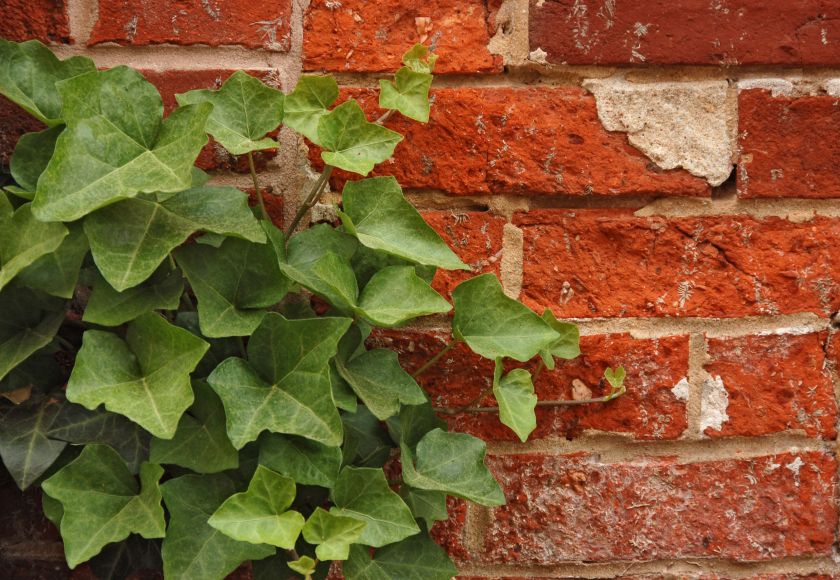
I have always loved walls. Beautiful stone or aged brick walls enclosing secret orchards.

image


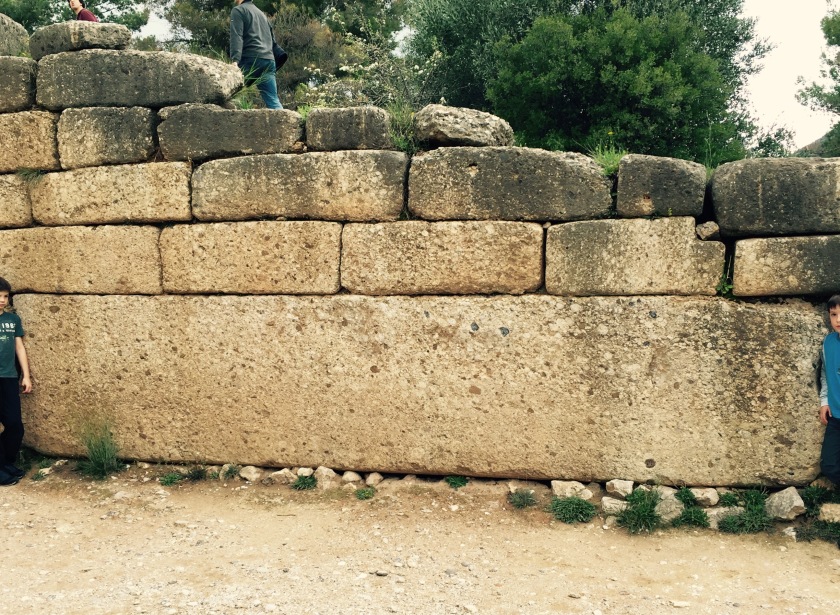
The awesome Cyclops walls at Mycenea, built of huge hand-hewn blocks.

image


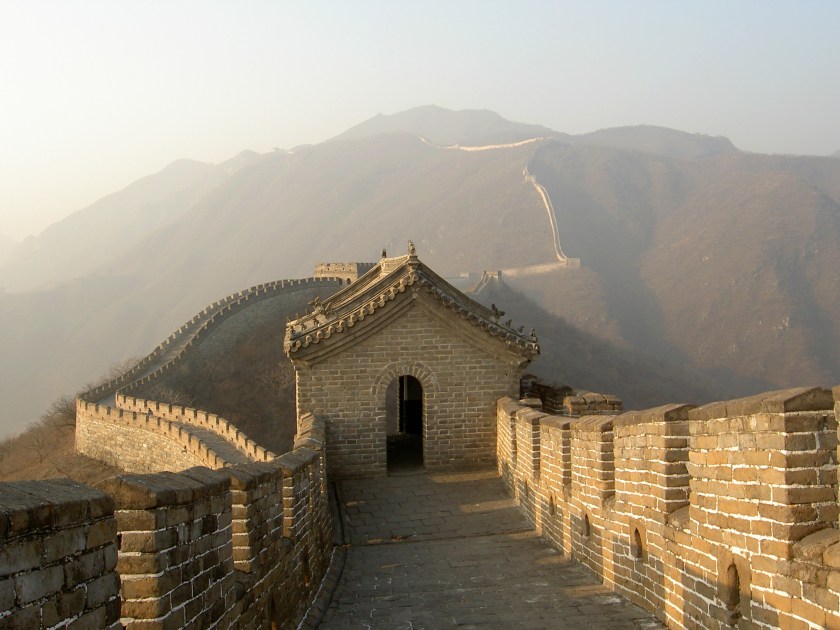
The great Chinese wall – it’s been on my bucket list for ages.

image


Walls protect, from the wind, from predators. They were used to defend cities. They retain mountains from sliding down, or rivers from flooding their banks, or the sea from encroaching on the land.

But walls can also be divisive.

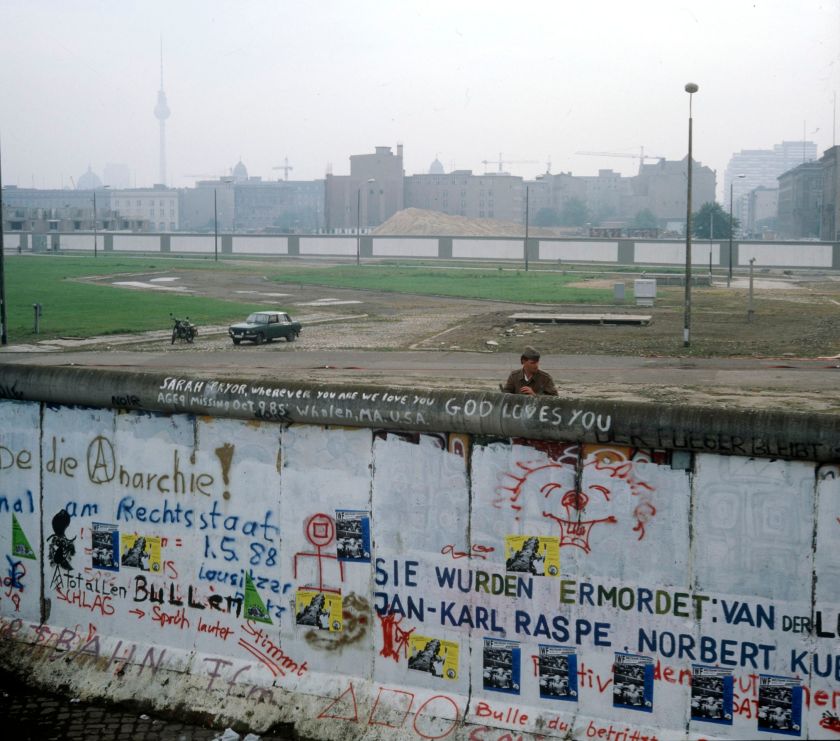
In Berlin after the war, people woke up one morning to find out they’d been cut off from their neighborhood.

Photo from 1988
Photo from 1988


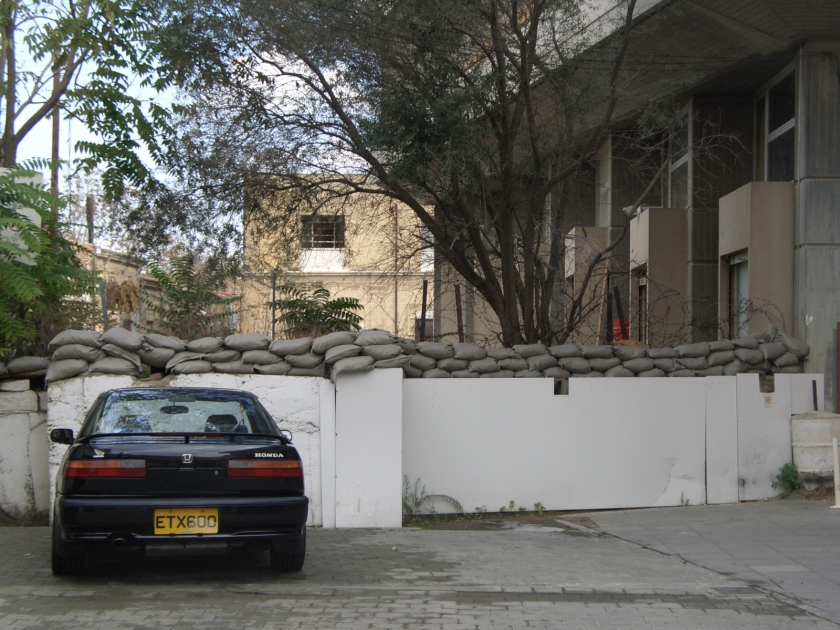
On a visit to Cyprus some years ago, a friend took me down a busy road lined with shops and cafes where people sat having a drink and a chat. Shockingly, the road was blocked by a wall cutting straight across it – a wall on which was written OCCUPIED TERRITORY. A guard stood watch on top, holding a machine gun. My friend said: ‘Our house was a hundred meters further down this road. We lost our house and half our friends, who were Turkish Cypriots.’ Interestingly, a few years later when the crosspoint was partially opened, they went to visit their old house, and the people who’d taken it over – complete strangers – gave a party for them. Which made me think that, for the amount of suffering caused to both sides by a political maneuver, there was zero benefit.


A city cut in half
A city cut in half


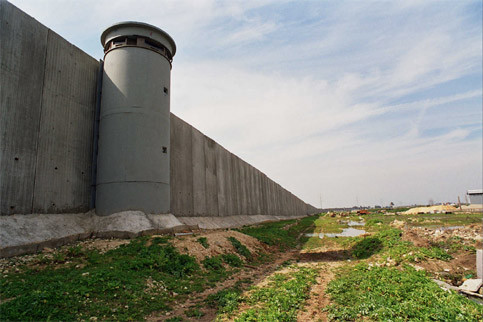
Governments continue to build this kind of wall. The kind of wall where people are always trying to get to the other side. After the fall of the infamous Berlin Wall, there were about 16 walls blocking borders around the world. Today there are some 65 walls, built or under construction, according to researcher Elisabeth Vallet of Quebec University.


image
Israel West Bank Barrier


History has shown us that there are always those who wish to expand their borders to include additional territory, and those who wish to close them to preclude immigration. Today more walls are being planned to keep out migrants. Donald Trump wants to build a wall to stop the Mexicans. Soon, at vast expense (around $3 million), there will be a new wall in Calais, France: it might protect the trains and the road, but will it stop migrants from getting into the UK? There is always another road, another way…


Non sequitur comic strip

Superhuman stories

Having watched the Paralympics in Athens in 2004, I remain in awe of these people – they are real heroes. Read this post by Anne Lawson.

anne54's avatarAnne Lawson Art

You may have already seen Channel 4’s ad for the Paralympics…..if you have, watch it again, because it is worth it. If you haven’t watch it to be uplifted, inspired and listen to a fantastic song.

Now find out more……..

As Alvin Law says, there are no disabilities, just people with incredible talents!

[Thanks to everyone who taught me how to imbed videos. It worked like a charm. I think I was overthinking the whole process!]

View original post

Guest Post: Georgios Seferis

It was lovely being asked to write a guest post by Pete. Take a look at his blog, Beetleypete, where he writes about his walks around Norfolk with his dog Ollie, and about a lot of other stuff.

beetleypete's avatarbeetleypete

I am delighted to have received a guest post from Marina Marinopoulos. The subject is the Greek Poet, Georgios Seferis. Her own attractive and informative blog can be found via this link.
https://athensletters.com/

marina-photo-2

A great poet: Giorgos SEFERIS

I’ve kept a rein on my life, kept a rein on my life, travelling
among yellow trees in driving rain
on silent slopes loaded with beech leaves,
no fire on their peaks; it’s getting dark.
I’ve kept a rein on my life; on your left hand a line
a scar at your knee, perhaps they exist
on the sand of the past summer perhaps
they remain there where the north wind blew as I hear
an alien voice around the frozen lake.

Giorgos Seferis, ‘Epiphany’ [excerpt]

Greece can boast of many great poets, such as Constatine Cavafy, Andreas Kalvos, Kostis Palamas, Angelos Sikelianos, Yannis Ritsos and others. Two of these, Giorgos Seferis…

View original post 710 more words

Messing about with clay

Some time ago, my grandchildren’s art class teacher held an end-of-year session where parents could join in, and I was asked if I wanted to tag along. I accepted gladly –
1. Because I can never resist artsy things, or anything where you get your hands dirty.
2. Because I love taking part in anything the grandkids do.
3. Because their teacher, Maria, happened to go to school with my sons and I thought it would be fun to catch up.


image


The class is an after-school activity comprising a handful of kids, and I followed them and their mothers (no dads present) into a darkened room where we sat listening to a cd of intriguing sounds. No explanation was given as we silently tried to guess what we were hearing. Water? Yes, definitely water – not waves, maybe rain – but perhaps not rain…perhaps a stream running over pebbles. Definitely something solid there, stones…hail? Then an image popped in my mind, of a video installation by the artist Bill Viola.  On a huge, vertical screen, a man lies on a slab of stone under a waterfall. Only the water is not falling on him, but flowing upwards. (You can see it here.)


image


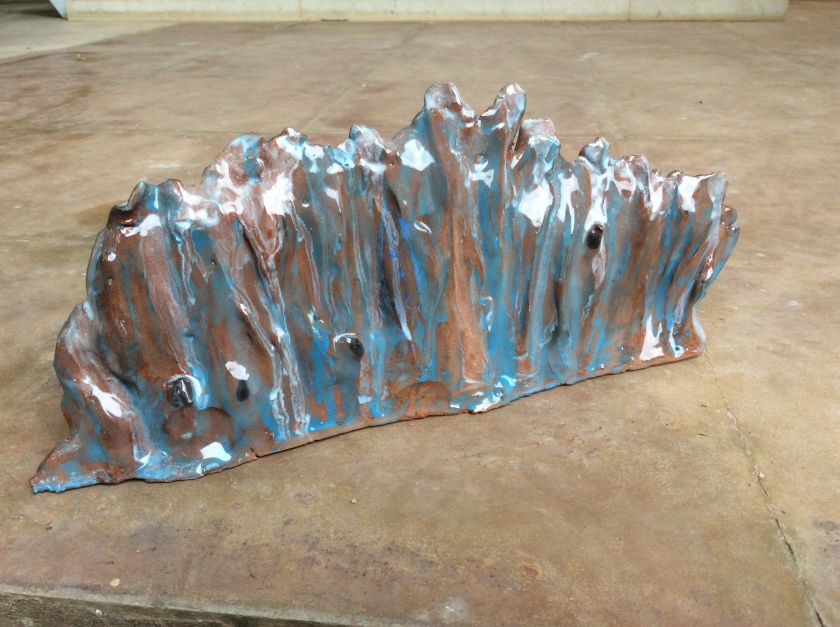
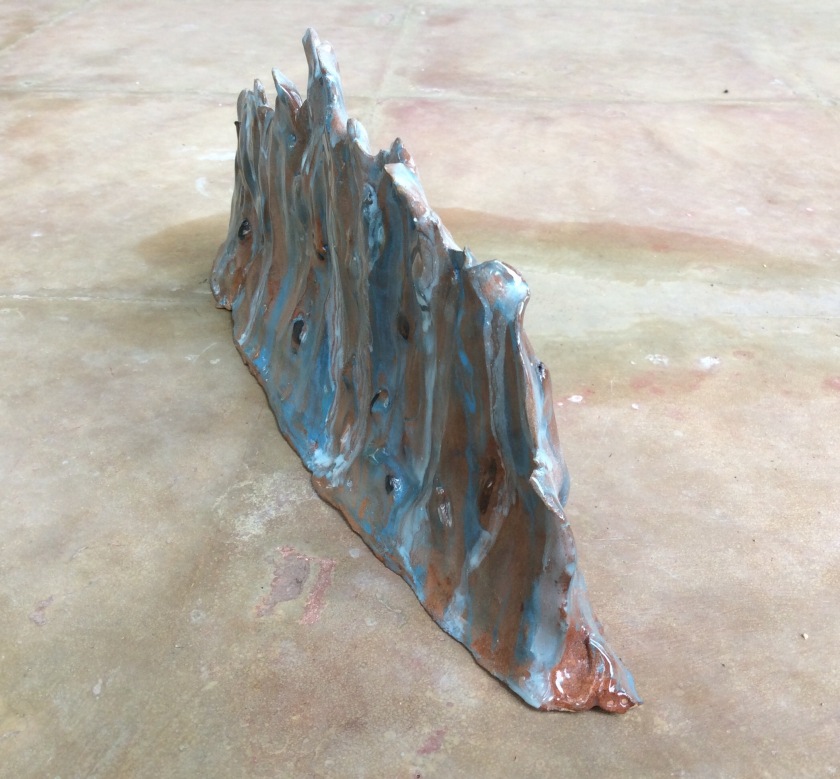
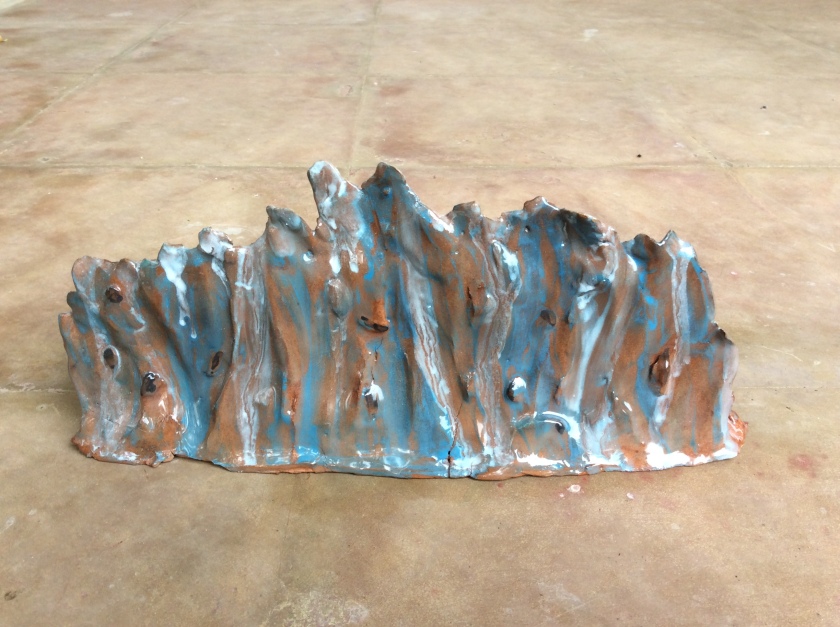
Back around the large table in the studio, we were each given a big lump of clay. Some kids joined up with their moms, others worked alone, and it was fun to see how everyone interpreted what they’d heard. All the pieces were different. But oh the joy of pounding that cool, humid piece of clay, fingers sliding over or digging in, drawing out or pushing it back. I called my obscure-looking creation Frozen Wave; I imagined it as water flowing upwards, carrying debris with it.

We glazed our pieces in different colors and left them with Maria so she could fire them in her kiln when dry. Before leaving I tried to persuade her to let me join her class on a more permanent basis, but sadly I was considered to be just outside the age limit.

Oh yes, we were told at the end that the sounds were a recording of a glazier or moraine. How cool was that?


image

Olympic Games trivia

Now that the fanfare is over, and the frenzy of the medals tally, and the usual grubby IOC scandals; now that the Rio Olympics have been declared, by IOC president Thomas Bach, “the people’s Games, the most happy Games ever, the beautiful Games, the passion Games” (how do they think up this rubbish? but of course London and Sydney had already been voted the “best ever Games”, so he was obviously running out of superlatives); now that the green diving pool and the sewage floating in the sea have been conveniently forgotten and the Brazilians left to deal with the aftermath and the cost; I thought it would be fun to post some random facts about the greatest sporting show on earth. Not so much facts, actually, as human stories, which is what I always find the most fascinating.


Three runners. Wikimedia commons.
Three runners. (Wikimedia commons)


The ancient Olympic Games, primarily part of a religious festival in honor of Zeus, were a series of athletic competitions among representatives of city-states. The games were staged every four years, starting in 776 BC, in Olympia, a sanctuary site for the Greek deities in the Peloponese. They reached their zenith in the 6th and 5th centuries BC, but then gradually declined in importance as the Romans gained power and influence in Greece. It is believed they ended in the 4th century AD, when emperor Theodosius I decreed that all pagan cults and practices be eliminated.

During the celebration of the games, an Olympic Truce was enacted between warring cities so that athletes could travel to the games in safety through hostile territory.

Athletes competed naked, and victors were rewarded by a kotinus, or olive branch wreath, and a large number of amphorae full of olive oil, which they most probably sold.

Only Greeks could compete. Greek men. No women, slaves or foreigners were allowed.


Fencing before the king of Greece - 1896 Summer Olympics. By André Castaigne ( died 1929)
Fencing before the king of Greece – 1896 Summer Olympics. By André Castaigne ( died 1929)


The Olympics were revived in 1896 by the International Olympic Committee (IOC), which had been created by Pierre de Frédy, Baron de Coubertin, and were held in Athens, Greece, from 6 to 15 April. Women were still not allowed to compete, because de Coubertin felt that their inclusion would be “impractical, uninteresting, unaesthetic and incorrect”.

However, one woman, Stamata Revithi, ran the marathon course on 11 April, the day after the men had run the official race. Although she was not allowed to enter the stadium at the end of her race, Revithi finished the marathon in about five hours and 30 minutes, and found witnesses to sign their names and verify the starting and finishing times. Revithi intended to present this documentation to the Hellenic Olympic Committee, hoping that they would recognise her achievement. It is not known what happened in the end – nor, sadly, could I find any photos of her.

Alfréd Hajós (Wikimedia commons)

The undisputed star of the swimming events at these Games was Hungarian architecture student Alfréd Hajós. Battling the elements on a cold April day – with 4m waves crashing around him – the 18-year-old Hajós served up majestic victories in both the 100m and the 1,200m freestyle events, to become the youngest champion of the inaugural Olympic Games.

While attending a dinner honouring the Olympic champions, the Crown Prince of Greece asked Hajós – who had been dubbed “the Hungarian Dolphin” by the Athenian press – where he had learned to swim so well. “In the water,” was his laconic response!

Hajós later showed himself to be an extremely versatile athlete, winning Hungary’s 100m sprint, 400m hurdles and discus titles. He also played as a centre forward in the Hungarian national football championship and was a member of the Hungarian team for its first ever international. He became a prominent architect specialising in sport facilities.


Spiridon Louis (Wikimedia Commons)

Because of its close connection with Greek history, the public desperately yearned for the marathon to be won by one of their countrymen. Spiridon Louis, a Greek water-carrier, rewarded their expectations, thereby becoming a national hero. When Louis arrived in the stadium, which erupted with joy, two Greek princes – Crown Prince Constantine and Prince George – rushed to meet him and accompanied him on his final lap for a finishing time of 2:58:50.

Louis’s victory set off wild celebrations, and the king offered him any gift he would care to ask of him; but all Louis could think of was a donkey-drawn carriage to help him in his water-carrying business!

Louis lived a quiet life thereafter, but his legacy includes an expression in Greek: “yinomai Louis” (γίνομαι Λούης – “I becοme Louis,”) which means to flee, or “disappear by running fast.”

The silver cup given to Louis at the Olympic Games was sold for 541,250 pounds ($860,000) in London on 18 April 2012, breaking the auction record for Olympic memorabilia. Breal’s Silver Cup stands just six inches tall and was offered for sale at Christie’s by the grandson of the victor, and bought by the Stavros Niarchos Foundation.


Spiridon Louis. Colored photograph by Albert Meyer
Spiridon Louis. Colored photograph by Albert Meyer (1857-1924)


Over the years, there are many of these stories to be told, showing the resilience of the human spirit, the will to overcome difficulties and deal with failure as well as success. Driven by the megalomania prevalent in the IOC, and the political and financial interests present in any such endeavor, the Olympic Games have turned into an overblown media circus, bankrupting most countries brave enough to stage them. But still, time after time, these stories surface, and we get to witness amazing feats and riveting drama.

Mid-summer blues

It’s been a gloomy summer.


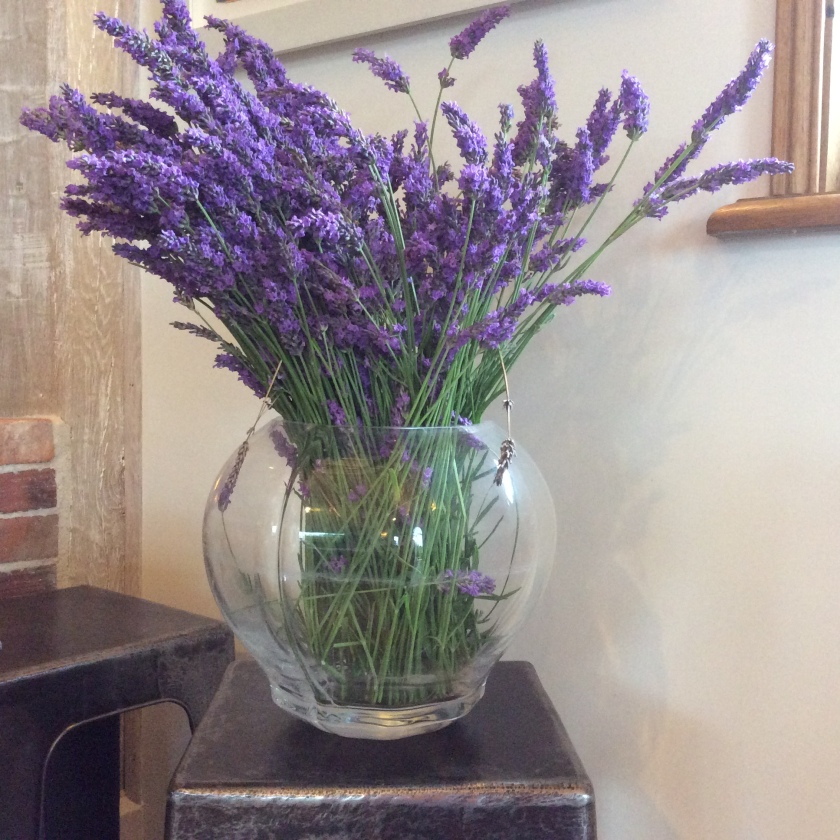
A bunch of lavender. When dry, it will be put into sachets in the linen cupboard.


In Greece, forest fires have ravaged the stunningly beautiful island of Euboea.

The refugee hot-spots are overflowing again.

People are in despair because more taxes have been announced for September. Many have not been on holiday, because they cannot afford it.


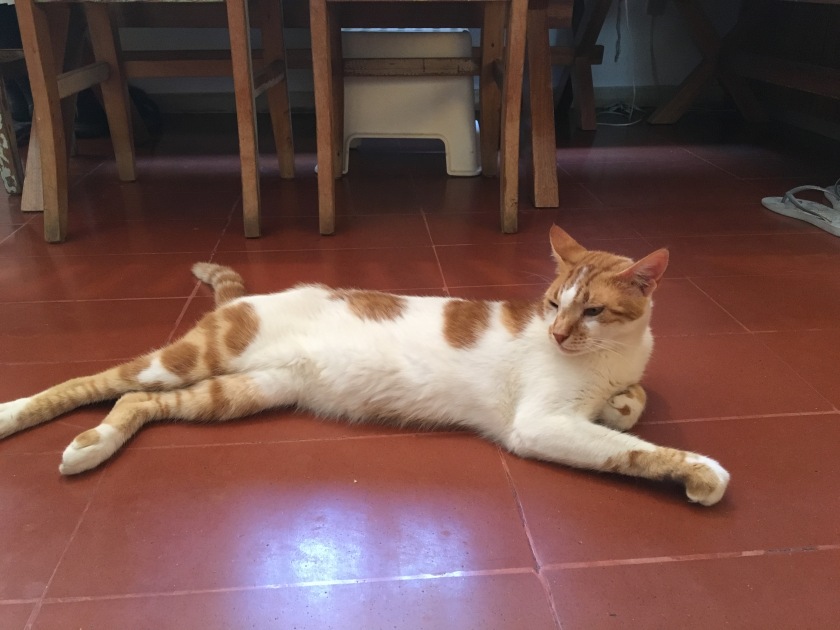
A hot cat cooling of on the kitchen tiles.
A hot cat cooling off on the kitchen tiles.


Elsewhere – another day, another atrocity. I dread seeing the news each morning.

To say nothing of the depressing spectacle of the US presidential campaign.


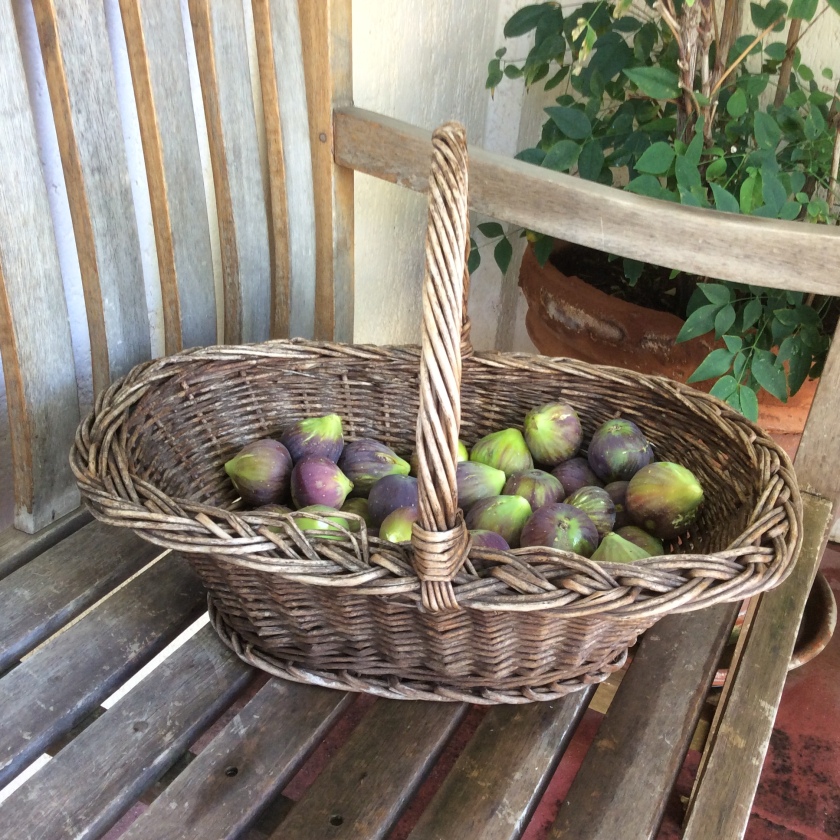
A basket of freshly-picked, sun-warmed figs


So it’s good to have the comfort of small, daily pleasures. Most of which are connected with nature.


A swim in turquoise waters.