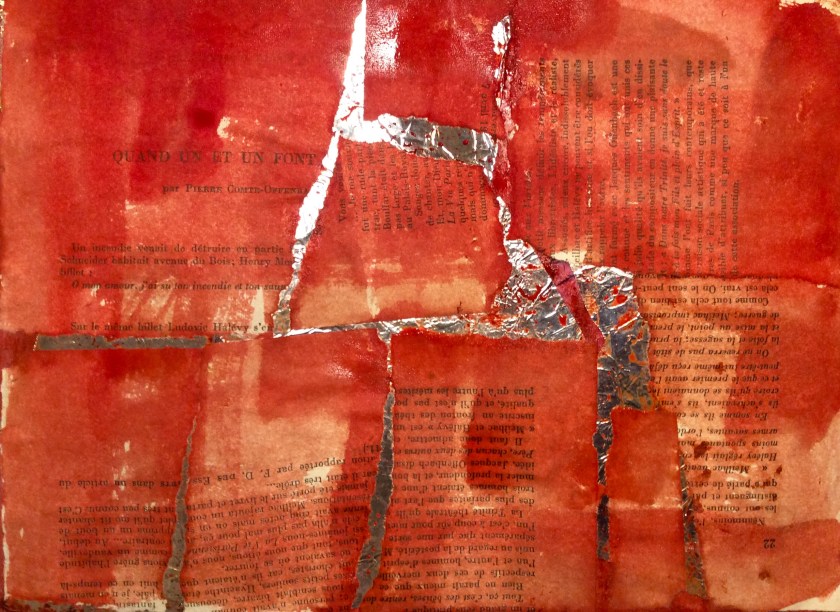
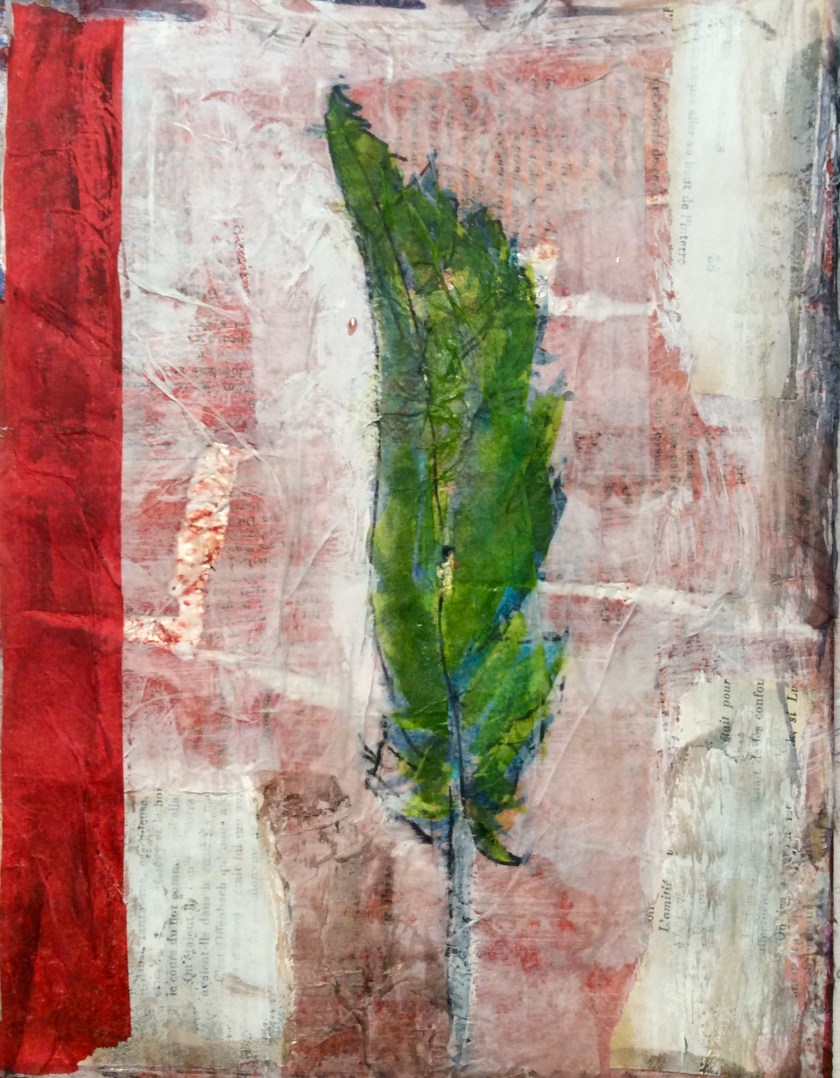
I have been continuing with my feather series, as you can see from my Instagram feed, but, due to popular demand (drumroll, please), I will now describe the process by which I create the layered ones. Here’s one:
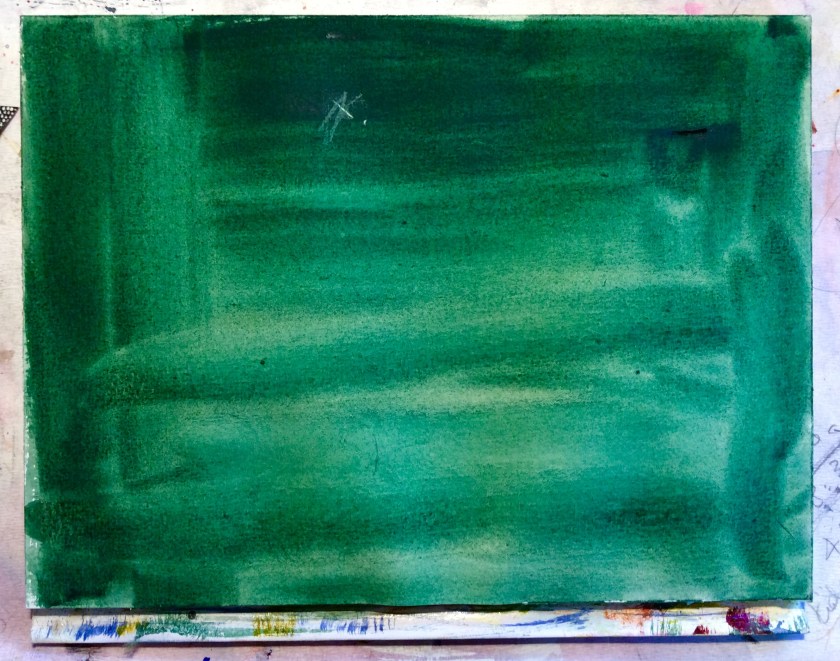
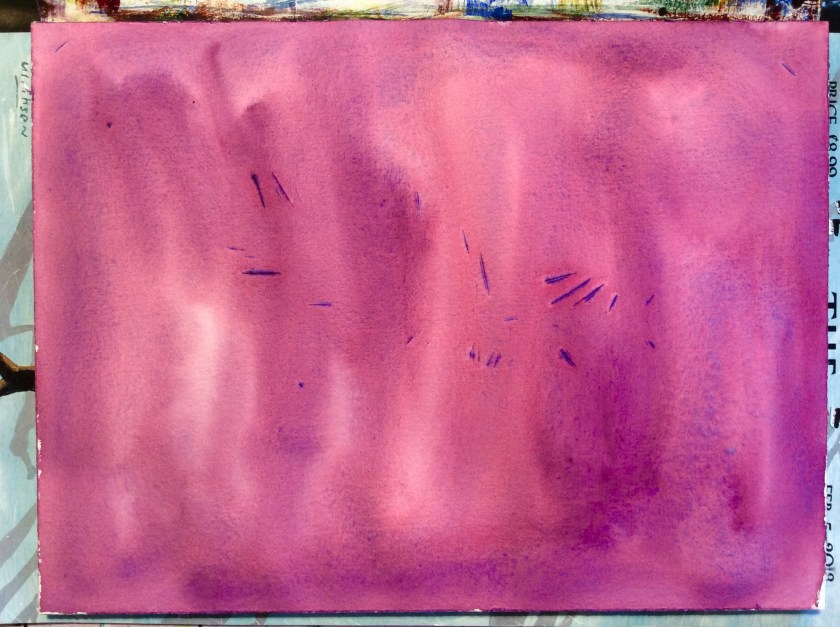
I started with watercolor on a piece of cold-pressed, 300gms paper.
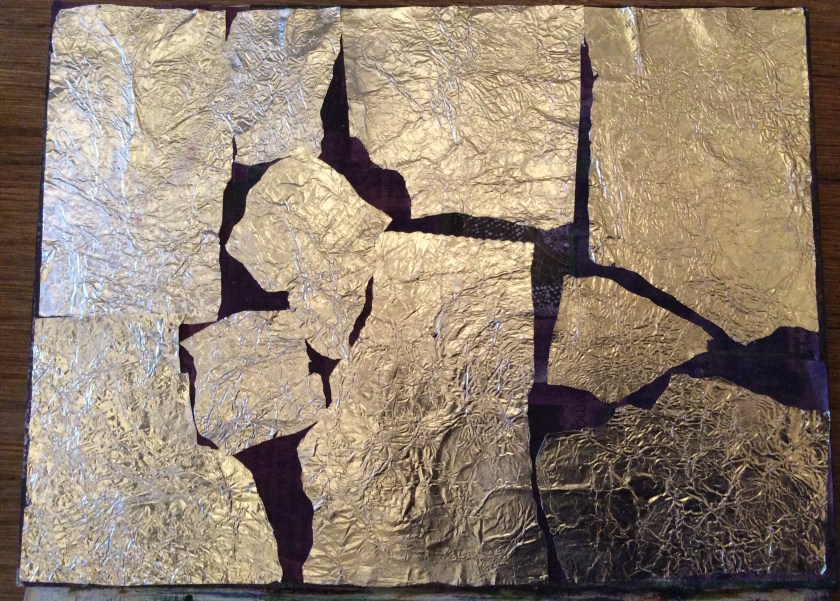
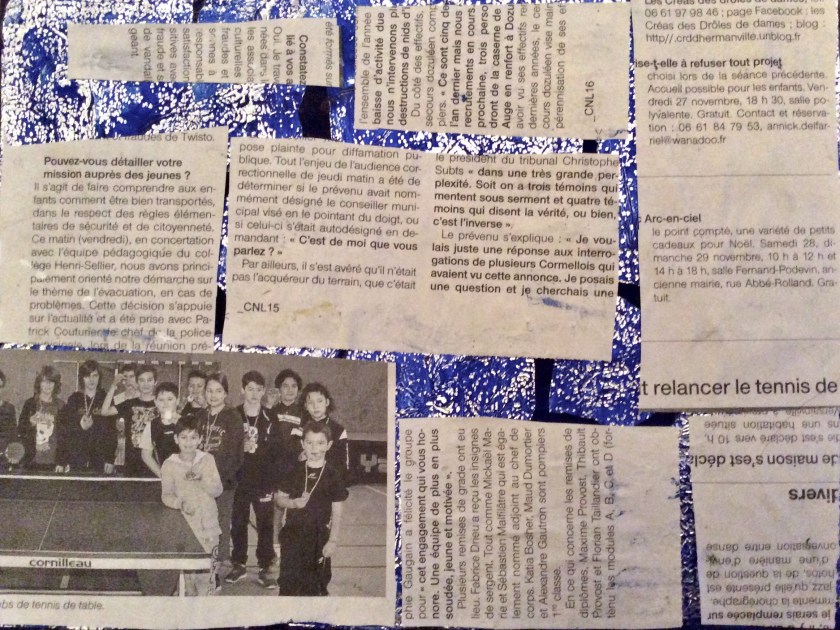
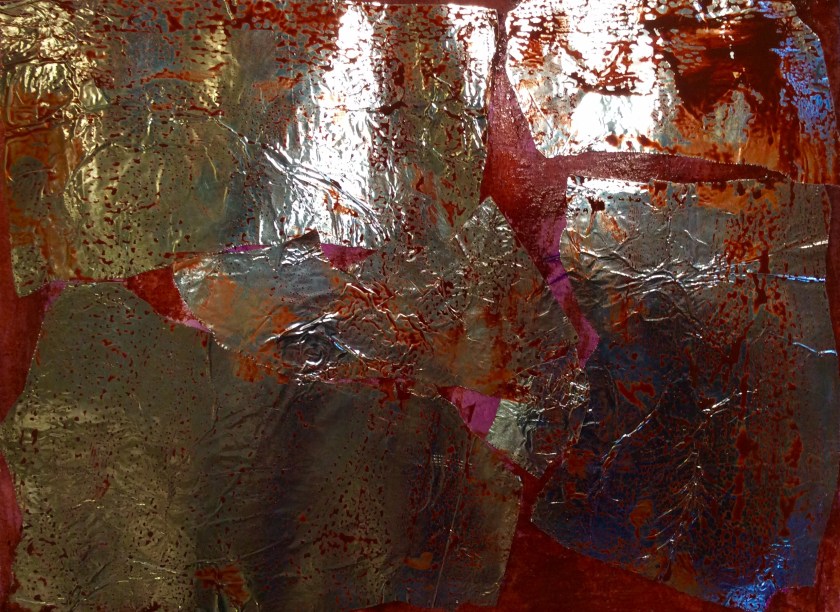
Added random pieces of aluminum foil, glued on with a glue stick.
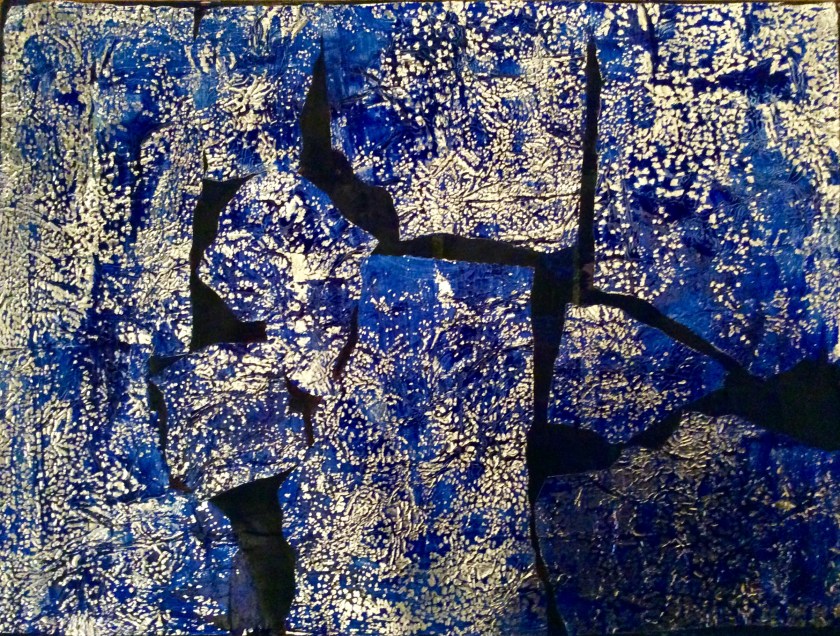
Which I painted over, with watercolor, so the paint is still transparent. Anything with foil is notoriously difficult to photograph, and I’m no photographer – I use my phone!
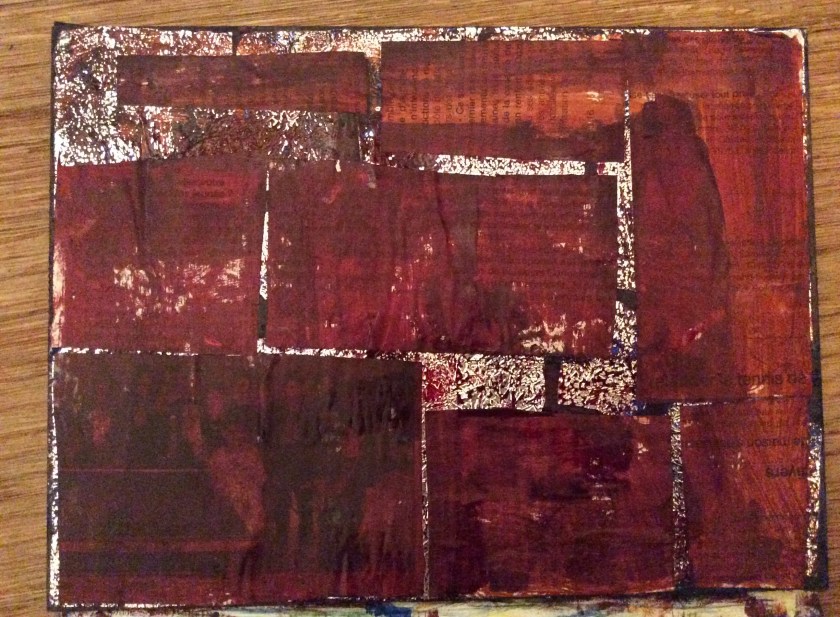
Then I added pieces of cut up newpaper
More paint
I glued on a sheet of crumpled tissue paper, which I painted over with white gouache.
Made a rough drawing of a feather
Added color, and another sheet of tissue paper. And now for the fun bit, gouging bits out with a cutter.
Ta-dah! (more drumrolls). You can zoom in to see more detail.
The process is quite random, since I follow my imagination and whim of the moment. I have lately been inspired by artists who use collage and layers, such as Anselm Kiefer, whose wonderful paintings I wrote about here. Sadly, I do not have the means to use molten lead, so I have to fall back on the humble aluminum foil.
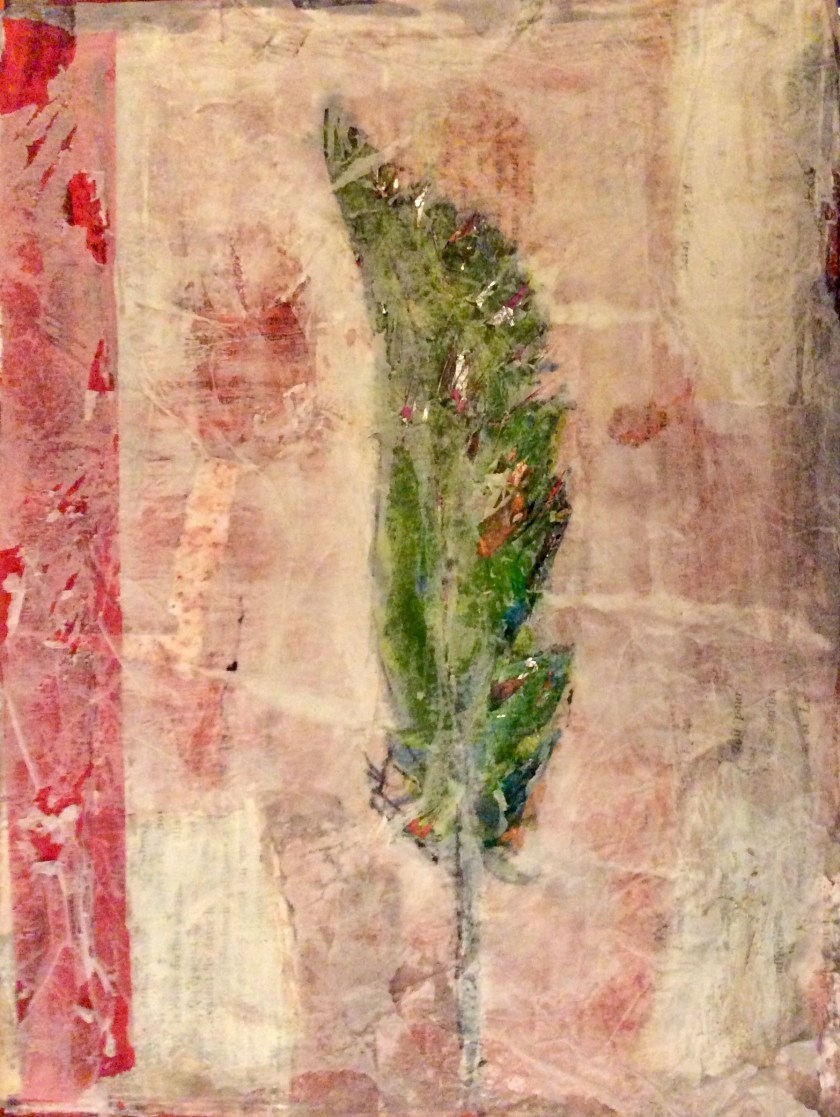
Here’s a différend feather:
In this case I used torn bits of pages from an old book, and glued a strip of red tissue paper on the left side. I’m tentatively planning to create more feathers to make a up a large mosaic.
Other artists who have inspired me lately are Romare Bearden, Derek Fordjour and Njideka Akunyili Crosby. l was thinking of writing about them in a future post.
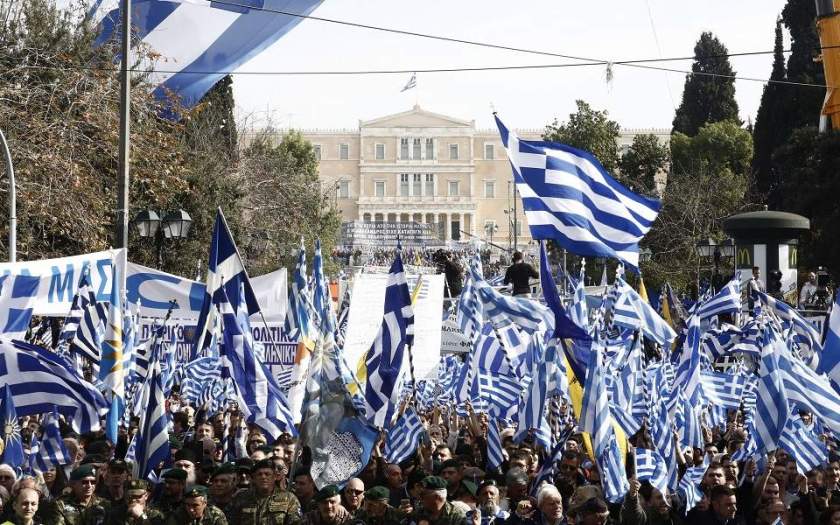
Yesterday a crowd gathered in the center of Athens, waving flags and chanting to protest a Greek compromise over the naming of a neighboring former Yugoslav republic. Macedonia, which is what the republic wants to call itself, is the ancient name of the region where Alexander the Great was born, and Greeks feel it belongs to them. Most call the republic by the name of its capital, Skopje.
The name dispute has been going on for years: it broke out after Macedonia gained independence from Yugoslavia in 1991. The country is recognized by international institutions as the Former Yugoslav Republic of Macedonia, even though about 130 countries refer to it simply as Macedonia.
Flags make for a pretty sight. Syntagma Square. Source: Kathimerini
Greece argues use of the name implies territorial claims on its own province of Macedonia. Officials in Skopje counter that their country has been known as Macedonia for a long time.
The easiest solution would be to add a modifier such as “New” or “North” to the republic’s name, but this proposal has triggered protests in both countries.
It is debatable how many people attended yesterday’s rally: the organizers claim to over a million, whereas the police estimated around 140.000 – not a small difference. Politicians of all parties had their say, 92-year-old legendary musician and former minister Mikis Theodorakis put in a appearance and called for a referendum [oh no – not another one…] Everyone accused the everyone else of using the event for their own interest, and of faking attendance numbers. Left-wing and anarchist protesters, bearing banners calling for Balkan unity, took the opportunity to set up a counter-demonstration nearby, which suspected far-right supporters attempted to attack. The riot police had a field day.
About 100,000 people attended a similar protest last month in the northern Greek city of Thessaloniki, the capital of Greece’s province of Macedonia.
What do I think about it all? Hard to say. I do think the choice of the name was provocative in the first place – surely they knew it would not please Greece, so why not opt for something else and avoid opening that particular can of worms. However, as usual the issue is obscured and transformed by political interest on both sides, and used to funnel people’s frustration and despair away from the real problems that desperately need to be solved. The endless squabbling is inelegant, to say the least. As to the referendum, no thanks – I’m sick of being dragged out to vote, knowing nothing will change in the long run. Let’s not forget that in the last referendum, we voted NO to stay in Europe, or YES to not leave Europe. Ridiculous.
After a surge of posts at the end of last year, things seem to have gone quiet. Or rather, I’ve been both very busy and a little uninspired. I see now I only managed a single post in January – horrors! So let me hasten to reassure you, I have not died or gone away.
However, I do find myself at some kind of crossroads with this blog. It’s difficult to write about Greece at the moment – things are no better, and do people want to keep reading about the refugees, the hopeless politicians and the unending financial crisis? I feel I’ve also covered the various traditions, feasts, etc – this is not supposed to be a travel guide, after all. Interviews seem to have dried up, a couple of people never having come up with the goods.
When I come across something amusing or worthwhile, or think of someone fun to interview, or have time for a road trip, or visit an art show, inspiration is easy. However, this does not make for regular output – on the other hand, I don’t want this blog to turn into a kind of homework, there’s no point to that.
So, suggestions are welcome. What would like to read about? Any special interests, more interviews, more art, less art?
Meanwhile, I am planning a trip next weekend, to visit a facility for people with special needs, in the beautiful seaside town of Galaxidi. The Estia Agios Nikolaos is a unique place, the beloved project of a good friend of mine, where people live in a family-style environment and are allowed to thrive at their own pace. They are having their vasilopitta, the Greek tradition of cutting a special cake each New Year. So there is a post to be written soon, which I feel sure will be interesting.
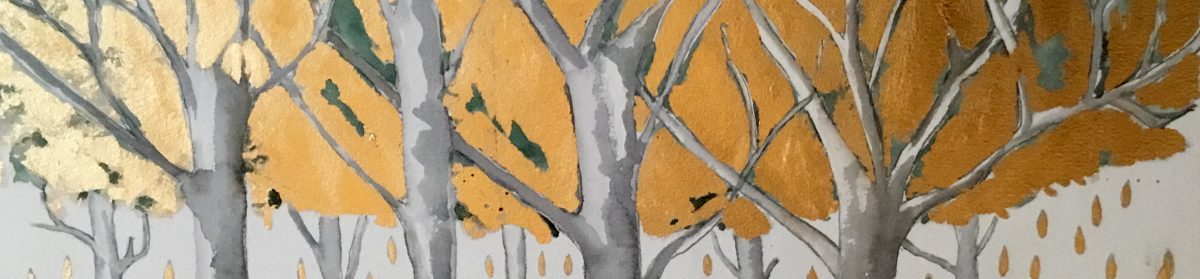
The photographs are of a series I’m working on at the moment, Feathers. They are small paintings, which will make up to a larger installation, and at the same time I’m using them to experiment with different techniques in mixed media. As well as working with watercolor, collage and gold leaf, I’m also layering pieces of newspaper and silver foil with paint and crumpled tissue paper in various combinations. Sometimes I draw or paint over the top, sometimes I gouge bits out with a cutter. It’s really fun to do, and I’m hoping to use these techniques on larger pieces eventually.
Don’t forget to comment and egg me on with your suggestions!
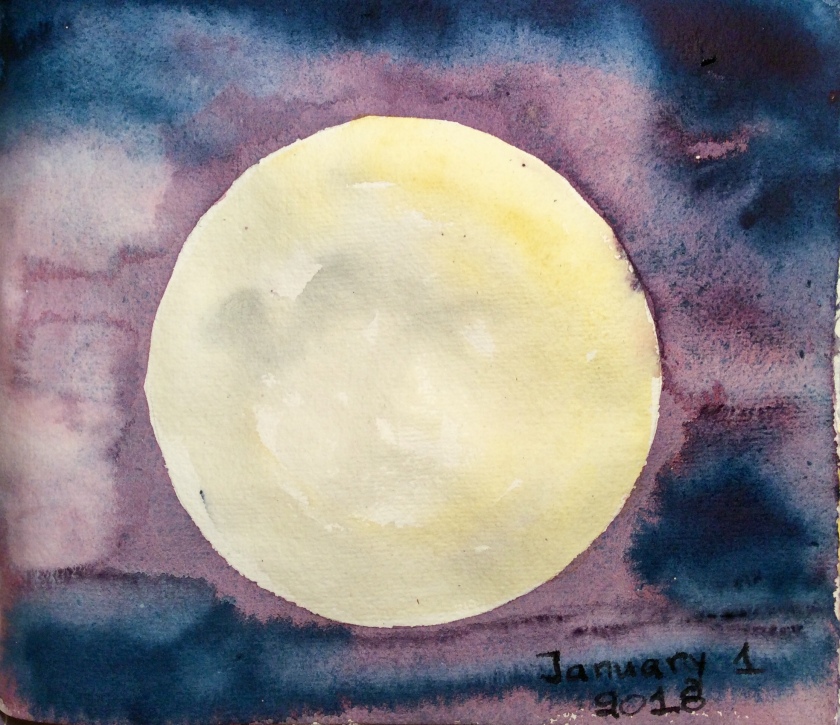
Stepping outside at night on January first and seeing a huge moon shining behind the clouds felt like a good sign – an omen of a great year ahead?
Best wishes to all of you who have been reading my ramblings all year.
But so as not to be too complacent, I will share a cartoon frrom the New Yorker that someone sent me.
Athens has put on its glad rags as a general effort is being made to celebrate the holidays.
SYNTAGMA (Constitution Square) decorated and lit up for Christmas. Photo: tornosnews.gr. Source:Google.
There is a lot going on, despite the continuing problems, which remain huge. Art shows, music, dance, parties – and people just walking the streets, enjoying the season. Athens remains one of the popular destinations for the winter holidays.
As always one must spare a thought (and perhaps a little money) for the people whose finances or personal circumstances make the holiday more of a worry than fun. Also the homeless and the refugees, who are spending another winter without heating or running water.
However, I would like to end this post on a positive note, and send my best wishes to all of you out there, who have been following and commenting all this time. I really appreciate your friendship (even when virtual!) and hope you will enjoy the days to come, with friends and family.
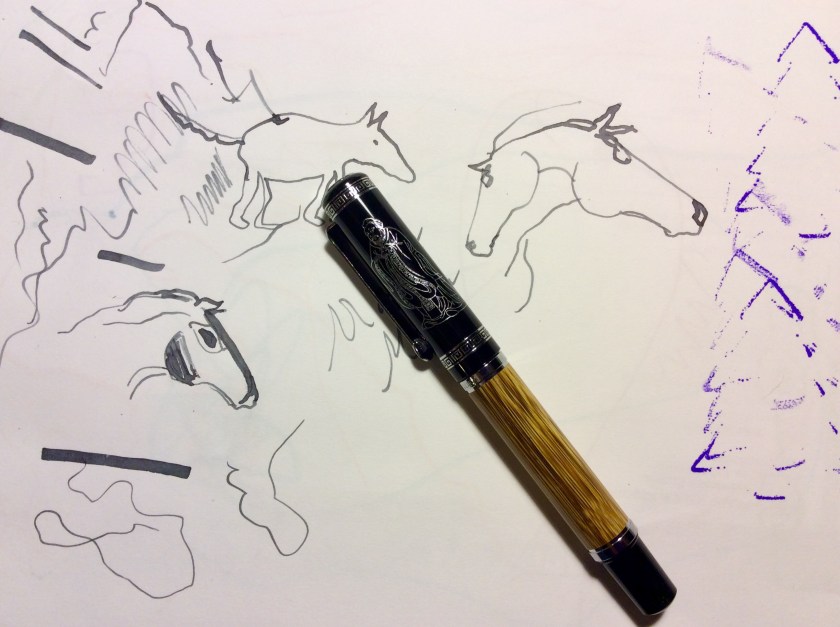
Christmas gift: Trying out a new toy, a Duke Confucius fountain pen – it makes the most interesting marks and is a lovely object in itself. Made from bamboo.
If any of my more recent followers are interested about Christmas celebrations in Greece, I wrote a post about it some time ago – you can find it here.
For ballet lovers, Christmas is often a time of indulgence, with a lot of dance companies putting up festive shows. In Athens, The Nutcracker is on at the Megaron, one of our opera houses, featuring principal dancers from the Bolshoi.
I do not consider myself a connaisseur of ballet but, as most people, I do love a performance by an outstanding artist.
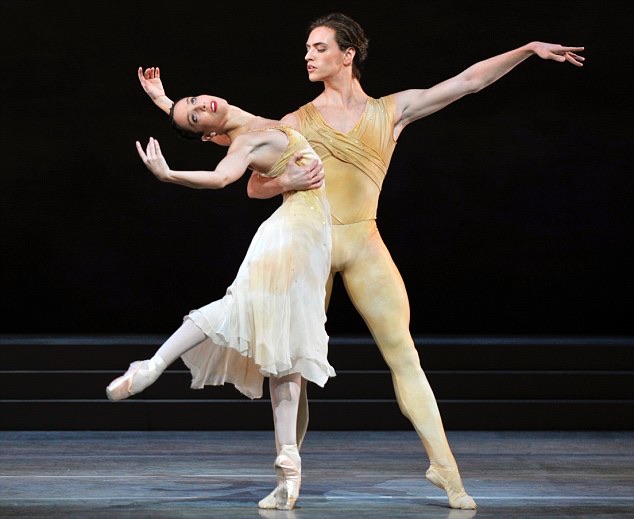
Laura Morera and Sergei Polunin at the Royal Ballet Triple Rhapsody at The Royal Opera House Covent Garden. Source:Google
Some years ago, I watched Baryshnikov dance at the ancient Herodion Atticus theatre in Athens, on a moonlit summer night. To see him literally flying across that stage was a breathtaking spectacle, and I’ve not seen a male dancer of that caliber since.
So when I came across this video of Sergei Polunin, performing in a barn to the sounds of the song ‘Take me to church’, I thought I’d post it here as a little Christmas gift for all you ballet lovers out there.
Sergei Polunin was born in the Ukraine and started dancing at age three, pushed by his mother who hoped it would be a way for him to escape their difficult existence. The pressure put upon him by his extraordinary talent made for many ups and downs in his life, including quitting the Royal Ballet at just 21, despite having had the best roles laid at his feet. Fortunately, after trying different things such as acting, he always seems to return to ballet.
The ‘Take me to Church’ video went viral, but it is a showy piece of work for someone who is, above all, a true purist of classical dance. That is why I am also posting a more conventional clip of him dancing in Swan Lake.
For those of you who will be in Athens over the holidays, a roundup of artsy goings-on from a favorite blog, Art Scene Athens. Can always be relied upon to scout out what’s worth seeing.
THERE ARE so many interesting art shows on in Athens at the moment that you can enjoy during the Xmas break. Here is a selection of just some of them (you will find more in ‘November’s Art Trek‘ which are also still running):
Work by Dimitris Mytaras
‘Themselves and Others’
The National Bank of Greece’s Cultural Foundation (MIET), will be inaugurating the show ‘Themselves and Others’ at the Eynard Mansion on Tuesday, December 12, (8pm), comprising 400 works from the collection of acclaimed set designer/stage director and artist, Dionysis Fotopoulos. (Runs till March 3).
Participating artists: Th. Apartis, D.Diamantopoulos, F. Kontoglou, Y.Bouzianis, Y. Moralis, Y. Tsarouchis, L. de Nobili, N. Hadjikyriakos-Ghika, Y. Lappas, T. Mantzavinos, Y. Mavroidis, Y. Bitsakis, Ch. Botsoglou, D. Mytaras, Th. Papagiannis, E. Sakayian, N. Stephanou, F. Fotopoulos, Y. Psychopedis. • The National Bank of Greece’s Cultural Foundation (Eynard Mansion), is on 20 Ag. Konstantinou…
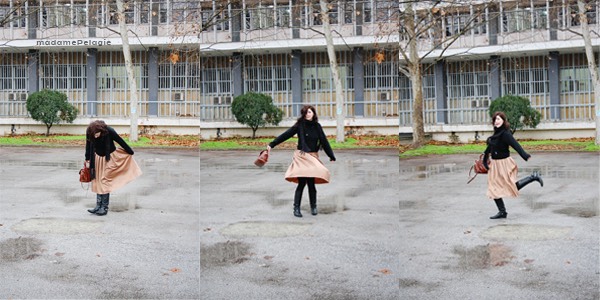
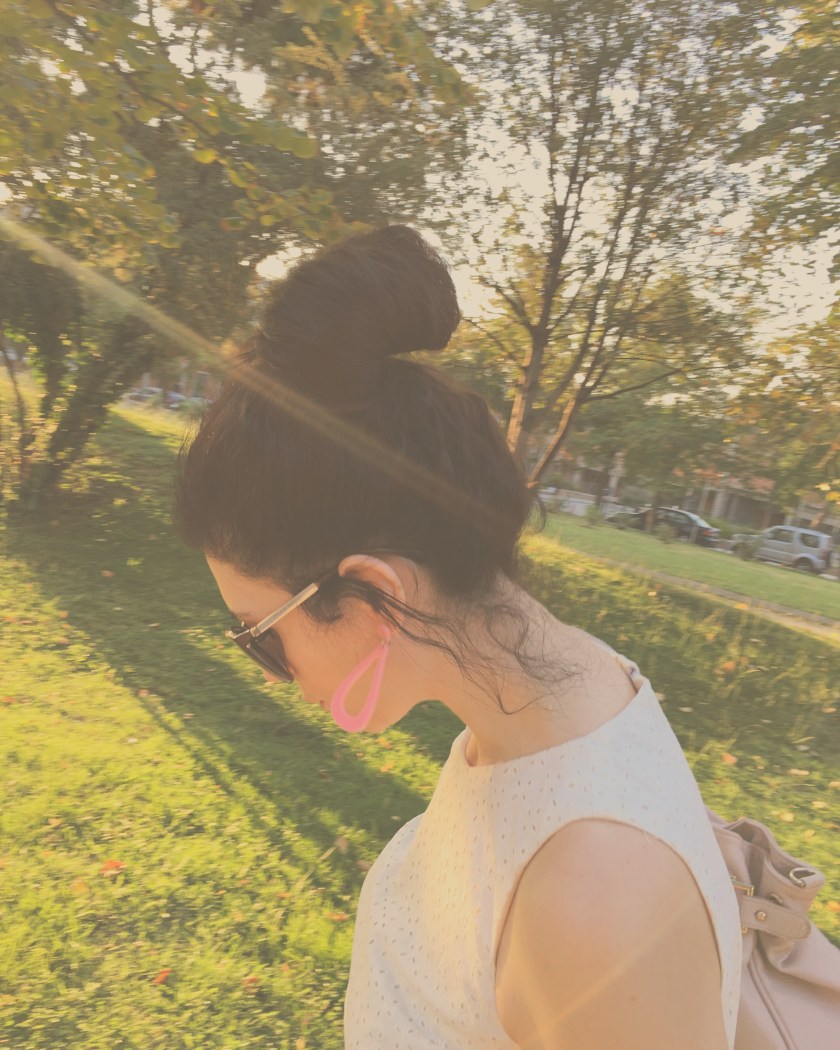
For a while now, I’ve been following the Instagram feed of Pelagie de Paris, because I love her photographs and her quirky sense of humor. Also her joie de vivre and her general take on life. Pelagie, contrary to appearances, is not from Paris at all, but from the delightful city of Thessaloniki, in the north of Greece, whose more obscure and quaint corners she loves to photograph. She also sews, draws, blogs (about sewing) and likes to treasure hunt in antique shops. But see for yourselves.
Tell us a little about yourself
I was born in Thessaloniki, but grew up in a village 30 km away, up until I was 19. Then I moved to the city to study chemical engineering, and later on I got an MBA degree as well. I worked as an engineer for two years, and then utilized my MBA to work in the banking sector for 9 years. I quit my job 3 years ago, to follow my dream to be a self-employed creative entrepreneur.
I always liked doing stuff with my hands. I dealt with various kinds of crafts and arts through the years (mostly during university exams, when I should be studying instead, as expected) making jewelry, bags, belts, paintings, learning photography and foreign languages etc, until one day, almost out of the blue, I decided to get a sewing machine and take up sewing. That was seven years ago. I didn’t have a clue about sewing, nor did I have anyone close to teach me, so I inevitably turned to good old internet (YouTube, I love ya!) I got hooked, as you could imagine, and started making my clothes and my whole wardrobe. I still sew most of my clothes and wear lots of me-made skirts and dresses; sewing gives you the freedom to make and wear almost whatever you imagine!
Somewhere in between, I started blogging about sewing in Greek, which I had found to be a whole new (niche) market, since nobody (at least in my knowledge) until then had a sewing blog written in Greek. I wanted to give back to the (Greek) internet some of the knowledge I acquired from foreign sites! (Greek speakers can read her blog here.)
I also like writing, and lately lettering (brush lettering and modern calligraphy as well). I think the one thing that characterizes me is that a have an insatiable thirst for knowledge and learning. My motto is “Semper Curiosus” (that’s two words I put together on my own, I’m not even sure that’s correct Latin, so don’t shoot please). You can easily imagine I spend lots of hours online, learning and getting inspired (hallo, Instagram and Pinterest)!
I ‘ve been living with my beau for almost ten years now, and would very much like to have a dog someday.
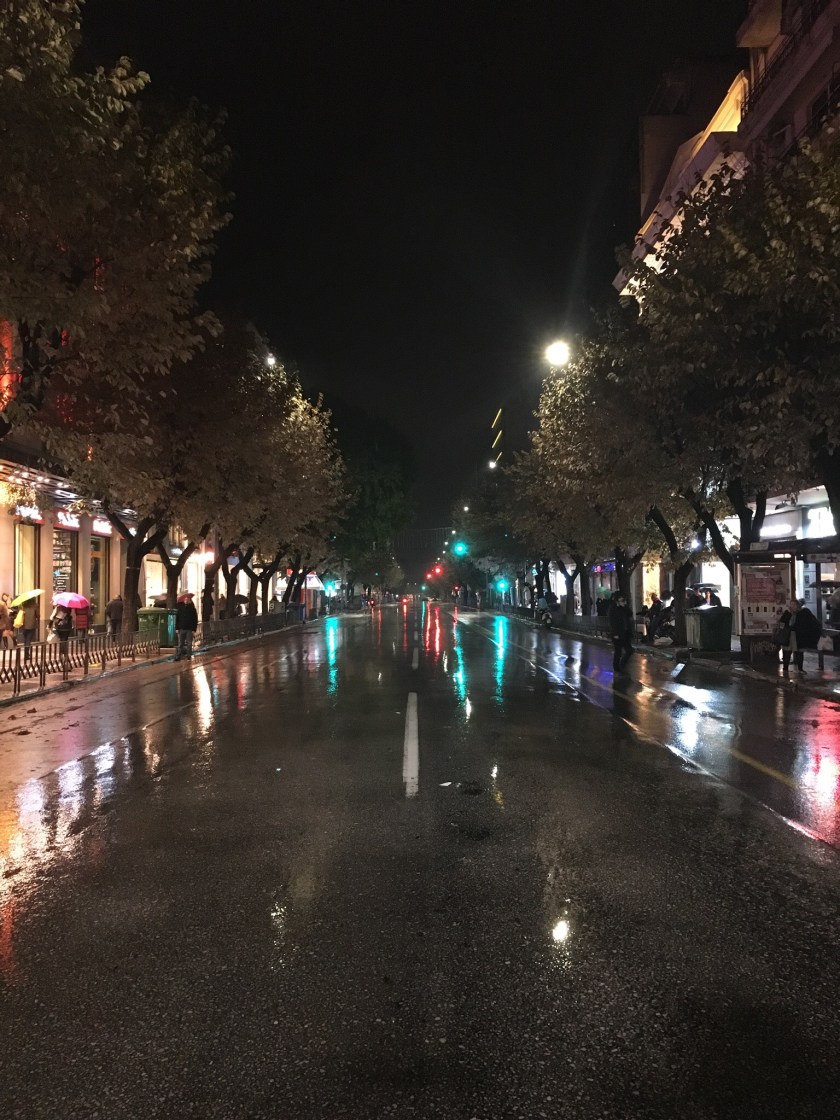
Thessaloniki street at night
What were the major difficulties you’ve faced in the last five years?
Well, the one thing that most frustrates me and makes my life rather difficult and my mood a little heavy is this sense of uncertainty and instability that has set upon us here in Greece for these last few years. All the other difficulties come from within (me), and I’m doing my best to get over them: things like low tolerance to rudeness and to not caring about others around you. I’m working on them, by trying to be a kind and just human being. It’s an ongoing battle, I tell you!
Did anyone in particular inspire you or help you?
Nope. I’m one of those people that never had an idol or someone to look up to. I do believe though that I am learning something from every single person I interact with, whether it’s a positive interaction or a negative one.
Lately however, come to think of it, I realised that I get inspired by people that are very target-oriented and, more importantly, self-motivated. Being a major procrastinator myself, I need this kind of people to be around, to inspire me and push me forward. Of course, they also have to be kind and not in the least amoralistic, otherwise they don’t fit the bill. Sadly, such people are hard to find, as one imagines. But they exist; I’ve found a couple of them throughout the years!
What are your hopes/plans for the future?
I’m afraid to say I don’t make plans. At all. Only very short-term ones (aspiring things like “I’ll go to the supermarket tomorrow”). I would very much like to be one of those doers and goal-getters, who set up a goal and make detailed plans and courses of action to accomplish it. But I’m not. I mostly go with the flow, and am known to adapt fairly well to different situations.
As far as hopes are concerned, I’ve had quite a revelation a couple of years ago, having heard somewhere that one must kill hope in order to progress and stand on their own. That was a real hit-me-in-the-face moment, ’cause I grew up with the notion that hope was somewhat of a sacred and necessary asset to “own”. Now, don’t get me wrong, there’s nothing wrong with hope, sometimes it’s the last resort in desperate situations, a real life saver. I lean towards the belief that hope kind of makes us passive and maybe pathetic in a way. I believe that taking action is the way to go (even though as I mentioned I’m not much of a doer). And also, standing on one’s own two feet. The inquiring reader might rightfully doubt that, and ask how will one find the strength to stand on their own feet through rough times, if not resorting to hope. And maybe he would be right. I don’t have the absolute answer to that. Maybe hope is in reality nothing more than our own strength deep within. Maybe. (I state a lot of “maybe’s”, I know, and that’s because I find certainty rather stupid).
Ironically, my name in Greek means just that: Hope (-enter high-raised-brow-and-grinning-emoji-).
Having said all that, in my very short future (come early December) I have my online shop (www.pelagie.gr) opening, that will stock various, personally and carefully curated crafty and artsy things, like haberdashery and stationery, things that I feel really passionate and enthusiastic about (shameless self promotion, #sorrynotsorry).
What are your hopes for Greece? What changes do you hope to see happen?
Oh, man, again with the hopes thing! Jk.
If you asked me that same question 5 years ago, I’d have answered that I’d wish something good would eventually come out of all this crisis bitch, both on an individual and on a social level. Unfortunately, I don’t see any of that happening any time soon. Maybe it’s too early to know, or I’m too in the middle of all of this to see clearly. Maybe in the future. Just maybe.
Have you considered leaving? If so, where would you like to go, and why?
Yes, of course! Lots of times during the past seven or eight years! Who hasn’t?
I still do, as a matter of fact. And, of course, Paris would be the perfect place for me to live in, bien sûr. However, any French city, big or small (Provence, I’m calling out to you, can you hear me?) would do just fine, please and thank you. I think I wouldn’t have much trouble adjusting, say, to the weather and way of living (which seem to be the two biggest struggles for Greeks moving abroad) -I’m not much of a summer person anyway (shocker, I know).
If you have already decided to leave what would make you stay?
Two things would hold me back: my family, of course, and then the fact that I wouldn’t be able to speak my mother language. I feel that our language is our software; words are feelings and intentions and memories and essential parts of who we are, so losing them, a big part of us gets lost too, and is never replaced (if you’re older than eight).
Are you actively doing anything to help with the situation? Is there something you would like to do?
I am a strong and utter believer in the power of the individual as a bearer of bigger change. One of my favorite quotes lately is “I wanna change the world: I’ll change myself”.
Everybody wants change, but nobody wants to change oneself, I wish that everybody could realise that.
Pelagie in Paris
How do you see Greece in 5, 10 years?
Hahahahah, that’s a good one. Sorry, I am not in the least able to make any predictions, and, frankly, I don’t want to. I have no clue whatsoever. Totally clueless. Come what may.
What are the positive sides of living in Greece? Have you had any good experiences lately?
I fear I can’t answer this question accurately, because I do not have anything to compare living in Greece with anywhere else in the world. I really wish I had.
Also, as I mentioned above, I’m not much of a summer person or a party person at that (calling out to fellow introverts). The sea all around us and the clear blue skies seem to be good assets, though.
A recent good experience does not pop to mind right now. That’s strange and kind of sad, right? But neither does a bad one. So, we’re even, hehe.
Finally, I believe that good experiences can happen anywhere, Greece or not.
How do you cope with obstacles and frustrations in your everyday life?
I try to be calm and cool. I do not “try” per se to “see the bright side” and such new age stuff-actually, that kind of comes to me naturally and, thankfully, on its own; I do try though to not take it out on others, and try as best as I can to avoid nagging and whining. I really, REALLY hate that. Hate-hate-hate that.
I wish to some day come to the point of reacting like the old farmer in that zen story (just google “old farmer zen story” and hit the first result that comes up): Maybe, just maybe.
Yes, I sew my own clothes. Yes, I can hem your pants/take in your skirt/make your curtains. But. I. DON’T. WANT. TO. Thank you.
Last year, at a ‘creative marathon’ called Hack the Camp, aimed at finding solutions to the challenges faced by refugees in Greece, a young woman spoke passionately of her desire to continue her university education. She had been a student of Economics at a university in Damascus, but her studies had been abandoned as she fled the war. Her emotional plea was the inspiration for the program “Education Unites: From Camp to Campus”, that will provide higher education scholarships to 100 eligible refugees in Athens and 100 in Thessaloniki.
The program is a collaboration between the U.S. Embassy in Athens, Anatolia College (The American College of Thessaloniki), Deree (The American College of Greece) and Perrotis College (American Farm School).
Lucy Kanatsoulis, Dean of Enrollment and International Students at Deree – The American College of Greece, declared: “I can think of no better title for the recently launched scholarship program organized by the U.S. EMBASSY in Athens in collaboration with the American College of Thessaloniki – Anatolia College, Deree – The American College of Greece and Perrotis College – American Farm School.
Once refugees and asylum seekers enter the classroom, they become students – like all their classmates from Greece and other parts of the world – with hope for a future filled with opportunities…Education unites all students in their quest for knowledge to achieve their goals in life. And just like that their differences fade and they are all students first.
The refugee crisis in Greece has become one of integration: Providing them with knowledge and skills which they can use either in Greece or in any other country they move to in the future to help them get out of the camps and start working, thus becoming a contributing member of society. There is hope for this program to form a blueprint to be used across many countries who are committed to offering a permanent solution to the refugee crisis, making the campus the vehicle for humanity.
As a young Syrian wrote in his application: “… the thought that I will have the opportunity to study, and do what I do best, has already put a smile on my face.”
After reviewing over 400 applications and interviewing dozens of refugees and asylum seekers, the three U.S. affiliated colleges have selected the first group of students, who have now begun their academic studies.
Classes have started for the young Afghan man who dreams of becoming a pilot; the young lady from Pakistan who wants to become an electrical engineer; the Syrian law student from Aleppo who left her studies unfinished, and the Syrian man who wants to pursue economic and entrepreneurship studies – as well as dozens of other young students who can now aspire to a professional career, a better future, and the possibility of making an essential contribution to any community where they settle.
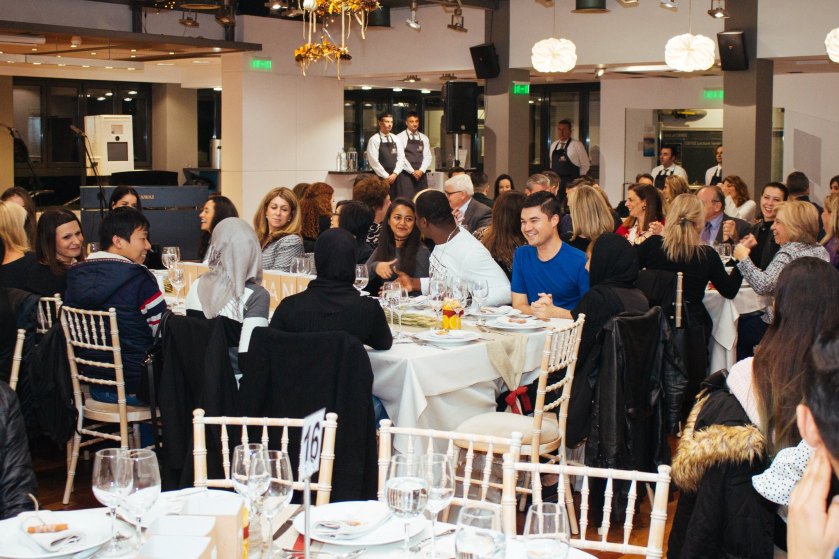
During the first week of October, seventy eight young refugees started their academic studies at Deree, and in November they celebrated at their college with an emotional Thanksgiving party.
Note: You’ve already met Lucy – she did the Monthly Interview in August 2016.








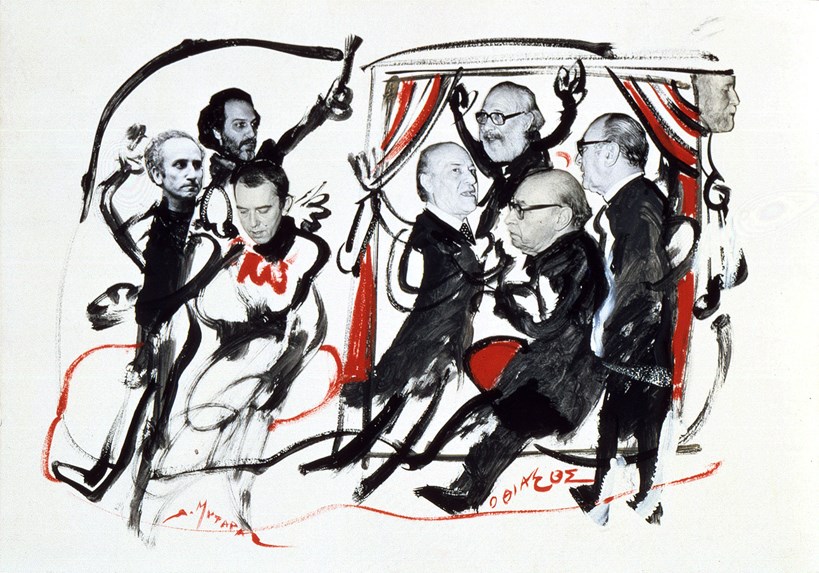

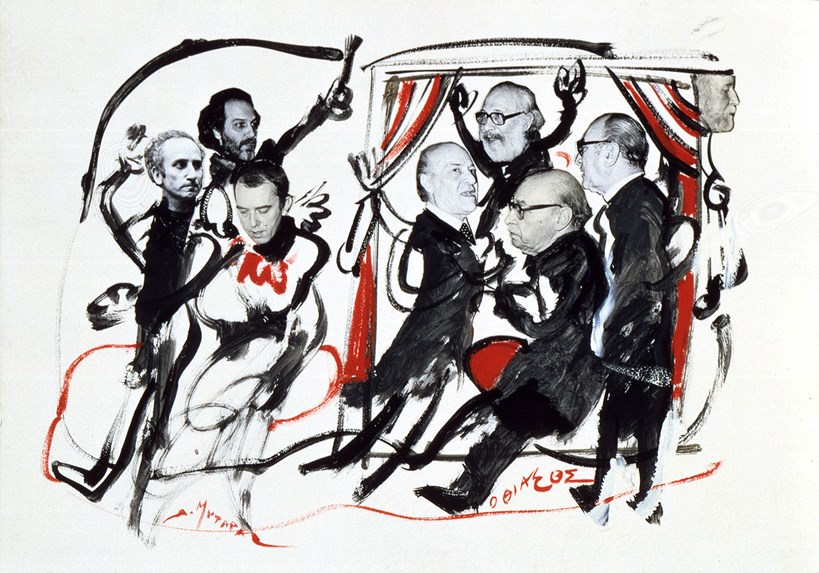 Work by Dimitris Mytaras